



When a customer picks up a bag of coffee from a crowded shelf, they have mere seconds to decide whether your product deserves a place in their shopping cart. In the competitive specialty coffee market, custom coffee bags serve as your silent salesperson, communicating brand values, quality promises, and product differentiators before the first sip ever touches their lips. The packaging you choose is not just a container; it is a critical marketing asset that can elevate your roastery from local favorite to regional powerhouse.
Custom coffee packaging has evolved far beyond basic kraft paper and generic labels. Today's coffee entrepreneurs understand that investing in thoughtfully designed coffee bags creates an immediate visual impact that separates premium products from commodity offerings. Whether you are launching a new single-origin line, rebranding an established roastery, or expanding into retail distribution, the right packaging solution combines functional excellence with brand storytelling that resonates with your target audience.
American coffee market continues to grow, with consumers increasingly willing to pay premium prices for specialty coffee that delivers both exceptional taste and an authentic brand experience. This willingness to invest in quality extends to packaging expectations. Modern coffee lovers notice details like degassing valves, resealable zippers, and sustainable materials. They appreciate custom labels that clearly communicate origin information, roast profiles, and brewing recommendations. These packaging features signal professionalism and attention to detail that builds trust before the bag is even opened.
Choosing custom coffee bags involves balancing multiple considerations: material performance, design flexibility, minimum order quantities, cost per unit, and turnaround times. Roasters must protect their product from oxygen, moisture, and light while creating packaging that stands out in both brick-and-mortar retail environments and social media feeds. The decision becomes even more complex when factoring in sustainability goals, as consumers increasingly favor brands that demonstrate environmental responsibility through compostable films, recyclable materials, or minimal packaging waste.
This comprehensive guide walks you through every essential aspect of selecting and implementing custom coffee packaging for your roastery or coffee brand. You will discover how different bag styles impact product freshness and shelf appeal, learn what design elements create the strongest brand recognition, and understand the technical specifications that ensure your coffee stays fresh from roasting through consumption. Whether you are ordering your first batch of 500 custom label coffee bags or scaling up to 50,000 units, the insights ahead will help you make informed decisions that protect your product and amplify your brand message.
From material selection and barrier properties to print techniques and regulatory compliance with FDA guidelines, we will explore the critical factors that separate mediocre packaging from exceptional custom coffee bags that drive customer loyalty and repeat purchases. Your packaging investment represents one of the most visible touchpoints in your customer journey, and getting it right can dramatically impact your market positioning and profit margins in the increasingly sophisticated specialty coffee landscape.
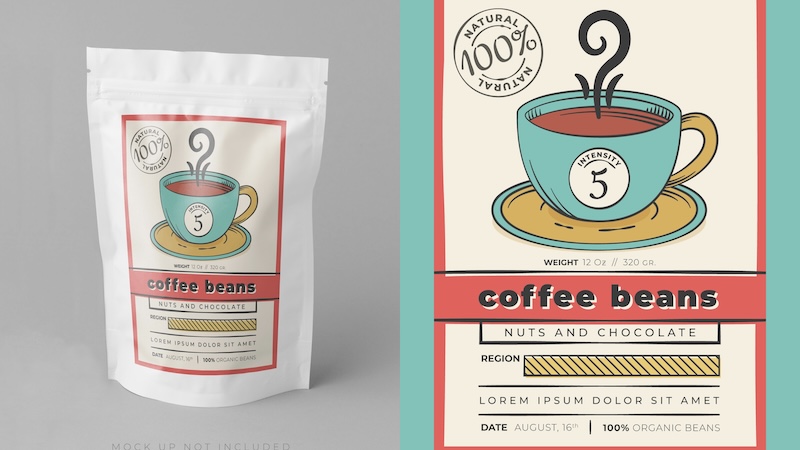
After understanding what custom coffee bags offer, it becomes clear why they represent more than just packaging. For coffee businesses across the United States, these specialized containers serve as critical tools that directly impact brand recognition, product quality, and competitive positioning in an increasingly crowded marketplace.
Custom coffee bags transform ordinary packaging into powerful brand ambassadors. When your coffee sits on a retail shelf alongside dozens of competitors, a distinctive custom label coffee design captures attention within the crucial three-second window that shoppers typically spend scanning products. The visual elements—color schemes, typography, logo placement, and imagery—communicate your brand story before a customer ever tastes your coffee.
Small roasters competing against established national brands particularly benefit from custom coffee packaging that reflects their unique positioning. A craft roaster emphasizing single-origin beans might feature geographic illustrations and earthy tones on their coffee bag, while a company targeting young urban professionals could opt for minimalist designs with bold typography. This visual differentiation helps justify premium pricing and builds customer loyalty through consistent brand recognition.
Coffee beans begin losing flavor compounds immediately after roasting, making proper packaging essential for maintaining quality. Custom coffee bags designed with specialized barrier materials protect against the primary enemies of fresh coffee: oxygen, moisture, light, and heat. Multi-layer laminate structures typically combine aluminum foil with food-grade plastics to create an effective barrier that extends shelf life from weeks to months.
Degassing valves integrated into coffee bags address a unique challenge in coffee packaging. Freshly roasted beans continue releasing carbon dioxide for several days, and without proper venting, this gas buildup can compromise package integrity or affect flavor development. A one-way valve allows gas to escape while preventing oxygen from entering, maintaining optimal freshness without requiring a waiting period before packaging.
The material choices in custom coffee packaging also support various storage requirements. Businesses offering whole bean coffee might prioritize puncture-resistant materials, while ground coffee producers focus on maximizing oxygen barrier properties. Resealable zippers add functionality that customers appreciate, encouraging them to purchase larger quantities knowing the product will stay fresh at home.
FDA regulations require specific labeling information on food products sold in the United States, and coffee bags must display this clearly. Custom label designs allow businesses to integrate mandatory elements—ingredients, net weight, roaster information, and nutritional facts—seamlessly into the overall aesthetic rather than applying generic stickers that detract from brand appeal.
Beyond regulatory requirements, custom coffee bags provide space to educate customers about your product. Roast date transparency has become increasingly important to specialty coffee consumers who understand how freshness affects quality. Tasting notes, brewing recommendations, and origin stories printed directly on the coffee bag add value and demonstrate expertise, building trust with discerning customers.
While custom coffee bags require higher initial investment than stock packaging, they eliminate ongoing costs associated with separate labeling processes. Pre-printed bags streamline production workflows, reducing labor time and minimizing errors that occur when applying individual labels. For businesses producing multiple varieties, this efficiency compounds across product lines.
The marketing reach extends beyond the point of sale. Customers carrying distinctive coffee bags create walking advertisements, and visually appealing packaging encourages social media sharing. Instagram-worthy designs generate organic marketing exposure that would cost thousands of dollars through traditional advertising channels. Many successful roasters credit their packaging design as a primary driver of word-of-mouth growth.
Custom coffee packaging signals professionalism that opens doors to wholesale accounts and retail partnerships. Grocery stores, cafes, and specialty retailers prefer working with suppliers whose products project quality through packaging presentation. Generic bags with handwritten labels might work for farmers market sales, but expanding into broader distribution channels requires the polished appearance that custom label options provide.
As businesses scale, having established custom coffee bags simplifies expansion. The packaging infrastructure supports consistent brand presentation across new markets, whether opening additional locations, expanding distribution territory, or launching e-commerce operations. Customers recognize your product immediately, regardless of where they encounter it, creating brand equity that drives repeat purchases.
Modern consumers, particularly in the specialty coffee segment, increasingly prioritize environmental responsibility. Custom coffee bags manufactured from recyclable materials or incorporating post-consumer recycled content allow businesses to align packaging with sustainability values. Printing certifications like USDA Organic, Fair Trade, or Rainforest Alliance directly on the coffee bag reinforces commitment to ethical sourcing practices.
Compostable and biodegradable options, while currently more expensive, appeal to environmentally conscious customers willing to pay premium prices. Custom designs can highlight these sustainable features, turning packaging choices into marketing advantages that differentiate your brand from competitors still using conventional materials.
The strategic importance of custom coffee bags extends across every aspect of coffee business operations, from protecting product quality to building brand recognition and supporting business growth. This multifaceted value makes professional packaging not merely an expense but an investment in long-term success.
Premium custom coffee bags deliver specific capabilities that transform packaging into powerful marketing assets driving brand recognition and customer loyalty.
Modern custom coffee bags serve as complete brand canvases through advanced printing technologies that communicate quality, values, and unique propositions.
Full-Surface Design Flexibility
Custom coffee bags offer complete design freedom across all printable surfaces including front panels, back panels, side gussets, and bottom seals. Digital printing reproduces complex graphics, gradients, and photographic images with exceptional clarity. Roasters incorporate logos, origin maps, tasting notes, brewing instructions, and brand storytelling without compromise, ensuring consistent messaging from every angle.
Full-color CMYK printing accurately reproduces brand colors for instant visual recognition. This precision establishes shelf presence against commodity coffee brands using generic packaging with simple adhesive labels.
Material Selection for Brand Positioning
Customization extends to material choices reinforcing brand identity. Coffee businesses select kraft paper for artisanal aesthetics, glossy metallized films for premium positioning, or matte finishes for sophisticated minimalism. Each material communicates specific brand values immediately.
Eco-conscious roasters choose compostable or recyclable custom coffee bag materials featuring sustainability certifications. Luxury brands select heavy-gauge foil laminates with spot UV varnish or embossed elements communicating premium quality through tactile experience.
Custom Label Integration and Variable Data Printing
Roasters managing multiple varieties or seasonal rotations use custom label coffee solutions for operational flexibility. Businesses print consistent brand elements directly on bag structures while using applied custom labels for variable information like roast dates or origin details.
Variable data printing personalizes bags for wholesale clients or special events without separate packaging runs. Single designs accommodate different roast profiles with only applied labels changing for specific product information.
Size and Structure Customization
Custom coffee bags accommodate diverse strategies through size flexibility from 2-ounce samples to 5-pound bulk formats. Roasters specify bag dimensions, gusset depth, and closure mechanisms matching distribution channels and customer preferences.
Stand-up pouches maximize shelf stability and display visibility in retail environments. Flat-bottom bags offer premium aesthetics for specialty programs. Side-gusset bags provide traditional appeal resonating with customers seeking authentic roastery experiences.
Finishing Options That Enhance Brand Perception
Premium finishing techniques elevate packaging beyond standard printing. Matte or gloss lamination protects surfaces while adding tactile dimension. Spot UV coating highlights logos or product names, creating visual contrast drawing attention to key messages. Metallic foil stamping adds luxury appeal for gift packaging or ultra-premium lines.
These finishing options create memorable brand experiences justifying premium pricing and encouraging social sharing, extending brand reach beyond initial purchases.
Strategic integration of these capabilities enables coffee businesses to create packaging functioning as silent salespeople, communicating quality and value at every customer touchpoint.
While branding and customization capabilities establish your visual identity, the practical application of custom coffee bags varies significantly across different operational scales and business structures. Coffee roasters, wholesale distributors, and retail operations each face unique packaging challenges that require tailored solutions to maximize efficiency and profitability.
Coffee roasters operating in the B2B space require packaging solutions that balance brand consistency with operational efficiency at scale. Unlike retail-focused operations, wholesale coffee operations prioritize durability, cost-effectiveness per unit, and flexible ordering systems that accommodate varying volume demands throughout the year.
Bulk ordering represents the primary advantage for wholesale operations using custom coffee bags. Roasters purchasing packaging in quantities of 5,000 to 50,000 units typically achieve unit costs 30 to 45 percent lower than smaller retail orders. This volume-based pricing structure allows wholesale operations to maintain competitive margins while delivering branded products to cafes, restaurants, and corporate clients. The custom label approach offers particular value here, enabling roasters to produce base inventory while applying client-specific branding through high-quality labels rather than printing entirely new coffee bag designs for each wholesale customer.
Durability specifications for B2B coffee packaging exceed retail requirements due to extended supply chain handling. Wholesale custom coffee bags typically feature reinforced seams, thicker barrier materials ranging from 4 to 6 mils, and industrial-grade degassing valves rated for extended storage periods. These enhanced construction standards prevent product loss during warehousing and distribution, directly protecting profit margins on large-volume transactions. A single packaging failure in a wholesale environment can compromise an entire pallet worth thousands of dollars, making durability a non-negotiable feature.
Private labeling capabilities transform custom coffee bags into versatile business tools for wholesale roasters. Many B2B operations serve multiple retail clients who require branded packaging without maintaining their own roasting facilities. Custom label coffee solutions allow roasters to fulfill these partnerships efficiently by maintaining standardized coffee bag inventory while applying client-specific labels featuring unique branding, origin information, and retail pricing. This approach reduces minimum order quantities for retail partners while simplifying inventory management for the roaster.
Packaging consistency across product lines creates operational efficiencies that compound over time. Wholesale roasters standardizing on specific custom coffee bag dimensions and closure systems streamline equipment setup, reduce operator training requirements, and minimize packaging waste from changeovers. When a roaster commits to a unified packaging platform across their wholesale portfolio, they reduce complexity while maintaining the flexibility to differentiate products through custom labels and printed designs.
Flexible minimum order quantities have become increasingly important as wholesale operations adapt to market volatility. Progressive custom coffee bag suppliers now offer tiered pricing structures that accommodate both established wholesale accounts requiring 50,000-unit runs and emerging roasters testing new wholesale relationships with 2,500-unit orders. This flexibility allows B2B operations to expand product lines and explore new wholesale partnerships without committing to excessive inventory levels that tie up working capital.
The integration of compliance-ready designs addresses regulatory requirements that vary across wholesale distribution channels. Custom coffee bags destined for food service operations must accommodate space for proper nutritional labeling, allergen warnings, and FDA-mandated disclosures. Smart wholesale roasters incorporate these elements into their base coffee bag designs, ensuring every shipment meets regulatory standards regardless of the final destination or client specifications.
While custom coffee bags serve diverse business models from specialty roasters to wholesale operations, the packaging choices themselves increasingly define market position. Sustainability has evolved from a niche consideration to a primary purchasing criterion, particularly among American consumers who report making buying decisions based on environmental impact. This shift transforms eco-friendly coffee packaging from an optional upgrade into a competitive necessity for brands seeking to capture market share and build customer loyalty.
The coffee industry faces a unique packaging challenge: protecting freshness while minimizing environmental impact. Traditional multi-layer coffee bags combine aluminum, plastic, and paper in composite structures that preserve quality but create recycling nightmares. These hybrid materials typically end up in landfills because municipal recycling systems cannot separate the bonded layers. Custom coffee bags now offer alternatives that maintain product integrity without environmental compromise.
Mono-material solutions represent the most significant advancement in sustainable coffee packaging. These custom coffee bag options use single-material construction, typically paper-based or single-polymer plastic, that simplifies recycling dramatically. A paper-based mono-material coffee bag with a thin biodegradable liner provides moisture and oxygen barriers comparable to traditional composites while remaining fully recyclable through standard paper waste streams. Coffee roasters adopting these solutions report positive customer feedback and differentiation in crowded retail environments.
Plastic-free coffee bags eliminate petroleum-based materials entirely, using combinations of kraft paper, cellulose films, and plant-based coatings. These custom coffee packaging solutions appeal particularly to environmentally conscious consumers willing to pay premium prices for alignment with their values. A specialty roaster switching to plastic-free custom label coffee bags might see packaging costs increase fifteen to twenty-five percent, but customer retention and brand perception improvements often justify the investment. The key lies in communicating the change effectively through custom label designs that highlight the environmental commitment.
Compostable coffee bag options take sustainability further by breaking down in industrial or home composting systems. These custom coffee bags use materials like PLA derived from corn starch or PBAT blends that decompose within months under proper conditions. However, roasters must clearly communicate disposal requirements on their custom labels, as consumer confusion about compostability versus recyclability can undermine environmental benefits. A well-designed custom label coffee bag includes clear disposal icons and brief instructions that guide customers toward proper end-of-life handling.
Recyclable PE and PP coffee bags offer another pathway for brands prioritizing sustainability without sacrificing barrier performance. These single-polymer plastic bags can be recycled through specialized programs or store drop-off locations, similar to grocery bags. While not as universally recyclable as paper-based options, they provide superior moisture protection for coffee requiring extended shelf life. Custom coffee bags using these materials should include custom labels with recycling information specific to the target market, acknowledging that infrastructure varies significantly across different US regions.
The business case for sustainable custom coffee bags extends beyond consumer preferences. Many retail partners now require environmental credentials as a condition for shelf space, particularly in natural food stores and premium grocery chains. Coffee brands without credible sustainability stories face increasing difficulty accessing these high-value distribution channels. Custom coffee packaging choices directly impact market access and partnership opportunities, making sustainability a strategic business decision rather than purely an ethical one.
Transitioning to sustainable coffee bag options requires careful planning around supply chain and cost structures. Minimum order quantities for eco-friendly custom coffee bags often exceed those for conventional packaging, potentially creating cash flow challenges for smaller roasters. However, many suppliers now offer lower minimums on popular sustainable formats, recognizing the market shift. Smart procurement strategies include standardizing bag sizes across product lines to consolidate volumes and negotiating longer-term agreements that lock in pricing while demonstrating commitment to sustainable practices.
Custom label design plays a crucial role in communicating sustainability credentials effectively. A generic statement like eco-friendly on a coffee bag lacks impact compared to specific claims such as 100% recyclable paper or compostable in home systems. The custom label should educate customers about proper disposal while reinforcing brand values through visual design elements that suggest natural materials and environmental stewardship. This educational component transforms the coffee bag itself into a marketing tool that builds brand equity with every customer interaction.
Authenticity matters enormously in sustainability messaging. Consumers increasingly scrutinize environmental claims, and greenwashing accusations can damage brand reputation irreparably. Custom coffee bags should make only verifiable claims supported by certifications or third-party validation. If a bag is recyclable in theory but not in most municipal systems, the custom label should acknowledge this limitation rather than overstate environmental benefits. Transparent communication builds trust that translates into long-term customer relationships and positive word-of-mouth marketing.
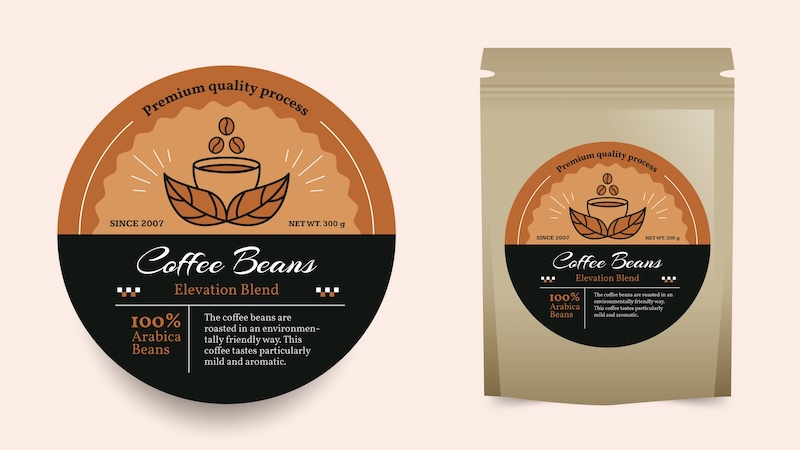
While sustainability features differentiate your brand in competitive markets, understanding the financial and operational logistics of custom coffee bags determines whether your packaging strategy remains viable long-term. Pricing structures, minimum order requirements, and production timelines directly impact cash flow, inventory management, and your ability to respond to market opportunities.
Traditional packaging manufacturers often enforce minimum order quantities ranging from 5,000 to 10,000 units, creating significant barriers for emerging coffee roasters and small-batch operations. These requirements force businesses to commit substantial capital to inventory before validating product-market fit or establishing consistent sales velocity. A coffee bag order of 5,000 units at $0.75 per bag represents a $3,750 investment plus storage costs, a prohibitive expense for startups operating on limited budgets.
No minimum order suppliers have transformed accessibility for small-scale operations. These providers allow businesses to purchase custom coffee bags in quantities as low as 50 to 250 units, enabling startups to test multiple designs, gather customer feedback, and refine branding without overextending financially. This flexibility proves particularly valuable when launching seasonal blends or limited-edition offerings that require distinct custom label designs without long-term inventory commitments.
The pricing structure for low-minimum orders typically operates on a tiered model. Ordering 100 custom coffee bags might cost $2.50 to $4.00 per unit, while scaling to 500 units reduces the per-bag cost to $1.50 to $2.25. Although per-unit costs remain higher than bulk orders, the total cash outlay stays manageable. A 100-bag order at $3.00 per unit requires $300 compared to $3,750 for traditional minimum quantities, preserving working capital for other operational needs like equipment, marketing, or ingredient sourcing.
Small-batch producers benefit from improved inventory turnover rates when ordering smaller quantities more frequently. Rather than warehousing thousands of coffee bags that risk obsolescence if branding evolves or packaging regulations change, businesses can maintain lean inventory levels aligned with actual demand. This approach reduces storage costs, minimizes waste from outdated packaging, and maintains product freshness by ensuring coffee bags spend less time in storage before use.
Digital printing technology enables economical production of low-volume custom coffee orders. Unlike traditional flexographic or rotogravure printing that requires expensive plate creation, digital printing eliminates setup costs that traditionally justified high minimum orders. This technology allows for cost-effective customization even on small runs, making it feasible to produce 200 bags with full-color custom label designs at reasonable per-unit prices.
Lead times for no-minimum orders generally range from 7 to 21 business days depending on customization complexity and supplier capacity. Standard custom coffee bags with single-color printing typically ship within 10 business days, while multi-color designs with specialty finishes may require 15 to 21 days. Rush production options sometimes reduce timelines to 5 to 7 business days for premium fees, providing flexibility when launching time-sensitive products or responding to unexpected demand spikes.
Payment flexibility accompanies many no-minimum suppliers, accepting credit cards, PayPal, and Apple Pay rather than requiring wire transfers or net-payment terms typical of wholesale relationships. This payment accessibility simplifies procurement for small businesses without established vendor credit and provides standard consumer protections through familiar payment platforms.
Startups should evaluate true cost-per-sale when comparing low-minimum versus bulk ordering. While bulk orders offer lower per-unit costs, capital tied in excess inventory, potential obsolescence risks, and storage expenses often offset apparent savings. A comprehensive analysis considers cash flow timing, inventory carrying costs estimated at 20 to 30 percent annually, and the strategic value of maintaining packaging flexibility during early growth phases when brand identity and product offerings frequently evolve.
After evaluating pricing structures, order minimums, and production timelines, the next critical step involves selecting a packaging partner who aligns with your brand vision and operational needs. The right custom coffee bag supplier becomes an extension of your business, influencing product presentation, customer perception, and ultimately your market success.
A reliable custom coffee bags partner should demonstrate comprehensive knowledge of coffee packaging materials and their performance characteristics. Look for suppliers who understand the specific requirements of coffee storage, including oxygen barrier properties, moisture resistance, and valve functionality. Request samples of their custom coffee bag products to assess print quality, seal integrity, and material thickness. Premium suppliers typically offer 3 to 5 mil thickness options for stand-up pouches, with higher mil counts providing enhanced durability for larger bag sizes. Examine how custom label applications adhere to bag surfaces and whether printing remains vibrant without cracking or fading. Quality partners will provide detailed specifications for each coffee bag type, including barrier ratings measured in oxygen transmission rates and water vapor transmission rates.
Your packaging partner should offer robust design support that transforms your brand identity into compelling custom coffee packaging. Evaluate their design services by reviewing portfolio examples that demonstrate versatility across different coffee brands and styles. Strong suppliers provide access to graphic designers who understand coffee industry aesthetics and can optimize artwork for various printing methods. Check whether they support multiple customization approaches, from full custom printing to more economical custom label coffee solutions that allow frequent design updates without reprinting entire bag inventories. Ask about file format requirements, color matching processes using Pantone systems, and proofing procedures before production begins. The best partners offer digital mockups or physical samples that accurately represent final custom coffee bag appearance, helping you avoid costly revisions.
Choose a coffee bag supplier whose production capabilities match your current volume while accommodating future growth. Assess their minimum order quantities across different product lines, as some manufacturers may waive minimums for certain stock sizes with custom label applications while requiring higher volumes for fully printed bags. Request detailed information about their production capacity and typical order fulfillment rates to ensure they can scale with your business during peak seasons or promotional periods. Flexible partners maintain inventory systems that allow reordering without design fees and offer warehousing options for larger production runs. Consider suppliers who provide both quick-turn services for small batches and competitive pricing for volume orders, giving your brand flexibility as market demands shift.
Responsive communication separates exceptional custom coffee packaging partners from average suppliers. Evaluate how quickly they respond to initial inquiries and whether they assign dedicated account representatives who understand your specific needs. Quality suppliers proactively address potential issues like artwork resolution problems, color calibration requirements, or structural concerns before production begins. They should explain technical specifications in accessible language, helping you understand trade-offs between different coffee bag materials, closure systems, and printing methods. Ask about their quality control processes, including inspection protocols and defect rates. Reliable partners stand behind their work with clear policies addressing damaged shipments, printing errors, or material defects.
Verify that potential custom coffee bag suppliers meet relevant food safety and regulatory standards for the United States market. Reputable manufacturers maintain FDA-compliant facilities and use food-grade materials certified for direct contact with coffee products. Request documentation confirming their materials meet FDA regulations, particularly for bags with direct food contact or those incorporating recycled content. If your brand prioritizes sustainability, look for partners holding certifications like BPI compostability, FSC chain-of-custody for paper components, or third-party verified recyclability claims. Suppliers serving specialty coffee markets should understand labeling requirements and provide guidance on incorporating legally compliant nutritional panels, allergen statements, or organic certifications into your custom label designs.
While competitive pricing matters, the lowest-cost custom coffee bags may not deliver optimal long-term value. Consider the total cost of partnership, including design support, storage services, expedited production options, and replacement policies for defective products. Calculate whether bulk discounts justify larger inventory investments or if flexible smaller orders better suit your cash flow and product variety. Premium suppliers often provide value-added services like market trend insights, packaging innovation updates, and consultation on emerging materials that could differentiate your brand. Evaluate their investment in technology, such as digital printing capabilities that reduce setup costs for smaller runs or advanced barrier testing equipment ensuring your coffee bag specifications match actual performance. The right partner views your success as interconnected with theirs, offering strategic guidance that extends beyond simple order fulfillment.
Selecting a custom coffee packaging partner requires balancing immediate needs with long-term brand objectives. Prioritize suppliers demonstrating material expertise, design capabilities, production flexibility, responsive communication, regulatory compliance, and genuine commitment to your brand success. This partnership shapes how customers experience your coffee from first visual impression through final cup, making supplier selection one of your most strategic business decisions.
After carefully evaluating potential partners and understanding the production landscape, it's time to consolidate the essential insights that will guide your custom coffee bags strategy. Whether you're launching a new brand or refreshing an existing line, these core principles will help you navigate the process with confidence and achieve packaging that truly represents your coffee's quality.
Successful custom coffee bag projects begin with thorough planning rather than rushed decisions. Define your brand identity, target audience, and budget parameters before requesting quotes. Understanding whether you need biodegradable materials, valve technology, or specific barrier properties ensures you communicate effectively with manufacturers. Small businesses benefit from starting with standard sizes and gradually customizing as order volumes increase, while established roasters can explore fully bespoke coffee packaging solutions that differentiate their premium offerings.
Your choice of coffee bag materials affects both product preservation and brand perception. Kraft paper with foil liners provides excellent moisture barriers while projecting an artisanal aesthetic, whereas metallized films offer superior oxygen protection for specialty beans. Consider how your custom coffee bags will be stored and displayed—retail shelf presence demands different specifications than direct-to-consumer shipping. Match material durability to your distribution channels, and always request samples to evaluate thickness, seal integrity, and how custom label applications perform on different substrates.
Manufacturers impose minimums ranging from 500 to 10,000 units depending on customization complexity. Fully printed custom coffee bags with multiple colors typically require higher minimums than stock bags with custom label overlays. Startups should explore hybrid approaches: purchase blank coffee bags in bulk and apply custom labels as needed, reducing upfront inventory costs while maintaining brand consistency. As your volume grows, transition to direct printing for better durability and more sophisticated designs that enhance shelf appeal.
Production timelines for custom coffee bags typically span three to six weeks after artwork approval, with digital printing offering faster turnaround than traditional plate-based methods. International shipping adds another two to four weeks, making domestic manufacturers attractive for businesses requiring quick restocks. Plan seasonal packaging changes at least eight weeks in advance, and maintain safety stock to avoid gaps that force temporary generic packaging. Rush services exist but carry premium pricing—factor these costs into your budget for time-sensitive launches.
Before committing to large production runs, order samples of your custom coffee bags and conduct real-world testing. Fill bags with actual product, seal them using your equipment, and monitor freshness over your typical shelf life period. Evaluate whether valves function properly, zippers open smoothly, and custom labels remain legible after handling. This validation phase identifies design flaws or material incompatibilities early, saving thousands in wasted inventory and protecting your brand reputation.
FDA regulations govern food-contact materials, requiring that coffee bag components meet safety standards for direct product contact. Verify your manufacturer provides compliance documentation, especially for innovative materials or recyclable options. Sustainability credentials increasingly influence purchasing decisions—communicate your packaging choices transparently through custom labels that highlight compostable materials or recycling instructions. Balance environmental goals with functional requirements; truly sustainable coffee packaging preserves product quality while minimizing waste.
The right custom coffee bag partner becomes a strategic asset rather than just a vendor. Manufacturers who understand coffee industry demands offer valuable guidance on material innovations, design trends, and cost optimization strategies. Cultivate relationships with suppliers who respond promptly, maintain consistent quality, and accommodate evolving needs as your business scales. Regular communication about forecasts and new product development helps partners allocate production capacity and suggest improvements that enhance your packaging performance.
Custom coffee bags serve as mobile advertisements for your brand, making design consistency across product lines essential. Establish clear brand guidelines covering color palettes, typography, and logo placement before creating artwork. Whether using full custom printing or custom label coffee approaches, maintain visual coherence that helps consumers instantly recognize your products. Small design details—distinctive shapes, unique closure systems, or signature color combinations—create memorable shelf presence that converts browsers into buyers and builds long-term customer loyalty.
What minimum order quantity should I expect for custom coffee bags?
Most manufacturers require 500 to 5,000 units for custom coffee bags. Stock pouches with custom labels start at 250 units, ideal for small roasters. Digital printing has reduced minimums significantly. Consider storage capacity and sales velocity when ordering.
How long does the custom coffee bag production process take?
Stock bags with custom labels ship within 7 to 14 business days. Fully custom coffee bags require 4 to 8 weeks from approval to delivery. Factor in 1 to 2 weeks for design iterations. Plan seasonal orders at least 10 weeks before launch dates.
What file formats and specifications do I need for custom label designs?
Provide vector files in Adobe Illustrator format or high-resolution PDFs at 300 DPI minimum. Include 0.125-inch bleed areas and keep text 0.25 inches from edges. Use CMYK color specifications for accurate printing. Request physical proofs before full production runs.
Are custom coffee bags food-safe and compliant with FDA regulations?
Reputable manufacturers use FDA-approved materials meeting food contact requirements. Brand owners must ensure custom label copy complies with FDA regulations, including ingredient lists, allergen warnings, and net weight declarations. Avoid unsubstantiated health claims.
How do I calculate the right coffee bag size for my product?
Whole bean coffee requires 30 percent more volume than ground coffee. A 12-ounce whole bean bag needs 750 to 900 cubic inches, while ground coffee needs 600 to 750 cubic inches. Leave 1 to 2 inches of headspace for sealing and degassing valves.
Can I use the same custom coffee bag design for multiple products?
Create a cohesive visual system sharing core design elements while varying specific details for different blends. Use consistent custom label templates with variable fields for product names and roast levels. This reduces design costs while building brand recognition.
What sustainability options exist for custom coffee bags?
Options include compostable films from plant-based materials, recyclable mono-material structures, and bags with post-consumer recycled content. Compostable coffee bags break down in commercial facilities within 12 to 16 weeks. Include clear disposal instructions on custom labels.
How much should I budget for custom coffee bags?
Stock bags with custom labels cost 0.15 to 0.45 dollars per unit for 1,000 to 5,000 bags. Fully custom coffee bags with specialized features range from 0.35 to 1.20 dollars per unit. Setup fees add 150 to 500 dollars. Budget 8 to 12 percent of wholesale coffee price for packaging costs.
After exploring the essential elements of custom coffee bags, from design principles to sustainability considerations, it becomes clear that packaging decisions significantly impact both brand perception and product quality. Whether you are launching a new roastery or refining an established coffee brand, investing in thoughtfully designed custom coffee bags positions your products for success in an increasingly competitive marketplace.
Custom coffee packaging serves as more than protective material; it functions as a silent sales representative that communicates your brand values, quality standards, and attention to detail. Every design choice, from the selection of barrier materials to the placement of custom label elements, contributes to the overall customer experience. Coffee bags that effectively balance aesthetic appeal with functional performance create memorable touchpoints that encourage repeat purchases and organic word-of-mouth marketing.
The transition toward sustainable coffee bag solutions reflects broader consumer expectations within the United States market. Modern coffee consumers increasingly scrutinize packaging choices, favoring brands that demonstrate environmental responsibility without compromising product freshness. By incorporating compostable films, recyclable materials, or reusable designs, you align your brand with values that resonate deeply with target audiences while contributing to meaningful environmental progress.
Technical specifications matter just as much as visual design. The coffee bag materials you select must maintain optimal freshness by protecting against oxygen, moisture, and light exposure. Degassing valves, resealable zippers, and appropriate barrier layers work together to preserve the complex flavor profiles that distinguish specialty coffee. These functional features enhance customer satisfaction by ensuring that each cup delivers the intended taste experience from first brew to last.
Your custom label strategy bridges the gap between regulatory compliance and brand storytelling. Labels must clearly communicate required information such as roast date, origin details, and preparation recommendations while simultaneously conveying brand personality through typography, color schemes, and messaging. This dual purpose requires careful planning to create labels that inform, engage, and inspire confidence in your coffee products.
 English