What if the biggest risk in global sourcing is not choosing China, but choosing the wrong factory in China? That question sits at the center of this guide. For many buyers, China remains the most practical place to scale production because it combines mature industrial clusters, broad supplier networks, and manufacturing depth across categories, from consumer goods to engineered components.
For procurement teams and brand owners, the real challenge is not whether to source there, but how to find a manufacturer in China that can deliver consistent quality, stable lead times, and clear communication. In other words, the opportunity is strong, but only if your process is disciplined.
China continues to stand out because its ecosystem is interconnected. Raw material vendors, tooling shops, packaging providers, and logistics partners often operate in close proximity, which can reduce handoff friction and speed up iteration. This matters when you are refining samples, adjusting specifications, or managing seasonal demand spikes. It also matters for cost control: unit price is only one line item, while rework, delays, and quality failures can become far more expensive.
The process of finding a reliable manufacturer in China should include supplier screening, capability checks, sample validation, and ongoing quality controls before purchase orders become routine. The approach is less about shortcuts and more about verification discipline.
To frame what comes next, here are the core priorities this guide will unpack:
Define technical and commercial requirements before outreach.
Build a qualified shortlist instead of chasing the lowest quote.
Run supplier evaluation with clear scoring criteria.
Complete supplier evaluation & verification in China before scaling orders.
Protect timelines and quality through structured communication and checkpoints.
A manufacturer in China can help reduce blind spots, especially during early qualification. The key is to treat support partners as part of a verification workflow, not a replacement for it.
In the sections ahead, you will see how to move from initial search to confident factory selection, including where supplier audits, evaluation verification, and practical due diligence fit into each step. You will also learn how to interpret the pricing of a manufacturer in China, rather than as stand-alone decision factors. This introduction sets the stakes: sourcing success depends on choosing the right factory, not just finding any factory.
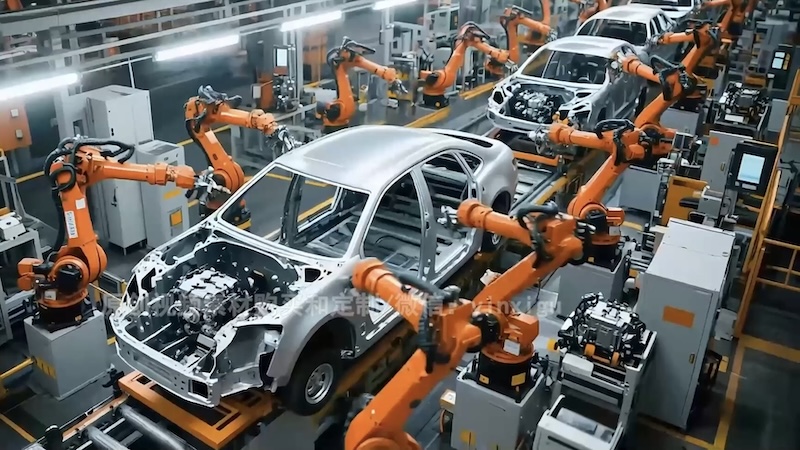
China’s scale and supplier depth create real opportunity, but those advantages only pay off when your requirements are clear before outreach. If you want to find a manufacturer in China that truly fits your business, your first filter is not a directory. It is your own specification, volume, and cost framework.
A reliable process to find a manufacturer in China starts with a written product brief detailed enough that two factories would interpret it the same way. Include materials, dimensions, tolerances, finishes, performance targets, packaging, labeling, and test expectations. For example, if you sell consumer products, define drop resistance, color consistency, and carton strength rather than asking for “good quality.”
Also document what is acceptable, what is not, and how inspection will be handled before shipment. This reduces rework, delays, and disputes during sampling and production. Many teams compare reviews of a manufacturer in China too early, but reviews are far more useful after your quality criteria are fixed. Clear standards make supplier evaluation and verification objective instead of subjective.
Manufacturing fit is as much about operations as product design. Before contacting any find a manufacturer in China company, set your target MOQ range, ideal first order size, and replenishment model. Your MOQ should reflect sales velocity, warehouse capacity, and cash tied up in inventory. A lower MOQ can reduce risk at launch, while a higher MOQ may improve unit economics if demand is stable.
Timeline planning should include tooling, sampling revisions, pilot runs, mass production, and freight buffers. Ask potential partners to confirm realistic lead times by phase, not just one final date. This improves find a manufacturer in China pricing comparisons because faster delivery or lower MOQs may change total landed cost. It also helps you identify a trusted China partner that can scale without breaking delivery commitments.
Cost planning should go beyond unit price quotes. Build a baseline model that includes tooling, sampling, packaging, inspections, freight, duties, payment terms, and contingency for changes. This gives your team a true cost view of a manufacturer in China and prevents selecting a factory based on incomplete numbers.
Use a simple three-band budget to guide conversations:
Target unit cost for sustainable margin.
Maximum acceptable landed cost for launch.
Stretch budget if quality or speed meaningfully improves revenue outcomes.
When you engage a find a manufacturer in China service or internal sourcing team, this budget structure keeps negotiations focused and practical. It also clarifies whether you need a value-engineering discussion, alternative materials, or a different supplier profile. In short, requirement clarity in Step 1 turns factory searching from guesswork into disciplined supplier evaluation.
With your specs, MOQ range, timeline, and target pricing already set, platform choice now becomes a filtering tool, not a guessing game. The right channel helps you find a manufacturer in China faster while reducing mismatches that waste sampling budget and launch time.
Alibaba works best when you treat it like a structured search process. Start with precise filters for product category, business type, and production capability, then compare suppliers against your required tolerances and order volumes. For a reliable finding a manufacturer in China process, review company profiles for operating history, factory details, and transaction patterns rather than relying on a single badge.
Shortlist suppliers that answer technical questions clearly, confirm tooling ownership terms, and provide consistent lead-time estimates. Ask for recent quality control documents and sample workflow details before requesting quotations. If your team needs extra support, this is where a service to find a manufacturer in China or third-party supplier evaluation can help validate whether the profile matches real production strength.
Made-in-China.com can complement Alibaba by surfacing different supplier pools and factory specialties. Use it to cross-check vendors, compare catalog depth, and verify whether key claims stay consistent across platforms. If one profile lists different capabilities or MOQ terms elsewhere, treat that as a verification flag and ask direct follow-up questions.
Alternative marketplaces are useful for niche categories, but keep your screening criteria identical so comparisons stay fair. Focus on communication quality, technical precision, and responsiveness under realistic timelines. For find a manufacturer in China pricing, request line-item quotes that separate unit cost, tooling, packaging, and freight assumptions. That structure gives better visibility into true find a manufacturer in China cost and helps prevent surprise revisions later.
Digital platforms are efficient, but trade shows add context you cannot get from listings alone. Events such as the Canton Fair let you compare multiple factories in one trip, inspect sample quality directly, and assess whether teams can discuss process control with confidence. For buyers pursuing a trusted manufacturer in China outcome, face-to-face conversations often reveal how suppliers handle changes, defects, and production pressure.
To keep meetings productive, arrive with a short technical brief, target pricing bands in dollars or pounds, and sample expectations. After the event, document each conversation and continue with structured supplier evaluation and verification before placing trial orders. This combined online-offline approach is often the most practical path for companies that want to find a manufacturer in China partner with long-term reliability, not just a low first quote.
After scanning Alibaba, Made-in-China, and trade show leads, you now have names. Step 3 turns that long list into a working shortlist you can trust. This is where teams reduce sourcing risk, protect launch timelines, and avoid expensive rework during product development and sourcing.
Start by reading supplier profiles like an operations checklist, not a sales brochure. Verification badges are useful, but they are only a first filter. A reliable finding a manufacturer in China process checks whether profile claims match details such as business scope, factory location, years in operation, and export experience in your category.
Focus on consistency: if a supplier claims complex assembly capability, the profile should also show relevant machinery, process photos, and technical staffing. If details are vague or contradictory, move that supplier down your list. For many buyers, find a manufacturer in China strategy means combining platform verification with direct questions about certifications, subcontracting, and quality control ownership before requesting samples.
Catalogs help you see whether a factory is truly aligned with your product or just reselling broadly. Look for depth, not volume. A focused catalog with variations in materials, tolerances, finishes, and packaging usually signals stronger manufacturing capability than a massive mixed catalog with unrelated products.
Use this quick qualification screen:
Does the catalog show products similar in complexity to yours?
Can the supplier explain tooling, lead times, and revision handling clearly?
Are MOQ, sampling terms, and find a manufacturer in China pricing logic transparent?
Do photos and specs look production-grade rather than copied marketplace content?
Can they support design changes tied to your product development roadmap?
This is also where a find a manufacturer in China service or experienced sourcing team can add value by translating technical requirements into comparable supplier scorecards.
Reviews are most useful when you read patterns, not isolated praise or complaints. Prioritize comments about communication speed, defect handling, delivery reliability, and how the factory responded when problems occurred. Those behaviors often predict day-to-day performance better than polished profile language.
Transaction history helps validate whether the supplier regularly ships order sizes and product types like yours. A factory that repeatedly fulfills similar projects is usually a safer fit than one with only occasional relevant orders. During qualification, track this evidence in a simple matrix so procurement, engineering, and finance can make one decision together.
If you want a reliable manufacturer in China workflow, shortlist only suppliers that pass all three checks: profile credibility, capability fit, and review consistency. That discipline keeps Step 4 discussions focused on real partners instead of uncertain options.
After you compare profiles, product depth, and transaction history, you have a workable shortlist. Now you need proof that each candidate is a real, compliant operation before you commit budget, tooling, or launch timelines. This is where a reliable manufacturer in China vetting process separates low-risk partners from costly mistakes.
Early warning signs often appear in communication and documentation long before production starts. Watch for suppliers that avoid direct answers, refuse video calls from the factory floor, or push unusually fast deposits without clear milestones. Another common issue is inconsistent company identity, such as different legal names across invoices, bank accounts, and platform profiles.
Use this quick filter when you find a manufacturer in China:
Pricing that is far below every comparable quote, with vague material specs.
Reluctance to share business registration details or redacted documents.
Pressure to pay only through personal accounts or non-traceable channels.
Repeated changes in sales contact with no stable account ownership.
Samples that do not match catalog photos, tolerances, or finish claims.
These signals do not always prove fraud, but they do raise operational risk and can damage your finding a manufacturer in China cost and delivery assumptions.
Workflow to find a manufacturer in China includes formal entity verification, not just platform badges. Ask for the full business license in Chinese and English translation, then confirm the legal company name, registration number, address, business scope, and operating status match all commercial documents. If a supplier claims to be a factory, the registered scope should support manufacturing activity rather than only trading.
Also validate payment alignment. The beneficiary account should match the registered company name, especially for deposit and balance payments. If details do not match, pause and request clarification in writing. For importers comparing manufacturer pricing across several candidates, this simple check protects both cash flow and contract enforceability.
Documents matter most when they are current, relevant, and verifiable. Request recent factory audit reports that cover ownership, facility capacity, quality systems, and social compliance basics. Ask which production lines are in-house versus outsourced, because this affects lead times, defect control, and communication speed.
For certifications, focus on those tied to your product category and buyer requirements, not a long list of unrelated logos. Confirm certificate numbers, issuing bodies, and expiry dates. If you use a service to find a manufacturer in China, require them to explain how audit findings affect sourcing decisions and supplier ranking. This ties due diligence directly to product development and sourcing outcomes, helping you choose a partner that can scale with fewer surprises.
Done well, Step 4 turns shortlist confidence into real operational confidence. It helps you move from hopeful sourcing to a reliable find a manufacturer in China decision backed by evidence.
After verifying licenses, audit records, and core compliance documents, your communication process becomes the real test of execution quality. This stage helps you find a manufacturer in China that is not only legitimate on paper, but practical, responsive, and aligned with your product goals.
Your first message should read like a serious buying brief, not a casual price request. If you want good outcome to find a manufacturer in China, include product specs, target order volume, quality standards, packaging needs, and expected timeline in one structured inquiry. Ask focused questions: Can they produce your exact materials? What is their sample process? Who owns tooling? How do they handle defects?
Keep your message concise, professional, and easy to scan. Many teams compare buyers by how clearly they communicate requirements. A strong inquiry also improves pricing discussions because factories can quote with fewer assumptions. If your product is still evolving, state that early and ask whether they support product development and sourcing with engineering feedback.
Clear communication matters, but relationship quality also influences speed and cooperation. In practice, many manufacturers respond better when buyers show consistency, patience, and respect for process. Keep requests direct but courteous, avoid aggressive language, and confirm key points in writing after calls. This reduces misunderstandings and creates a record for technical decisions.
Decision-making may involve multiple internal stakeholders, so immediate yes or no answers are not always realistic. Instead of pushing for instant commitments, set milestones for sample approval, quotation updates, and production readiness. This approach is especially useful when working with a service to find a manufacturer in China that coordinates between your team and factory contacts.
Response timing can affect sourcing momentum as much as unit cost. Set communication rules early: preferred channel, response window, and escalation contact for urgent issues. A simple rule like "reply within one business day" keeps projects moving without constant follow-up. Share one living document for specifications and revision history so both sides track updates accurately.
For teams in North America or Europe, batching questions into one daily message often works better than sending fragmented requests. It reduces back-and-forth and improves answer quality. During sampling and pre-production, schedule recurring check-ins at overlapping hours and circulate written action items afterward. These habits support finding a manufacturer in China process and make handoffs smoother if you later engage a product development company for scaling.
Strong communication is how vetted suppliers become dependable production partners. When expectations, etiquette, and timing are managed well, you reduce costly rework and move from supplier screening to confident factory execution.
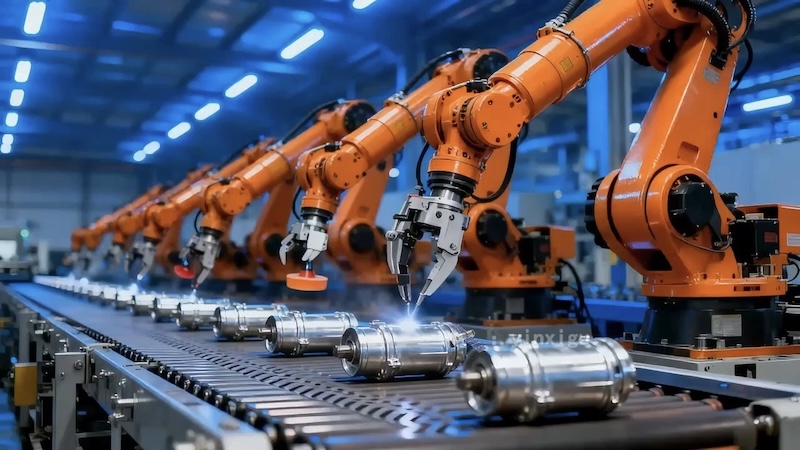
Clear outreach and culturally aware communication only create value when they support disciplined supplier selection decisions. With that context, these points summarize how to find a manufacturer in China with fewer risks and better long-term fit.
Define requirements before outreach. A reliable process to find a manufacturer in China starts with clear product specs, quality standards, order volume expectations, and target find a manufacturer in China cost boundaries. This prevents misaligned quotes and helps compare factories on the same criteria.
Build a structured longlist, then narrow it with evidence. Use consistent screening criteria such as product focus, production capability, communication quality, and responsiveness. If you use experts to find Chinese suppliers, keep ownership of your shortlist logic so decisions remain objective.
Validate legitimacy before discussing final terms. A trusted supplier evaluation in China requires confirming registration details, certifications, and audit documentation, while watching for red flags like vague answers, inconsistent records, or pressure to move quickly without proof.
Compare pricing in full context, not by unit cost alone. Sound pricing evaluation includes tooling, sampling, quality control effort, packaging, lead-time impact, and payment terms. Lower quotes can create higher total cost when defects, delays, or rework are likely.
Treat communication performance as an operational signal. Consistency, clarity, and follow-through during early exchanges often reflect how production issues will be handled later. This is especially useful when reviewing find a manufacturer in China reviews and selecting a find a manufacturer in China company for ongoing cooperation.
Together, these takeaways keep the seven-step framework practical: prioritize fit, verify claims, and make decisions based on comparable evidence rather than speed or promises.
Fast replies are helpful, but reliability shows up in consistency. Ask for a current business license, recent production references, and sample quality records from the same product category. Then compare what the sales contact says with what operations can confirm during calls or audits. If details stay consistent across documents, conversations, and sample output, you are closer to a reliable find a manufacturer in China decision.
It depends on your team capacity and product complexity. Direct outreach can reduce intermediary fees, but it requires stronger internal vetting and project management. A China supplier evaluation service can speed factory screening, communication, and follow-up if your team is small or new to cross-border sourcing. For technical products, many buyers use a hybrid model: shortlist factories directly, then bring in find a manufacturer in China experts for verification and negotiation support.
Your first budget should include more than unit price. Plan for samples, testing, tooling (if needed), shipping, duties, and rework risk. Buyers often underestimate total cost of China suppliers by focusing only on quotes. A practical approach is to request tiered manufacturer pricing at multiple order volumes, then model your landed cost per unit before choosing a factory.
For most categories, compare at least three qualified factories. Fewer than three limits your leverage on pricing, lead times, and quality terms. More than five can slow decisions without adding much value unless your product is highly specialized. Keep your comparison criteria fixed so you can make a clean side-by-side review.
| Comparison Area | What to Check | Why It Matters |
|---|---|---|
| Capability fit | Similar products and process match | Reduces trial-and-error production issues |
| Quality control | In-process checks and final inspection method | Lowers defect and rework risk |
| Commercial terms | MOQ, payment milestones, tooling ownership | Protects cash flow and IP position |
| Communication | Response quality, not just speed | Prevents costly misunderstandings |
For new relationships, avoid paying 100% upfront. A common structure is deposit plus balance after inspection or before shipment. Use payment methods that preserve traceability, and ensure your pro forma invoice matches agreed specs and milestones. If terms are unusually rigid, treat that as a risk signal and revisit verification.
Use directories and reviews as a starting filter, not final proof. Some profiles are outdated, and review quality varies. Validate any promising lead with independent checks: legal registration, product-specific references, sample evaluation, and third-party audit evidence. This is especially important when evaluating a trusted find a manufacturer in China company claim.
For straightforward products, many teams complete screening, sampling, and final selection in several weeks. Complex products can take longer due to engineering revisions and compliance checks. Build buffer time for sample iterations and holiday schedules so your launch plan stays realistic.
Rushing from quote to purchase order without a clear specification package. Even a good factory cannot deliver consistent results from vague requirements. Define materials, tolerances, packaging, inspection criteria, and acceptable defect levels before placing an order. This single step improves outcomes whether you work with a direct factory or a find a manufacturer in China company.
Q1: How to find a real manufacturer in China?
To find a real manufacturer in China, start by attending trade fairs like the Canton Fair where you can meet factory representatives directly and verify their legitimacy. Request business licenses, factory certifications, and conduct video factory tours before committing. Use platforms like Alibaba strategically by checking supplier verification badges and transaction history. Always conduct third-party factory audits and ask for existing client references. The key is distinguishing actual manufacturers from trading companies by requesting proof of production capacity, visiting facilities when possible, and verifying their specialization matches your product category.
Q2: How to search for manufacturers in China?
Search for manufacturers in China through multiple channels for best results. Use B2B platforms like Alibaba, Made-in-China, and Global Sources to identify potential suppliers. Attend industry-specific trade shows in China to meet manufacturers face-to-face. Engage sourcing agents or third-party inspection companies who have established factory networks. Leverage LinkedIn and industry associations to find vetted suppliers. When searching, use specific product keywords, filter by verified suppliers, and focus on manufacturers within established industrial clusters relevant to your product category for better quality and supply chain support.
Q3: What are the essential steps to find a manufacturer in China?
Finding a manufacturer in China requires a disciplined 7-step process: First, define your product specifications and requirements clearly. Second, identify potential suppliers through multiple sourcing channels. Third, conduct initial vetting by checking certifications and business credentials. Fourth, request samples and evaluate quality standards. Fifth, negotiate terms including pricing, MOQs, and lead times. Sixth, conduct factory audits or third-party inspections to verify production capabilities. Finally, start with a trial order before scaling up. This systematic approach minimizes risks and helps establish relationships with reliable manufacturing partners.
Q4: Why do businesses still choose China to find a manufacturer?
Businesses continue to find a manufacturer in China because of its unmatched manufacturing ecosystem. China offers mature industrial clusters where raw material suppliers, tooling shops, packaging providers, and logistics partners operate in close proximity. This creates efficiency in production scaling and problem-solving. The country provides manufacturing depth across virtually all product categories, from consumer goods to engineered components. Additionally, China's broad supplier networks enable competitive pricing, flexible production volumes, and access to specialized expertise that's difficult to replicate elsewhere, making it practical for brands looking to scale production efficiently.
If your goal is to find a manufacturer in China without costly rework, use the process as a filter, not a checklist you rush through. Strong outcomes usually come from clear requirements, careful shortlisting, verification, sample validation, and practical negotiation before production begins. That is how teams move from a hopeful inquiry to a dependable supply relationship.
As you make your final choice, keep your decision criteria visible and weighted. A reliable find a manufacturer in China approach should prioritize communication quality, consistency, and documented capability over the lowest quote alone. Trusted China suppliers are earned when they can meet your specifications repeatedly, not just promise to do so during outreach.
Use this short final decision screen before committing:
Confirm technical fit: The factory has demonstrated it can produce your exact product requirements, tolerances, materials, and packaging standards.
Confirm operational fit: Lead times, capacity, quality controls, and escalation contacts are clearly documented and realistic for your launch plan.
Confirm commercial fit: Unit economics, tooling terms, payment milestones, and total landed assumptions align with your target margins.
Confirm risk fit: Verification records, sample outcomes, and contract clarity reduce avoidable surprises during production and shipping.
If any item is still uncertain, pause and resolve that gap first. This protects your timeline and budget better than pushing forward with incomplete information. It also helps you evaluate a manufacturer in China cost in context, rather than comparing numbers without understanding quality and delivery risk.
Your concrete next step is simple: pick your top two candidate factories, score each against the same criteria today, and schedule a final qualification call within one business week. That single action turns research into momentum and gives you a structured path to selecting a manufacturer in China that fits your product, your standards, and your growth plan.
 English