How do you source artificial flowers from China without ending up with samples that look perfect in photos but fail in real-world use? That question sits at the center of this guide, because buyers are often balancing style, consistency, lead times, and quality control at the same time.
Interest in artificial flowers manufacturers in China keeps growing among retailers, event businesses, wholesalers, and private-label brands. The appeal is clear: wide product variety, flexible production options, and scalable output. Yet sourcing success is not guaranteed. Two factories can offer similar catalogs while delivering very different outcomes in color accuracy, stem durability, packaging quality, and communication speed.
This article is built for informational research, especially if you are still comparing options and defining your process. Instead of pushing a single shortcut, it will walk through a practical framework for evaluating reliable artificial flowers manufacturers in China and reducing avoidable sourcing risk before large orders are placed.
To set expectations, we will focus on decisions that matter early and often:
Product and factory matching, including material choices, finish quality, and production fit for your market.
Verification and inspection checkpoints that help confirm consistency beyond initial samples.
Communication and documentation habits that make requirements clear and measurable.
Order execution factors such as timelines, packaging standards, and defect handling.
How sourcing support, including artificial flowers manufacturers in China service workflows, can help structure quality assurance when internal resources are limited.
Along the way, we will also clarify how buyers distinguish attractive pricing from dependable delivery, and what signals often separate trusted artificial flowers manufacturers in China from factories that are difficult to scale with. The goal is to help you build a sourcing path that is practical, repeatable, and quality-focused from inquiry to shipment.

Building on the introduction, this section gives you market context before you shortlist suppliers. If you understand how production is organized across China, you can source faster, compare quotes more accurately, and set practical quality controls from the start.
China leads this category because it combines scale, mature supply chains, and flexible factory operations. Buyers can source silk flowers, plastic stems, fabric leaves, packaging materials, and seasonal accessories through tightly connected industrial networks. For importers, that means shorter lead times on design revisions and easier mixed-SKU orders.
Another advantage is manufacturing range. You will find both high-volume factories and smaller workshops serving niche styles, which helps when you need either low-cost mass production or more detailed decorative lines. Many artificial flowers manufacturers in china also support private labeling and custom packaging, useful for retail and event businesses that need differentiated product presentation.
A further reason China remains competitive is process specialization within the same supply ecosystem. One partner may focus on dye consistency, another on stem injection, and another on final assembly and bouquet composition. Because these supporting capabilities are geographically close in major clusters, suppliers can coordinate adjustments quickly when buyers request color changes, bundle redesigns, or retailer-specific packaging. This network effect often reduces development friction compared with fragmented sourcing regions where each component travels longer distances between factories.
Each hub has a different sourcing strength, so location affects your supplier strategy.
Yiwu: Best known for dense wholesale markets and wide SKU variety. It is efficient for trend scouting, small mixed orders, and early product testing.
Hangzhou: Often associated with design-forward products and better finishing standards, suitable for premium home decor lines.
Qingdao: Useful for export-oriented production with practical logistics links for consolidated shipments.
Tianjin: Supports northern supply chains and can be relevant when balancing inland and port-side sourcing.
Shenzhen: Strong in rapid product development and packaging innovation, especially when presentation and branding matter.
For many buyers, combining two hubs works better than relying on one city. You can source core volume in one location and specialized styles in another, then unify standards through a china quality inspection service agency before shipment.
In real projects, buyers often pair Yiwu for assortment breadth with either Hangzhou or Shenzhen for upgraded finish and packaging. This hybrid model is especially useful for businesses running tiered catalogs, such as a value line for seasonal volume and a premium line for year-round decor. Instead of forcing one supplier to do everything equally well, buyers allocate SKUs by strength and use centralized QA documentation to keep the brand experience consistent.
Production capacity in this sector is broad, but not uniform. Some factories run stable lines all year, while others scale around holiday calendars and wedding seasons. During peaks, sampling and production slots tighten, so early forecasting is critical.
When evaluating reliable it, focus on operational indicators you can verify: material consistency across batches, defect handling, photo proofing before dispatch, and carton-level inspection readiness. Many trusted the concept can meet quality expectations, but only when specifications are clear and inspection checkpoints are defined in advance.
In practice, the landscape rewards structured sourcing. Map supplier clusters, request comparable samples, and align production with independent quality inspection. This approach turns market scale into a business advantage instead of a quality risk.
China’s production scale and specialized city clusters give buyers a wide catalog, but material choice is where sourcing decisions become profitable or costly. For importers comparing this subject, understanding how silk, real-touch, and PE materials perform helps you set clear specs, reduce disputes, and match products to retail use cases.
In market language, “silk” often refers to high-grade polyester or blended fabric petals designed for a soft drape and refined color layering. Better silk lines usually have cleaner edge finishing, tighter stitching at petal joins, and hand-shaped forms that look less flat under store lighting. These products fit weddings, boutique home decor, hospitality styling, and premium gifting, where visual realism drives margin.
For sourcing, ask for side-by-side samples across grades, then define acceptance points in writing: color consistency between lots, glue residue limits, stem straightness, and petal fray tolerance. This is where reliable this approach stand out, because they can maintain stable craftsmanship across repeat orders, not only deliver a strong first sample.
One practical tip is to evaluate silk flowers under different lighting conditions before approval. A bouquet that looks balanced under cool warehouse light may appear oversaturated under warm retail lighting. If your sales channel includes both ecommerce and physical stores, request standardized sample photos plus in-person checks. This reduces the risk of customer complaints about “color mismatch” after launch, even when the factory technically produced to sample.
Real-touch flowers are built to mimic natural texture, not only shape. Manufacturers typically combine flexible polymers, coated fabrics, and molded details so petals and leaves feel slightly elastic and skin-like instead of papery. Higher quality versions show finer veining, matte finishes, and more natural petal rebound after gentle pressure.
When evaluating real-touch items, include a handling test in your QC checklist: pinch-and-release response, odor check from coatings, and seam visibility at close range. This is practical for buyers using an the topic service model, because third-party inspection can verify tactile and visual criteria before shipment. If your team sources remotely, a China quality inspection service agency can document these pass/fail points with photos and video.
Because real-touch products often carry higher unit costs, return risk has a larger financial impact. For that reason, include shelf-life and storage instructions in your procurement plan. Some coatings perform differently in high heat or prolonged compression during transit. Asking suppliers how cartons are packed, how long goods remain compressed, and whether de-shaping occurs after unpacking can prevent costly rework at destination warehouses.
PE flowers are commonly selected for outdoor displays, event installations, and high-traffic commercial spaces because they tolerate moisture and handling better than delicate fabric constructions. They are also easier to wipe clean, which supports long display cycles in cafes, storefronts, and public venues. The trade-off is that low-grade PE can look overly glossy or rigid.
To avoid that issue, request UV-resistance details, colorfastness expectations, and sample aging checks under sunlight or heat exposure. Trusted the supplier review will discuss formulation and finishing options frankly, including mixed-material builds that soften appearance while keeping durability. In direct sourcing from China, this material-fit approach helps you align product life, return risk, and brand positioning before you commit to volume orders.
After comparing silk, real-touch, and PE options, supplier evaluation becomes the practical control point for quality. Material choice sets your product direction, but factory verification determines whether bulk orders match your samples and protect your margins.
When screening it, start with documentation that proves legal operation and repeatable quality processes. Ask for a current business license, export registration details, and product-specific compliance records for your destination market. For many buyers, this includes REACH-related declarations for chemical use and basic packaging safety documentation.
Then verify process controls, not just certificates. Request recent quality inspection records, incoming material checks, in-line defect controls, and final pre-shipment standards. A reliable the concept partner should explain how they control color consistency, stem bonding strength, odor levels, and carton durability during transit. If they offer an this subject service package, confirm what is included: sample approval workflow, third-party inspection coordination, and corrective-action handling.
For business buyers, this step reduces returns and protects brand reputation. Many importers also use a china quality inspection service agency to validate production lots before balance payment.
It is also worth confirming how often certifications are renewed and whether the documentation matches the actual production site. In some cases, buyers receive valid certificates linked to an affiliated company rather than the factory producing the goods. Cross-checking registration names, addresses, and factory photos helps ensure your paperwork reflects operational reality, not only sales representation.
Early warning signs usually appear in communication and sampling behavior. If a factory avoids direct answers about materials, substitutes fabrics without written approval, or pushes immediate payment before sample confirmation, treat that as high risk. Trusted this approach are typically transparent about lead times, defect tolerance, and remake policies.
Use this quick red-flag checklist during vetting:
Inconsistent company identity across quotation, invoice, and bank account names.
Large sample-to-bulk quality gap, especially in petal finish, colorfastness, or glue residue.
Refusal to support third-party quality inspection before shipment.
Unclear responsibility for damaged goods, missing cartons, or delayed dispatch.
Repeated price changes after confirming specifications and packing details.
If you source across categories, the same controls apply when comparing partners for electronics wholesale distributors in china: legal identity checks, process visibility, and independent inspection discipline. This consistency helps you build a stable supplier portfolio instead of solving avoidable quality problems order by order.
After checking certifications and spotting red flags, you can compare suppliers with much better judgment. The practical goal now is to match a manufacturer’s quality tier to your product line, margin target, and customer expectations.
In sourcing, not every factory should be judged by the same standard. Many the topic are structured around one of three tiers: value, mid-market, or premium. A value-tier factory may fit discount retail, event volume, or short lifecycle collections. A premium-tier producer may be the better fit for boutique interiors, long-display programs, or export markets with stricter finish expectations.
A useful approach is to evaluate each tier against your business model instead of choosing the lowest quote.
| Tier | Typical fit | What to test first | Main risk |
|---|---|---|---|
| Value | High-volume, price-sensitive SKUs | Color consistency across cartons, glue points, packaging durability | Inconsistent finish between batches |
| Mid-market | Broad retail catalogs | Stem flexibility, petal shaping, defect rate at random sampling | Quality drift over repeat orders |
| Premium | Design-led or brand-sensitive lines | Real-touch feel, assembly detail, display life, carton presentation | Paying premium price without stable process control |
To compare factories efficiently, run the same evaluation pack with each candidate. This keeps decisions evidence-based and helps separate reliable the supplier review from suppliers that only present well in samples.
Submit one clear spec sheet per SKU, including material grade, target color tolerance, and packing method.
Request a pilot order using your final packaging, not generic export cartons.
Conduct pre-shipment quality inspection with AQL-style sampling and photo reporting.
Score responsiveness: revision speed, issue ownership, and corrective action discipline.
Reorder one test SKU to verify repeatability, not just first-batch quality.
For importers building long-term procurement in China, this tier-based method improves forecasting and protects brand reputation. It also creates a clean decision path for when to use a china quality inspection service agency, especially if your team cannot be onsite before shipment. If you already work with multiple categories, align flower QC checkpoints with your broader china quality system so approvals stay consistent across vendors.
In practice, trusted this sourcing decision are not always the most expensive. They are the ones whose quality level, communication discipline, and production stability match your commercial goals quarter after quarter. This is where a structured it service process, including inspection gates and repeat-order verification, turns supplier selection into a controllable sourcing system rather than a one-time bet.
After comparing factories by quality tier, you can turn evaluation into execution with a clear sourcing workflow. This stage matters because even strong candidates can fail your goals without precise specs, disciplined sample checks, and practical commercial terms.
Start with a product brief detailed enough that an the concept team can quote the same item in the same way. Include stem length, material blend, color tolerance, packing method, carton marks, and intended market standards. Add expected order frequency, target delivery windows, and acceptable defect levels so quality expectations are commercial, not vague.
Budget planning should separate unit price from logistics, inspection, repacking, and duty exposure. Many buyers also set a "must hit" target and a "walk away" ceiling before negotiations begin. For direct sourcing from china, this prevents emotional decisions and keeps comparisons fair when suppliers propose different materials or finishing options.
Use your brief to screen reliable this subject through capability, communication quality, and consistency across documents. Ask for business credentials, production photos, quality control checkpoints, and recent export experience for similar SKUs. A trusted this approach partner should answer technical questions clearly and flag risks early instead of promising everything.
Sample review should follow a checklist, not impressions. Test colorfastness, glue cleanliness, petal shape stability, and packaging performance after transit simulation. If a sample fails, request corrective action with photo evidence before re-sampling. For higher-volume programs, many importers add a pre-shipment quality inspection through a China quality inspection service agency to verify bulk output matches approved samples.
MOQ and price are linked to mold setup, material procurement, and line efficiency, so negotiate them together. Instead of only asking for a lower MOQ, offer structured forecasts or mixed-SKU cartons that preserve factory throughput. This approach often works better with an the topic service model that supports repeated orders and seasonal refreshes.
Confirm payment milestones, lead times, packaging liabilities, remake terms for defects, and who pays for re-inspection if quality misses agreed standards. Put all approved specs, tolerance limits, and sample references into the proforma and purchase contract. In china direct sourcing, written clarity is your strongest protection from quote stage to final shipment release.
A useful negotiation tactic is to define performance-linked cooperation from the first order. For example, you can accept an initial MOQ if the supplier agrees to review reductions after two successful production cycles with stable defect rates and on-time delivery. This creates incentives for both sides: the factory secures startup volume, and the buyer earns better flexibility through measurable performance rather than one-time bargaining pressure.
After defining specs, checking samples, and negotiating MOQ terms, your shortlist should now be judged by operational fit, not just price. This is where many buyers separate average suppliers from trusted this sourcing decision that can support repeat orders with stable quality.
In sourcing conversations, "one-stop" often sounds like a sales label. In practice, for it, it should describe an integrated workflow from product concept to shipment readiness, with clear ownership at each stage.
A practical one-stop model usually includes:
Material and style development aligned with your target market and budget.
Sampling, revisions, and approval control before mass production.
In-line and pre-shipment quality inspection with documented checkpoints.
Export packaging, labeling, and consolidation support for mixed SKUs.
Communication continuity through one accountable project contact.
For buyers, the business value is fewer handoff errors and faster issue resolution. If design, production, and quality inspection are split across unrelated teams, small defects can become costly claims after arrival. Ask each factory to map its handoff process in writing. If their "one-stop" offer is vague, it is safer to treat them as a partial-service supplier and add third-party oversight, such as a china quality inspection service agency.
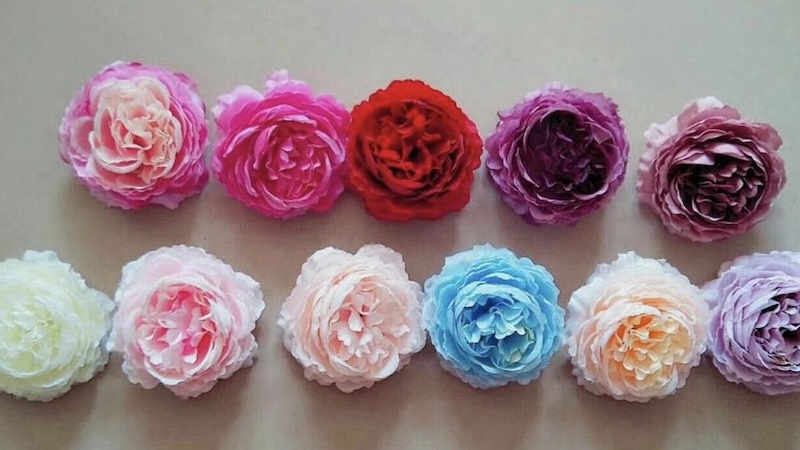
When evaluating reliable the concept, compare service depth, not just catalog size. Two factories may offer similar rose or peony lines, but their ability to adapt stem length, petal layering, color lots, or packaging specs can differ significantly.
Use a structured comparison across three areas. First, design capability: can they co-develop seasonal collections or only copy existing references? Second, customization execution: do they control mold, dye, and assembly consistency across reorder batches? Third, support quality: can they provide fast sample turnaround, clear defect handling, and proactive production updates?
This service comparison also helps if your broader sourcing portfolio includes categories like electronics wholesale distributors in china. The same principle applies: suppliers that combine customization discipline with transparent quality controls are easier to scale with.
Before final selection, request a pilot order with defined acceptance criteria, packaging rules, and reporting frequency. That step confirms whether the proposed this subject service matches real execution, which is essential for dependable launches and fewer post-shipment surprises.
After comparing supplier capabilities, the practical focus is turning those comparisons into clear sourcing decisions you can execute. These takeaways condense the full process into a short checklist for selecting and managing this approach while protecting quality.
Start with specification clarity before outreach. Define materials, color tolerance, stem construction, packaging method, labeling needs, and target budget so sample reviews and quotes are comparable. Clear inputs reduce misunderstandings and make later quality checks objective.
Shortlist based on verification and sample performance, not catalog breadth alone. Prioritize reliable the topic that respond consistently, document capabilities clearly, and produce samples aligned with your requirements. Treat poor communication or inconsistent samples as early risk indicators.
Negotiate terms with quality safeguards built in. Confirm MOQ, lead time, payment milestones, defect handling, and rework expectations in writing before order confirmation. Strong commercial terms only matter when they are tied to measurable acceptance standards.
Evaluate the supplier review service as an operational system, not a sales promise. Compare design support, customization execution, production updates, and post-production issue handling as part of one workflow. This helps you identify trusted this sourcing decision that can support repeat orders with fewer surprises.
Protect outcomes with staged quality control from pre-production through final inspection. Use agreed check points, documented tolerances, and final verification before shipment release. This closes the loop between sourcing decisions and delivered product consistency.
Used together, these points keep the process disciplined: define requirements, verify capability, formalize terms, assess execution quality, and inspect before shipping.
Q1: Are artificial flowers made in China?
Yes, the majority of artificial flowers are manufactured in China, particularly in Guangdong Province's Pearl River Delta region. This area hosts hundreds of artificial flower factories that serve global markets. Chinese artificial flowers manufacturers offer wide product variety, flexible production capabilities, and scalable output that appeal to retailers, event businesses, wholesalers, and private-label brands worldwide. The concentration of suppliers in this region has made China the dominant source for silk flowers and artificial botanical products.
Q2: Where are most artificial flowers made?
Most artificial flowers are produced in China's Guangdong Province, specifically in the Pearl River Delta area. This region contains hundreds of specialized factories dedicated to artificial flower production. The concentration of the supplier review has developed due to established supply chains, skilled labor, material availability, and manufacturing infrastructure. While some production exists in other Asian countries and historically in places like New York and Paris, China remains the primary global manufacturing hub for artificial botanical products.
Q3: How do you ensure quality when sourcing artificial flowers from China?
Quality assurance requires multiple steps: requesting physical samples before bulk orders, checking color accuracy against specifications, testing stem durability and construction, evaluating packaging quality, and establishing clear communication protocols. Two factories may offer similar catalogs but deliver different outcomes in consistency and reliability. Successful buyers verify production capabilities beyond just photos, conduct factory audits when possible, implement inspection procedures, and build relationships with manufacturers who demonstrate consistent quality control standards and responsive communication throughout the production process.
Q4: What should I look for when choosing this sourcing decision?
Key factors include product variety that matches your market needs, production flexibility for custom orders, proven quality control systems, clear communication and response times, appropriate lead times for your business model, and reliable packaging standards. Beyond catalog similarities, assess each manufacturer's consistency in color accuracy, material quality, craftsmanship, and ability to meet specifications. Consider their experience with your product category, minimum order quantities, payment terms, and track record with businesses similar to yours. Factory capability matters as much as initial pricing.
The FAQ likely clarified the practical concerns that matter most before placing an order. To close the loop, the real advantage comes from turning those answers into a clear sourcing plan with checkpoints you can verify.
If your goal is to source confidently, focus on process discipline rather than promises. Start with a short list of the topic that match your product style, minimum order range, and communication standards. Then move each candidate through the same evaluation flow so your final decision is based on comparable evidence.
A practical decision framework can keep the final choice objective:
Confirm product fit first. Review catalog consistency, material options, and customization ability against your target market.
Validate production reliability. Check lead-time realism, sample accuracy, and how change requests are handled.
Run quality controls before scale. Use pre-production confirmation and shipment-stage inspection to reduce avoidable defects.
Compare responsiveness and clarity. Prioritize teams that document specifications and resolve issues quickly.
Decide with total risk in mind. Balance price with quality stability, communication quality, and re-order confidence.
This approach helps you distinguish between attractive samples and long-term execution. It also makes it easier to identify reliable the supplier review and, over time, build relationships with trusted this sourcing decision that support repeatable quality.
Your concrete next step is simple: create a one-page supplier scorecard today and use it on your next three factory conversations. Include product specs, sample results, inspection checkpoints, lead times, and communication quality in one view. When every supplier is measured against the same criteria, you can move forward with a decision that is practical, defensible, and aligned with consistent quality outcomes.
 English