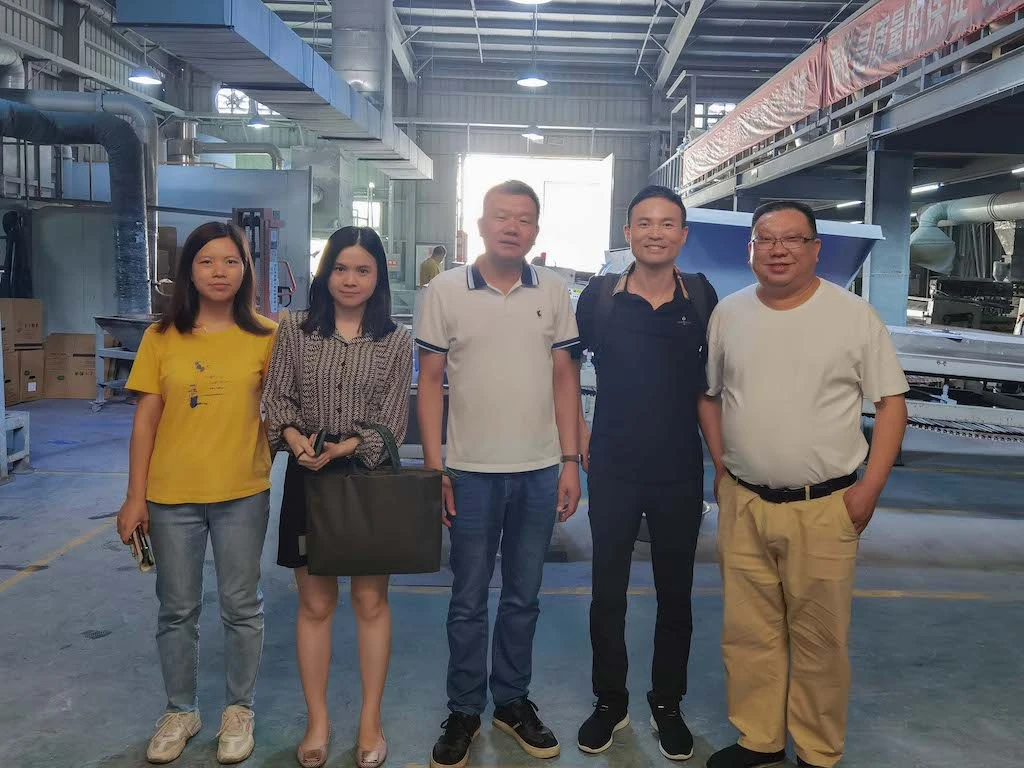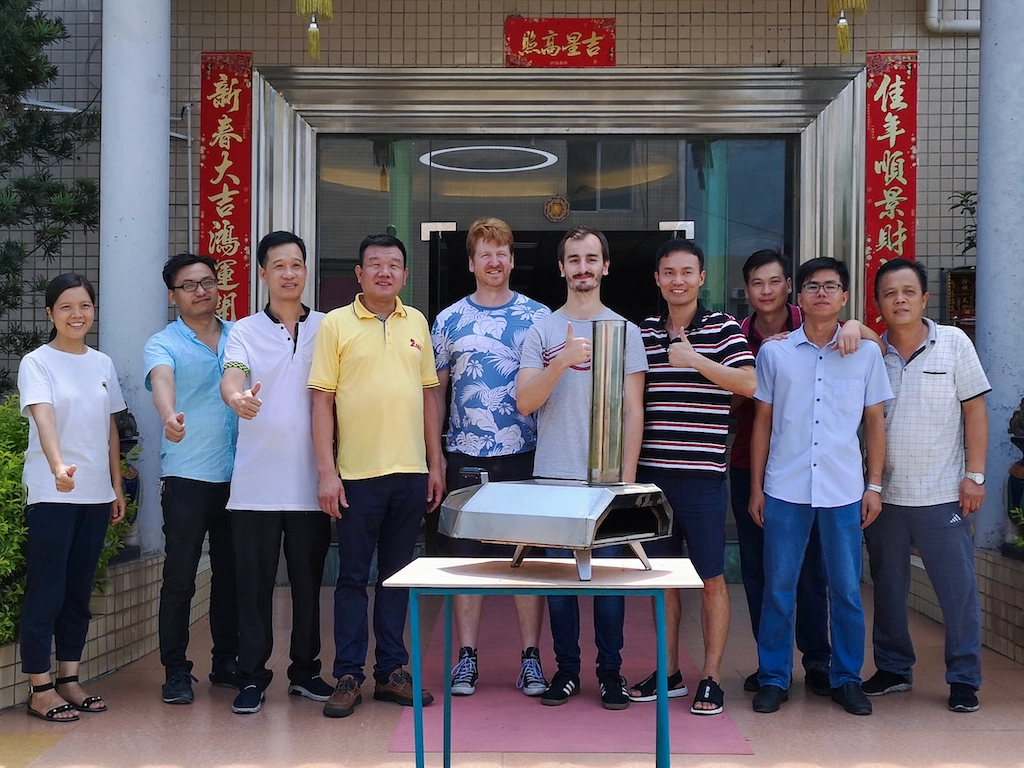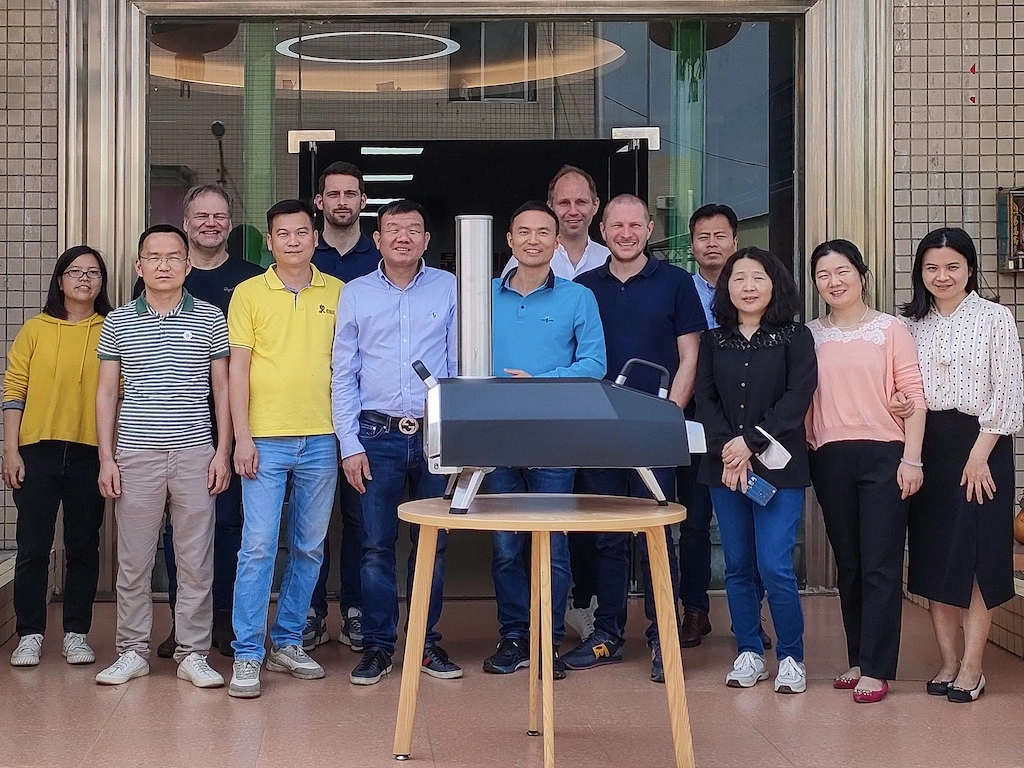
Outdoor product sourcing from China is enticing because you gain access to competitive pricing, diverse manufacturing capabilities, a vast array of products and a massive supply chain. You can find many Chinese suppliers online, but for successful product procurement, you will need thorough planning and understanding. Before you embark on your quality outdoor products procurement journey from China, it is essential to lay the foundation pillars for success.
A well-defined design of your outdoor product is the first foundation pillar for success. Remember, outdoor gear has to be functional and durable. So, before you approach a Chinese supplier, it is essential to have a clear picture of your product design. While designing, here are some key aspects you will need to consider.
Identify your target market - Who are you designing this product for - experienced hikers, budget-conscious adventurers, or casual campers? Understanding your target audience will help you to determine your product features, quality level and price point.
Functionality - What specific problem are you solving with this product? Is it a lightweight backpack for day hikers, a water-proof tent for all-weather camping, or a highly safe climbing harness? Focus on core functions and prioritize them because this will be your unique selling proposition towards enhancing user experience.
Material selection - Outdoor products need to be durable. You will need to research different materials like nylon, polyester, ABS, steel, aluminium etc. commonly used in premium outdoor products. Ensure to consider weight, breathability, and weather-resistance while choosing the material.
User-friendliness - User experience designing is important. Consider how the product will be assembled, adjusted and used. Get creative and intuitive in designing a product that lessens frustration and increases ease of use in outdoor settings.
Aesthetics - Functionality is a top priority but even looks matter. Will it have a sleek, minimalist design or a more rugged, adventurous look? You will need to consider the overall look and feel of your product. Align the aesthetics with your target market. It will enhance the product’s appeal even more.
Developing a detailed product specification document is a part of product designing stage. Product specification document is a roadmap of your product’s journey from conception to reality. It is a bridge between you and the supplier’s execution. A well-crafted product specification document matters because:
- It reduces misunderstanding. Outlining your expectations in a comprehensive document clearly reduces the risks of manufacturer deviation from your vision.
- It defines quality control standards. By specifying materials, dimensions, and functionalities, you establish a baseline for inspections from the start of production to the final product.
- It improves efficiency. A detailed product specification document eliminates the need for back-and-forth communication and costly modification during the process. Manufacturers can comply with exact requirements and work independently.
- It streamlines the procurement process. The product specification document is a core point of reference for everyone involved in the procurement process – designers, engineers, QC inspectors and manufacturers.
A detailed product specification document will include:
- General product details
- Technical specifications
- Design specifications
- Quality control procedures.
Always be flexible to make revisions to your product specification document as the project progresses. Collaboration with the manufacturer may lead to adjustments for feasibility or cost optimization. As you will be partnering with a Chinese supplier, consider translating the product specifications into Mandarin. It will ensure clear communication.
The vast manufacturing landscape in China offers a plethora of options for sourcing outdoor products. The second foundation pillar is choosing the right Chinese supplier for a successful procurement experience. Here are some aspects to consider while choosing an outdoor gear supplier.
Experience & expertise
Track record – Look for suppliers with a proven history of manufacturing similar outdoor products. Experience defines their knowledge about the specific requirements and challenges associated with outdoor gear. Ask for past client’s references so that you can verify their experience with the supplier’s services and quality.
Certifications – Certifications like ISO 9001 [quality management] or specific to outdoor gear like UIAA [climbing equipment] reveal that the supplier is committed to quality and adheres to industry standards.
Skills & capacity
Manufacturer skills: The supplier must have the needed equipment and expertise to manufacture your specific product. For example, a backpack manufacturer must have skills in advanced sewing techniques and welding technologies.
Production capacity: Check if the factory can accommodate your order volume within your desired timeframe. Even find out if their facility is equipped to deal with your business scaling in future.
Quality control measures
QC procedures: Look for a supplier with a solid QC system, including raw material inspection, in-process inspections, and final product review. Transparency in the QC protocols gives confidence in their ability to deliver premium quality products.
Testing facilities: Testing facilities allow to perform critical tests on materials and finished goods to ensure safety and performance standards for outdoor use.
Communication style
Evaluate the communication style of the supplier.
- Do they respond promptly and professionally to inquiries?
- Are they comfortable with clear and concise communication in English?
Effective communication is essential for smooth collaboration. It helps to avoid misinterpretations throughout the procurement process. Even be careful about the business cultural differences. You will need patience and willingness to adapt to their distinct business culture to build rapport.
Some other things to consider while choosing a supplier:
Minimum Order Quantities - Some suppliers have MOQs that you must meet. How to negotiate lower MOQ? Make sure that your MOQs align with your production needs. It will help to avoid overstocking. Never get attracted to low quotes! You will find a suitable Chinese manufacturer that aligns with your specific product needs, even if it is connected with sustainability.
Negotiation - Be prepared to negotiate pricing, MOQs and payment terms with the potential supplier. Negotiation doesn’t mean looking only for your best interest. Ensure that the terms and pricing is a win-win situation for you and the supplier.
After choosing a supplier, you will need to strategize your quality control process. Geographical distance and cultural differences necessitate a solid QC strategy. Here are some aspects to consider, which will ensure successful quality outdoor products procured from China.
Share your product specification document and ensure that the supplier clearly understands your goals. Use clear technical drawings, material callouts and, if necessary, physical prototypes. Ambiguity in specifications will lead to confusion and potentially substandard product delivery.
Pre-production inspection
Before mass production starts, it is wise to request samples or prototypes with the agreed-upon materials and manufacturing processes. A thorough examination of these samples helps to detect potential defects early. It saves time and money in the long run. The sample approval will focus on the following:
Material quality: Inspect the used materials for consistency with the product specification document. Check for deviations in colour, weight, or texture. Make sure the material has sufficient strength and durability essential for outdoor use.
Construction quality: Closely check the stitching quality. Ensure there is proper tension and strength at critical stress points. Examine the buckles, zippers, and other components for functionality and durability. Verify that every component is attached securely and functions smoothly.
Finish & aesthetics: Inspect the overall finish of the product for cosmetic defects or inconsistencies in colour or branding elements. Premium quality outdoor products must look professional and display your brand image.
In-production inspection
Regular in-process inspections monitor production efficiency and compliance throughout the process. Some suppliers have in-house inspectors, but it is sensible to hire a third-party China QC inspection agency for objective assessment.
Ensure to hire professionals with in-depth knowledge of outdoor product quality control procedures. Familiarity with where to look for common defects and what tools to employ to identify them is essential.
Collaborate with the third-party inspection agency and define your inspection scope. Share your PSD so that the inspector can review your detailed product specifications and understand your expectations.
On-site inspection activities include:
- Production line observation: The inspector will visit the factory and directly observe the production process on your behalf. They will assess the worker's skills and compliance with agreed-upon production procedures.
- Product inspection: The inspector will randomly choose a sample from the current production run. The samples will be meticulously examined for deviations from your specifications. It involves checking material quality, dimensions, components functionality, and overall workmanship.
- Documentation & Reporting: After every inspection activity, the inspector compiles a detailed report. The report includes the observations made, findings, highlights of defects identified with photos or videos for evidence and recommendations for corrective actions.
Post-production inspection
After production is concluded, it is crucial to conduct a final product inspection before your order leaves the supplier's facility.
- Final Random Inspection: This final check verifies that the outdoor products manufactured in bulk have the same consistency standards as the first article inspection standards or approved samples. If any inconsistency is identified at this stage, you get a chance to correct it before the entire shipment reaches your warehouse.
- Packaging & labelling: Functionality is crucial, so is packaging and labelling. Ensure that the packaging materials are sturdy enough to handle transportation and storage. The labelling details must be accurate and in compliance with legal design specifications.
Effective communication and relationship building are the fourth key foundational pillars to achieve consistent quality products from China.
Tips for effective communication
Clear and concise: Be clear and concise in every communication form – emails, calls or video conferences. Never use technical jargon, and ensure the message is clearly understood. If you are using translational tools, then be careful about potential nuances that can get lost in translation.
Detailed specifications: Effective communication lies in providing your supplier with thorough product specifications. Use blueprints or physical prototypes, especially if your product is complex, to avoid vagueness. It also sets a standard for the quality you expect.
Active listening: Don’t just send instructions to the supplier but even listen to their feedback. They may have valuable insights into material limitations, production feasibility or potential cost optimizations. Consider their suggestions and nurture a collaborative dialogue.
Regular communication schedule: Regular weekly updates or bi-weekly check-ins keep you and the supplier informed about project progress, deadlines, and potential concerns, if any. It is a proactive approach to reduce delays and allows for timely course correction.
Tips for relationship building
Mutual respect: Treat your supplier with respect and professionalism. Recognize their expertise and experience in manufacturing. Building trust is essential for a long-lasting and successful partnership.
Cultural sensitivity: The business culture in China is different. Research their business etiquette and avoid making assumptions. Respectful communication and patience go a long way in building rapport.
Transparency: Be transparent about your expectations, timelines, and potential challenges you anticipate. Open communication with the supplier fosters trust and allows for collaborative problem-solving.
Shared success: Your procurement process must be framed as a shared success. A win-win mentality encourages the supplier to deliver high-quality products and maintain long-term partnerships. Consider offering incentives for consistently meeting or exceeding quality standards.
A strong relationship motivates the supplier to become invested in your success and take ownership of delivering high-quality products consistently. Even when challenges arise, the suppliers suggest adjustments or offer alternative solutions without quality compromise. A continuous improvement culture is essential to ensure your product stays competitive and reliable in the ever-evolving outdoor gear sector.
Beyond the four pillars – consider effective logistics and shipping.
Choose a shipping method:
- Ocean Freight: An FCL [Full container load] or LCL [Less-than container load] is reasonable for large shipments, but the transportation time is long.
- Air freight: The fastest and most expensive option than ocean freight.
- Courier services: Faster and more costly than airfreight.
Understand the Incoterms
The international commercial terms explain who is responsible for the costs like transportation, insurance and customs clearance at various stages.
Accurate documentation checklist for shipping
- Commercial invoice
- Packing list
- Bill of Lading
- Certificate of Origin
- Other permits specific to imported goods.
For your shipping and custom clearance needs, you must engage professionals for smooth navigation of the process.
By prioritizing the four pillars, you can establish a foundation for procuring quality products consistently. It will help you focus on building your brand and delivering exceptional outdoor gear that resonates with your target consumers. Establish a strategic partnership with your Chinese supplier to stay ahead in the outdoor product sector.
 English