Can you build a profitable outdoor line without losing margins to quality issues, long lead times, or unclear supplier communication? For many importers, that is the core challenge, and it is exactly why this buyer-focused handbook starts with a practical foundation. Sourcing outdoor products in China can create strong commercial upside, but only when the process is managed with clear standards, realistic expectations, and disciplined supplier evaluation.
This introduction sets the direction for readers who are still in the research phase and need a structured way to think about risk, product fit, and supplier capability. Rather than treating China as a single market, smart buyers approach it as a broad manufacturing ecosystem with major differences across product categories, factory strengths, and service models. In outdoor goods, those differences matter because performance and durability are tied directly to materials, construction, and testing consistency.
For business buyers, the goal is not just to find low unit prices. The real objective is to identify reliable outdoor products in China that can support repeat sales, stable quality, and predictable delivery. That means asking better questions early: Which products match your brand position? What minimum order quantities are workable for your cash flow? What quality checkpoints are non-negotiable before mass production begins?
A useful starting framework includes four priorities:
Define the product and use case clearly. Specify who the end customer is, where the item will be used, and which performance standards matter most.
Align sourcing with your business model. Wholesale, private label, and brand-building each require different supplier communication and control levels.
Choose a direct sourcing path deliberately. Direct sourcing from China can improve transparency and margin control, but it also requires stronger process ownership.
Set validation steps before scale. Samples, specification checks, and production oversight reduce surprises when orders get larger.
As the handbook progresses, you will see how china direct sourcing and broader direct sourcing decisions connect to supplier selection, product development and sourcing workflows, and quality assurance practices. You will also learn when an outdoor products in China service model may help if your internal team is lean or new to cross-border procurement.
In short, this section frames the stakes: sourcing success is less about finding any factory and more about building a repeatable procurement system. With that lens, the rest of the guide will break down how to move from initial supplier search to trusted outdoor products in China that fit your commercial goals.
For outdoor products brand, buyers should connect the term to evidence, workflow steps, and risk controls.
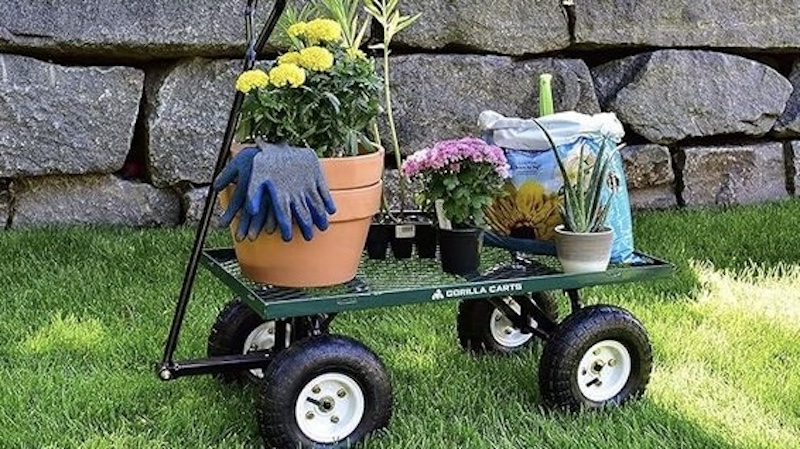
After the introduction, this is where buyers move from general interest to market-level judgment. A clear view of outdoor products in China helps you choose the right sourcing path, reduce rework, and align product decisions with your margin and brand goals.
China is still known for production scale, but the outdoor sector now includes stronger in-house design, faster prototyping, and more category-specific engineering. For buyers, this changes sourcing from simple price comparison to capability matching. Instead of asking only for unit cost, evaluate materials expertise, testing routines, and product iteration speed for your target segment.
In practical terms, this shift supports both private label and co-development. Many factories can adapt structure, trims, and packaging to fit differentiated positioning, not just mass-market templates. If your roadmap includes adjacent categories, this model also connects with broader product development and sourcing workflows, including electronics add-ons often seen in modern camping and travel gear.
Two parallel markets matter when you source: export-oriented B2B wholesale and China-facing domestic brand channels. B2B wholesale factories usually prioritize MOQ efficiency, repeatability, and compliance documentation. Domestic brand players often move faster on trend cycles, storytelling, and retail packaging. Both can be useful, but they serve different objectives.
For importers building stable SKU programs, wholesale partners can provide predictable capacity and process control. For buyers testing premium or design-led concepts, domestic-brand-capable manufacturers may offer stronger finish quality and presentation detail. The key is to map supplier profile to your commercial model, then decide whether direct sourcing from China or an assisted model gives better control over communication, sampling, and quality checkpoints.
China’s outdoor market is broad, covering tents, backpacks, sleep systems, hiking accessories, water gear, and compact tools. It also overlaps with china consumer products categories such as portable power, lighting, and smart travel accessories. This diversification is useful for buyers who want bundle strategies, seasonal collections, or multi-category brand expansion.
Use category mapping early so you can group products by complexity, certification needs, and defect risk. A simple framework keeps decisions practical:
Core textile goods: focus on fabric consistency, stitching standards, and weather resistance claims.
Hardgoods and metal parts: review durability, finish quality, and replacement-part feasibility.
Hybrid and electronic accessories: confirm battery, charging, and packaging requirements before sampling.
Merchandising add-ons: align color systems and branding assets across SKUs to protect shelf coherence.
When this landscape is understood clearly, you can shortlist reliable the concept for your specific channel, rather than chasing the cheapest quote. That creates better supplier fit, steadier quality outcomes, and a stronger foundation for scaling through trusted production partnerships.
A practical outdoor products brand plan should guide readers toward clearer comparisons and better supplier decisions.
China’s outdoor sector is no longer defined only by factory scale. Building on the market diversification you just reviewed, buyers now need to understand which supplier types fit their channel, margin goals, and product roadmap.
When evaluating top companies for this subject, focus less on brand popularity and more on operational fit: category specialization, MOQ flexibility, quality systems, and development support.
Most leading Chinese outdoor manufacturers fall into three practical groups for international buyers: OEM/ODM factories, vertically integrated exporters, and brand-led producers with wholesale programs. Each model can work, but each creates different sourcing risks and advantages.
OEM/ODM-focused manufacturers
These suppliers are often strongest for private-label programs, especially in tents, sleeping gear, hiking accessories, and camp furniture. Their value is engineering adaptation, packaging customization, and cost control at scale. For buyers, the key check is whether sample quality matches pilot and bulk runs. Strong OEM partners usually document materials, workmanship standards, and testing steps clearly.
Export trading and factory-network suppliers
Some firms coordinate multiple factories and offer broader catalogs across outdoor categories. This can simplify vendor management when you need mixed SKUs in one procurement cycle. The tradeoff is reduced visibility into the true production site unless the supplier is transparent. If you need reliable this approach, verify who manufactures each core SKU and who handles final quality release.
Domestic brand manufacturers with B2B capability
A growing set of Chinese outdoor brands now supply distributors and overseas retail partners. These companies may bring better design consistency and faster product refresh cycles. However, branding, territory, and exclusivity terms are often stricter than with pure OEM factories, so commercial negotiation matters as much as product specs.
For practical shortlisting, compare suppliers using a simple scorecard: category depth, communication speed, compliance readiness, lead-time reliability, and after-sales handling. This gives you a repeatable way to identify trusted the topic partners rather than choosing on unit price alone.
From a buyer’s handbook perspective, top supplier selection should also connect to product development. If you plan to launch differentiated SKUs, prioritize partners that can support material substitution, prototype iterations, and packaging engineering, not just mass production. This is where a structured product development and sourcing workflow can reduce rework and launch delays, especially when coordinating direct sourcing from China across multiple product lines.
Finally, keep your supplier strategy portfolio-based: one core manufacturing partner for volume items, one backup for risk control, and one innovation-oriented partner for new concepts. This balanced approach is often more resilient than relying on a single the supplier review company for every category.
When teams evaluate outdoor products brand, they should tie the decision to documents, samples, and communication signals.
After identifying leading manufacturers, buyers need a repeatable vetting method to separate a good catalog from a dependable production partner. In practice, this is where many sourcing projects succeed or fail, especially for this sourcing decision where performance, safety, and durability directly affect returns, reviews, and brand trust.
Start by validating whether a factory can build your exact product category at your required quality level, not just similar items shown in a brochure. Ask for recent production examples, process flow details, in-house versus outsourced steps, and quality checkpoints from incoming materials to final packing. For technical gear, request test reports and certification records relevant to your target market, then confirm document consistency across product specs, labels, and packaging.
A practical approach is to run a pilot order with clear tolerances, inspection criteria, and defect thresholds before scaling volume. This connects product development and sourcing decisions early, reducing costly redesigns later. If your team lacks local quality oversight, working with a product development company can help verify manufacturing readiness before purchase orders grow.
Quoted unit price alone rarely reflects true landed cost. For reliable it, compare suppliers using a common cost template so each quote is evaluated on the same assumptions. Include tooling, material grade, logo method, packaging, sample fees, inspection costs, Incoterms, and expected rework risk. Also review minimum order quantities against your sales forecast to avoid overbuying inventory.
When pricing gaps appear, ask what drives the difference: fabric weight, hardware grade, seam construction, coating method, or inspection depth. This reveals whether a lower quote comes from genuine efficiency or hidden quality compromise. A structured pricing review supports better margin planning and protects your position when negotiating annual replenishment terms.
Supplier reputation checks should go beyond star ratings on marketplaces. Use a layered review process: compare platform feedback trends, request recent client references in similar product lines, and test response quality during technical discussions. Consistent communication, clear corrective-action handling, and transparent timelines are strong indicators of trusted the concept partnerships.
You can also verify business stability through registration details, export history signals, and continuity in product focus. During sampling, track how the supplier handles revisions, not just first-pass quality. Responsive iteration is critical for long-term this subject service performance, especially when your catalog evolves seasonally. This protects both delivery reliability and brand reputation as you scale sourcing product programs.
For outdoor products company, buyers should connect the term to evidence, workflow steps, and risk controls.
After validating supplier capabilities, cost logic, and reputation signals, procurement decisions become much clearer. This stage turns your findings into a sourcing model that protects margin, reduces delays, and improves consistency when buying this approach.
Choosing between a factory and a trading company depends on your order profile, technical complexity, and internal bandwidth. Direct sourcing from china often gives better unit pricing, tighter control over specifications, and faster engineering feedback during sampling. It is usually stronger for repeat programs with stable SKUs and predictable forecasts.
Trading companies can be practical when you need mixed product categories, lower initial volumes, or consolidated communication. A capable trader may coordinate multiple plants, combine shipments, and simplify follow-up across different time zones. The tradeoff is less production transparency and an extra commercial layer.
For buyers focused on reliable the topic, many teams run a hybrid model: direct factory relationships for core lines, plus selected traders for accessory bundles or seasonal tests.
B2B marketplaces can speed up early supplier discovery, especially for first-pass screening of product ranges, MOQ patterns, and response quality. Use platform listings as a starting point, not final proof of supplier strength. Verify that the listed business role matches reality, then move conversations to structured RFQs and technical documents.
A practical approach is to shortlist by category fit, communication quality, and willingness to share production details. For trusted the supplier review, ask each candidate for:
Factory or partner-plant scope by product type.
Sample lead time and change-control process.
Standard QC checkpoints before shipment.
Packaging and labeling customization options.
Clear escalation contact for production issues.
This keeps marketplace sourcing aligned with operational requirements rather than profile marketing.
Strong RFQs reduce hidden cost drift and make supplier comparisons fair. Include target material specs, test expectations, packaging details, inspection criteria, and destination requirements. Ask suppliers to separate tooling, sample, unit, and logistics-related charges so you can evaluate total landed value, not just ex-factory price.
During negotiation, prioritize terms that affect execution quality: quality tolerance, rework responsibility, timeline commitments, and payment milestones linked to deliverables. This is where this sourcing decision service quality becomes visible, because responsive suppliers document decisions and confirm revisions quickly.
If your project includes new SKUs, connect procurement with product development and sourcing workflows early. A qualified product development company can help standardize specs before mass production, reducing disputes and improving launch reliability across future purchase cycles.
A practical outdoor products company plan should guide readers toward clearer comparisons and better supplier decisions.
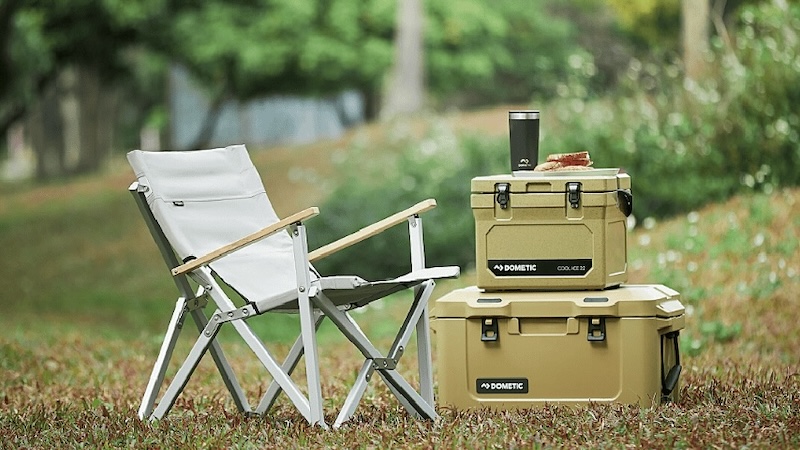
After comparing supplier channels and negotiating terms, your buying plan needs a category-level filter. A clear selection framework helps you choose it that match your market, margin goals, and return-rate tolerance.
Start with core items that move consistently: tents, sleeping bags, backpacks, trekking poles, camp cookware, and headlamps. For each SKU, define target use conditions before sample approval, such as season rating, pack weight range, and expected trip duration. This avoids buying products that look competitive online but fail in real use.
For business buyers handling china product sourcing, standardize a comparison sheet across factories. Include fabric denier, pole material, seam sealing method, zipper grade, and buckle strength so quotes can be evaluated on like-for-like specs. If you work with a product sourcing agent, ask for side-by-side sample testing notes and defect photos, not only price summaries. This improves your odds of building a reliable the concept assortment that can scale.
Specialized categories need tighter screening because end users are less forgiving. Climbing hardware, hydration systems, compact stoves, water filters, and technical outerwear should be selected by performance requirement first, then by unit economics. Keep accessory lines focused on compatibility with your main catalog, such as canisters, repair kits, replacement parts, and modular attachments.
When planning product development and sourcing, classify products into three tiers: high-volume essentials, seasonal upgrades, and niche technical items. This tiering supports better MOQ allocation and reduces slow inventory. For niche products, request pilot runs and packaging drop tests before full production. If your team is new to sourcing product lines with complex specs, a trusted this subject service can help coordinate engineering clarifications, pre-shipment checks, and labeling compliance across multiple factories.
Durability claims should be verified through observable build details and repeatable checks during sampling. Prioritize workmanship indicators that correlate with field performance rather than marketing language.
Material integrity: Check shell fabric consistency, coating quality, and reinforcement panels at high-stress points such as corners, shoulder straps, and stake loops. Inconsistent thickness or weak reinforcement usually predicts early failure.
Construction quality: Inspect stitch density, seam taping adhesion, bar-tack placement, and edge finishing. Clean, uniform construction is a practical signal of process control.
Hardware reliability: Test zippers, clips, buckles, valves, and pole joints through repeated open-close or lock-unlock cycles. Smooth operation under repetition matters more than first-use feel.
Weather and load readiness: For applicable products, run basic water exposure and load-bearing checks on samples. Confirm that structure, coatings, and closures perform under realistic stress.
By selecting categories with this discipline, buyers move from quote-driven purchasing to portfolio building. That shift supports long-term brand trust and makes future product development decisions faster and less risky.
When teams evaluate outdoor products company, they should tie the decision to documents, samples, and communication signals.
After narrowing product categories and assessing durability signals, the final priority is selecting the right manufacturing partners and supplier structure. In practice, buyers evaluating top outdoor products companies in China should focus less on labels and more on process control, development capability, and sourcing discipline.
Treat supplier type as a strategic decision, not an admin task. When sourcing this approach, confirm whether you are working with a factory, a trading partner, or a hybrid model, then align that choice with your order size, customization needs, and lead-time risk tolerance. This single decision influences pricing clarity, communication speed, and quality accountability across the full buying cycle.
Prioritize development readiness before scaling orders. For buyers comparing reliable the topic options, the strongest signal is how well a supplier handles product development and sourcing workflows: requirement intake, sample iteration, material confirmation, and production handoff. If these steps are weak, later negotiations on price or delivery usually do not solve execution problems.
Use verification standards that map to business outcomes. In a shortlist of trusted the supplier review partners, evaluate consistency in documentation, responsiveness during quotation revisions, and willingness to define inspection checkpoints. These checks keep procurement aligned with your margin targets and reduce avoidable rework, which matters more than headline unit price in most commercial sourcing programs.
Match support depth to internal team capacity. If your team lacks time for daily factory coordination, an this sourcing decision service model with stronger project management can protect timelines and spec accuracy. If you already have technical sourcing staff, a leaner direct model may be sufficient. The right setup depends on operational bandwidth, not only supplier preference.
Keep partner selection tied to the handbook goal: repeatable sourcing performance. The practical takeaway for handling key Chinese outdoor product manufacturers and suppliers is to choose partners that can support product development, disciplined execution, and clear accountability from sample stage through shipment. This is the path that best supports stable quality, predictable delivery, and long-term sourcing product success.
For outdoor products sourcing, buyers should connect the term to evidence, workflow steps, and risk controls.
Q1: What are the main advantages of sourcing outdoor products from China?
Sourcing outdoor products from China offers significant commercial advantages including competitive pricing, extensive manufacturing capacity, and access to a broad ecosystem of specialized factories. Chinese manufacturers have developed strong capabilities across various outdoor product categories, from camping gear to hiking equipment. The key to success lies in managing the process with clear quality standards, realistic lead time expectations, and thorough supplier evaluation. Smart buyers treat China as a diverse manufacturing ecosystem rather than a single market, carefully matching product requirements with appropriate factory strengths and service models to maintain margins while ensuring product quality.
Q2: What types of outdoor products can be sourced from China?
China's manufacturing ecosystem covers a comprehensive range of outdoor products across multiple categories. This includes camping equipment, hiking gear, outdoor apparel and footwear, backpacks and bags, climbing equipment, water sports gear, and outdoor accessories. The country has developed specialized manufacturing clusters for different outdoor product segments, with factories offering varying levels of capability and service models. Understanding these major differences across product categories and factory strengths is essential for importers looking to build a profitable outdoor product line while managing quality standards and lead times effectively.
Q3: How do I evaluate Chinese suppliers for outdoor products?
Evaluating Chinese outdoor product suppliers requires a disciplined, structured approach focused on three core areas: product fit, supplier capability, and risk management. Rather than rushing into partnerships, successful buyers conduct thorough assessments of factory strengths, manufacturing processes, and quality control systems. This includes verifying production capacity, reviewing past performance with similar products, checking certifications relevant to outdoor goods, and establishing clear communication protocols. The evaluation process should also consider service models offered, lead time reliability, and the supplier's understanding of international quality standards specific to outdoor equipment and gear.
Q4: What are common quality challenges when sourcing outdoor products from China?
Quality issues represent one of the core challenges when sourcing outdoor products from China, often impacting margins and brand reputation if not properly managed. Common problems include inconsistent material specifications, deviations from approved samples, and performance failures under outdoor conditions. These challenges can be mitigated through clear quality standards established upfront, detailed product specifications, regular factory inspections, and rigorous testing protocols. Successful importers implement disciplined supplier evaluation processes and maintain realistic expectations about factory capabilities. Building strong supplier relationships with transparent communication and well-defined quality benchmarks is essential for maintaining consistent product standards across production runs.
A practical outdoor products sourcing plan should guide readers toward clearer comparisons and better supplier decisions.
The above sections clarified common risks, timelines, and quality concerns, so you now have a practical lens for final decision-making. At this stage, the goal is not to gather more information, but to choose a sourcing path you can execute with confidence.
If you are evaluating the topic, treat your decision as a structured buying process rather than a one-time negotiation. Strong outcomes usually come from disciplined supplier screening, clear product specifications, and steady quality control from sampling through shipment. This is especially important when comparing options that appear similar on price but differ on communication speed, process maturity, and issue resolution.
To move from research to action, use a short decision checklist:
Define your launch priorities. Rank quality level, target margin, lead time, and minimum order flexibility so trade-offs are explicit.
Validate production readiness. Confirm that your shortlisted partner can meet your technical requirements before placing a larger order.
Set quality gates in writing. Document inspection standards, defect thresholds, packaging rules, and approval stages.
Start with a controlled pilot order. Use a smaller first run to test consistency, logistics, and post-order support.
Review and scale intentionally. Expand volume only after pilot results confirm reliable execution.
For buyers seeking reliable the supplier review, this method reduces surprises and creates a repeatable framework for future product lines. It also helps you identify trusted this sourcing decision partners based on performance, not promises.
Your concrete next step is simple: create a one-page sourcing brief today with your product specs, quality criteria, and pilot-order plan, then use it to evaluate your top candidates side by side. That single document turns scattered research into a clear decision and keeps your sourcing process focused, measurable, and aligned with your business goals.
Buy Now!
 English