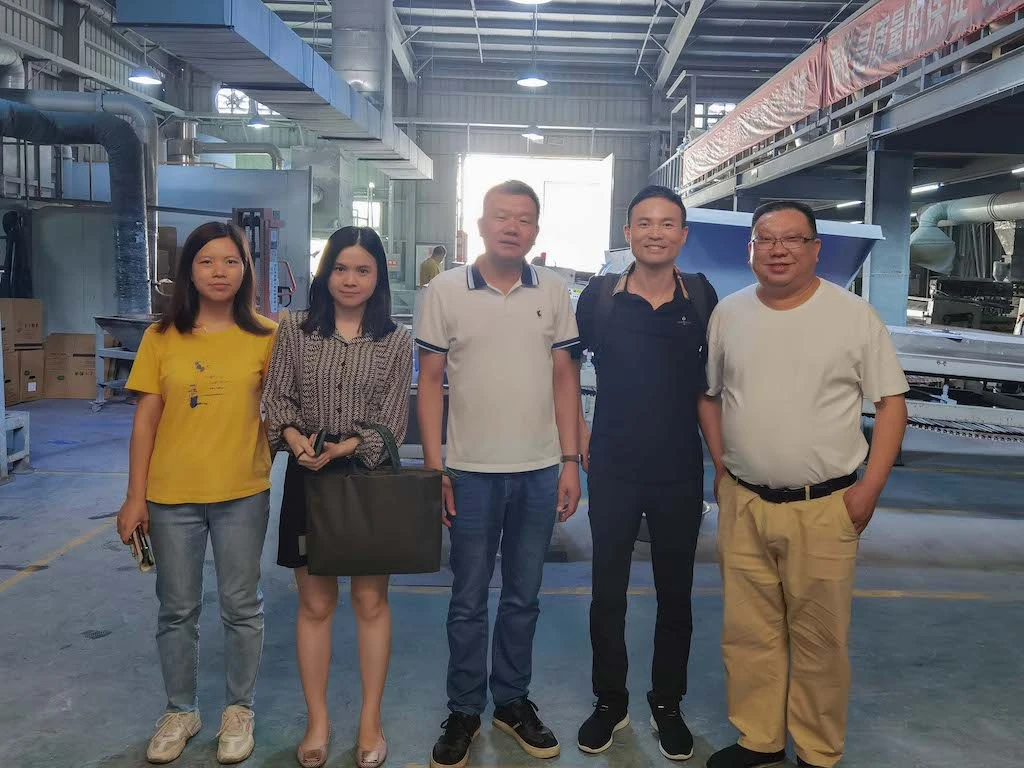
Now, the global economy is interconnected, so evaluating Chinese suppliers has become an important task for businesses aiming to build reliable and efficient supply chains. China's pivotal position as a manufacturing powerhouse and its role in the global supply chain are undeniable, providing a wide range of products and services to global enterprises. However, accurately assessing Chinese suppliers to ensure supply chain reliability and efficiency has become a major challenge for businesses.
This comprehensive guide aims to thoroughly examine all aspects of evaluating suppliers in China, including their impacts, barriers and best practices. By evaluating Chinese suppliers, companies can not only understand the supplier's strength and reputation, but also pave the way for optimizing supply chain layout and improving operational efficiency. In addition, we will delve into the important role of China supplier assessment in driving supply chain excellence, providing valuable insights for companies to gain a competitive advantage in the global market.
In today's globalized environment, where effective supply chain management is critical to business success, it is critical to recognize the importance of Chinese supplier assessment. As a key element of supply chain management, supplier evaluation in China plays an irreplaceable role in ensuring the stability and efficiency of the supply chain.This is particularly important for companies seeking to work with Chinese suppliers, which contains but not limit suppliers from 1688 sourcing platform, underscoring the importance of understanding Chinese supplier assessments.
1. Ensuring Supply Chain Stability
China boasts a substantial supplier base as the world's leading manufacturing nation. However, suppliers' strengths, reputations, and service levels vary considerably. Through the China supplier evaluation, enterprises can discern high-quality suppliers with robust supply capacities, sterling reputations, and efficient services. These suppliers can furnish companies with dependable products and services, bolstering supply chain stability and mitigating the risk of production disruptions stemming from supplier issues.
2. Enhancing Product Quality and Competitiveness
Supplier assessment extends beyond evaluating supply capabilities to encompass product quality, technological prowess, and innovation potential. By conducting thorough assessments of Chinese suppliers, enterprises can pinpoint those with superior product quality and innovative capacities. Collaborating with such suppliers enables companies to procure higher-quality products and advanced technical support, thereby augmenting their product quality and competitiveness, consequently capturing a greater market share. For example, hardware import from China is a good example.
3. Optimizing Cost Management
Cost constitutes a pivotal consideration in the business realm. Assessing Chinese suppliers grants companies a comprehensive understanding of suppliers' cost structures, pricing strategies, and preferential policies, enabling them to devise more rational procurement plans. Additionally, forging enduring partnerships with high-caliber suppliers can curtail procurement expenses, diminish inventory backlogs, and optimize costs effectively.
4. Strengthening Risk Management and Control
Supplier assessments also fortify organizations' risk management and control mechanisms. By scrutinizing elements such as suppliers' business reputations, financial robustness, and legal compliance, companies can promptly identify potential risk areas and implement requisite risk mitigation measures. Moreover, regularly evaluating supplier performance facilitates the timely resolution of collaboration-related issues, thereby mitigating collaboration risks effectively.
In essence, recognizing the pivotal role of supplier assessment in China is indispensable for effective supply chain management within organizations. The combined effect of these factors will help enterprises to carry out direct sourcing from China smoothly.Through meticulous supplier assessment, companies can ensure supply chain stability, bolster product quality and competitiveness, refine cost management practices, and fortify risk management endeavors. Consequently, when selecting suppliers in China, companies should accord utmost priority to supplier assessment, crafting meticulously tailored assessment criteria and protocols while ensuring the impartiality and accuracy of assessment outcomes. Concurrently, enterprises should intensify communication and collaboration with suppliers to establish enduring, mutually beneficial partnerships conducive to mutual growth.
Amidst the backdrop of global economic integration, supplier assessment in China has assumed a central role in corporate supply chain management. By comprehending the significance of assessing suppliers in China, companies can refine their supplier selection and collaboration methodologies, enhance the efficiency and efficacy of their supply chain management practices, and lay a robust foundation for sustained organizational development.
Amidst the era of global economic integration, the collaboration with Chinese suppliers has emerged as a critical strategic imperative for numerous enterprises. Nevertheless, the process of selecting the appropriate supplier is a multifaceted task that demands a thorough examination of various factors to guarantee the effectiveness and sustainability of the partnership. This article aims to delve into the crucial aspects of evaluating Chinese suppliers and furnish guidance to companies endeavoring to make well-informed procurement decisions.
1. Quality Management System
Among the China supplier management,quality stands as the cornerstone of supplier assessment. When evaluating Chinese suppliers, organizations ought to concentrate on the establishment and operation of their quality management systems. Vital benchmarks encompass the presence of a comprehensive quality management framework, adherence to ISO 9001 and analogous certifications, and its seamless integration into tangible production procedures. Furthermore, enterprises should probe into the supplier's history of quality, mechanisms for resolving customer complaints, and dedication to continual enhancement.
2. Production Capacity and Delivery Timeliness
Production capacity and delivery reliability are fundamental aspects of assessing supplier dependability. Enterprises must ascertain the supplier's production scale, equipment status, process efficiency, and workforce competency to gauge its ability to meet the company's requirements. Moreover, the accuracy and consistency of delivery schedules are paramount, impacting the execution of production plans and responsiveness to market demands. Therefore, companies should request detailed production plans and delivery commitments from suppliers and conduct regular performance monitoring and evaluation.
3. Technological Innovation Capabilities
In a swiftly changing market environment, a supplier's ability to innovate technologically plays a pivotal role in defining its competitiveness. When assessing Chinese suppliers, businesses must closely examine their commitment to research and development, their technical proficiency, and their capability for pioneering new product development. Suppliers equipped with strong technological innovation skills can furnish enterprises with cutting-edge products and services, empowering them to capitalize on market openings. Additionally, enterprises should gauge suppliers' readiness to adopt and incorporate novel technologies and methodologies to ensure alignment with industry progressions.
4. Cooperation Willingness and Communication Efficiency
The willingness to collaborate and communication efficiency are pivotal factors in assessing a supplier's suitability for partnership. Beyond assessing hardware capabilities, companies should evaluate suppliers' cooperative attitudes and communication skills. Essential considerations include the supplier's responsiveness to the company's needs, proactive approach to problem-solving, and the effectiveness of communication channels between both parties. Establishing robust communication mechanisms with suppliers is imperative to foster close and efficient collaboration throughout the partnership.
The effective evaluation of Chinese suppliers hinges on considering key factors such as quality management systems, production capacity, technological innovation capabilities, and cooperation willingness. By prioritizing these considerations and fostering transparent communication and collaboration, companies can establish enduring partnerships with Chinese suppliers that drive mutual success and facilitate sustainable growth.
In the dynamic realm of global supply chains, assessing suppliers in China poses numerous challenges for businesses aiming to uphold efficiency, quality, and reliability. With a growing dependence on Chinese suppliers for manufacturing needs, it's crucial to effectively tackle these challenges to ensure smooth operations and mitigate risks.
1. Language and Cultural Barriers: Fostering Understanding
Language and cultural disparities present primary challenges in evaluating Chinese suppliers. Language barriers often lead to communication breakdowns and misunderstandings, hindering effective collaboration and decision-making. Additionally, cultural nuances influence business practices and expectations, further complicating the evaluation process. To address these challenges, companies should invest in language training for personnel involved in China supplier evaluation and promote cross-cultural awareness within their teams. Utilizing translation services and hiring bilingual staff can also facilitate smoother communication with Chinese suppliers, fostering mutual understanding and trust.
2. Quality Assurance and Product Integrity: Maintaining Uniformity
Maintaining the quality and integrity of products is crucial when assessing Chinese suppliers. Differing standards of quality control across various regions and industries in China present obstacles to ensuring uniformity and adherence to regulations. Additionally, concerns about counterfeit items and safeguarding intellectual property rights are significant, necessitating strict quality assurance measures. To address these issues, companies must thoroughly vet suppliers during the selection process, verifying their credentials, certifications, and commitment to quality standards. Implementing robust quality control procedures and conducting regular audits can help mitigate risks related to product quality and integrity, ensuring that suppliers meet strict requirements and provide dependable goods.
3. Regulatory Compliance and Legal Risks: Managing Complexity
Navigating China's intricate regulatory landscape presents another significant challenge in China supplier evaluation. Compliance with local laws, regulations, and industry standards demands meticulous attention to detail and legal expertise. Additionally, legal risks such as contract disputes, intellectual property infringement, and regulatory non-compliance can pose threats to business operations and reputation. To mitigate these risks, companies must stay updated on regulatory changes and engage legal counsel with expertise in Chinese law. Developing comprehensive contracts and agreements that clearly define rights, responsibilities, and dispute resolution mechanisms is essential for safeguarding against legal risks. Furthermore, fostering transparent and collaborative relationships with suppliers can facilitate open dialogue and resolution of potential legal issues, fostering a conducive business environment.
Overcoming obstacles in evaluating Chinese suppliers demands a strategic and diverse strategy. By tackling language and cultural barriers, ensuring quality assurance and product integrity, and navigating regulatory compliance and legal risks, companies can improve the efficiency and reliability of their supplier evaluation processes. Embracing innovation, collaboration, and continuous improvement is crucial for navigating the complexities of China's supplier landscape and fostering enduring partnerships built on trust and mutual benefit. Through proactive measures and the adoption of emerging technologies, companies can surmount challenges and capitalize on opportunities for growth and success in the dynamic global marketplace.
In the domain of global supply chain management, the assessment of Chinese suppliers is undergoing a revolution propelled by emerging trends and technological advancements. With China's cementation as a manufacturing giant, the dynamics of China supplier evaluation are evolving to meet the requirements of an increasingly interconnected and digitally driven market. This exploration sheds light on the future of evaluating Chinese suppliers, unveiling emerging trends and innovations shaping the landscape.
1. Digital Transformation: Revolutionizing Evaluation Processes
The future of assessing Chinese suppliers is closely linked to the ongoing digital revolution permeating various industries. Modern digital tools such as artificial intelligence (AI), big data analytics, and blockchain are revolutionizing conventional methods of China supplier evaluation, enabling companies to utilize vast amounts of data for more informed decision-making. AI algorithms can analyze real-time metrics on supplier performance, identify trends, and predict potential risks, empowering businesses to actively manage supplier relationships and enhance supply chain efficiency.
2. Promoting Sustainable and Ethical Sourcing: Prioritizing Social Responsibility
In an era characterized by heightened awareness of environmental sustainability and social responsibility, the future of assessing Chinese suppliers will prioritize sustainable and ethical sourcing practices. Companies are increasingly examining their suppliers' environmental impact, labor practices, and ethical standards to ensure alignment with corporate values and regulatory requirements. By collaborating with socially responsible suppliers, businesses can strengthen their brand reputation, mitigate reputational risks, and contribute to global sustainability initiatives.
3. Supply Chain Resilience and Risk Management: Navigating Uncertainties
In an era characterized by unprecedented disruptions and uncertainties, the future of assessing Chinese suppliers will prioritize the resilience and management of supply chain risks. Companies are increasingly acknowledging the significance of constructing resilient and adaptable supply chains capable of enduring unexpected challenges such as geopolitical tensions, natural calamities, and global health crises. Through the utilization of advanced tools for risk assessment and techniques for scenario planning, businesses can pinpoint potential weaknesses within their supplier networks, devise contingency strategies, and minimize the impact of disruptions on their operations. This proactive stance towards risk management not only strengthens the resilience of supply chains but also cultivates greater trust and confidence among stakeholders, ensuring continuity and stability amidst the ever-evolving business environment.
The future of China supplier evaluation is poised for transformation, driven by emerging trends and technological innovations. As companies navigate an increasingly complex and interconnected global marketplace, embracing digital transformation, prioritizing sustainable sourcing practices, and enhancing supply chain resilience will be paramount. By staying abreast of emerging trends and leveraging innovative technologies, businesses can future-proof China supplier evaluation processes and pave the way for sustainable growth and success in the dynamic landscape of global supply chain management.
Conclusion
China supplier evaluation plays a pivotal role in driving supply chain excellence and business success. By embracing best practices, overcoming challenges, and leveraging emerging trends and innovations, businesses can harness the power of China supplier evaluation to build resilient, agile, and sustainable supply chains that deliver value to customers and stakeholders alike.
 English