The global demand for personal health monitoring devices has skyrocketed, and at the forefront of this surge are blood pressure monitors. For businesses looking to enter or expand in this lucrative market, sourcing a China blood pressure monitor offers a strategic advantage. China’s robust manufacturing ecosystem provides a vast selection of high-quality, affordable devices, making blood pressure monitor wholesale purchasing a viable and profitable venture. However, navigating the complexities of international sourcing requires a deep understanding of the market, stringent quality control, and effective supplier management. This guide provides a comprehensive roadmap for businesses aiming to successfully import a blood pressure monitor from China. Whether you are looking for a basic China BP machine or a sophisticated medical-grade device, this article will equip you with the knowledge to make informed decisions and build a successful import business. The process of blood pressure machine wholesale purchasing from China is multifaceted, involving everything from supplier identification and vetting to logistics and regulatory compliance. By following the steps outlined in this guide, you can mitigate risks, ensure product quality, and establish a reliable supply chain for your business.
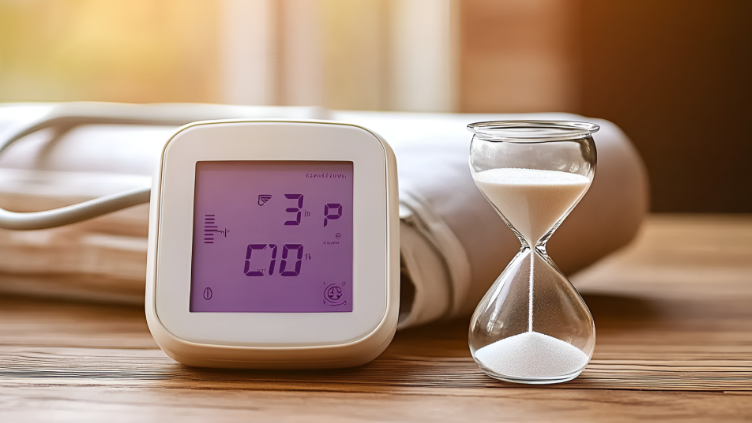
China has solidified its position as the world’s factory, and the medical device industry is no exception. The country’s manufacturing prowess offers several compelling advantages for businesses looking to source blood pressure monitors wholesale.
One of the most significant advantages of sourcing from China is the cost-effectiveness. The lower labor costs, coupled with a highly developed supply chain for raw materials and components, allow Chinese manufacturers to produce blood pressure monitors at a fraction of the cost of their Western counterparts. This cost advantage enables businesses to achieve higher profit margins or offer more competitive pricing to their customers. For a deeper understanding of how to manage your import finances, consider reading about the cheapest way to import from China.
China’s manufacturing landscape is vast and diverse, with thousands of factories specializing in medical devices. This provides an extensive range of options, from small-scale producers to large, vertically integrated manufacturers. The sheer number of suppliers fosters a competitive environment, driving innovation and keeping prices in check. Businesses can find manufacturers that specialize in specific types of blood pressure monitors, from basic digital models to advanced ambulatory devices.
Contrary to outdated perceptions, “Made in China” is increasingly synonymous with innovation and quality. Many Chinese manufacturers invest heavily in research and development, incorporating the latest technologies into their products. This includes features like Bluetooth connectivity, smartphone app integration, and advanced data analysis capabilities. The dynamic nature of the Chinese market ensures a constant stream of new and improved products, allowing businesses to stay ahead of the curve.
Chinese manufacturers are well-equipped to handle large-scale production. Their factories are designed for high-volume output, making them ideal partners for businesses looking to place substantial wholesale orders. This scalability ensures a consistent supply of products, even as your business grows. Whether you are a small startup or a large distributor, you can find a Chinese supplier capable of meeting your volume requirements.
Before you begin your sourcing journey, it is crucial to understand the different types of blood pressure monitors available. The best choice for your business will depend on your target market, price point, and desired features.
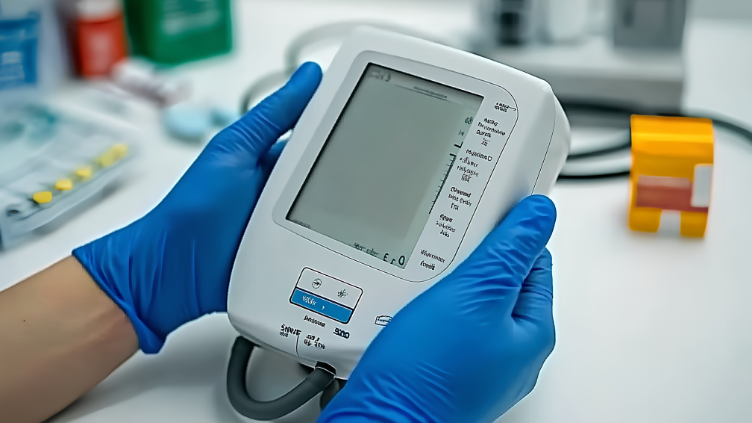
These are the most common type of blood pressure monitor for home use. They are user-friendly, with an automatic cuff that inflates and deflates at the touch of a button. The readings are displayed on a clear digital screen, often along with the pulse rate. Many models also include features like memory storage for multiple users, irregular heartbeat detection, and hypertension indicators.
Wrist monitors are smaller, lighter, and more portable than their upper arm counterparts. They are convenient for users who travel frequently or need to take readings on the go. However, it is important to note that wrist monitors can be more sensitive to body position, and proper usage is critical for accurate readings.
Also known as aneroid monitors, these are the traditional devices used by healthcare professionals. They consist of an inflatable cuff, a squeezing bulb, and a dial gauge. A stethoscope is required to listen for the brachial artery sounds. While they are highly accurate when used correctly, they require a certain level of skill and are not typically marketed to the general consumer.
These devices are designed for continuous monitoring over a 24-hour period. The user wears a cuff that automatically inflates and deflates at regular intervals, providing a comprehensive picture of their blood pressure fluctuations throughout the day and night. Ambulatory monitors are typically used for clinical purposes to diagnose hypertension and assess the effectiveness of treatment.
When selecting a blood pressure monitor from China, consider the specific needs of your target audience. For a general consumer market, digital upper arm monitors are usually the best choice. For a more niche market, such as frequent travelers or athletes, wrist monitors might be a better fit.
The success of your import business hinges on finding a reliable and trustworthy supplier. With thousands of potential partners to choose from, a systematic approach to supplier identification and vetting is essential.
Platforms like Alibaba, Made-in-China.com, and Global Sources are excellent starting points for finding potential suppliers. These websites list thousands of manufacturers and provide detailed information about their products, company history, and certifications. When using these platforms, pay attention to supplier ratings, reviews, and transaction history. For more insights on leveraging these platforms, you might find our article on how to find trusted wholesale suppliers on Alibaba helpful.
Attending industry-specific trade fairs, such as the Canton Fair or the China International Medical Equipment Fair (CMEF), is an excellent way to meet potential suppliers in person. This allows you to see their products firsthand, ask detailed questions, and build personal relationships.
For businesses new to importing from China, working with a sourcing agent or company can be invaluable. These professionals have extensive networks of trusted suppliers and can help you navigate the entire sourcing process, from supplier identification to quality control and logistics. A good sourcing agent can save you time, money, and potential headaches. To learn more about the benefits, read our guide on everything you need to know about a China sourcing agent.
Once you have a shortlist of potential suppliers, it is time to conduct a thorough vetting process. Here is a checklist of key areas to investigate:
Business Licenses and Certifications: Verify that the supplier has a valid business license and the necessary certifications for your target market, such as ISO 13485 (for medical devices), CE (for Europe), and FDA (for the US).
Factory Audits: A factory audit provides a comprehensive assessment of the supplier’s manufacturing capabilities, quality control systems, and working conditions. You can hire a third-party inspection company to conduct the audit on your behalf. To understand the importance of this step, refer to our article on why factory audits are key to your success.
Production Capacity and Quality Control Systems: Ensure that the supplier has the capacity to meet your order volume and has a robust quality control system in place to ensure product consistency.
Communication and Responsiveness: A good supplier should be responsive, professional, and easy to communicate with. Poor communication can be a red flag for future problems.
References and Reviews: Ask for references from other customers and check online reviews to gauge the supplier’s reputation and track record.
Once you have selected a supplier, the next step is to navigate the wholesale ordering process. A clear understanding of each stage will help ensure a smooth and successful transaction.
The RFQ is a formal request for a price quote from the supplier. Your RFQ should be as detailed as possible, including:
Product specifications (type of monitor, features, etc.)
Order quantity
Packaging requirements
Desired delivery timeline
Incoterms (more on this below).
A detailed RFQ will help you receive accurate quotes and avoid misunderstandings later on.
Before placing a large order, always request samples to evaluate the product quality. This allows you to test the device’s accuracy, functionality, and overall build quality. It is also an opportunity to assess the packaging and user manual.
Negotiation is a key part of the sourcing process. Do not be afraid to negotiate on price, especially for larger orders. You can also negotiate the Minimum Order Quantity (MOQ) and payment terms. Standard payment terms are typically a 30% down payment and the remaining 70% upon completion of the order. For guidance on this crucial step, read our article on how to negotiate with suppliers for better price and terms.
The Purchase Order (PO) is a legally binding contract between you and the supplier. It should include all the details of the order, including product specifications, quantity, price, payment terms, delivery date, and quality control standards. Ensure that both parties have signed the PO before production begins.
Incoterms are a set of internationally recognized rules that define the responsibilities of sellers and buyers for the delivery of goods under sales contracts. The most common Incoterms for importing from China are:
FOB (Free On Board): The seller is responsible for delivering the goods to the port of departure and loading them onto the ship. The buyer is responsible for the shipping costs, insurance, and customs clearance from that point on.
EXW (Ex Works): The seller’s only responsibility is to make the goods available at their factory. The buyer is responsible for all transportation costs, insurance, and customs clearance from the factory to the final destination.
For a more in-depth comparison, check out our article on FOB vs. EXW.
Maintaining high product quality is paramount when importing medical devices. A robust quality control strategy will help you avoid defects, ensure regulatory compliance, and protect your brand’s reputation.
A Quality Management System (QMS) is a formalized system that documents processes, procedures, and responsibilities for achieving quality policies and objectives. When vetting suppliers, inquire about their QMS and look for certifications like ISO 13485, which is the international standard for medical device quality management.
A comprehensive quality control plan should include inspections at various stages of the production process:
Pre-production Inspection: This involves inspecting the raw materials and components before production begins to ensure they meet your specifications.
In-production Inspection: This is conducted when 20-80% of the order has been completed. It allows you to identify and address any quality issues early in the production process.
Pre-shipment Inspection: This is the final inspection before the goods are shipped. It involves a thorough check of the finished products for quality, functionality, packaging, and labeling.
For a detailed overview of different inspection types, read our article on the types of inspection in production management.
For an unbiased assessment of your products, consider hiring a third-party inspection company. These companies have trained inspectors who can visit the factory on your behalf and provide a detailed report on their findings. To help you choose the right service, we have a guide on how to choose third-party quality control services.
AQL is a statistical sampling method used to determine the quality of a product batch. It defines the maximum number of defective units that can be considered acceptable during a random sampling of the order. Understanding AQL is essential for setting clear quality standards with your supplier. For a comprehensive explanation, refer to our article on what is AQL sampling.
Once your order is complete and has passed the final inspection, the next step is to arrange for shipping. The logistics of importing from China can be complex, so it is important to plan ahead.
The two main options for shipping from China are sea freight and air freight.
Sea Freight: This is the most cost-effective option for large shipments. However, it is also the slowest, with transit times ranging from 20 to 40 days.
Air Freight: This is much faster than sea freight, with transit times of 5 to 10 days. However, it is also significantly more expensive.
The best choice for your business will depend on your budget, timeline, and the size of your order. For a detailed comparison, read our article on why sea freight is cheaper than air freight.
If you choose sea freight, you will need to decide between FCL (Full Container Load) and LCL (Less than Container Load) shipping.
FCL: You rent an entire shipping container for your goods. This is the most cost-effective option if your order is large enough to fill a container.
LCL: Your goods are consolidated with other shipments in a shared container. This is a good option for smaller orders that do not require a full container.
To learn more about the differences, check out our guide on the difference between FCL and LCL container shipping.
When your shipment arrives at the port of destination, it will need to go through customs clearance. This involves submitting the necessary documentation and paying any applicable duties and taxes. The customs process can be complex, so it is a good idea to work with a customs broker to ensure a smooth and timely clearance.
A freight forwarder is a company that specializes in arranging the transportation of goods. They can handle all aspects of the shipping process, from booking the cargo space to managing the customs clearance. Working with a freight forwarder can simplify the logistics of importing from China and ensure that your goods arrive safely and on time.
Private labeling and customization offer a great opportunity to differentiate your products and build your brand. Many Chinese manufacturers offer OEM (Original Equipment Manufacturer) and ODM (Original Design Manufacturer) services.
Private labeling allows you to sell the manufacturer’s existing product under your own brand name. This is a cost-effective way to create a branded product line without investing in product development. You can customize the packaging, user manual, and even the device itself with your logo and branding.
When searching for suppliers, look for those that specialize in OEM/ODM services. These manufacturers will have experience in product development and customization and will be able to work with you to create a unique product that meets your specifications. For more information on this topic, read our guide on the difference between OEM and ODM manufacturing.
When working with an OEM/ODM manufacturer, it is crucial to protect your intellectual property (IP). This includes your brand name, logo, and any unique product designs. Consider registering your trademark in China and signing a non-disclosure agreement (NDA) with your supplier to prevent them from sharing your designs with other customers. For more tips on this, check out our article on how to protect your product idea when you outsource from China.
Importing from China can be a rewarding experience, but it is not without its challenges. Being aware of the potential pitfalls can help you proactively address them and minimize their impact on your business.
The language and cultural differences can sometimes lead to misunderstandings. To overcome this, be clear and concise in your communication. Use simple language and avoid jargon. It is also helpful to have a bilingual contact person on your team or to work with a sourcing agent who can facilitate communication with the supplier.
Maintaining consistent product quality can be a challenge, especially when working with a new supplier. To mitigate this risk, implement a robust quality control plan with inspections at every stage of the production process. A detailed PO with clear quality standards will also help ensure that the supplier understands your expectations.
Shipping delays can be caused by a variety of factors, including production issues, port congestion, and customs clearance problems. To minimize the risk of delays, work with a reliable freight forwarder and plan your inventory well in advance. Building a good relationship with your supplier can also help ensure that your orders are prioritized.
The regulatory landscape for medical devices can be complex and varies from country to country. It is your responsibility to ensure that your products meet the regulatory requirements of your target market. This includes obtaining the necessary certifications, such as CE and FDA, and ensuring that the labeling and packaging are compliant.
In the world of international sourcing, a transactional approach will only get you so far. Building strong, long-term relationships with your suppliers can provide a significant competitive advantage.
A good supplier relationship is a partnership built on trust, communication, and mutual respect. When you have a strong relationship with your supplier, they are more likely to go the extra mile for you, whether it is prioritizing your orders, offering better payment terms, or working with you to develop new products. For more insights on this topic, read our article on different types of supplier relationships you need to know.
Effective communication is the cornerstone of any good relationship. Be open and transparent with your supplier, and make an effort to understand their culture and business practices. Regular communication, whether through email, video calls, or factory visits, can help build rapport and prevent misunderstandings.
Provide regular feedback to your supplier on their performance, both positive and negative. This will help them understand your expectations and identify areas for improvement. A culture of continuous improvement will benefit both parties in the long run. To learn more about managing these relationships, check out our guide on supplier relationship management.
Sourcing a China blood pressure monitor for your wholesale business is a strategic move that can unlock significant growth opportunities. By leveraging China’s manufacturing strengths, you can offer high-quality, affordable products to your customers and build a profitable business. However, success in this endeavor requires careful planning, diligent execution, and a commitment to quality. From understanding the different types of blood pressure monitor China has to offer to finding and vetting reliable suppliers, each step of the process is crucial. The journey of blood pressure monitor wholesale purchasing is not just a transaction; it is about building a resilient and reliable supply chain. By implementing a robust quality control plan, navigating the complexities of logistics, and fostering strong supplier relationships, you can overcome the challenges and reap the rewards of importing a China BP machine. The world of blood pressure machine wholesale is competitive, but with the right knowledge and strategy, you can establish your brand as a trusted provider of high-quality health monitoring devices. Learn more about our sourcing services.
 English