Maple Sourcing Ltd.
Maple Sourcing Ltd.
We Make Your Sourcing Easy!
Need help? sales@maplesourcing.com
English
Maple Sourcing Ltd.
Maple Sourcing Ltd.

Top Toys to Import from China: What’s Selling in 2026

Published:
Updated:
7462 Views
Table of Content [Hide]

    2026 is a World Cup year. Blind boxes are reshaping collectible toy sales. AI toys are moving beyond novelty. And toys are no longer just for children. These are the six categories worth importing from China right now.

    6 Categories Selling Well in 2026

    Category Business driver Sourcing advantage
    Collectible and retro toys Adult buyers, repeat purchases, resale market Low MOQ, high margin, strong brand story potential
    Outdoor and sports toys 2026 World Cup + year-round active play demand Seasonal spike plus evergreen volume
    STEM and building toys Parents spending more on educational play Subscription kits create repeat orders
    Plush and comfort toys Gift market, licensing, emotional attachment Consistent year-round demand
    Arts, crafts, and DIY toys Screen-free gifting trend, creative economy Good margins, high gift purchase rate
    AI and interactive toys Tech-forward parents, differentiated product Premium pricing justified by novelty

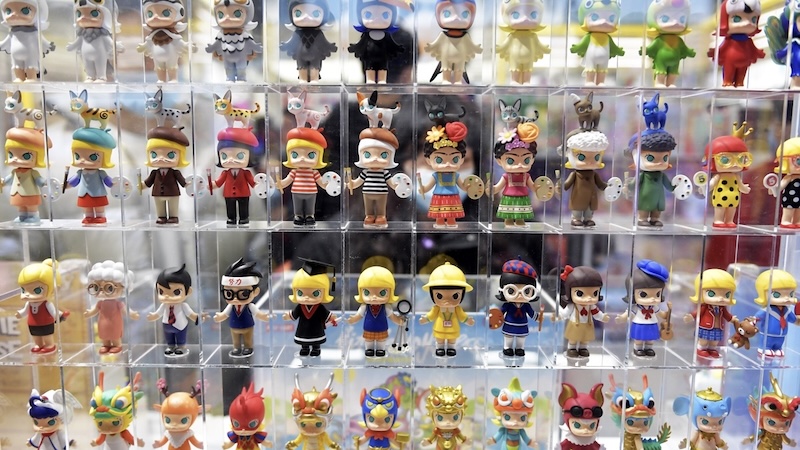
    Collectable toys from China

    1. Collectible and Retro Toys

    The biggest shift in the toy market is that adults and teenagers are now primary buyers — not just parents buying for children. Blind box figures, limited-edition vinyl toys, and retro revivals drive high repeat purchases because collecting is inherently addictive: you always need the next one.

    The business case: A blind box mechanic means buyers return for every new series. Rare figures command 5–10x face value in resale markets, creating community hype that markets your product for free. Social media unboxing content generates organic reach that paid advertising cannot replicate.

    What’s selling: Blind box figures in character series, designer vinyl in limited runs, high-quality character plush designed for display rather than play, and reissues of classic toy formats with premium materials.

    The sourcing reality: Chenghai in Shantou, Guangdong is the center of this category. Understanding China’s manufacturing hubs by product type helps you find factories with genuine collectible expertise rather than generalist plastic toy factories.

    Key sourcing risk: IP theft. If your character designs are original, protect them before sharing with any factory. Most importers who enter this category without IP protection find competitors selling identical products within months.

    2. Outdoor and Sports Toys

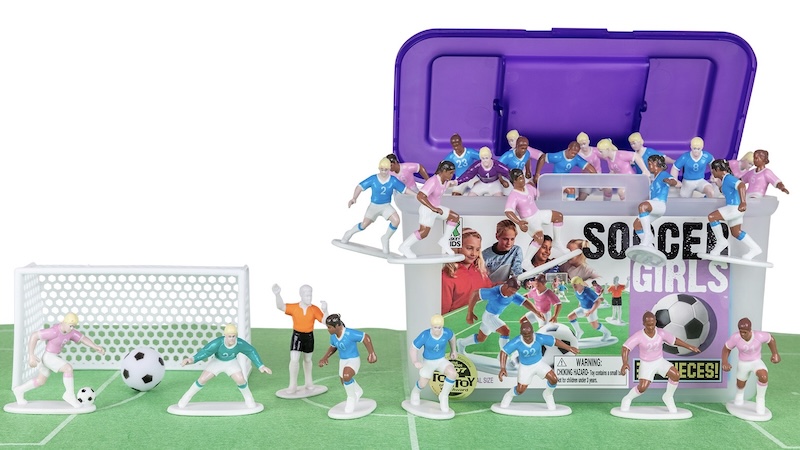
    2026 is the first FIFA World Cup hosted across the US, Canada, and Mexico — and the biggest soccer event in North America since the 1994 US World Cup. Soccer toy demand typically begins months before the tournament and peaks during the event. For importers, this creates a clear demand window around fan toys, sports toys, backyard games, and soccer-themed products.

    The business case: Soccer is the world’s most popular sport, and World Cup years create first-time buyers who do not normally buy sports toys. Mini goals, training sets, foam balls, and fan merchandise toys all see spikes. For importers in mid-2026, the best opportunities are quick-turn stock items, fan toys, and replenishment orders from suppliers with ready inventory.

    What’s selling beyond soccer: Bubble machines and refill solutions (consumable repeat purchase), water blasters (seasonal summer spike), ride-on scooters and balance bikes (gifting staples), and backyard sports sets for families.

    The sourcing reality: Outdoor toys require UV-resistant materials. Plastic that yellows or cracks after one season generates returns and destroys reviews. Specify UV resistance in the purchase order and test outdoor samples under sunlight exposure before buying in volume.

    3. STEM and Building Toys

    Parents are consistently willing to pay more for toys that feel educational. A $40 coding robot competes less on price than a $40 action figure — the “educational” frame justifies the premium and reduces price sensitivity.

    The business case: Subscription kit models create recurring revenue. A coding kit that ships monthly projects builds customer relationships that single-purchase toys cannot. Subscription toybox brands have proven this model works. For importers, partnering with or supplying subscription businesses opens a repeatable order cycle.

    What’s selling: App-connected coding robots for ages 6–12, building sets that range from entry-level to advanced (magnetic tiles, architectural models, engineering kits), and monthly DIY project subscription boxes.

    The sourcing reality: App quality determines product success as much as the physical toy. An app that crashes, runs slowly, or requires constant updates will tank your reviews no matter how well-made the hardware is. Test apps on multiple device types before ordering.

    4. Plush and Comfort Toys

    Plush has the most consistent year-round demand of any toy category. It does not depend on trends, seasons, or technology. Gift buyers always need a safe, universal present — and a well-made plush is exactly that.

    The business case: Licensed character plush tied to current entertainment properties creates demand spikes. Generic high-quality plush in trending aesthetics (weighted animals, oversized proportions, premium fabric) holds steady year-round. The gift market is the engine here: plush is one of the most universally acceptable gifts for children at any age.

    What’s selling: Large display-quality character plush, weighted comfort animals (positioned for sleep and anxiety relief), miniature collectible plush sets, and licensed properties from current films and shows.

    The sourcing reality: Yangzhou in Jiangsu is China’s plush manufacturing center. Fill material quality determines whether a toy lasts or flattens after three months. New PP cotton holds shape; cheaper alternatives do not. Specify fill grade in the purchase order.

    5. Arts, Crafts, and DIY Toys

    Screen-free gifting is a real consumer trend, not just a marketing phrase. Parents actively seek activities that take children away from devices — and craft kits photograph beautifully on social media, driving organic discovery.

    The business case: Craft kits have excellent gift economics: they look substantial, feel premium at the right price point, and have a natural completion moment that creates satisfaction. Return rates are low because buyers expect an experience, not a finished product. Gift purchase rate is high — making these products strong for Q4 and birthday seasons.

    What’s selling: Resin art sets (youth and adult versions), paint-by-numbers (crossover category: children and adults), friendship bracelet kits, candle and soap making kits, knitting and embroidery starters, and slime activity sets.

    The sourcing reality: Non-toxic materials matter for this category — not just for compliance, but for marketing. “Non-toxic, child-safe” is a selling point your customers look for. Get test reports from an accredited lab, not just supplier declarations.

    6. AI and Interactive Toys

    AI-powered toys are early in their consumer adoption curve, which means first-mover advantage is still available. The category is growing fast because consumers are curious and because parents see “AI” as a proxy for educational value.

    The business case: AI interactive toys can command premium pricing because the technology novelty justifies it. A standard plush sells for $15; an AI companion plush that recognizes the child’s name and tells stories can sell for $50. The margin differential is significant. First movers in specific niches (AI reading companions, AI language learning toys) are establishing brand positions while the category is still unsaturated.

    What’s selling: AI companion figures and plush that hold basic conversations, AR-enhanced board games that add digital layers to physical play, connected building sets with programmable LEDs, and interactive learning robots with adaptive difficulty.

    The sourcing reality: Data privacy compliance is the non-negotiable business risk in this category. Any toy that records or processes a child’s voice may trigger child privacy obligations, including COPPA in the US and GDPR-related child data rules in Europe. Retailers will ask for this documentation. Get it in place before you list the product, not after a retailer flags it.

    Soccer toy kids

    What Makes Toys Different from Other Categories

    Toys carry higher compliance obligations than most consumer goods. Safety testing is not optional — it is required before retail listing in any major market. But this creates a business advantage for importers who do the work: compliant toys can access retail channels that exclude competitors who cut corners.

    For the US market, many children’s toys must meet ASTM F963 toy safety requirements, applicable CPSC rules, and Children’s Product Certificate (CPC) requirements. For the EU, check EN 71 and CE requirements before ordering.

    The sourcing and inspection reality: Toy defects that reach consumers generate returns, negative reviews, and occasionally safety complaints. A pre-shipment inspection before final payment catches problems while there is still leverage to fix them. For toys specifically, inspectors should test functional features, check attachment strength on small components, and compare packaging against the approved sample.

    Verifying a toy factory before ordering means confirming they hold current factory audit certificates and have experience exporting to your target market. A factory audit is especially worthwhile before placing a large first order with a new supplier.

    FAQ

    1. What are the top-selling toy categories from China in 2026?

    Collectibles (blind boxes), outdoor and sports toys with a World Cup uplift, STEM and educational kits, plush, craft sets, and AI interactive toys. The outdoor category has a specific 2026 window — World Cup demand can support quick-turn stock, fan toys, and replenishment orders when suppliers have ready inventory.

    2. What is the minimum order quantity for toys from China?

    MOQs vary by category. Collectibles: 500–1,000 units per design. Plush: 300–500 units. Educational kits and outdoor toys vary widely. For non-licensed products, MOQs are negotiable — most factories will consider a lower first order if you can commit to a reorder. Licensed character toys have fixed minimums set by the licensor.

    3. When should I place toy orders to hit Q4 holiday season?

    For sea freight arrivals in October, orders must leave Chinese factories by July at latest. Many importers book earlier (May–June) to secure factory capacity. For time-sensitive toy trends such as World Cup fan items, quick-turn inventory and supplier stock availability matter more than custom development.

    4. Is it safe to source licensed toy characters from China?

    Only with a valid licensing agreement from the IP owner. Unauthorized production is trademark infringement regardless of where manufactured — and Chinese factories are well-known for producing unauthorized versions if not contracted properly. Licensed toys require royalty payments, approved factory lists, and licensor quality approval.

    5. What is blind box and why does it sell so well?

    A blind box contains one figure from a series, but the specific character is unknown until opened. This mechanic drives repeat purchases to complete a set, generates unboxing social content, and creates a secondary resale market for rare figures. The uncertainty is a deliberate design feature — and it is why blind box brands see dramatically higher repeat purchase rates than standard toy lines.

    6. What is the most common cause of toy quality problems from China?

    Vague purchase orders. A PO that says “soft fill material” leaves interpretation to the factory. The factory interprets it cheaply. Write every material grade, dimension, and performance requirement explicitly into the purchase order — then verify during pre-shipment inspection before releasing payment.

    7. What is the typical lead time for toy orders from China?

    Standard products from existing molds: 20–35 days production plus sea freight. Custom products requiring new molds: 45–75 days plus shipping. Licensed products take longer because designs must be approved by the licensor before production starts. Always build in time for sample approval and pre-shipment inspection.

    8. How do I handle defective toys that have already arrived?

    Document defects with photos and measurements against your purchase order before processing or selling any units. Contact the supplier in writing with specific evidence. Options include: credit toward next order, replacement units in the next shipment, or partial refund. A pre-shipment inspection would have caught most defects in China — for future orders, make inspection a condition before releasing final payment.

    Conclusion

    The toy categories selling best in 2026 are specific, well-defined, and tied to clear consumer trends. The 2026 World Cup creates a timed opportunity that does not exist every year. Collectibles are reshaping who buys toys. AI toys are establishing new price ceilings.

    The importers who win in this market are the ones who choose the right category, get in front of demand, and protect quality through inspection before goods ship.

    For importers who need inspection and quality control support for toys from China, see quality inspection services.

    Need help turning a product idea into a manufacturable sample?
    Maple Sourcing coordinates supplier feedback, samples, drawings, packaging, and production-readiness details before you commit to bulk manufacturing.
    Aaron Li
    I’m Aaron Li, a sourcing expert. Since 2012, I’ve helped 300+ startups source from China and manage product standards. Here, I share practical answers to common questions about sourcing and quality control.
    All Articles
    How to Calculate Landed Cost from China: Formula + Example
    CIF vs FOB Shipping from China: Which Should You Use?
    Carton Shipping Marks: What Importers Should Specify
    Where to Source Products for Retail Arbitrage in 2026
    Chinese Wholesale Websites Compared: Which One Actually Fits Your Sourcing Strategy?
    Senior Living Products from China: What Importers Should Source in 2026
    Wholesale Home Decor from China: What Retailers Should Check
    How to Source Solar Panels from China: A Buyer's Guide
    Can You Get Free Samples from Chinese Factories? Here's How
    Dollar Store Products in Africa: What Sells Best from China
    Private Label Sourcing from China: The Pros, Cons, and What Most Sellers Get Wrong
    Buying from Alibaba? Here Are the Risks No One Warns You About
    How to Find Wholesale Suppliers for Small Businesses
    CBM Calculator for Ocean Freight: Formula and Examples
    Profitable Ecommerce Niches: How to Find Gaps Before You Source
    Proforma Invoice or Commercial Invoice? What Every Importer Needs to Know
    Gross vs Net Weight in Shipping: What to Check
    Direct vs Indirect Sourcing: How to Choose the Right Model
    How to Write an RFQ for China Suppliers: Examples and Best Practices
    Trade-Offs in Logistics and Supply Chain Management: What Every Importer Should Know
    How Much Does It Cost to Start an Import Export Business?
    China's Major Logistics Companies: Who They Are and What They Do
    How to Ask a Chinese Supplier to Lower the Price Without Losing Quality
    The Hidden Costs of Importing from China That Eat Your Margin
    Sourcing from China for Amazon: What Most Sellers Get Wrong
    Custom Packaging from China: How Small Businesses Can Start
    Supplier Quality Audit in China: What to Check and Why
    China Manufacturing Hubs: Which Region Should You Source From?
    Made in PRC: What the Label Means and Why It Matters for Importers
    FCL vs LCL Container Shipping: Which Is Right for Your Order?
    Sea Freight vs Air Freight: The Real Cost Difference and When to Use Each
    Top Toys to Import from China: What’s Selling in 2026
    China to Canada Shipping: How to Cut Freight Costs
    Alibaba vs AliExpress: Which Platform Should You Use?
    China to USA Imports: How to Navigate Tariffs Without Losing Your Margin
    OEM or ODM? How China Manufacturers Define the Difference
    How to Protect Your Product Idea When Outsourcing from China
    FOB vs EXW for China Imports: What the Difference Really Costs You
    1688 Purchasing Agent: How to Buy from China’s Domestic Market
    Yiwu Market Product List: What to Buy and What to Avoid
    What Is 4PX Shipping? Delivery Times, Tracking, and Delays
    DHL Shipment On Hold? What to Do and Who Fixes It
    Best Taobao Agent for Kitchen Products: What to Look For
    Alibaba Verified Supplier: Useful Filter, But Not a Quality Guarantee
    Foshan Furniture Market Guide: What to Buy, What to Check
    Guangzhou Fabric Market: Tour Guide & Sourcing Tips
    Is the Canton Fair Worth It for a First-Time Buyer?
    Why Huaqiangbei Electronics Market Is Becoming Risky for Importers
    China Electric Toothbrush Suppliers: What to Check
    Bag Manufacturers in China: How to Find One That Can Execute Your Design
    Managing Sample Orders in China: Why What You Imagined Isn't What You Get
    Top 5 Shipping Documents Every Importer Must Know
    Procurement Life Cycle: Step by Step for Logistics
    Top Beauty and Healthcare Products on Amazon: Seller Risks
    Can Your Factory Actually Deliver? How to Check Before You Order
    China's Top 10 Wholesale Markets: Where to Source, What to Expect
    Why Are So Many Toothbrushes Made in China?
    Shenzhen's Best-Known Products: From Electronics to Innovation
    Lower MOQ, Same Supplier: Negotiation Tactics That Actually Work
    Why Brands Use OEM Instead of Their Own Factories
    Why Smart Importers Consolidate Shipments from Multiple Suppliers
    10 Profitable Products to Import from China to Europe (2026)
    Key Shipping Ports in China and North America for Importers
    What Apple's China Suppliers Teach Small Buyers in 2026
    Incoming Quality Control in China: What Buyers Need to Know
    China Sourcing Agent Fees: Hidden Costs and Real Rates (2026)
    What Products from China Are Most Profitable to Resell in 2026?
    Why Are Most Things Made in China? The Real Reasons Behind the Label
    Top 10 Quality Inspection Companies in China: Who to Trust in 2026
    How Much Cheaper Is Manufacturing in China?
    Customized Products from China: 4 Trends Buyers Should Check
    China Pre-Shipment Inspection Process: What Buyers Need to Know
    Global Sourcing Challenges: What Goes Wrong and How to Fix It
    How to Source Electronics from Shenzhen Markets
    How to Verify a Chinese Company Without Visiting China
    Bulk Order from China: 7 Checks Before You Pay
    How to Order from Alibaba Without Losing Your Deposit or Getting the Wrong Product
    What Makes China's Supply Chain Impossible to Replace?
    Rapid Prototyping in China: Get Samples Faster
    China FBA Sourcing: What Amazon Sellers Must Know Before the First Order
    Buying in Bulk from China: Is It Still Worth It?
    Sourcing LED Lights from China: 6 Checks Before You Order
    How a China Sourcing Service Saves You Time, Money, and Costly Mistakes
    How to Contact Chinese Factories Directly and Get a Response
    China Manufacturing: 8 Steps to Keep Orders on Track
    Kitchen Products from China: 7 Supplier Mistakes to Avoid
    6 Practical Checks to Find the Best Products to Import from China
    Trendy Electronics from China: What’s Selling in 2026
    Chinese Supplier Search: How to Shortlist the Right Ones
    Shenzhen Sourcing Agent: Best for Electronics and Tech Sourcing
    Hardware Import from China: What Buyers Must Check First
    China Direct Sourcing: When It Helps and When It Hurts
    China Supplier Management: 5 Things to Lock Down
    Direct Product Sourcing in China: A Beginner's Complete Guide
    China Outdoor Product Suppliers: What Separates Good from Bad
    China Buying Agent: When You Need One and When You Don’t
    Manufacturing in China: What’s Changed and What Hasn’t
    The Real Cost of Managing China Procurement In-House
    Metal Products from China: 6 Checks Before You Order
    How a China Sourcing Agent Helps Amazon Sellers Scale Fast
    Read More
    References
    Our Features
    Custom Products
    Turn concept to reality
    Quick Response
    Within 24 hours
    Detail Oriented
    Strive for perfection
    Assured Quality
    100% Guarantee