Maple Sourcing Ltd.
Maple Sourcing Ltd.
We Make Your Sourcing Easy!
Need help? sales@maplesourcing.com
English
Maple Sourcing Ltd.
Maple Sourcing Ltd.

Is the Canton Fair Worth It for a First-Time Buyer?

Published:
Updated:
4495 Views
Table of Content [Hide]

    For most first-time buyers, the Canton Fair is worth it only if you already know what you want to source and you’re ready to buy soon. Go with a clear plan and it can jump-start your supply chain. Go just to browse and you’ll burn money on flights, hotels, and a week away from work for a stack of business cards you never follow up on.

    What You Actually Get by Going

    The real value isn’t the products. It’s meeting dozens of suppliers face to face in a few days instead of emailing them for months. You can hold the sample, watch how a supplier handles hard questions, and get a feel for who’s serious. You also see the whole market at once: the going price, what’s new, and who’s copying whom. For a first-timer, that quick read on “what normal looks like” is often worth as much as any single supplier you meet.

    What the fair gives you Why it matters to a new buyer
    Many suppliers in one place Compare in days, not months
    Face-to-face read Spot who’s professional fast
    Samples in hand Judge real quality, not photos
    Live market view Learn fair prices and trends

    Who Should Go, and Who Should Wait

    The fair rewards buyers who arrive with a specific product and real intent to order. It wastes the time of anyone still deciding what to sell. If you can name your product, your target price, and roughly how many units you need, you’re ready to get value from the floor.

    If you’re still just exploring ideas, the trip usually isn’t worth it yet. You’ll get better results narrowing your product online first, then going once you know what you’re hunting for.

    You’re ready to go if… Wait a bit if…
    You know your product and specs You’re still picking a niche
    You plan to order within months You’re only browsing ideas
    You have a target price and quantity You have no budget set
    You can travel and follow up after You can’t act on what you find

    Case: A first-time buyer flew in without a clear product, wandered three phases of the fair, and left with a bag of catalogs and no orders. A second buyer came for one thing, kitchen storage, met eight suppliers in a day, and shortlisted three before dinner. Same fair, completely different trips.

    Canton Fair

    Know the Three Phases Before You Book

    The Canton Fair runs in three phases, each covering different products, so the dates you book decide what you’ll actually see. Show up in the wrong phase for your product and you’ll walk past halls that have nothing for you.

    Roughly, the phases often split like this, but the exact categories can change by session. The fair runs each spring and autumn in Guangzhou, so check the official site for the current session’s dates and confirm your product category before you book.

    Phase Main categories
    Phase 1 Electronics, appliances, lighting, machinery, hardware, building materials
    Phase 2 Kitchenware, household goods, gifts, home decor, personal care
    Phase 3 Clothing, shoes, textiles, bags, health products, food

    Always check the official schedule for your session, since categories shift a little each time. Booking the wrong phase is the single most avoidable mistake a first-timer makes.

    What to Do Before You Fly

    A little prep is the difference between a productive trip and an expensive walk. The fair is huge, so you plan around your product, not the whole complex.

    Sort out the basics early: register online for your buyer badge and invitation letter, book a hotel with easy metro access to the Pazhou complex, and bring plenty of business cards. Good news on travel: China has expanded visa-free entry for some passports and 240-hour visa-free transit for eligible travelers, so visiting is easier than it used to be. Still, check the current rules for your passport and route before you book. Then do the part most people skip: write down your product specs, target price, and the exact questions you’ll ask every supplier. Walking up with a clear spec makes you look like a real buyer, not a tourist.

    Before you go Why it helps
    Register for badge and invitation Faster entry, and useful if you need visa documents
    Book a hotel near Pazhou Save hours of commuting daily
    Bring hundreds of business cards Every booth will want one
    Write specs and target price Get real quotes, not vague ones
    List your must-ask questions Compare suppliers fairly

    The Traps First-Timers Fall Into

    The biggest risk isn’t getting cheated at the fair. It’s assuming the show sample equals what you’ll actually receive in bulk. The unit on display is often the best one the supplier owns. Your job is to lock down what the real production run will look like.

    Two more traps catch new buyers. Many booths are trading companies, not factories, so if you need a real manufacturer, confirm you’re dealing with one and later verify the factory before you pay. And prices quoted on the floor are a starting point, not a final number, so treat the booth chat as the opening of a price negotiation, not the end of one.

    Trap How to avoid it
    Show sample beats bulk quality Approve a real production sample
    Trading company posing as a factory Ask direct questions, verify later
    Floor price treated as final Negotiate after the fair
    No follow-up plan Log every supplier as you go

    Case: A buyer loved a display sample and ordered on the spot. The bulk shipment came back thinner and rougher than the booth version. A signed pre-production sample would have caught the gap before any money moved.

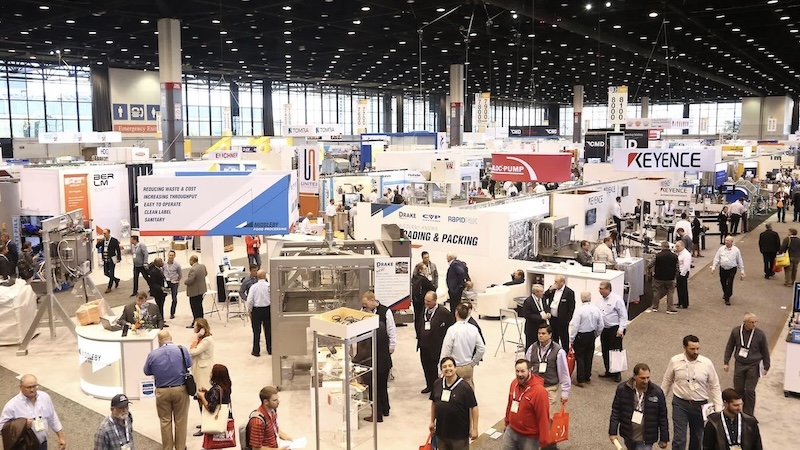
    Trade show hall

    What Happens After the Fair

    The trip is only half the job. The orders come from what you do in the two weeks after you fly home. Business cards go cold fast, so the buyer who follows up first and clearly usually wins the deal.

    Sort your contacts the same evening while you still remember each booth. Shortlist the few suppliers worth pursuing, email them quickly to stand out, and move the serious ones into a proper sample process. Before any bulk order ships, plan a pre-shipment inspection so the goods match the sample you approved, not the one you saw at the booth.

    Case: Two buyers met the same supplier. One emailed detailed specs the next morning; the other waited two weeks. The fast buyer got sharper pricing and priority, simply for being first and clear.

    FAQ

    Q1: Do I have to speak Chinese to attend?

    No. Most exhibitors who target export markets have English-speaking staff, and signage is bilingual. Clear, simple English and written specs matter more than knowing Chinese.

    Q2: How many days do I need at the fair?

    Plan for at least two to three days in the phase that matches your product. The complex is huge, so trying to cover everything in one day leaves you rushed and empty-handed.

    Q3: Can I place orders right at the fair?

    You can, but it’s usually smarter not to. Use the fair to shortlist suppliers, then sample and verify before committing, since a booth sample doesn’t guarantee your bulk order.

    Q4: What if I’m not ready to buy yet?

    Then wait. The fair works best once you know your product and plan to order soon. Until then, you’ll get more from narrowing your idea online than from a costly walk-through.

    Q5: Is the Canton Fair good for small orders?

    Sometimes. Many exhibitors want large orders, but plenty of smaller suppliers attend too. Ask about minimums early so you don’t spend time on booths that only chase big buyers.

    Q6: How do I know if a booth is a factory or a trader?

    Ask direct questions about their production, factory location, and which products they actually make. Traders aren’t always a problem, but you should know who you’re dealing with before you order.

    Q7: Is it better to go to the fair or just source online?

    They serve different needs. Online is fine for simple, known products, while the fair helps when you want to compare many suppliers, judge quality in person, or build real relationships.

    Q8: Can a sourcing agent go for me instead?

    Yes. If you can’t travel, an agent can attend, shortlist suppliers, and handle samples and checks on your behalf. That’s a common route for smaller buyers, and it’s one reason a sourcing agent can be worth the fee when a trip isn’t practical.

    Conclusion

    The Canton Fair is worth it for a first-time buyer with a clear product and real intent to order, and a waste for anyone who shows up just to browse. Go for the right phase, arrive with specs and a target price, treat booth samples and prices as starting points, and do the follow-up fast. Handle it that way and one trip can give you a serious supplier shortlist instead of a pile of forgotten business cards.

    If you’d rather test the waters before booking a flight, a good first step is solid supplier sourcing that finds and vets factories for you, in person or from afar.

    Need help finding reliable China suppliers?
    Maple Sourcing helps search, compare, and shortlist suitable suppliers before you request samples, pay deposits, or start production.
    Aaron Li
    I’m Aaron Li, a sourcing expert. Since 2012, I’ve helped 300+ startups source from China and manage product standards. Here, I share practical answers to common questions about sourcing and quality control.
    All Articles
    How to Calculate Landed Cost from China: Formula + Example
    CIF vs FOB Shipping from China: Which Should You Use?
    Carton Shipping Marks: What Importers Should Specify
    Where to Source Products for Retail Arbitrage in 2026
    Chinese Wholesale Websites: Which One Should You Use?
    Senior Living Products from China: What Importers Should Source in 2026
    Wholesale Home Decor from China: What Retailers Should Check
    How to Source Solar Panels from China: A Buyer's Guide
    Can You Get Free Samples from Chinese Factories? Here's How
    Dollar Store Products in Africa: What Sells Best from China
    Private Label Sourcing from China: The Pros, Cons, and What Most Sellers Get Wrong
    4 Risks of Buying from Alibaba Before You Pay
    How to Find Wholesale Suppliers for Small Businesses
    CBM Calculator for Ocean Freight: Formula and Examples
    Profitable Ecommerce Niches: How to Find Gaps Before You Source
    Proforma Invoice or Commercial Invoice? What Every Importer Needs to Know
    Gross vs Net Weight in Shipping: What to Check
    Direct vs Indirect Sourcing: How to Choose the Right Model
    How to Write a Quote Request That Gets Real Prices
    Supply Chain Trade-Offs: Cost, Speed, and Risk
    How Much Does It Cost to Start an Import Export Business?
    China's Major Logistics Companies: Who They Are and What They Do
    How to Get a Supplier to Lower the Price, Not the Quality
    The Hidden Costs of Importing from China That Eat Your Margin
    Sourcing from China for Amazon: What Most Sellers Get Wrong
    Custom Packaging from China: How Small Businesses Can Start
    Supplier Quality Audit in China: What to Check and Why
    China Manufacturing Hubs: Which Region Fits Your Product?
    Made in PRC: What the Label Means and Why It Matters for Importers
    FCL vs LCL Container Shipping: Which Is Right for Your Order?
    Sea Freight vs Air Freight: The Real Cost Difference and When to Use Each
    Top Toys to Import from China: What’s Selling in 2026
    China to Canada Shipping: How to Cut Freight Costs
    Alibaba vs AliExpress: Which Platform Should You Use?
    China to USA Imports: How to Navigate Tariffs Without Losing Your Margin
    OEM or ODM? How China Manufacturers Define the Difference
    How to Protect Your Product Idea When Outsourcing from China
    FOB vs EXW for China Imports: What the Difference Really Costs You
    1688 Purchasing Agent: How to Buy from China’s Domestic Market
    Yiwu Market Product List: What to Buy and What to Avoid
    What Is 4PX Shipping? Delivery Times, Tracking, and Delays
    DHL Shipment On Hold? What to Do and Who Fixes It
    Best Taobao Agent for Kitchen Products: What to Look For
    Can You Trust an Alibaba Verified Supplier for Quality?
    Foshan Furniture Market Guide: What to Buy, What to Check
    Guangzhou Fabric Market Guide: What to Buy, What to Avoid
    Is the Canton Fair Worth It for a First-Time Buyer?
    Why Huaqiangbei Electronics Market Is Becoming Risky for Importers
    China Electric Toothbrush Suppliers: What to Check
    Bag Manufacturers in China: How to Find One That Can Execute Your Design
    Managing Sample Orders in China: Why What You Imagined Isn't What You Get
    Top 5 Shipping Documents Every Importer Must Know
    Procurement Life Cycle: Step by Step for Logistics
    Top Beauty and Healthcare Products on Amazon: Seller Risks
    Can Your Factory Actually Deliver? How to Check Before You Order
    Top 10 Wholesale Markets in China: Which One Fits Your Product?
    Why Are So Many Toothbrushes Made in China?
    Shenzhen's Best-Known Products: From Electronics to Innovation
    Lower MOQ, Same Supplier: Negotiation Tactics That Actually Work
    Why Brands Use OEM Instead of Their Own Factories
    Why Smart Importers Consolidate Shipments from Multiple Suppliers
    10 Profitable Products to Import from China to Europe (2026)
    Key Shipping Ports in China and North America for Importers
    What Apple's China Suppliers Teach Small Buyers in 2026
    Incoming Quality Control in China: What Buyers Need to Know
    China Sourcing Agent Fees: Hidden Costs and Real Rates (2026)
    8 Most Profitable Products from China to Resell in 2026
    Why Are Most Things Made in China? The Real Reasons Behind the Label
    Inspection Companies in China: How to Choose in 2026
    How Much Cheaper Is Manufacturing in China?
    Customized Products from China: 4 Trends Buyers Should Check
    China Pre-Shipment Inspection Process: What Buyers Need to Know
    Global Sourcing Challenges: What Goes Wrong and How to Fix It
    How to Source Electronics from Shenzhen Markets
    How to Verify a Chinese Company Without Visiting China
    Bulk Order from China: 7 Checks Before You Pay
    How to Order from Alibaba Without Losing Your Deposit or Getting the Wrong Product
    What Makes China's Supply Chain Impossible to Replace?
    Rapid Prototyping in China: Get Samples Faster
    China FBA Sourcing: What Amazon Sellers Must Know Before the First Order
    Buying in Bulk from China: Is It Still Worth It?
    Sourcing LED Lights from China: 6 Checks Before You Order
    How a China Sourcing Service Saves You Time, Money, and Costly Mistakes
    How to Contact Chinese Factories and Get a Reply
    China Manufacturing: 8 Steps to Keep Orders on Track
    Kitchen Products from China: 7 Supplier Mistakes to Avoid
    6 Practical Checks to Find the Best Products to Import from China
    Trendy Electronics from China: What’s Selling in 2026
    Chinese Supplier Search: How to Shortlist the Right Ones
    Shenzhen Sourcing Agent: Best for Electronics and Tech Sourcing
    Hardware Import from China: What Buyers Must Check First
    China Direct Sourcing: When It Helps and When It Hurts
    China Supplier Management: 5 Things to Lock Down
    Direct Product Sourcing in China: A Beginner's Complete Guide
    China Outdoor Product Suppliers: What Separates Good from Bad
    China Buying Agent: When You Need One and When You Don’t
    Manufacturing in China: What’s Changed and What Hasn’t
    The Real Cost of Managing China Procurement In-House
    Metal Products from China: 6 Checks Before You Order
    How a China Sourcing Agent Helps Amazon Sellers Scale Fast
    Read More
    References
    Our Features
    Custom Products
    Turn concept to reality
    Quick Response
    Within 24 hours
    Detail Oriented
    Strive for perfection
    Assured Quality
    100% Guarantee