Maple Sourcing Ltd.
Maple Sourcing Ltd.
We Make Your Sourcing Easy!
Need help? sales@maplesourcing.com
English
Maple Sourcing Ltd.
Maple Sourcing Ltd.

Supplier Quality Audit in China: What to Check and Why

Published:
Updated:
7418 Views
Table of Content [Hide]

    Your supplier looks legitimate. Their sample was excellent. Their price is competitive. So why do experienced importers still insist on a factory audit before placing the first production order?

    Because a good sample tells you what a factory can produce under ideal conditions. A factory audit tells you whether they have the systems, controls, and discipline to produce it consistently, at volume, over time.

    This guide covers what a supplier quality audit examines, why each area matters, and how to use the results to make better sourcing decisions.

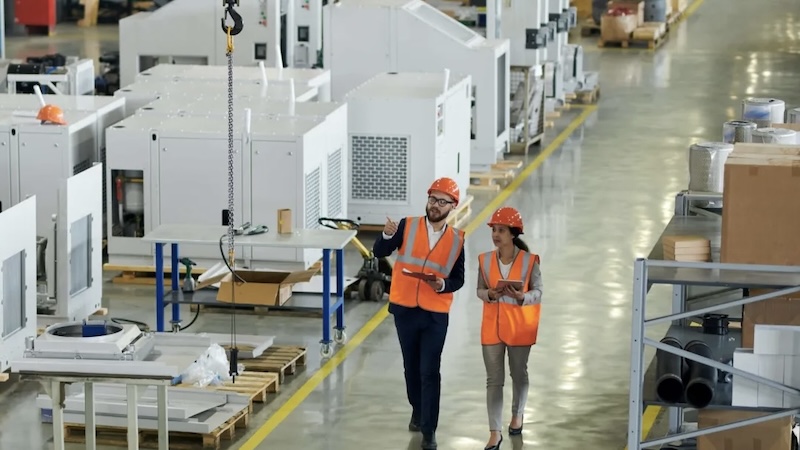
    Auditor walking China factory production floor

    What a Factory Audit Is — and What It Is Not

    A factory audit is a systematic evaluation of a supplier’s quality management systems, production processes, equipment, and workforce capability. It is conducted at the supplier’s facility, either by your own representative, a third-party auditor, or a sourcing company’s quality team.

    A factory audit is not the same as a pre-shipment inspection. Pre-shipment inspection for finished batches evaluates specific goods from a specific production run. A factory audit evaluates the supplier’s capability to produce consistently — before you commit to an order.

    Before auditing, confirm the factory’s legal registration and operating status. Verifying supplier legal status through NECIPS and other government records ensures you are auditing the correct legal entity at the correct location. Some sales offices are in different locations from the actual factory.

    Area 1: Management Commitment to Quality

    This is where experienced auditors start, and where early risk signals often appear.

    A factory can have modern equipment and documented procedures, but if management treats quality as a cost to minimize rather than a process to manage, the system will fail under pressure. The question is not whether the factory has a quality policy — most do. The question is whether it is real.

    What to check:

    • Does a written quality policy exist, and is it visible on the factory floor?
    • Can operators explain the key defect risks and acceptance criteria for their station?
    • Are there regular management review meetings where defect rates, customer complaints, and quality metrics are discussed? Ask to see minutes from recent meetings.
    • Are quality objectives documented, measurable, and tracked? Vague commitments like “we value quality” are different from specific targets like “reduce in-process defect rate by 5% this quarter.”

    A factory where the general manager cannot articulate the current defect rate, and where workers have never heard of the quality policy, is a factory where quality may not be actively managed.

    Area 2: Quality Management System

    The Quality Management System (QMS) is the documented framework that defines how the factory manages quality across all functions. ISO 9001 certification is the most widely recognized benchmark.

    ISO 9001: If the supplier claims certification, verify it. Request the certificate and check that the scope covers the product category you intend to source. A certificate for metal stamping is irrelevant if you are sourcing electronics. Verify authenticity with the issuing certification body — certificates can be fabricated. Certification is useful, but the audit should confirm whether the system is actually practised on the floor.

    Document control: Ask how the factory ensures that the correct version of a product specification or work instruction is being used on the production floor. A common source of defects is production based on an outdated drawing. How are old versions removed and new ones distributed?

    Corrective and preventive action (CAPA): This is one of the most important checks in a quality audit. Ask the supplier to walk you through how they handled a specific quality problem in the past six months. What you are looking for: Did they find the root cause? Did they fix the process, or just sort the defective units? Did they verify that the fix worked?

    A weak supplier fixes defective products. A strong supplier fixes the process that created them.

    Internal audits: Does the factory audit its own quality system? Ask for the internal audit schedule and recent results. Internal audits show whether the factory has a mechanism for finding and correcting system gaps.

    Area 3: Production Process Controls

    This section follows the product through the factory, from raw material receipt to final packaging. It is the most detailed part of the audit and where China audit and inspection companies spend the most time.

    Work instructions and visual aids: Are documented work instructions available at each workstation, or do operators rely on memory and habit? Walk the production line. At each station, ask the operator to show you the work instruction for their task. If they cannot find it, or if it does not exist, process consistency depends entirely on individual knowledge — which changes when experienced workers leave.

    Key process parameters: For processes where specific conditions matter — molding temperature, mixing ratios, curing time, soldering temperature — are these parameters monitored and recorded? Or are they set once and left unverified? Process drift is a major cause of batch-to-batch quality variation.

    5S and factory organization: The physical state of the factory is a useful signal. Clean, organized, well-lit workstations with clear material flow suggest a disciplined operation. Cluttered aisles, unlabeled materials, and mixed finished goods and rework suggest weaker process control and higher execution risk.

    Equipment maintenance: Ask to see the preventive maintenance schedule for key production equipment. Are maintenance logs posted on machines and current? Poorly maintained equipment is a significant source of quality variation and unplanned downtime.

    Area 4: Incoming Materials and Sub-Supplier Management

    A supplier’s output quality often depends heavily on the inputs they use. This is frequently where defects originate — not in the assembly process, but in the materials used.

    Incoming quality control (IQC): How does the factory inspect raw materials and components when they arrive? Incoming material inspection at the factory is the first line of defense against material-related defects. Ask to observe the IQC process. Are materials inspected or just counted? Are there written acceptance criteria?

    Approved supplier list: Does the factory maintain a list of qualified sub-suppliers? How are new sub-suppliers qualified before they are used in production? A factory that buys materials mainly on price without a qualification process, cannot guarantee material consistency.

    Material traceability: If a defect is found in the finished product, can the factory trace it back to the specific batch of raw material used? Ask them to demonstrate this with a finished product on hand. Traceability enables rapid containment when problems occur.

    Area 5: In-Process and Final Quality Checks

    In-process inspection (IPQC): Are there quality checkpoints during production, not just at the end? In-process inspection during production catches defects at the stage where they are cheapest to fix. A defect caught early is usually cheaper to fix than one found after final assembly or packaging.

    Walk the line and look for inspection stations at critical stages — after assembly, after surface treatment, before packaging. Are the results recorded?

    Control of nonconforming product: When a defective unit is found, what happens to it? There should be a clearly marked, physically segregated area for rework and scrap. Defective units mixed with good units — even unintentionally — are how defective products reach customers.

    Final quality control (FQC): What is the supplier’s own final inspection process before goods are released for shipment? What sampling plan do they use? What are the acceptance criteria? Strong FQC helps the factory catch problems internally rather than relying on the buyer’s third-party inspection to find them.

    Measurement equipment calibration: Pick several measuring instruments on the floor — calipers, scales, gauges, multimeters — and ask to see their calibration certificates. Check that the certificates are current and traceable. If the tools used to measure the product are inaccurate, every measurement result in the factory is unreliable. This is a core requirement in any serious quality operation.

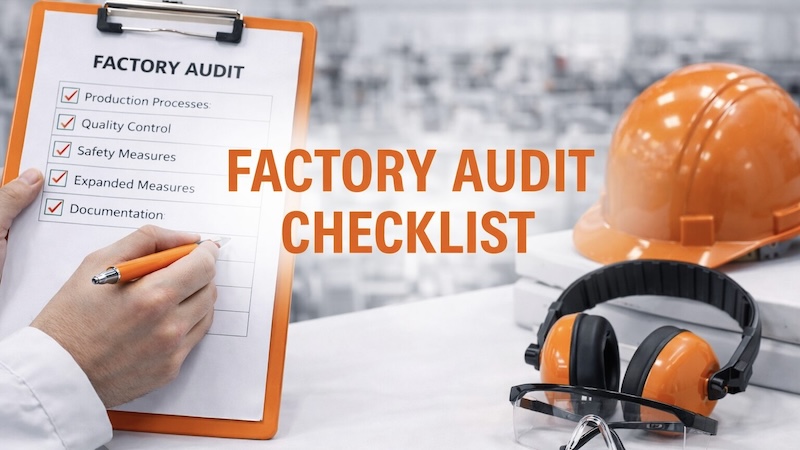
    Factory audit checklist

    Area 6: Data Analysis and Continuous Improvement

    This section helps separate basic suppliers from more mature ones.

    Ask to see trend charts for key quality metrics: internal defect rates, customer return rates, on-time delivery performance. Is the factory tracking these? Are the trends improving, stable, or worsening?

    A factory that does not measure its own quality performance has limited ability to improve it systematically. A factory that collects data but never acts on trends may be collecting data without using it to improve operations.

    Ask whether product samples as part of supplier qualification are retained, labeled, dated, and protected from damage — and whether production teams actually use them as reference standards during daily production.

    How to Score and Use Audit Results

    Most professional audits use a scoring system, assigning points to each area and calculating an overall score. Scoring thresholds vary by audit firm, buyer risk tolerance, and product category. Common thresholds:

    • Approved: Acceptable score, minor gaps — production can begin with standard monitoring
    • Conditional: Specific gaps require a corrective action plan before order placement
    • Not approved: Core deficiencies make production too risky until a re-audit passes

    The audit report becomes a working document, not a filing exercise. For conditional suppliers, follow up on corrective action commitments. A factory that addresses audit findings promptly demonstrates genuine commitment. One that ignores them or provides vague updates is a risk signal.

    FAQ

    Q1: How long does a factory audit take?

    One full day covers most small-to-medium factories. Larger or more complex facilities may need two. A rushed audit misses things — budget the time properly.

    Q2: Should I audit every supplier?

    For significant or high-risk orders, yes. For low-value, low-risk, standard products, a lighter vetting process may be sufficient. The audit cost should be proportional to what’s at stake.

    Q3: Do I need to tell the supplier in advance?

    Yes. Factory audits are always announced — you need access to people, records, and the production floor. An unannounced visit is a different tool (and rarely welcome). Announcing in advance doesn’t undermine the audit; a well-run factory looks the same whether you’re coming or not.

    Q4: What is the difference between a quality audit and a social compliance audit?

    A quality audit looks at production systems, process controls, and equipment. A social compliance audit (BSCI, SMETA, SA8000) looks at labor conditions, worker safety, and ethical standards. A supplier can pass one and fail the other. If both matter to your buyers or market, run both.

    Q5: Can I do the audit myself, or do I need a professional?

    You can conduct a structured factory visit yourself using a good checklist. A professional auditor adds experience, objectivity, and a formal report. For high-stakes first orders or when you lack quality system expertise, hiring a third party is usually worth it.

    Q6: What if I find problems during the audit?

    Document everything and discuss findings with the supplier before you leave. Minor gaps with clear corrective actions are manageable. Major gaps — no traceability, no calibration, no CAPA process — require a corrective action plan and re-audit before you place an order. Don’t ignore red flags because the price is good.

    Conclusion

    A factory audit answers the question a sample cannot: does this supplier have the systems to produce consistently, not just impressively? An experienced local audit team reads these signals faster and more accurately than a remote review can. See what sets a professional China audit team apart.

    The most important output of an audit is not the score. It is the list of specific gaps and what the supplier does about them. A lower-scoring factory that fixes gaps may be a better partner than a higher-scoring factory that treats the audit as paperwork.

    For importers sourcing from China, auditing before a significant first order is a professional risk-control step. It is usually cheaper than discovering capability problems after the deposit is paid.

    Need to audit a China factory before production?
    Maple Sourcing checks factory capacity, equipment, management, quality systems, and production readiness before you place or scale an order.
    Aaron Li
    I’m Aaron Li, a sourcing expert. Since 2012, I’ve helped 300+ startups source from China and manage product standards. Here, I share practical answers to common questions about sourcing and quality control.
    All Articles
    How to Calculate Landed Cost from China: Formula + Example
    CIF vs FOB Shipping from China: Which Should You Use?
    Carton Shipping Marks: What Importers Should Specify
    Where to Source Products for Retail Arbitrage in 2026
    Chinese Wholesale Websites: Which One Should You Use?
    Senior Living Products from China: What Importers Should Source in 2026
    Wholesale Home Decor from China: What Retailers Should Check
    How to Source Solar Panels from China: A Buyer's Guide
    Can You Get Free Samples from Chinese Factories? Here's How
    Dollar Store Products in Africa: What Sells Best from China
    Private Label Sourcing from China: The Pros, Cons, and What Most Sellers Get Wrong
    4 Risks of Buying from Alibaba Before You Pay
    How to Find Wholesale Suppliers for Small Businesses
    CBM Calculator for Ocean Freight: Formula and Examples
    Profitable Ecommerce Niches: How to Find Gaps Before You Source
    Proforma Invoice or Commercial Invoice? What Every Importer Needs to Know
    Gross vs Net Weight in Shipping: What to Check
    Direct vs Indirect Sourcing: How to Choose the Right Model
    How to Write a Quote Request That Gets Real Prices
    Supply Chain Trade-Offs: Cost, Speed, and Risk
    How Much Does It Cost to Start an Import Export Business?
    China's Major Logistics Companies: Who They Are and What They Do
    How to Get a Supplier to Lower the Price, Not the Quality
    The Hidden Costs of Importing from China That Eat Your Margin
    Sourcing from China for Amazon: What Most Sellers Get Wrong
    Custom Packaging from China: How Small Businesses Can Start
    Supplier Quality Audit in China: What to Check and Why
    China Manufacturing Hubs: Which Region Fits Your Product?
    Made in PRC: What the Label Means and Why It Matters for Importers
    FCL vs LCL Container Shipping: Which Is Right for Your Order?
    Sea Freight vs Air Freight: The Real Cost Difference and When to Use Each
    Top Toys to Import from China: What’s Selling in 2026
    China to Canada Shipping: How to Cut Freight Costs
    Alibaba vs AliExpress: Which Platform Should You Use?
    China to USA Imports: How to Navigate Tariffs Without Losing Your Margin
    OEM or ODM? How China Manufacturers Define the Difference
    How to Protect Your Product Idea When Outsourcing from China
    FOB vs EXW for China Imports: What the Difference Really Costs You
    1688 Purchasing Agent: How to Buy from China’s Domestic Market
    Yiwu Market Product List: What to Buy and What to Avoid
    What Is 4PX Shipping? Delivery Times, Tracking, and Delays
    DHL Shipment On Hold? What to Do and Who Fixes It
    Best Taobao Agent for Kitchen Products: What to Look For
    Can You Trust an Alibaba Verified Supplier for Quality?
    Foshan Furniture Market Guide: What to Buy, What to Check
    Guangzhou Fabric Market Guide: What to Buy, What to Avoid
    Is the Canton Fair Worth It for a First-Time Buyer?
    Why Huaqiangbei Electronics Market Is Becoming Risky for Importers
    China Electric Toothbrush Suppliers: What to Check
    Bag Manufacturers in China: How to Find One That Can Execute Your Design
    Managing Sample Orders in China: Why What You Imagined Isn't What You Get
    Top 5 Shipping Documents Every Importer Must Know
    Procurement Life Cycle: Step by Step for Logistics
    Top Beauty and Healthcare Products on Amazon: Seller Risks
    Can Your Factory Actually Deliver? How to Check Before You Order
    Top 10 Wholesale Markets in China: Which One Fits Your Product?
    Why Are So Many Toothbrushes Made in China?
    Shenzhen's Best-Known Products: From Electronics to Innovation
    Lower MOQ, Same Supplier: Negotiation Tactics That Actually Work
    Why Brands Use OEM Instead of Their Own Factories
    Why Smart Importers Consolidate Shipments from Multiple Suppliers
    10 Profitable Products to Import from China to Europe (2026)
    Key Shipping Ports in China and North America for Importers
    What Apple's China Suppliers Teach Small Buyers in 2026
    Incoming Quality Control in China: What Buyers Need to Know
    China Sourcing Agent Fees: Hidden Costs and Real Rates (2026)
    8 Most Profitable Products from China to Resell in 2026
    Why Are Most Things Made in China? The Real Reasons Behind the Label
    Inspection Companies in China: How to Choose in 2026
    How Much Cheaper Is Manufacturing in China?
    Customized Products from China: 4 Trends Buyers Should Check
    China Pre-Shipment Inspection Process: What Buyers Need to Know
    Global Sourcing Challenges: What Goes Wrong and How to Fix It
    How to Source Electronics from Shenzhen Markets
    How to Verify a Chinese Company Without Visiting China
    Bulk Order from China: 7 Checks Before You Pay
    How to Order from Alibaba Without Losing Your Deposit or Getting the Wrong Product
    What Makes China's Supply Chain Impossible to Replace?
    Rapid Prototyping in China: Get Samples Faster
    China FBA Sourcing: What Amazon Sellers Must Know Before the First Order
    Buying in Bulk from China: Is It Still Worth It?
    Sourcing LED Lights from China: 6 Checks Before You Order
    How a China Sourcing Service Saves You Time, Money, and Costly Mistakes
    How to Contact Chinese Factories and Get a Reply
    China Manufacturing: 8 Steps to Keep Orders on Track
    Kitchen Products from China: 7 Supplier Mistakes to Avoid
    6 Practical Checks to Find the Best Products to Import from China
    Trendy Electronics from China: What’s Selling in 2026
    Chinese Supplier Search: How to Shortlist the Right Ones
    Shenzhen Sourcing Agent: Best for Electronics and Tech Sourcing
    Hardware Import from China: What Buyers Must Check First
    China Direct Sourcing: When It Helps and When It Hurts
    China Supplier Management: 5 Things to Lock Down
    Direct Product Sourcing in China: A Beginner's Complete Guide
    China Outdoor Product Suppliers: What Separates Good from Bad
    China Buying Agent: When You Need One and When You Don’t
    Manufacturing in China: What’s Changed and What Hasn’t
    The Real Cost of Managing China Procurement In-House
    Metal Products from China: 6 Checks Before You Order
    How a China Sourcing Agent Helps Amazon Sellers Scale Fast
    Read More
    References
    Our Features
    Custom Products
    Turn concept to reality
    Quick Response
    Within 24 hours
    Detail Oriented
    Strive for perfection
    Assured Quality
    100% Guarantee