Yiwu Market Product List: What to Buy and What to Avoid
Yiwu is the best market in China for small, cheap, fast-moving goods and one of the worst places to buy anything that has to be exactly right. The buyers who come back are the ones who understood that split before booking the flight.
| Buy at Yiwu | Buy Elsewhere |
|---|---|
| Toys and party goods | Electronics and gadgets |
| Fashion jewelry, hair accessories | Branded or licensed goods |
| Stationery and craft supplies | Baby gear and electrical goods |
| Holiday and seasonal decor | Fragile, high-value items |
| Kitchen tools and home goods | Anything needing tight tolerances |
| Bags, scarves, small textiles | Short shelf-life products |
The left column is why Yiwu exists; the right column is where most first-trip losses come from.
What Yiwu Actually Is
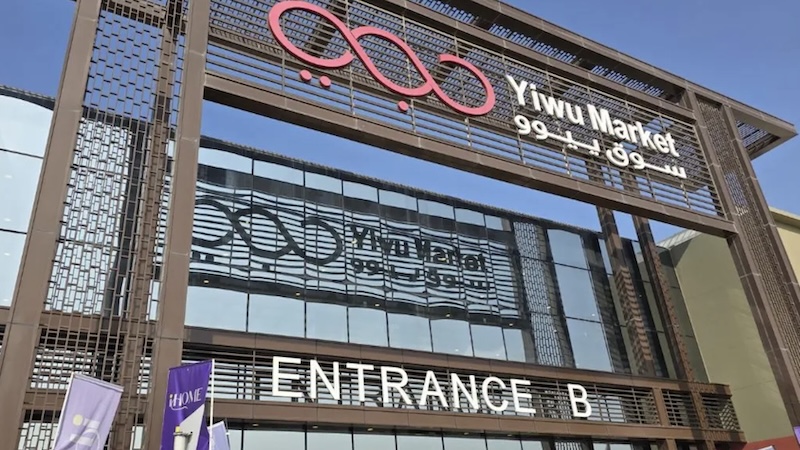
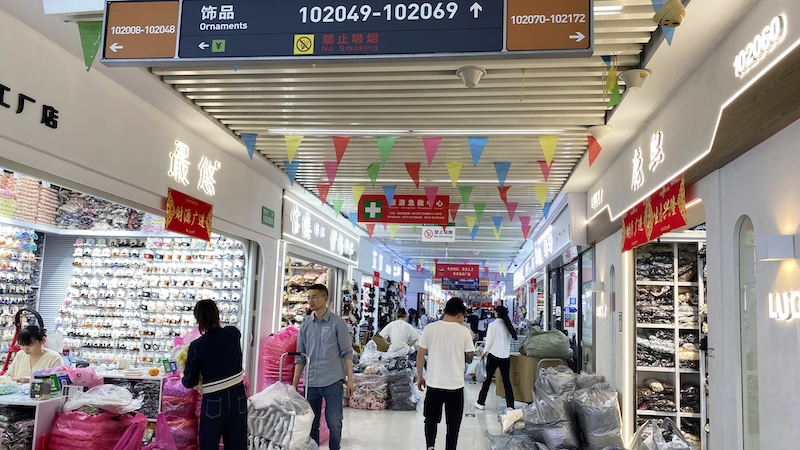
Yiwu International Trade City is a complex of tens of thousands of shops, arranged by product type across five districts. One afternoon in the right zone puts a hundred suppliers of the same item within walking distance, which is the advantage no website reproduces. No other stop among the wholesale markets in China puts that many competing sellers of one product in a single aisle.
Most booths are traders or market operators, though some are factory outlets. Trading is not a warning by itself, since traders carry stock, accept small quantities, and handle the mixed orders that factories refuse. It becomes a problem when you need a specification held, a material confirmed, or test reports that match what you are importing.
Working out which booths can hold a specification and which can only fill a carton is the first thing product sourcing sorts out here.
The other structural fact is quantity. Shops here sell by the carton rather than the pallet, which is why buyers test a product at Yiwu before committing to a factory run.
Yiwu Market Product List by District
Each district groups a set of related categories across its floors, so walking the market in the wrong order costs days. Five main districts run in a connected line, and knowing which floor holds what is most of the planning.
| District | Main Products | Suits |
|---|---|---|
| District 1 | Toys, crafts, flowers, jewelry | Gift shops, seasonal buyers |
| District 2 | Bags, hardware, appliances, clocks | Home and tool buyers |
| District 3 | Stationery, sports, cosmetics, trims | Office, school, beauty |
| District 4 | Socks, knitwear, shoes, scarves | Apparel and accessories |
| District 5 | Bedding, fabrics, auto parts, imports | Home textiles, car goods |
District 1 is where most first trips start. Toys, artificial flowers, ornaments, and fashion jewelry share four floors, and the seasonal suppliers sit here too. Gift buyers can fill a whole season without leaving the building.
District 2 covers the practical half of a household. Bags, umbrellas, and outdoor goods sit on the lower floor. Hardware, tools, locks, and electrical items come next, then kitchen and bathroom fittings, small appliances, and clocks.
District 3 serves office, school, beauty, and sports buyers. Pens, paper, and stationery run into sporting goods on the middle floors. Cosmetics, glasses, zippers, buttons, and garment trims sit alongside, which makes this the stop for anyone assembling a product from parts.
Districts 4 and 5 are the ones buyers skip by accident. District 4 is the largest, carrying socks, knitwear, footwear, belts, scarves, and underwear. District 5 holds imported goods, bedding, curtains, textile and knitting materials, and car and motorcycle accessories.
Check the current layout before you travel. Sections move, and Yiwu opened a sixth-generation market in October 2025, the Global Digital Trade Center, with around 3,700 storefronts across eight emerging industries including fashion jewelry, creative toys, and smart devices. A map from two years ago will send you to the wrong building, never mind the wrong floor.
The Categories Worth Buying
Yiwu is strongest where design matters more than engineering. Toys, party goods, decorations, stationery, jewelry, and small household items all move in huge volume here. The variety inside each category is what justifies the trip.
| Category | Why It Works Here |
|---|---|
| Toys and party goods | Enormous variety, low cost |
| Fashion jewelry | High markup, small parcels |
| Stationery and crafts | Cheap, easy to ship |
| Holiday decor | Deep specialty selection |
| Kitchen and home tools | Steady everyday demand |
Seasonal goods run on their own calendar. Holiday lines are bought and shipped months ahead. By the time the season is visible at home, the good ranges have sold out and the freight has gone up. Ordering Christmas stock in summer is normal practice here rather than early planning.
Volume toy buyers eventually outgrow the market. Yiwu is ideal for filling a shelf with variety. A serious toy program with its own molds and certification belongs at the Chenghai toy market, where the factories are.
The Categories to Avoid
Electronics are the classic Yiwu mistake. The stalls stock finished gadgets and accessories, but the grades vary, support is thin, and nobody in the aisle can tell you which components went inside. Anything technical belongs at the Shenzhen electronics markets, where you can see the supply chain behind the product.
Branded and character goods carry legal risk, not just quality risk. Logos, cartoon characters, and designer looks turn up throughout the market. Unlicensed goods can be seized at your border, and the liability sits with you as the importer.
Regulated products need documents that match what you actually import. Baby items, anything electrical, and kitchenware or containers that touch food all need testing against your destination’s rules, which catches a fair share of the kitchen tools sold here. In several markets the certificate or declaration is issued by the importer, not the factory. A report for a similar model from another supplier leaves you holding an unusable file.
Toys sit on the line, so treat them by risk rather than by category. Party goods and decorations are ordinary Yiwu purchases. Anything for young children still needs testing and labeling for the market you sell in, wherever you bought it.
How to Buy Well Here
Buy from the sample, never from the display. Shop units are picked and stored carefully, while bulk stock is packed in a hurry. Approve a piece you paid for, then seal it.
Capability matters more than order size. A well-run trading company can manage a container perfectly well, and a factory can still miss on quality or dates. Ask where the goods are produced, who checks them, and what happens when a run goes wrong.
Treat it like an import, not a shopping trip. Hand an inspection checklist to whoever checks the cartons, since a warehouse of mixed purchases is otherwise impossible to verify. Verification, payment staging, and the export paperwork are covered in buying from wholesale markets.
| Step | What It Means Here |
|---|---|
| Sample | Approve a real production piece |
| Verify | Learn who actually makes it |
| Negotiate | Quantity, not just price |
| Consolidate | One warehouse, one shipment |
| Inspect | Check before the container seals |
Going in Person or Buying Remotely
A trip pays for itself when you are choosing, not when you are reordering. Comparing forty versions of one product, judging materials by hand, and finding categories you were not looking for are all things a screen does badly.
Repeat orders rarely justify the airfare. With the product and the supplier settled, the Chinese wholesale websites handle a reorder efficiently. A 1688 purchasing agent can also place and consolidate domestic orders that never reach the export platforms.
An agent can also do the walking. Buyers who cannot travel routinely have someone shortlist stalls, collect samples, negotiate, and consolidate, which works well provided you supply clear product, quality, and price criteria.
FAQ
Q1: Are Yiwu prices actually better than online?
Sometimes, and less often than buyers assume once travel, consolidation, and any agent fee are counted. The reliable gain is seeing the goods and comparing grades, not the sticker price.
Q2: Do I need a company or an import license to buy here?
Shops will sell to you either way, and whether an import license is needed at home depends on your product and your country’s rules. On the China side, someone has to be the exporter on the declaration, usually your agent or a trading company, with a customs broker filing on their behalf rather than taking that role. Settle who does what before you start buying.
Q3: How do I compare two shops selling what looks identical?
Ask both for weight, material, finish, component grade, and packing, since near-identical products usually differ somewhere in that list. The cheaper one is often a thinner version of the same mold.
Q4: Is everything at Yiwu low quality?
No, and the same stall often carries three grades of one product. Ask to see the better versions, because the cheapest one is what gets shown by default.
Q5: Can I get my logo on the products?
Often, on packaging, labels, and simple printed items. Molded-in logos and real private label work usually mean going to the factory behind the stall.
Q6: What quantity should a first order be?
Enough to test whether the product sells and small enough that being wrong is survivable, which for most categories here means cartons rather than pallets. The low minimums are the reason to use Yiwu for testing at all.
Q7: How do purchases from many different shops get shipped together?
Everything goes to one consolidation warehouse, gets checked and repacked, and ships as a single consignment. Agreeing who receives, checks, and stores the goods matters more than the freight rate.
Q8: What can I do if the bulk delivery does not match my sample?
Very little once the balance is paid and the goods have shipped, which is the argument for checking at the warehouse instead. A sealed, dated sample and photographs of the discrepancy are what any claim rests on.
Conclusion
Yiwu rewards buyers who use it for what it is: a fast, cheap way to find and test small products. Stay in the categories it does well, treat every purchase as an import with samples and checks, and judge regulated goods by the specific rules of your destination market rather than by where you bought them.
A hundred small purchases from sixty booths is a logistics problem before it is a sourcing one, and none of it can be checked from a spreadsheet. We consolidate, inspect, and ship it as one order through product sourcing, so what leaves Yiwu is a shipment rather than a pile of receipts.