Maple Sourcing Ltd.
Maple Sourcing Ltd.
We Make Your Sourcing Easy!
Need help? sales@maplesourcing.com
English
Maple Sourcing Ltd.
Maple Sourcing Ltd.

FCL vs LCL Container Shipping: Which Is Right for Your Order?

Published:
Updated:
10460 Views
Table of Content [Hide]

    Your shipment is ready to leave China. Do you book a full container or share space with other importers? Get it wrong and you either overpay for space you do not use, or you spend more per CBM than an FCL would have cost.

    The FCL vs LCL decision comes down to shipment volume, urgency, product type, and total cost — not just the per-CBM rate. This guide covers each factor and how to apply it to your specific situation.

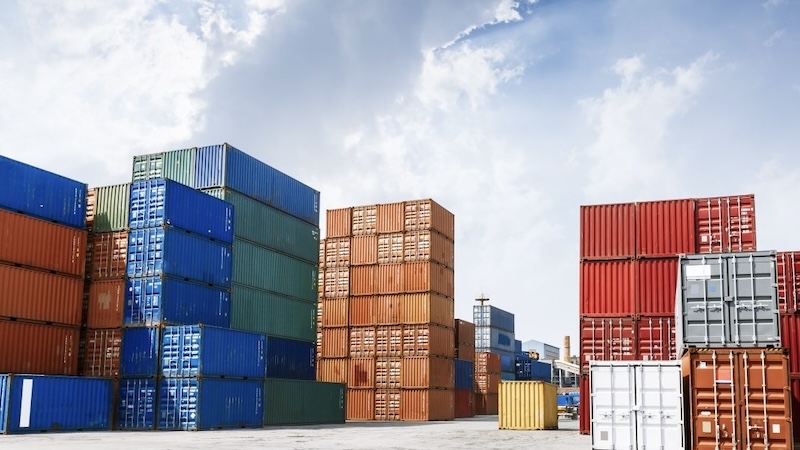
    Stacked shipping containers at port yard

    What FCL and LCL Are

    Full Container Load (FCL): You pay for exclusive use of an entire container. The container is loaded at your supplier’s factory, sealed, and usually remains sealed from origin loading until destination delivery, unless customs or inspection authorities open it. You pay a flat rate per container regardless of how full it is.

    Less than Container Load (LCL): Your cargo shares container space with shipments from other importers. A freight forwarder consolidates multiple small shipments into one container at a Container Freight Station (CFS). At the destination, the container is unloaded and your goods are separated from the others at another CFS.

    Standard container capacities:

    Container type Approximate usable volume
    20ft standard 25–28 CBM
    40ft standard 55–58 CBM
    40ft high cube 65–68 CBM

    These are planning estimates. Actual usable volume depends on carton size, loading method, pallet use, and weight limits.

    For calculating your shipment’s CBM — the volume measurement that determines LCL pricing and container selection — multiply carton length × width × height in meters, then multiply by the number of cartons.

    Cost Comparison

    The cost question is not the freight rate. It is the full delivered cost at your shipment volume. The answer depends on a break-even point.

    FCL cost structure: Flat rate per container. Whether the container is 50% full or 95% full, the price is the same.

    LCL cost structure: Charged per CBM (or weight, whichever is greater). The per-CBM LCL rate is usually higher than the equivalent per-CBM cost of a fully loaded FCL container.

    Break-even reference: As a rough planning rule, LCL often works better at lower volumes. Once shipments approach the mid-teen CBM range, FCL is often worth quoting because total LCL charges — including CFS fees — can approach or exceed a 20ft container rate. These ranges vary by route, season, destination port charges, and cargo type.

    Important: LCL pricing also includes CFS handling fees at both origin and destination — consolidation, deconsolidation, documentation, and often terminal handling surcharges. These fees can significantly increase the final LCL bill beyond the base per-CBM rate. Always request a complete door-to-door quote for LCL, not just the ocean freight rate.

    For a broader view of freight economics, understanding sea vs air freight economics helps frame the FCL vs LCL choice within your overall logistics cost model.

    Transit Time

    FCL transit: The container is sealed at the factory, trucked to port, loaded onto the vessel, and delivered to your destination. It is handled less and usually remains sealed between origin and destination. Transit time is predictable and matches the vessel schedule.

    LCL transit: Multiple additional steps extend the timeline. Your goods must arrive at an origin CFS and wait for other shipments to complete the container. Consolidation and deconsolidation can each add several days to the transit timeline.

    Practical difference: LCL shipments often take longer than FCL on the same lane. LCL can also face delays if the consolidated container or another shipment inside it is selected for customs examination.

    For time-sensitive cargo or peak-season inventory replenishment, FCL’s predictability is a significant advantage that may justify paying a premium over the LCL equivalent.

    Security and Damage Risk

    FCL: Your goods are loaded once, sealed, and unloaded once. Minimal handling means minimal risk of damage, theft, or contamination from other cargo.

    LCL: Your goods pass through multiple handling stages — pickup, origin CFS, consolidation, deconsolidation, destination CFS, final delivery. Each stage is a potential risk point. In addition:

    • Your cargo is loaded alongside unknown goods from other importers
    • Liquid spillage, odor transfer, or physical compression from adjacent cargo can damage your goods
    • Boxes can be misplaced during deconsolidation sorting

    Product risk matters. Fragile, high-value, or contamination-sensitive goods may justify FCL even below the usual cost break-even range.

    Beyond Volume: What Else Affects the Choice

    Inventory and warehouse capacity: FCL commitments require space to receive a full container’s worth of inventory. If your warehouse cannot accommodate the volume, or if the capital tied up in that inventory creates a cash flow problem, LCL’s smaller, more frequent delivery model may be more appropriate even when FCL is cheaper per unit.

    Product fragility and value: High-value or fragile goods often justify FCL’s security premium even at volumes below the break-even point. The cost of damaged goods may exceed the cost difference between FCL and LCL many times over.

    Supplier reliability and order timing: If you source from multiple suppliers in the same region, consolidating their shipments into a single FCL container (buyer’s consolidation) can give you FCL economics at individual-supplier order volumes. A sourcing agent can coordinate this — collecting goods from multiple factories, inspecting them, and loading a single container under your name.

    Incoterms: Understanding Understanding FOB vs EXW shipping terms matters here. FOB is commonly used for China exports, but the right Incoterm depends on supplier capability, pickup location, and buyer control over freight. EXW shifts more logistics responsibility to the buyer at the factory gate, which can complicate LCL pickup coordination. FOB with a reliable freight forwarder often gives buyers better control over international freight cost. For cost-effective shipping from China, comparing total door-to-door costs on the same Incoterm is the most reliable approach.

    Building a Flexible Shipping Strategy

    Most experienced importers do not permanently commit to one mode. The optimal approach is to match shipping method to shipment characteristics at the time of booking.

    Common hybrid patterns:

    • Use LCL for test orders or new product launches where volume is uncertain; shift to FCL as the product scales
    • Ship best-selling, time-sensitive products via FCL; use LCL for slower-moving inventory or secondary SKUs
    • Use LCL during off-peak periods when inventory flexibility matters more than speed; use FCL before peak season when stock levels must be secured

    Buyer’s consolidation as a middle path: When several suppliers are in the same region, consolidating their goods into a single FCL container through a freight forwarder or sourcing agent often produces better economics than multiple LCL shipments.

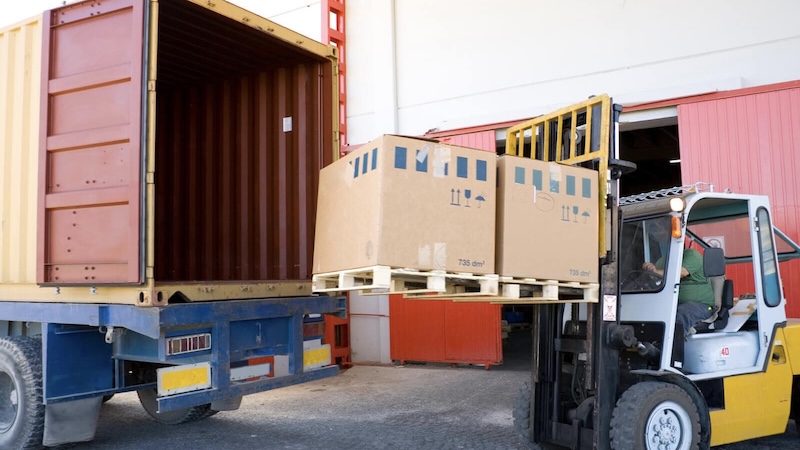
    Truck loading container at factory gate

    Packing Considerations

    FCL packing: You control how goods are loaded in the container. Use blocking and bracing (dunnage bags or lumber) to prevent cargo from shifting during transit. Distribute weight evenly across the container floor. Use moisture-absorbing desiccants to protect against condensation during the ocean voyage.

    LCL packing: Must be more robust because your goods will be handled multiple times by multiple parties. For many LCL shipments, palletizing, shrink-wrap, stronger outer cartons, and clear labels are safer than loose cartons. Fragile goods may need crating.

    Underinvesting in packing for an LCL shipment is one of the most common and most costly importer mistakes. The freight savings can disappear with one damaged pallet.

    Documentation

    Core documents usually include commercial invoice, packing list, and bill of lading. Destination-specific documents — such as certificate of origin or ISF for US ocean imports — depend on the product, origin country, and destination requirements. For a complete overview of international cargo documentation, each document has specific formatting and timing requirements that affect customs clearance.

    Key documentation differences:

    FCL: You receive a single Bill of Lading for your container. The seal number helps verify whether the container seal matches the shipping record. Any discrepancy should be investigated immediately.

    LCL: You typically receive a House Bill of Lading from your consolidator. The consolidator holds the Master Bill of Lading with the shipping line. Accuracy of the packing list is especially critical for LCL — inaccuracies can delay deconsolidation and affect every other importer sharing the container.

    For US imports, the ISF (10+2 filing) must be submitted at least 24 hours before the cargo is loaded at the origin port. This applies to both FCL and LCL, and late or inaccurate filing can create penalties and clearance delays.

    Understanding freight weight and volume matters for documentation: LCL is often charged by W/M (weight or measurement) — the forwarder charges by weight or by CBM, whichever produces the higher charge — so packing list accuracy directly affects what you are billed.

    FAQ

    Q1: Can I switch between FCL and LCL for different orders?

    Yes, and many experienced importers do. A common approach: use LCL for new product launches or test orders with lower volume, then switch to FCL as the product scales and shipment volumes exceed the break-even point. There is no requirement to use the same shipping method consistently.

    Q2: What happens if my FCL shipment is under-filled?

    You pay the same flat rate regardless of utilization. The base container freight is the same whether the container is 60% or 95% full, though loading, drayage, and handling details may still vary. This is why break-even analysis matters — if your shipment is well below the break-even range, you are paying for empty space that LCL would have avoided.

    Q3: Is LCL cargo insured?

    Carrier liability is limited under international maritime law, so cargo insurance is worth considering for both modes, especially for high-value, fragile, or time-sensitive goods.

    Q4: How do I find the break-even point for my specific shipment?

    Get quotes from your freight forwarder for both FCL and LCL on the same lane. Include all origin and destination charges, not just the ocean freight rate. Calculate the total door-to-door cost for each option and divide by unit volume. The option with the lower total cost at your shipment volume is the right choice. Do not compare base ocean rates alone — the full cost picture often looks very different from the headline rate.

    Q5: Can a sourcing agent help with container consolidation?

    Yes. If you source from multiple suppliers in the same region, a sourcing agent can collect goods from each factory, inspect them at a central warehouse, and load a single FCL container under your name. This gives you FCL pricing and security even when no individual supplier order is large enough to fill a container.

    Q6: How does customs clearance work differently for FCL and LCL?

    For FCL, customs review usually applies to your container or shipment specifically. For LCL, a hold on the consolidated container can delay multiple importers’ cargo, including yours, regardless of whether your goods are the reason for the inspection. This is a common LCL delay risk. Learn more about our logistics coordination experience helping importers ship from China.

    Conclusion

    FCL and LCL are not competing options — they serve different shipment sizes and business situations. The practical decision framework is straightforward: For importers managing container decisions across multiple suppliers, order monitoring and container shipment tracking ensures production timelines align with booking windows for FCL or LCL.

    The most expensive FCL vs LCL mistake is comparing base ocean freight rates instead of total landed cost. Include all origin and destination charges, and the right answer usually becomes clear.

    Need production updates before your China order ships?
    We monitor supplier progress, timing risks, order details, and shipment readiness so problems are easier to catch before delivery.
    Aaron Li
    I’m Aaron Li, a sourcing expert. Since 2012, I’ve helped 300+ startups source from China and manage product standards. Here, I share practical answers to common questions about sourcing and quality control.
    All Articles
    How to Calculate Landed Cost from China: Formula + Example
    CIF vs FOB Shipping from China: Which Should You Use?
    Carton Shipping Marks: What Importers Should Specify
    Where to Source Products for Retail Arbitrage in 2026
    Chinese Wholesale Websites: Which One Should You Use?
    Senior Living Products from China: What Importers Should Source in 2026
    Wholesale Home Decor from China: What Retailers Should Check
    How to Source Solar Panels from China: A Buyer's Guide
    Can You Get Free Samples from Chinese Factories? Here's How
    Dollar Store Products in Africa: What Sells Best from China
    Private Label Sourcing from China: The Pros, Cons, and What Most Sellers Get Wrong
    4 Risks of Buying from Alibaba Before You Pay
    How to Find Wholesale Suppliers for Small Businesses
    CBM Calculator for Ocean Freight: Formula and Examples
    Profitable Ecommerce Niches: How to Find Gaps Before You Source
    Proforma Invoice or Commercial Invoice? What Every Importer Needs to Know
    Gross vs Net Weight in Shipping: What to Check
    Direct vs Indirect Sourcing: How to Choose the Right Model
    How to Write a Quote Request That Gets Real Prices
    Supply Chain Trade-Offs: Cost, Speed, and Risk
    How Much Does It Cost to Start an Import Export Business?
    China's Major Logistics Companies: Who They Are and What They Do
    How to Get a Supplier to Lower the Price, Not the Quality
    The Hidden Costs of Importing from China That Eat Your Margin
    Sourcing from China for Amazon: What Most Sellers Get Wrong
    Custom Packaging from China: How Small Businesses Can Start
    Supplier Quality Audit in China: What to Check and Why
    China Manufacturing Hubs: Which Region Fits Your Product?
    Made in PRC: What the Label Means and Why It Matters for Importers
    FCL vs LCL Container Shipping: Which Is Right for Your Order?
    Sea Freight vs Air Freight: The Real Cost Difference and When to Use Each
    Top Toys to Import from China: What’s Selling in 2026
    China to Canada Shipping: How to Cut Freight Costs
    Alibaba vs AliExpress: Which Platform Should You Use?
    China to USA Imports: How to Navigate Tariffs Without Losing Your Margin
    OEM or ODM? How China Manufacturers Define the Difference
    How to Protect Your Product Idea When Outsourcing from China
    FOB vs EXW for China Imports: What the Difference Really Costs You
    1688 Purchasing Agent: How to Buy from China’s Domestic Market
    Yiwu Market Product List: What to Buy and What to Avoid
    What Is 4PX Shipping? Delivery Times, Tracking, and Delays
    DHL Shipment On Hold? What to Do and Who Fixes It
    Best Taobao Agent for Kitchen Products: What to Look For
    Can You Trust an Alibaba Verified Supplier for Quality?
    Foshan Furniture Market Guide: What to Buy, What to Check
    Guangzhou Fabric Market Guide: What to Buy, What to Avoid
    Is the Canton Fair Worth It for a First-Time Buyer?
    Why Huaqiangbei Electronics Market Is Becoming Risky for Importers
    China Electric Toothbrush Suppliers: What to Check
    Bag Manufacturers in China: How to Find One That Can Execute Your Design
    Managing Sample Orders in China: Why What You Imagined Isn't What You Get
    Top 5 Shipping Documents Every Importer Must Know
    Procurement Life Cycle: Step by Step for Logistics
    Top Beauty and Healthcare Products on Amazon: Seller Risks
    Can Your Factory Actually Deliver? How to Check Before You Order
    Top 10 Wholesale Markets in China: Which One Fits Your Product?
    Why Are So Many Toothbrushes Made in China?
    Shenzhen's Best-Known Products: From Electronics to Innovation
    Lower MOQ, Same Supplier: Negotiation Tactics That Actually Work
    Why Brands Use OEM Instead of Their Own Factories
    Why Smart Importers Consolidate Shipments from Multiple Suppliers
    10 Profitable Products to Import from China to Europe (2026)
    Key Shipping Ports in China and North America for Importers
    What Apple's China Suppliers Teach Small Buyers in 2026
    Incoming Quality Control in China: What Buyers Need to Know
    China Sourcing Agent Fees: Hidden Costs and Real Rates (2026)
    8 Most Profitable Products from China to Resell in 2026
    Why Are Most Things Made in China? The Real Reasons Behind the Label
    Inspection Companies in China: How to Choose in 2026
    How Much Cheaper Is Manufacturing in China?
    Customized Products from China: 4 Trends Buyers Should Check
    China Pre-Shipment Inspection Process: What Buyers Need to Know
    Global Sourcing Challenges: What Goes Wrong and How to Fix It
    How to Source Electronics from Shenzhen Markets
    How to Verify a Chinese Company Without Visiting China
    Bulk Order from China: 7 Checks Before You Pay
    How to Order from Alibaba Without Losing Your Deposit or Getting the Wrong Product
    What Makes China's Supply Chain Impossible to Replace?
    Rapid Prototyping in China: Get Samples Faster
    China FBA Sourcing: What Amazon Sellers Must Know Before the First Order
    Buying in Bulk from China: Is It Still Worth It?
    Sourcing LED Lights from China: 6 Checks Before You Order
    How a China Sourcing Service Saves You Time, Money, and Costly Mistakes
    How to Contact Chinese Factories and Get a Reply
    China Manufacturing: 8 Steps to Keep Orders on Track
    Kitchen Products from China: 7 Supplier Mistakes to Avoid
    6 Practical Checks to Find the Best Products to Import from China
    Trendy Electronics from China: What’s Selling in 2026
    Chinese Supplier Search: How to Shortlist the Right Ones
    Shenzhen Sourcing Agent: Best for Electronics and Tech Sourcing
    Hardware Import from China: What Buyers Must Check First
    China Direct Sourcing: When It Helps and When It Hurts
    China Supplier Management: 5 Things to Lock Down
    Direct Product Sourcing in China: A Beginner's Complete Guide
    China Outdoor Product Suppliers: What Separates Good from Bad
    China Buying Agent: When You Need One and When You Don’t
    Manufacturing in China: What’s Changed and What Hasn’t
    The Real Cost of Managing China Procurement In-House
    Metal Products from China: 6 Checks Before You Order
    How a China Sourcing Agent Helps Amazon Sellers Scale Fast
    Read More
    References
    Our Features
    Custom Products
    Turn concept to reality
    Quick Response
    Within 24 hours
    Detail Oriented
    Strive for perfection
    Assured Quality
    100% Guarantee