Chinese Wholesale Websites: Which One Should You Use?
The right Chinese wholesale website depends on your buying model, not on which platform is biggest. Alibaba fits custom and bulk sourcing, 1688 unlocks domestic pricing through an agent, DHgate and AliExpress suit small test orders, and Made-in-China serves industrial and export-focused buyers.
| The platform | Best for | Use this if |
|---|---|---|
| Alibaba, export site | Bulk, custom sourcing | You need factories |
| 1688, domestic site | Lower China prices | You have agent support |
| Taobao, consumer site | Hard-to-find consumer goods | You need small quantities |
| DHgate, small wholesale | Test-size orders | You are testing products |
| Made-in-China, export site | Industrial sourcing | You need machinery, components |
| AliExpress, retail site | Samples, dropshipping | You want single units |
No platform replaces verifying the supplier, ordering a sample, and inspecting before a bulk order.
The Three Types of Platform
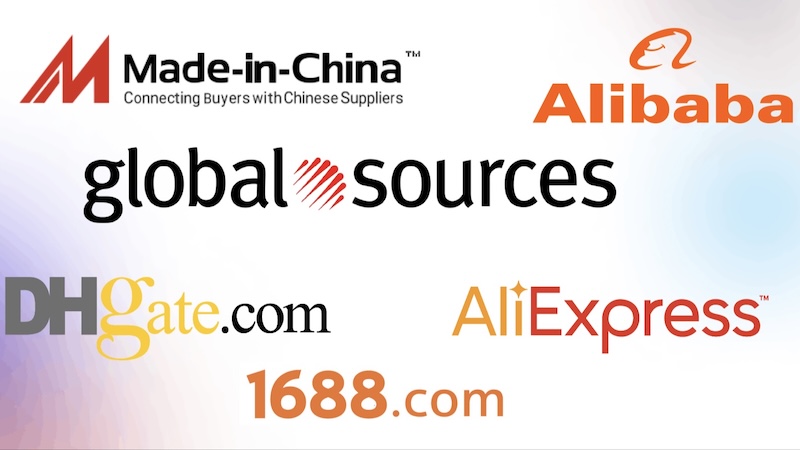
These sites fall into three groups, and picking the group is most of the decision. Business platforms like Alibaba or Made-in-China are built for bulk orders, custom development, and factory relationships, with real minimums. This is the group for private-label products and long-term manufacturing.
The retail side, AliExpress and DHgate, serves small quantities, dropshipping, and testing, at a higher unit price and a lower commitment. Domestic Chinese platforms like 1688 and its consumer cousin Taobao can be cheaper again, but they are hard to use without a local partner who can read the listings, pay through Chinese systems, and forward the goods.
Order size sorts you into a group first, and three other questions finish the job. Whether the product needs customizing decides whether you need a factory or a reseller. Whether it needs real engineering support rules out most retail sellers. Whether you have China support decides if a domestic platform is usable at all.
Payment protection belongs in the same list, along with who absorbs the loss if the goods are wrong, since a low unit price on a platform with no recourse is not the cheaper option it looks like.
Once the order is big enough to matter, sourcing and quality control is what carries you past the platform, to a factory that has been checked and goods that have been inspected.
Alibaba: The Broad Starting Point
Alibaba is the default first stop because it covers nearly every category, not because it is always the best fit. It suits buyers placing bulk orders, developing private-label products, or seeking a long-term manufacturing partner, and its quote-request tool collects competing offers from suppliers you never contacted.
The catch is that supplier reliability varies widely behind similar-looking storefronts. The risks on Alibaba include trading companies posing as factories, recycled certificates, and a polished sample that outshines the bulk run.
Minimums differ by supplier, and custom orders usually need higher quantities than retail platforms, so a first purchase often means negotiating the minimum down. Keep requirements and payment inside the platform’s protected system and order from Alibaba safely from the start.
Made-in-China: The Industrial Specialist
Made-in-China is the alternative when you are buying equipment rather than consumer goods. It has a cleaner interface and a historically stronger focus on industrial and technical products, which suits buyers sourcing hardware, components, or machinery, where an audited factory matters more than a long supplier list. Weigh Made-in-China vs Alibaba on filtering speed rather than on which badge looks stronger.
AliExpress and DHgate: For Small and Test Orders
AliExpress works like a normal online store: find a product, pay, and it ships. There is no minimum and no negotiation, which suits dropshippers, buyers testing an idea before bulk, and anyone needing a single unit, with buyer protection on most transactions.
The cost is a much higher unit price, little custom branding, and many sellers who are traders rather than the maker. For a real product line you usually want the factory itself, and an Alibaba vs AliExpress comparison shows where that line falls.
DHgate sits between the two, with smaller minimums than Alibaba and more wholesale focus than AliExpress. Tiered pricing lowers the unit cost as quantity rises, which suits small retailers building early inventory, though quality runs unevenly from seller to seller, so checking whether DHgate is legit for the specific shop matters even more here.
1688 and Taobao: Domestic Pricing, with a Catch
1688 is Alibaba’s home-market platform, where local competition and lower service costs tend to make prices cheaper. It suits buyers who already work with a local partner, and it can turn up factories that never sell abroad. Some Alibaba and AliExpress sellers source their stock here, which is part of why the same goods can cost less.
The friction is real: Mandarin listings, mainly domestic payment methods, and shipping that usually ends at a Chinese address. Whether the discount is worth that friction comes down to 1688 vs Alibaba on total delivered cost.
Taobao is the consumer-facing cousin of 1688, aimed at individual shoppers rather than wholesale buyers. Overseas buyers reach both through a 1688 purchasing agent who handles communication, payment, quality checks, and combining orders, and buying from Taobao works much the same way.
When a Trading Company Beats a Factory
A factory is not automatically the better supplier, and on an early order it often is not. Trading companies earn their place when your quantities sit under the factory minimum, when one order mixes several products, or when you need someone in China chasing the schedule while you sleep.
What you give up is directness, so ask the questions that make the arrangement honest. Which factory actually builds this, how is the margin taken, and who carries the cost when the goods fail an inspection. A trader that names its plants and accepts quality liability in writing is a useful partner, while one that hides both is a middleman you are paying twice for.
Put Every Quote on the Same Terms
Prices only compare when the briefs do. Send each supplier the same specification, quantity, packing, sample requirement, lead time, payment terms, and who pays for the tooling, then ask for the quote against that sheet rather than against their own house version.
Then finish the number yourself. A 1688 price needs domestic freight, the agent fee, combining parcels, inspection, and export handling added before it sits next to an Alibaba quote that already includes export packing. The platform price is a component, not the cost, and the ranking often changes once the missing lines are filled in.
Can You Use Multiple Chinese Wholesale Websites?
Yes, and serious importers often use several platforms at different stages. The rule that carries across all of them is separate verification: a supplier that looks strong on one platform still has to prove its identity, quote, and capability on the order you actually place. Finding the same maker in two places is a chance to compare prices, not a shortcut past your own checks.
The platforms also match the stages of a product’s life. A new idea usually starts as a small test buy on AliExpress or DHgate, then moves onto a business platform once demand is proven. Later it often shifts part of its sourcing to 1688 through an agent, to protect the margin as volume grows.
Common Mistakes When Choosing a Chinese Wholesale Website
A handful of avoidable mistakes cause most bad first orders. Choosing a platform by price alone is the first: 1688 may show the lowest unit price, but without China support the real cost climbs once payment, inspection, and shipping are added.
Treating a platform badge as a full check is the second. An Alibaba Verified Supplier label or other trust signal is a first filter rather than proof your product will pass, and plenty of badged suppliers still disappoint on the bulk run.
Buying custom products from a retail platform is the third, since AliExpress and DHgate are built for standard, ready-made goods and a private-label run belongs with a real factory.
The fourth is skipping the sample. It is the cheapest insurance you will ever buy, and skipping it to save a few days is how the wrong product reaches your warehouse in bulk.
What Every Platform Leaves to You
Three jobs stay on your side of the table whichever site you use. The platform finds candidates, while supplier verification, quality checks, and logistics planning decide whether the order actually ships on specification.
Verification is the heart of finding Chinese suppliers: establishing who you are actually dealing with and whether the capability behind the listing is real. A business-license check, a confirmed production address, and a live walkthrough tell you more than any badge.
Quality checks are where quality control in China protects the order. How many an order earns follows the product risk, the supplier’s record, the value at stake, and what changed since the last run, and plenty of repeat orders need only the final check.
Logistics planning covers shipping from China, combining parcels, and customs, which most platforms leave to you or a freight forwarder. Build that cost and timeline into the decision before you compare quotes.
FAQ
Q1: Is a company or an import license needed to buy on these platforms?
On most platforms an individual can register and request quotes without a company, so account setup is rarely the barrier. Importing for resale is the part that carries rules, and they follow the product and the destination rather than the quantity, so a small first order does not make a requirement disappear.
Q2: How many suppliers should I contact before choosing one?
Aim for a shortlist of three to five for the same brief, which is enough to compare price, responsiveness, and technical answers without drowning in threads. A single quote gives you nothing to judge it against.
Q3: Are the reviews and ratings on these platforms trustworthy?
They are useful but not gospel, since ratings can be thin, old, or bought. Read recent reviews for patterns rather than the headline score, and weigh them alongside a sample and your own questions.
Q4: Are the prices shown in listings the price I will actually pay?
Rarely, since listing prices are indicative and move with quantity, specification, and packaging. Treat them as a filter, then get a written quote against your own brief before comparing platforms.
Q5: Is it safe to upload my design or drawings to these platforms?
Send only what a supplier needs to quote at this stage, and keep the full drawing package, tooling files, and source material back until you have chosen one. Platform messaging is a record rather than a protection, so a signed agreement matters more than where the file was sent.
Q6: What payment methods are supported, and which is safest?
Business platforms support bank transfer and card, and some provide payment protection based on the written order terms, the delivery record, and a claim deadline. Before you pay, check who the receiving account belongs to, what the protection actually covers, how long you have to raise a claim, and what evidence it wants, because paying outside the platform usually ends the mechanism entirely.
Q7: Do I need a sourcing agent to buy from these platforms?
Not for Alibaba or AliExpress, where you can transact directly, but domestic sites like 1688 and Taobao are difficult to navigate without one. On any platform an agent is worth paying for when it checks the supplier, the sample, and the goods before they ship.
Q8: Do the platforms handle shipping and customs, or just connect me to suppliers?
Most connect you to suppliers and leave shipping and clearance in your hands, though some offer shipping at checkout for small parcels. For a bulk order, you or an agent arranges the freight and the customs entry.
Conclusion
Chinese wholesale platforms are access points, not sourcing strategies, and none of them judges whether a supplier fits your product, volume, or quality. The buyers who treat a platform as a starting point, then verify and sample before production, build far steadier supply than those who read a listing as an endorsement.
Picking the right platform gets you a shortlist rather than a supplier. Turning a listing into a qualified factory is the whole job of sourcing and quality control, and we do it before any money moves.