
China Supplier Payment Terms: Passed, Not Just Packed
The final payment should be released against a passed inspection report, not against the factory telling you the goods are packed. That one change turns your balance from a formality into your last piece of leverage.
| Payment Stage | Trigger That Protects You | The Weak Trigger to Avoid |
|---|---|---|
| Deposit | Materials and line time | “To get started” |
| Mid-payment | Approved first article | Days on the calendar |
| Balance | Passed inspection report | “Goods are packed” |
The deposit buys production, and the balance should buy acceptance.
Fix the Trigger, Not Just the Split
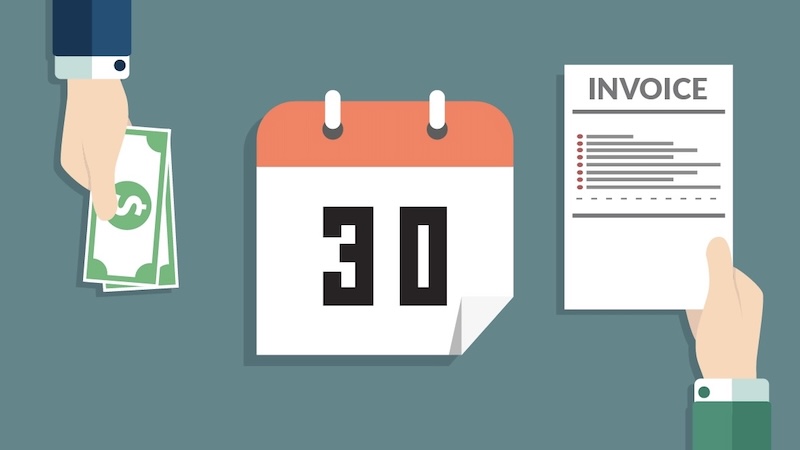
Most buyers argue over the percentage and ignore the part that actually decides their risk. A 30% deposit and 70% balance is the common split in China, but the split alone protects no one. The number is not what saves you. What the balance is tied to is. This assumes you already did the work to find Chinese suppliers worth wiring a deposit to at all.
A 30/70 split with the balance due “before shipment” gives the factory everything and you nothing once production ends. Under that wording, the goods being finished is enough to trigger your money, defects or not. The supplier can pack a bad lot, call it ready, and stand on the contract while you argue from a weaker position with your cash already committed.
Rewriting that one line, and then producing the report it depends on, is the practical half of purchase management.
For higher-value or custom orders, a three-stage split like 30-40-30 spreads the risk better, but only if each stage names a real event. The middle 40% should follow an approved first article or a printed-packaging check, not a date.
A milestone with no defined event is just an earlier request for money. Make the stage mean something before you agree to it, and tie it to something in your quote request that both sides already signed off.
Pay for Passed, Not Packed
“Packed” is the supplier’s word for done, and “passed” is yours, so make sure your money answers to yours. Packed means the cartons are sealed. Passed means an inspector checked the goods against your spec and they cleared. Those are not the same event, and the gap between them is where bad shipments live.
The way to close that gap is to make inspection status the payment trigger in writing, not a side conversation. A workable balance clause ties your money to a pre-shipment inspection and covers four points, and leaving any one vague hands the argument back to the factory:
Timing: after production, before shipment.
Inspector: your appointed third party.
Standard: approved sample, spec, and defect limits.
Outcome: balance released only on a passing report.
Without the fourth point spelled out, the first three are decoration. If the contract skips the link between a pass and the payment, the supplier will read “inspection” as a step that happens while your money moves anyway. Name the passing report as the release condition, and add rework plus re-inspection as the path when a lot is rejected.
A conditional pass is the release valve that keeps this from stalling good shipments over small things. Some defects are cosmetic or fixable on the floor: a mislabeled inner box, a missing manual, a carton mark in the wrong corner.
Define in advance that these can be corrected before loading and the balance released on the fix, which keeps payment tied to objective findings instead of a shouting match on ship day. When a lot genuinely fails, a clear rule on a failed inspection saves the relationship as much as the money.
Match the Method to the Risk
The trigger only holds if the payment channel lets you hold funds until the report lands. Bank transfer is the default because it is fast and cheap, but it puts the execution risk on you. Once the money is sent, getting it back is hard, so a bank transfer only works when the balance is already tied to a passed inspection and the supplier is known.
| Method | Best For | The Catch |
|---|---|---|
| Bank transfer (T/T) | Repeat, trusted suppliers | No reversal once sent |
| Letter of credit (L/C) | Large or first orders | Bank checks paper, not goods |
| Escrow or platform | Small trial runs | Protection follows the terms |
A letter of credit adds a bank between you and the factory, which is worth the cost only when the order is large enough to justify it. The bank releases payment when the documents match, so it protects the transaction. It does not judge the product. Pair it with a separate inspection requirement, or you have paid for security you did not fully buy.
Escrow and platform protection suit small orders and new suppliers, but read what the coverage actually protects. Services like Alibaba’s Trade Assurance hold your funds and release on agreed terms, which helps before trust exists. Cover depends on the specs, quality standards, and shipping terms written into the online order, so a quality promise living only in email or chat is hard to enforce through the platform.
Better Terms Are Earned, Not Argued
You do not win better payment terms in a hard conversation. You earn them across several clean orders. Suppliers loosen terms for buyers who forecast honestly, approve samples fast, stop changing the spec mid-run, and pay on time against what was agreed. Predictable buyers are cheap to serve, and factories price that in.
Volume is not the only lever, and it is often not the fastest one. Consolidating your items, giving realistic production windows, or committing to a rolling plan all help a factory plan cash and capacity, which is exactly what earns you room to move the balance later. The discipline that earns you a lower price, same quality is the same discipline that earns you room on the terms.
When a factory pushes the other way every season, the terms are telling you something the sales rep is not. A supplier that wants the balance earlier each order, dodges third-party inspection, or treats the written terms as optional is not a partnership reducing your risk. Strong terms follow proven performance, which is why a supplier quality audit before you commit is worth more than any promise made after.
FAQ
Q1: The supplier refuses to tie the balance to inspection. Is that a dealbreaker?
It is a serious warning, but ask why first. A fair supplier may push back on a vague standard or a check that risks the ship date. A supplier that refuses any independent inspection, or any clear link between payment, inspection, and corrective action, is taking away your last control.
Q2: Should I pay the sourcing agent or the factory directly?
Pay through an agent only if the contract puts them on the hook: they receive and hold the funds, release only on your written terms, and answer for it if the order fails. Short of that, pay the contracted supplier directly and let the agent run the inspection, not your money.
Q3: Who arranges the inspection, me or the supplier?
You arrange it, or at least you appoint and pay the inspector, because an inspection the factory chooses and controls is not independent. The supplier only needs to be told the date and given access, not to choose who checks their own work.
Q4: Who covers the bank fees on the transfer?
Agree it before you send, because international transfers carry fees on both ends and an unshared bill can quietly cut into the amount the supplier receives. State that each side pays its own bank, so a short payment does not turn into a dispute the day the money lands.
Q5: How do I know the inspection report is not faked?
Use a named independent inspector. Expect dated photos, measured results, and a clear pass or fail against your spec, not a one-line “all good.” A report you cannot trace to a real person on site is not evidence. Your balance should not move on it.
Q6: Who pays for the re-inspection when a lot fails?
Put it on the supplier in the contract, and that line alone changes their behavior before the first check. When the factory carries the cost of its own failure, rework gets serious fast instead of turning into a negotiation over your calendar.
Q7: I already paid in full and then found defects. Anything I can do?
Your leverage is mostly gone once payment has left your account, which is the whole reason to hold the balance next time. You can still document everything, press for replacements or a credit on the next order, and make future terms conditional on a passed inspection.
Q8: If I walk away after a failed lot, is my deposit gone?
Not automatically. It turns on why the lot failed and what the contract says about rework, rejection, and refunds. If the goods materially miss the agreed spec, you may have a claim on some or all of it, which is exactly why that remedy belongs in the contract before production starts.
Conclusion
The percentage you negotiate matters far less than the event you tie it to, and the event that protects you is a passed inspection, not a packed carton. Get that one line right and the rest of your terms have something solid to stand on.
Writing that line into the contract is one thing. Having somebody in the factory so the report exists when the balance falls due is another, and we cover that second half through purchase management, on every order you place.