
Initial Production Check: The Cheapest Fix in the Order
An initial production check exists because the same mistake costs one afternoon at unit fifty and one container at unit five thousand. It is the earliest point where you can change what the factory makes, instead of judging what it already made.
| Found at the start | Found at the end |
|---|---|
| Wrong material grade | Whole batch remade |
| Old sample on the floor | Every unit built wrong |
| Missing or wrong parts | Sort, rework, delay |
| Bad first units | Argument over blame |
| One day rate | Freight, storage, returns |
Everything in the right column is the same problem as the left, found later and at full quantity.
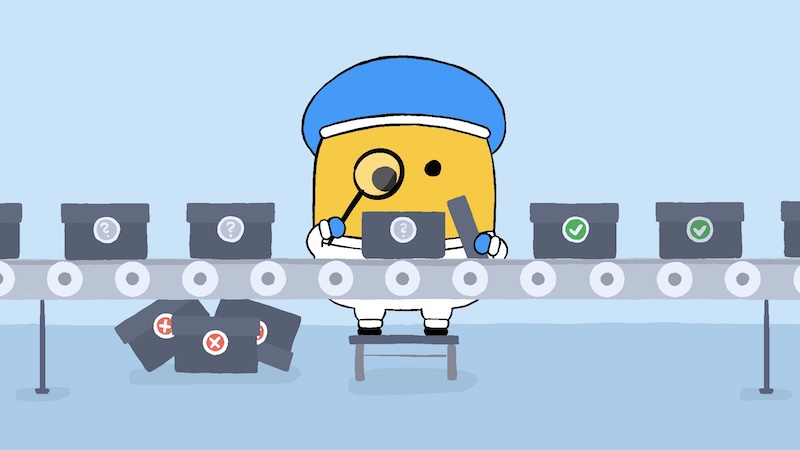
The First 10% to 20% Is the Whole Point
The check is booked once regular production has started but most of the order is still unmade, which usually means somewhere inside the first fifth of the run. Go later and the mistake is already built into much of the order, which turns a correction into a negotiation.
Go earlier and there are no finished units to judge, but the visit is not wasted: the materials, the components, and the documents on the floor can all be checked before any of it goes into production.
Inside that window, wrong material can still be pulled before it is consumed, workers can still be shown the right way, and a machine setting can still be corrected before it is built into every unit.
Any substitute has to match the grade, specification, and source you approved, and it needs your written agreement first, or a fix quietly becomes a downgrade nobody recorded.
This is the first check to add when something is new, and the first to drop when nothing is. That trade-off is a quality control in China decision, and it gets made order by order rather than once.
Being on the floor inside that window, rather than whenever the factory finds it convenient, is manufacturing control work.
Its answer is not simply yes or no, because it tells the factory what to change. A pre-shipment inspection answers a different question, which is whether to accept goods that already exist.
The Sample in the Office, and the One at the Workstation
The most common thing an early check finds is not a defect but the wrong reference. The approved sample sits in the sales office, signed and tagged, while the line is working from last season’s version, or a photo on a phone, or what the supervisor remembers from the last buyer who ordered something similar.
Usually the information simply never walked from the office to the floor, since the person who agreed your specification is not the person building it. Sometimes it is a substitution nobody mentioned, which is a different problem with a different answer.
This is why so many good samples fail at prototype to mass production. The sample and the order were both right, the floor was working from something else, and nobody compared the two until the goods were packed.
So the first question on day one is not whether the units look good. It is what the line is comparing them to. Ask the inspector to photograph what the floor is actually working from: the approved sample, the drawing, the color chip, the label artwork you signed off. If it is not physically at the workstation, you have found your defect before a single unit is checked.
What Day One Actually Covers
Start with the materials, because a wrong input cannot be inspected out later. Grade, thickness, color, finish, and whether the batch on the floor is the one the factory claims it bought.
Move to the parts, because the wrong one stops everything. The plug type, the fastener, the label, the insert card, the carton. A missing part delays production, but a wrong part that still fits spreads through the batch unnoticed.
Finish with the units already built, checked against the reference you just verified. Fit, finish, markings, and packing are where you finally see what the factory thinks you ordered, and where a wrong reference shows up as a real product.
What it does not cover is the whole order, and pretending otherwise is how buyers get burned. That early slice shows whether the line started with the right materials, settings, and reference. It does not tell you the last carton will be right, which is what a during production inspection later in the run is for.
The Report Needs a Decision, Not a Discussion
A useful report ends in one of three actions: keep going, fix the process, or stop the affected work. Anything in between is how a small problem becomes a shipped one. A report that lists problems while the same work carries on unchanged buys you nothing but a dated note of when you noticed.
So decide the rule before the inspector arrives, not while a factory manager is on the phone. Write it into the purchase order: a critical fault, or a major one that keeps repeating, pauses the affected work until you clear it in writing.
Then be willing to use it, because the pressure runs the other way. Stopping a line costs the factory money today and costs you a few days of schedule. Not stopping it costs whatever the mistake is worth multiplied by your order quantity, and you find out at the end, when it is a failed inspection in China instead of a production issue.
When It Is Worth the Day Rate, and When It Is Not
Book it when the order is new, the specification is fussy, or the factory is unproven. First order at a new supplier, a custom or private-label product, tight colors, retail packaging, anything where close enough comes back as a return.
Skip it when you are reordering a simple product from a factory that has already built it correctly, more than once. The China inspection cost of a day rate on a repeat run of plain goods is real money for thin margins.
Book it if anything changed. A new material source, a new factory building, a long gap since the last order, or a specification update you sent by email and never confirmed. Factories change quietly, and the first units are where the change shows.

FAQ
Q1: Can the factory just send photos of the first units instead?
Photos show you what they chose to photograph. They cannot show you which reference the line is using, what the material batch is, or what the units nobody selected look like.
Q2: What if production has not really started on the booked day?
You may still be charged if the booking was confirmed and the delay surfaced too late to cancel, so use the day: materials, parts, and the reference the line will work from. Then ask for a revised schedule based on the real start date, because a late start rarely stays a small delay.
Q3: What if only one of several SKUs has started?
Check the one that is running, then ask when the others start and whether they use the same materials, line, and workers. One good SKU proves nothing about the versions built next week by a different team.
Q4: What should I do when the material labels do not match the purchase order?
Do not settle for a verbal explanation. Ask for the batch numbers, the supplier records, and any test reports that tie the material on the floor to the one you approved, and treat anything the factory cannot trace as unverified.
Q5: Is the factory right that early units are always rough?
Sometimes, for the finish on the first pieces off a new setup. But that is not an excuse for wrong materials, parts, sizes, or markings, and a factory that blames the warm-up for those is telling you your specification never reached the floor.
Q6: Can production continue while small problems are fixed?
Yes, when the fault is clearly contained and cannot reach the remaining units. Pause the affected work whenever the cause is still unknown, because an unexplained defect is one that repeats.
Q7: Who has the authority to stop the line?
Nobody on the floor, unless the supplier accepted a clause that says so. The inspector reports rather than instructs, so the pause has to come from you under a term the factory agreed before production.
Q8: Should I pay for a second visit before the run continues after problems are found?
For anything serious, or likely to repeat across the batch, usually yes. A fix nobody checks is just a promise with a photo attached, and waiting means the whole order is finished before anyone looks again.
Conclusion
Later inspections still catch problems; this one changes the process before the mistake spreads through the rest of the run. That is the whole argument for spending a day rate at the front of a run rather than a much bigger sum later.
Standing on the floor at unit fifty costs one day rate, and reading the same news at the end of the run costs the order. We take the early slot through manufacturing control, so the factory changes course while the bill is scrap and a reset rather than a container.