What Is AQL? Inspection Limits Buyers Should Know
AQL is the rule that decides whether a shipment passes or fails on the strength of a sample, not a promise that every unit is perfect. Combined with the order quantity and the check level you choose, it tells the inspector how large a sample to check and how many faults that sample is allowed before the shipment is rejected.
| Defect class | Usual setting | What it covers |
|---|---|---|
| Critical faults | Zero accepted | Safety or legal risk |
| Major faults | AQL 2.5 | Breaks, misfits, obvious flaws |
| Minor faults | AQL 4.0 | Small cosmetic issues |
Those three lines cover most orders, but the full standard also fixes how many pieces get opened and when a check tightens or relaxes.
What AQL Actually Decides
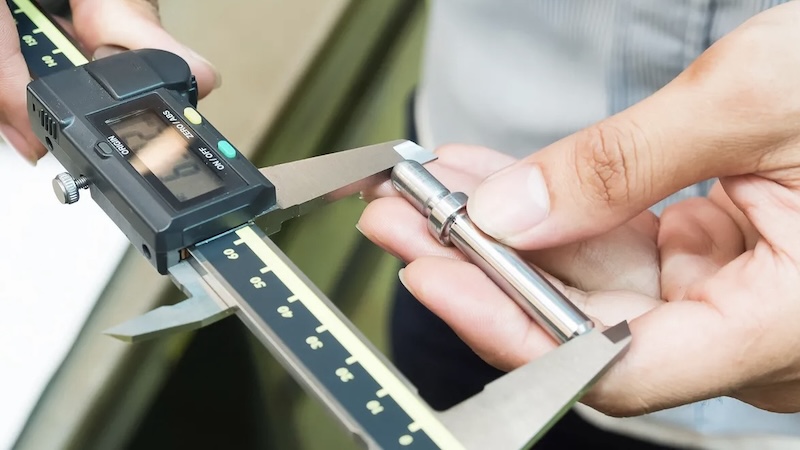
AQL, short for acceptance quality limit, sets the line between a shipment you accept and one you reject. The inspector opens a set number of pieces from the lot, the batch of finished goods offered for checking, counts the faults, and compares the count against an allowed maximum.
Stay at or below the acceptance number and the lot passes; reach the rejection number and it fails. Both numbers sit on the report, so you can also see how close the shipment came to going the other way.
Nobody opens all 5,000 units, so a pass tells you the sample held, not that every piece in the container is flawless. Buyers who expect a fault-free shipment from an AQL pass end up arguing with their supplier about a standard they agreed to themselves.
Agreeing the limits in writing is what stops that argument. Once you, the factory, and the inspector are working from the same numbers, the result of a visit is a fact both sides accepted in advance rather than a judgement call made on the day.
How many checks an order earns is a separate decision, made on what a failed shipment would cost you rather than on the standard itself. That is a quality control in China question, and AQL is what gives each visit you book a result you can act on.
Before a new plant gets your first order, we walk the floor and judge whether the way it runs the line can hold the limits you are about to write, which is the job of a factory audit.
What the Numbers Mean
A lower AQL number is stricter: 1.5 allows fewer defects than 2.5, while 4.0 allows more. It sets the highest share of faulty units you are willing to keep accepting across a run of orders, which is why a smaller number is the harder one to meet. It is not a quota of defects the factory may spend on this shipment.
Most orders run three limits at once, and the split matters more than the numbers. Critical means it could hurt someone or break the law, so a single find rejects the lot. Major means the product does not work or the customer comes back. Minor means it still sells but looks worse, and premium goods often pull the major limit down to 1.5.
Tighten the number only where the risk justifies it. A sharp edge on a kids’ product deserves zero acceptance. A faint scuff on the packaging does not. Setting everything strict looks safe and just means more rejected lots, more rework, and a factory that stops taking your standard seriously.
How the Sample Size Is Set
You do not work out the sample size yourself. The inspector reads it off the standard sampling table, which takes three inputs: the lot size, the inspection level, and your AQL for each defect class.
Bigger orders mean a bigger sample, but never the whole lot. Doubling the order does not double the check, which is exactly why the method is affordable in the first place.
The inspection level is the dial most buyers ignore. Level II is the normal default, Level I opens fewer pieces, and Level III opens more and gives more confidence.
Opening fewer pieces only costs less when it saves a whole inspector day, because the bill is built from days and travel rather than units. Set the level against the damage a bad shipment would do rather than the price of the visit, and let your inspection company recommend it for your product type.
The Number Alone Will Not Protect You
Handing a factory two numbers and nothing else is where buyers lose money. The tolerance is only half the job, and the half that decides most arguments never travels with the numbers.
Is a scratch major or minor? Is that shade of blue close enough? Two inspectors will answer differently, and both will say they followed AQL. That is not a flaw in the standard. It is a gap in your instructions.
Write down what a fault is before anyone inspects anything. Define each of those three levels for your product, set the appearance limits, list the function checks, and cover packaging, labels, and barcodes. Photos beat paragraphs here and a marked-up sample beats both, which is why the numbers only work sitting on top of a written inspection checklist.
Then remember that an approved sample does not guarantee consistent mass production. Materials, tooling, assembly, and finishes can all drift at volume, so the move from prototype to mass production is where a clear inspection standard pays for itself.
When to Apply It
Most buyers use AQL at the final check, before they pay the balance. That is when the goods are made and packed, and the result decides whether the container ships. A pre-shipment inspection is the last moment the problem is still the factory’s.
Earlier checks use the same logic and cost less to fix. Sampling during the run through a during production inspection catches a drift while there is still time. An initial production check catches the wrong material before it becomes a full run of bad units.
Two things stay fixed at every stage: the fault definitions you wrote down, and the AQL limit you set for each class. What can move is the sample size and the inspection level, so a factory with a shaky record gets more pieces opened rather than a tighter number.
Judge a batch at 2.5 during production and at 1.0 before shipment and you have held the same goods to two different rulers, which leaves you two reports that cannot be compared.
FAQ
Q1: What AQL level should I use for my product?
The set in the table above is a starting point for ordinary low-risk goods, and from there you move one line at a time on what returns cost you to handle. Children’s products, electricals, food-contact items, and anything else regulated are set by the safety and legal risk instead, so settle that first and then write the numbers into the purchase order.
Q2: Can I demand 0 acceptance across the board?
Keep zero acceptance for safety and legal faults, and leave the rest alone. A factory that agrees to zero everywhere either prices the risk into your unit cost or keeps sorting the shipment until a sample passes, which is a slower way of shipping the same goods.
Q3: Do the three limits get counted separately or added together?
Separately, and it catches buyers out. Each class carries its own acceptance number, so a lot can sit well inside the minor limit and still fail because the major count went one over, and a clean score on one line never buys room on another.
Q4: What sample size do I get on a small order?
Smaller than most buyers expect, with roughly 50 units opened on a 300-piece order at Level II. The day rate does not shrink with the order, so on a very small run the question becomes whether the visit is worth booking at all.
Q5: Is 100% inspection worth paying for?
For high-value goods or a supplier with a bad run behind them, opening every unit can cost less than the returns, though for most orders it is overkill. It only finds what looking and handling can find, so it never stands in for lab testing, certification evidence, or the destructive checks that prove a product is safe.
Q6: Who picks the cartons the inspector opens?
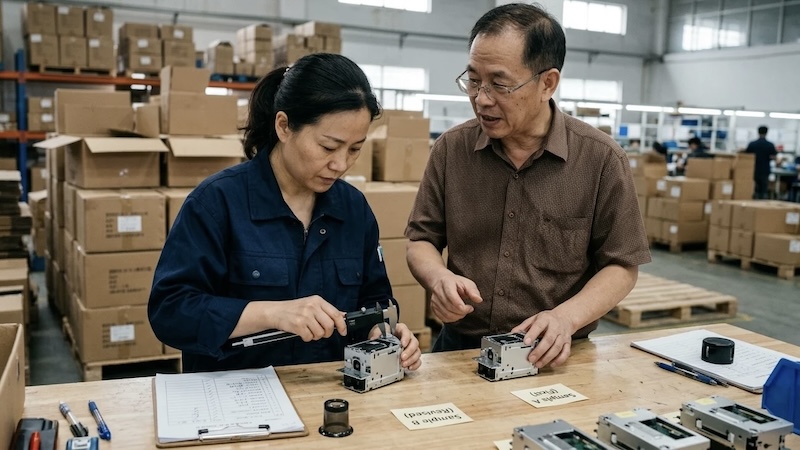
The inspector picks them, at random, from the finished goods on the floor. If the factory or the supplier sets cartons aside in advance, the sample stops representing the shipment and the whole method quietly stops working.
Q7: Should the inspection report include photos of every defect?
It should show clear photos of each defect type, especially anything sitting close to the rejection limit. Ask for where the fault appeared and how many units carried it, since that is what makes the report useful for fixing the cause.
Q8: Is the factory right when it says my AQL is too strict?
Ask which specific defects they are failing on before you answer, because a clearly defined cosmetic point your customers never notice is worth re-pricing. Function, durability, safety, labeling, and anything the law requires stay where they are, whatever the factory says your buyers will never see.
Conclusion
AQL fixes the standard you are prepared to keep taking order after order, and it only works when both sides have agreed in advance what counts as a defect. Choosing the numbers takes a minute. Writing the defect definitions is the part that decides whether the inspection protects your money.
A factory will agree to any number you send it, so the first look belongs upstream of the paperwork. We go and see how the line is run, what equipment sits on it, and who is standing there, through a factory audit, and leave the per-order sampling to do the part an audit never can.