
Sea Freight vs Air Freight: When to Pay for Speed
Sea freight is several times cheaper per unit than air, and that gap is structural rather than negotiable. Air is a premium you pay for speed, and it only pays off when the goods are high-value, perishable, or racing a deadline.
| Sea Freight | Air Freight | |
|---|---|---|
| Cost per unit | Lowest | Several times more |
| Transit | 3 to 5 weeks | 5 to 10 days |
| Best for | Bulk, heavy, planned stock | High-value, urgent, light |
| Watch out for | Slow, needs planning | Volumetric-weight pricing |
Sea is the default and air is the exception, and the only real skill is knowing which shipment is the exception.
Why Sea Freight Is Structurally Cheaper
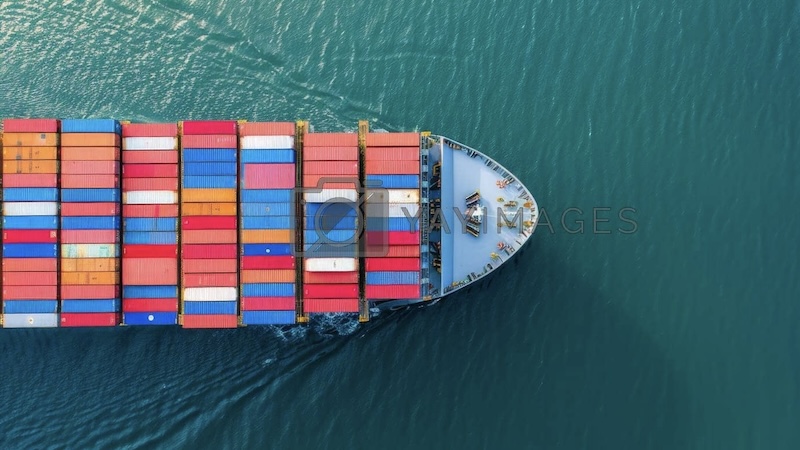
Scale spreads the cost thin. A big container ship carries tens of thousands of containers, so fuel, crew, and port fees divide across an enormous load and your shipment absorbs only a sliver of it. That structural gap is why the method decision sits near the front of every plan in the guide to shipping from China.
Ships use far less fuel per ton. A plane burns powerful engines just to stay in the air, while a ship only fights water resistance, not gravity. Since fuel is a big cost in both, that energy gap becomes a price gap.
Sea needs very little labor per container. A ship moving around 20,000 containers often runs with a crew of only a few dozen. Moving that volume by air would need thousands of pilots and ground crew across hundreds of flights.
Deciding which mode a given order should use, while the production schedule can still be moved to suit it, is purchase management work rather than a freight question.
What the Numbers Look Like
These figures are illustrative and shift with route, season, fuel, and demand, but the shape holds. A whole container, a shared-container slot, and a per-kilo air rate sit worlds apart:
| Mode | Illustrative rate | Transit |
|---|---|---|
| Full container by sea | $1,500–$4,000 per container | 25–35 days |
| Shared container by sea | $80–$150 per cubic meter | 30–40 days |
| Air freight | $4–$8 per kg | 5–10 days |
A 500kg shipment by air at $5 a kilo runs about $2,500; the same load in a shared container can cost a fraction of that. The gap only widens as volume grows, though only a quote from a freight forwarder on your own lane turns that into a real number.
When Sea Freight Is the Right Call
Bulk, non-urgent goods: if you are near a full container and can wait, sea usually wins, and what that wait actually looks like door to door is set out in shipping time from China. This is the default for most consumer goods from China.
Planned replenishment: if you order with enough lead time to absorb transit swings, sea is the practical choice, and knowing when to ship from China around the factory calendar is often what keeps importing profitable.
Heavy or bulky goods: air is billed on actual or volumetric weight, whichever is higher, and how that chargeable weight for air freight is worked out is why machinery, hardware, and furniture cost far too much to fly.
Thin-margin categories: for home goods, textiles, and tools, freight is already a big share of profit, and air on top would often erase the margin.
When Air Freight Is Worth the Premium
High-value, low-weight goods: for electronics, luxury items, or precision parts, freight is a small slice of product value, and the cost of waiting can beat the cost of flying.
Time-sensitive or perishable goods: short-shelf-life goods, launch inventory, seasonal products, and urgent replacement parts may have no real alternative, and a fashion line that misses its window loses value no matter how cheap the freight was.
Urgent samples and prototypes: when a sample has to arrive to close a deal or keep a line running, speed beats cost outright.
Very small shipments: a few dozen kilos may not gain much from sea once consolidation fees and shared-container minimums are counted, so air or express courier can be competitive on total cost.
The Real Number Is Landed Cost, Not the Freight Rate
The freight rate is one line; the full cost at your door is what decides profit. Sea adds terminal handling, customs brokerage, duty, inland delivery, and storage penalties if you are slow to collect. Air adds airport handling, clearance, fuel surcharges, and security fees. Both methods also stall for the same reason, which is why the shipping documents have to be right whichever one you book.
Your shipping terms also decide who pays what. A quote that looks cheaper may bundle in freight you did not notice, or leave out costs you assumed were covered, so confirm exactly what the price includes before you compare.
A Practical Example
A buyer ships garden furniture from Guangdong: 2,800 kg across 18 cubic meters. By shared-container sea, freight plus port charges and delivery runs around $2,200, arriving in about 32 days.
By air, the same load prices on volumetric weight of roughly 3,000kg at $5.50 a kilo, about $16,500, in around 7 days. That is roughly $14,000 more for furniture, which sells on thin enough margins that air is impossible to justify.
Flip the cargo to $200,000 of smartwatches and air is only about 8% of value, which a launch deadline or a stockout risk can easily justify.
How to Decide: Four Questions
Run any shipment through these:
How urgent is it? Under two weeks usually rules out sea; four weeks or more usually allows it.
How does freight compare to product value? If air freight tops roughly 10% to 15% of value, sea should be the default unless speed truly matters.
How heavy is it against its value? Heavy and bulky goes by sea; light and high-value is a candidate for air.
What does a delay cost? If your inventory plan absorbs a few weeks, sea is fine. If missing a one-week window costs real sales, air may pay for itself.
FAQ
Q1: How long does sea freight from China take, door to door?
Port to port, China to the US West Coast often runs roughly two to three weeks, while the US East Coast or Europe can take about four to five weeks. Then add customs clearance and inland delivery at your end, which can be several more days. Plan door to door, not just port to port.
Q2: Can I split one order between sea and air?
Yes, and it is a common launch tactic: air a small first batch to catch early demand while the bulk follows by sea. It costs more to coordinate two shipments, but it beats stocking out in your first weeks. Just make sure both the factory and the forwarder know the plan.
Q3: For a small first order, is sea even worth it over a courier?
Not always. For small parcels, a courier is often simpler than formal air freight. Once consolidation fees, port charges, and container minimums stack up, a small load can cost about the same by courier, which also arrives far sooner. Price both on total landed cost before you assume sea is cheaper.
Q4: What documents do I need for a sea shipment?
The common set often includes the commercial invoice, packing list, bill of lading, and sometimes a certificate of origin, though some products also need fumigation or compliance certificates.
Q5: Is air freight safer for my goods than sea?
Both can be low-risk with proper packing and insurance. Air spends less time in transit and gets handled less, while sea means longer exposure to humidity and container movement. Good packing, insurance, and a pre-shipment inspection matter more than the mode you pick.
Q6: Do I need a freight forwarder, or can I book freight myself?
Most importers use one, since forwarders book the space, coordinate customs, arrange delivery, and reach rates a single shipper struggles to get alone. Booking direct only makes sense once you ship the same lane often enough to hold your own contract.
Q7: Which is greener, sea or air?
Sea, by a wide margin, for each ton of cargo moved. Air freight’s carbon footprint is many times higher for the same load. If sustainability matters to your brand, sea is the lower-impact default.
Q8: Why do ocean freight rates jump around so much?
Ocean rates swing with fuel prices, peak shipping seasons, and how much container space is available, so a quote can look very different a few months later. Book earlier in a busy season, and treat any rate you are given as good only for a short window. Building a little rate cushion into your costing protects you from a mid-year spike.
Conclusion
Sea freight is cheaper by structure, not by luck: it moves huge volumes on far less fuel and labor than air, and no amount of negotiating changes that. Air is faster because it has to be, and that speed is a premium worth paying only when the product carries high value, a short shelf life, or a fixed date.
By the time a factory is late and the shipment is packed, air freight is the only option left and the premium is not a choice. We set the mode and the production dates together through purchase management, so paying for speed stays a decision rather than a rescue.