Die Casting in China: Tooling, Costs, and Quality
A die-casting order is won or lost before any factory quotes it. Three moves decide it: the metal you specify, how closely you read the mold quote, and how tightly you define an acceptable part. Skip them and a cheap quote turns into rework, delays, and returns.
| Metal | Best For | Watch Out For |
|---|---|---|
| Aluminum | Housings, brackets, heat sinks | Less fine detail than zinc |
| Zinc | Small hardware, fine detail | Heavy on large parts |
| Magnesium | Lightweight, portable gear | Corrosion protection needed |
None of the three is the cheap one; each is cheap for a different kind of part.
Choose the Metal Around the Part
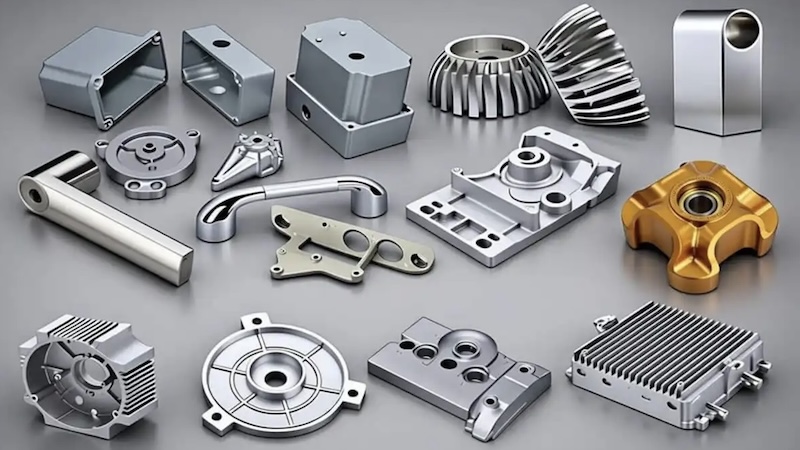
The metal decides your cost before anything else does, and the wrong pick lands on a later invoice. It arrives as extra machining after casting, plus rework and scrapped parts nobody budgeted for. The cheaper metal on the raw quote often turns into the expensive one once you add the cutting, the tighter checks, and the rejects it drags in.
Making a factory justify its metal recommendation in cost terms, instead of accepting the quote it sends, is where our product development work starts on a cast part.
Aluminum is the sensible default. It balances strength, weight, rust resistance, and cost better than the alternatives at ordinary volumes. Move away from it only when the part gives you a clear reason, not because a quote came back cheaper.
Zinc suits small, detailed, or decorative parts. It flows into finer detail than aluminum and holds thin walls with a smooth face, so locks, connectors, and small hardware favor it. It is also heavier, and the weight adds up fast on anything large.
Treat magnesium as a specialist call, not a default. It is worth the trouble only when cutting weight is the selling point, such as portable gear, and it asks more of the factory. Choose it only with a supplier who can show real experience running it and protecting the surface.
Whichever way you lean, tell the factory what the part has to survive: the load it carries, the temperature it sees, and whether it lives outdoors. A supplier who picks a metal without asking any of that is guessing with your money.
What a Mold Price Must Include
The mold is a separate purchase with its own terms, and most first-time importers never read them. You pay for it once, up front, before a single sellable part exists. Everything you fail to name in that document becomes the factory’s decision later.
Three answers carry the commercial weight. How many parts the mold makes at once sets your unit price. How many parts it should make before it wears out tells you whether you will buy tooling twice. What the price bundles in, from the trimming tool to the trial runs, decides how many extra bills arrive later.
Name who owns the mold, who stores it, who pays to repair it, and what happens if you move production. Paying the mold invoice does not settle any of those by default, and China mold ownership is the clause buyers most often discover too late, usually when they ask for the tool back.
Favor a factory that casts, trims, machines, and finishes under one roof. One team owning the whole chain catches conflicts early, such as a clean-looking face that shows marks after trimming, and leaves one party accountable when a defect appears. If steps go outside, make the factory say plainly what it runs itself.
When You Should Not Pay for a Mold
A mold only pays off spread across real volume, so at low quantities it is often the most expensive line on the quote. Plenty of small importers fund one for a part they could have made cheaper another way. Most first orders in a hardware import from China are small enough that the tooling, not the parts, is the biggest number on the page.
For small runs or a design you are still changing, cutting the part from solid metal usually wins, because there is no mold to buy and changes cost almost nothing. Price a solid, blocky part as CNC machining in China first, and when the routes look close, the trade-offs behind choosing a manufacturing process settle it.
Flat parts are a separate conversation. A bracket or panel that can be cut and bent from sheet may need no mold at all, and laser cutting services cover that route. Matching the process to the part and the volume is one of the cleanest ways to protect a tight budget.
Make Every Factory Quote the Same Drawing
A casting quote only means something when every factory prices the identical package. Same drawing version, metal, finish, yearly volume, inspection, packing, and delivery terms. Change one of those and the numbers stop being comparable, which is how a buyer ends up choosing on a difference that was never real.
When a quote comes in far below the others, go hunting for the gap. The usual missing pieces are trimming, machining, leak testing, surface finishing, inspection, and proper export packing. Ask for each as a separate line, so you can see which factory is cheaper on the work itself.
A genuinely new part needs the full drawing package before any of this works. See how to source custom products from a drawing, then send the same file to every factory on your list.
Ask for prices at several volumes and read what they reveal. Request a number for a small first batch, then for higher yearly quantities. If the price barely drops as volume climbs, extra work such as machining is carrying the cost, and knowing that hands you leverage before you negotiate.
Settle Defect Rules Before You Approve a Sample
Molten metal cools unevenly, and it can leave tiny hollow spots inside the part. They come from air caught in the metal or from shrinking as it hardens, and they are the defects that burn importers, because nobody pinned them down until the parts landed.
Whether those spots matter depends on how big they are, where they sit, and what job the part does. That is a discussion for the quote stage, not after you have paid. Say upfront if the part must hold pressure or gets machined later, because a factory that knows a surface will be cut or has to seal can plan the mold for it from day one.
Get sample acceptance in writing before the first tool samples run. Spell out which measurements get checked, how the look of the part is judged, and what happens when a batch misses. Settling that early costs far less than arguing mid-production, when the tooling is paid for and the schedule is already tight.
Approval is not the finish line, because the batch that ships months later comes off the same mold under different conditions. Agree now which measurements get rechecked on the first production run, and book an initial production check rather than waiting for the final count.
FAQ
Q1: How thin can a die-cast wall be?
Around 1.5 to 2.5 mm is normal on aluminum, with zinc going thinner because it flows more easily. Very thin walls mean more rejects, so ask the factory to confirm your thinnest section before the mold is cut.
Q2: Can the same mold run both aluminum and zinc?
No, the mold and the process are built around one metal, so switching later means a new tool. If you are torn between the two, get the part quoted in both at your yearly volume before the mold drawing is signed off.
Q3: Can I cut cost by casting features that are now machined?
Ask the factory which drilled or cut features could be formed in the mold instead. Every feature that leaves the machining step lowers the unit price, though very tight holes and flat faces that have to seal still get cut.
Q4: Can I start with a cheaper trial tool before a production mold?
Some factories build a simpler, lower-cost tool for early samples or a small first run, then cut the full mold once the design is settled. The parts cost more each, but the loss stays small if the design still moves.
Q5: Why do my parts have a thin ridge around the edge?
That ridge is left where the two halves of the mold meet, and trimming should remove it. If it keeps coming back, the mold halves are not closing cleanly or the trimming step is being rushed.
Q6: Will paint or plating hide casting marks?
A thick powder coat hides small marks, while plating and thin paint tend to make them more obvious. Agree on which faces have to look perfect, because that decision changes both the finishing method and the price.
Q7: Will my unit price hold on reorders?
Ask how long the quote stays valid and what would move it, since metal costs shift through the year. Some factories fix the price for a set period and others tie it to the metal market, so put the answer in the purchase order.
Q8: What does a bad batch cost beyond the refund?
The refund rarely covers sorting, rework, air freight for replacements, or the sales you miss while the shelf sits empty. Price those in when you decide how much inspection to buy.
Conclusion
The parts of the deal you never specified are the ones the factory decides for you. Metal, mold terms, and the line between an acceptable part and a reject all get settled by somebody. Put them in writing and that somebody is you.
Writing the mold terms, defining where a reject begins, and checking the first run off the tool are hard to manage from another country. We handle that work through product development, so the parts arriving in month six still match the sample you signed.