Maple Sourcing Ltd.
Maple Sourcing Ltd.
We Make Your Sourcing Easy!
Need help? sales@maplesourcing.com
English
Maple Sourcing Ltd.
Maple Sourcing Ltd.

Protect Your Product Idea Before a China Factory Copies It

Published:
Updated:
6275 Views
Table of Content [Hide]

    Your home-country patent stops at your border, so inside China it usually gives you little direct leverage to stop a factory from copying your product. Real protection comes from China-specific agreements and filings, and they only help if they are in place before you share a single design file.

    Protection Layer What It Does
    Home-Country IP Locks ownership in your market
    China IP Filing Creates enforceable rights in China
    NNN Agreement Blocks disclosure, reuse, and bypass
    Supplier Vetting Screens out high-risk factories
    Split Sourcing Keeps the full design from one factory
    Enforcement Plan Enables takedowns and legal action

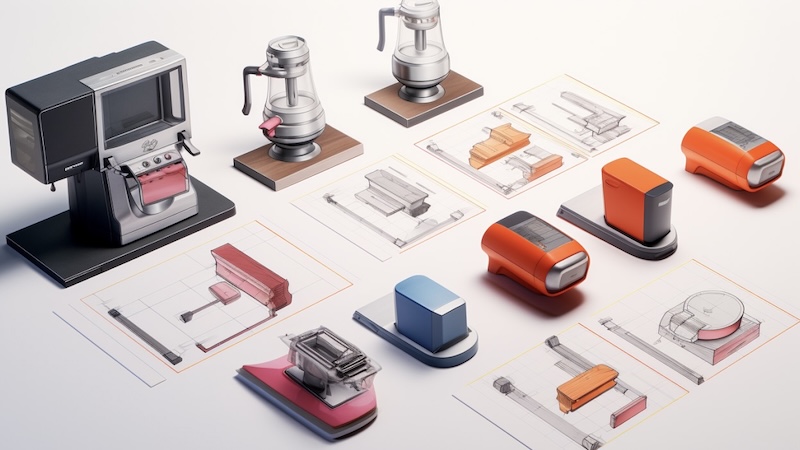
    Product design prototype

    The Patent Myth That Costs Founders

    Most founders assume the patent or trademark they filed at home protects them everywhere. It does not. These rights are territorial. Your US or EU registration protects your home market and nothing more. Inside China, it usually gives you little practical leverage to stop a factory from making your product and selling it to someone else.

    That gap is exactly where founders lose money. You spend months developing a product, send the design to a factory to get it built, and a near-identical version turns up on a marketplace a few months later at a lower price. The factory may not have violated your home patent in China, because that patent was never in force where the copying happened.

    The fix is not complicated, but it has to happen in the right order and before you share your design. The rest of this guide is that order, written for a small brand or first-time importer, not a corporate legal team.

    First, Nail Down What You Actually Own

    You cannot protect an idea. You can only protect a specific version of it. A concept in your head is worth nothing in a dispute. A registered brand name, a documented design, or a defined mechanism is something you can actually defend. Turn your concept into those concrete forms before you talk to any factory.

    Start by documenting and filing what you can in your home market, because it helps fix both your ownership and your date. File your trademark for the brand name and logo, and consider a design registration for the product’s look, which is often faster and cheaper than a patent on how it works. This matters most when sourcing custom products, where the design is the entire value you bring to the table.

    Do this before you show your design to any overseas factory. An early home filing gives you a dated record that supports protection in other countries later. Skip it, and you may hand over your best asset with nothing on paper proving it was yours first.

    China Needs Its Own Protection, And It Is Two Moves

    Since your home rights stop at the border, you need protection that works inside China. It comes down to two moves, and both belong before your design leaves your hands.

    Move one is a contract written for China, not a form NDA off the internet. The usual tool is an NNN agreement, which simply means the factory agrees not to share your design, not to use it for anything but your order, and not to go around you to reach your customers. The name matters less than this: a lawyer with China experience should write it in Chinese and tie it to enforcement inside China. An English contract under your home law is often close to useless against a China-based supplier. When you first ask factories for pricing, send only what a request for quotation needs, and save your full design pack until that contract is signed.

    Move two is registering your brand in China before someone else grabs it. China generally gives a trademark to whoever files first, not whoever used it first. There are real cases of factories registering a client’s brand ahead of the client, then using it as leverage. File your Chinese trademark early, and add a design registration to support marketplace takedowns down the line.

    One thing founders miss is who owns the design when the factory helps build it. With using OEM factories that produce to your drawings, ownership still hangs on your contract. State plainly, in writing, that every design and every tool stays yours. Never assume it.

    Choose A Factory You Can Trust With Your Design

    Picking a supplier is a security decision, not just a price decision. The factory you hand your design to is the one most able to copy it. A large maker with steady international clients usually has far more to lose from a copy scandal than a small, unknown shop chasing a quick win.

    Vet the supplier before you send anything sensitive. Check its business registration, license, and any legal history so you know you are dealing with a real, traceable company. A supplier quality audit does double duty, telling you both whether they can build your product and whether they look like a safe long-term partner. Many founders first meet factories on a marketplace, and the risks of buying from Alibaba include suppliers who treat client designs loosely, so verify before you trust.

    Watch for the signs that a factory is the wrong one:

    A scattered, unrelated catalog: often a reseller, not a focused maker.

    More interest in your sales than your specs: a factory asking about your pricing, channels, and customers before your product is a warning sign.

    No proof of production: refusing a live factory tour or references is a reason to walk away.

    Share Less Than You Think You Need To

    The simplest protection is not handing over the full picture. Give each factory only what its stage of work actually requires. At the quoting stage, share rough dimensions and materials. At the sampling stage, share what the sample needs. Keep your source files, formulas, and the clever part of your mechanism back until your protection is signed and filed.

    For higher-value or complex products, split the work so no one factory holds the whole design. One makes the working part, another the housing, another the packaging and branding. No single supplier has everything needed to build a copy alone. This adds coordination, so it earns its place on products where any one piece would let a copycat compete, not on simple, low-value orders.

    Keep records of what you send, because they become your evidence. Note what you shared, what you approved, and when. A disciplined way to manage sample orders is part of your defense if a copy appears, not just a quality habit. Steady repeat orders help too, since a factory that depends on your business has a reason to protect the relationship, though that never replaces a real contract.

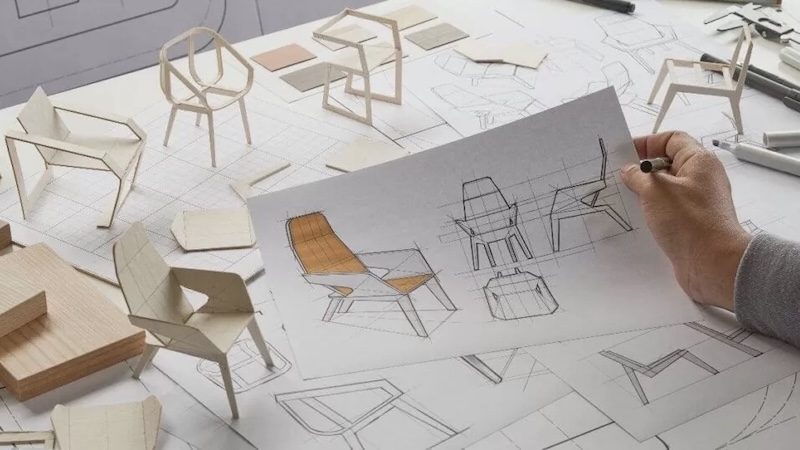
    Packaging design

    When A Copy Shows Up

    Even done right, copies happen. What you can do about it depends entirely on the groundwork you laid.

    Marketplace takedowns: with a registered Chinese trademark or design, you can file complaints on Alibaba, Taobao, and Tmall to pull copycat listings. How fast they act depends on your evidence.

    Customs holds: recording your rights with China’s customs lets them detain suspected copies before the goods leave the country.

    A lawyer’s letter: a formal notice from a Chinese IP lawyer citing your registered rights is often enough to scare off smaller operators.

    Court action: for serious cases with registered rights and solid evidence, Chinese courts may be an option.

    Notice the pattern: nearly every option depends on having registered in China first. Founders who skip that step usually find their only real choice is watching it happen.

    FAQ

    Q1: Do I need China protection if I only sell in the US or Europe?

    Often yes, because the risk starts at the factory, not the storefront. A supplier may copy your product and sell it to other markets or to your competitors even if you never sell in China yourself. A China-ready contract and a Chinese trademark protect the point where your design is actually exposed.

    Q2: Does showing my product at a trade show or on Kickstarter hurt my patent rights?

    It can. In many countries, publicly revealing your design before you file can weaken or void a patent, since the design is no longer new. If a launch or campaign is coming, file your key applications first, or ask an IP lawyer whether a grace period applies. When in doubt, file before you show.

    Q3: Can a factory reverse-engineer my product from the sample I send?

    It can, especially for simpler mechanical products, since a physical sample often reveals more than drawings do. This is why your contract and China filings matter more than secrecy alone, and why splitting production helps on complex products. Share samples only with a shortlisted, vetted, and contracted supplier.

    Q4: Can a factory sell the extra units it produces beyond my order?

    Without the right contract, some factories treat overruns as theirs to sell, which quietly puts your product on the market at a lower price. A clause barring any use outside your order, plus a stated cap on production quantities, closes that gap. Ask, in writing, for any unsold overruns to be destroyed or handed to you.

    Q5: If I switch factories, does my old supplier still have to keep my design secret?

    A well-written contract keeps its confidentiality and non-use terms in force after the relationship ends, often for a set number of years. That is one more reason the wording matters more than a handshake. Before you leave a supplier, confirm those terms survive and keep your signed copy on file.

    Q6: A supplier already registered my brand in China. Can I get it back?

    Sometimes, through an opposition or cancellation action, especially if you can show earlier use or bad faith, but it is slow and not guaranteed. A Chinese IP lawyer can assess your odds. This is exactly why filing your own trademark early is far cheaper than trying to claw one back.

    Q7: Can I do anything if a copy appears but I never filed in China?

    Your options are limited without registered Chinese rights, which is the hard lesson many buyers learn late. You may still act on your home-market rights where the copy is actually sold. Going forward, register in China so the next copy has a clear takedown path.

    Q8: Is it too late to protect a product I’m already manufacturing in China?

    No, but you are protecting from a weaker position, so move quickly. File your Chinese trademark and any available design rights now, get a China-ready contract signed before the next order, and tighten what you share going forward. Late protection still beats none when you plan to keep producing.

    Conclusion

    Protecting your product idea in China is not one action. It is a stack of layers: register at home, get a China-ready contract and a Chinese trademark, choose your supplier carefully, share in stages, and keep a plan for if a copy appears. No single layer holds on its own. The protection comes from stacking them, and every layer is far cheaper to add before production than after a knockoff lands.

    Build that protection into your sourcing from the first email, not after something goes wrong. Brands developing original products can use product development support to build contract coordination, supplier vetting, and sample control into the process from day one.

    Need help turning a product idea into a manufacturable sample?
    Maple Sourcing coordinates supplier feedback, samples, drawings, packaging, and production-readiness details before you commit to bulk manufacturing.
    Aaron Li
    I’m Aaron Li, a sourcing expert. Since 2012, I’ve helped 300+ startups source from China and manage product standards. Here, I share practical answers to common questions about sourcing and quality control.
    All Articles
    How to Calculate Landed Cost from China: Formula + Example
    CIF vs FOB Shipping from China: Which Should You Use?
    Carton Shipping Marks: What Importers Should Specify
    Where to Source Products for Retail Arbitrage in 2026
    Best Chinese Wholesale Websites: Alibaba, 1688, DHgate and More
    Senior Living Products from China: What Importers Should Source in 2026
    Wholesale Home Decor from China: What Retailers Should Check
    How to Source Solar Panels from China: A Buyer's Guide
    Can You Get Free Samples from Chinese Factories?
    Dollar Store Products in Africa: What Sells Best from China
    Private Label Sourcing from China: What Sellers Get Wrong
    4 Risks of Buying from Alibaba Before You Pay
    How to Find Wholesale Suppliers for Small Businesses
    CBM Calculator for Ocean Freight: Formula and Examples
    Profitable Ecommerce Niches: How to Find Gaps Before You Source
    Proforma vs Commercial Invoice: Which Clears Customs?
    Gross vs Net Weight in Shipping: What to Check
    Direct vs Indirect Sourcing: How to Choose the Right Model
    How to Write a Quote Request That Gets Real Prices
    Supply Chain Trade-Offs: Cost, Speed, and Risk
    How Much Does It Cost to Start an Import Export Business?
    China Logistics Companies: What Small Importers Need
    How to Get a Supplier to Lower the Price, Not the Quality
    Hidden Costs of Importing from China That Eat Your Margin
    Sourcing from China for Amazon: Why First Orders Fail
    Custom Packaging from China Without the High MOQ
    Supplier Quality Audit in China: What to Check and Why
    China Manufacturing Hubs: Which Region Fits Your Product?
    Made in PRC: What It Means and What to Check
    FCL vs LCL Container Shipping: Which Is Right for Your Order?
    Sea Freight vs Air Freight: When to Pay for Speed
    Top Toys to Import from China: What’s Selling in 2026
    China to Canada Shipping: How to Cut Freight Costs
    Alibaba vs AliExpress: Which One Is Right for You?
    Importing from China to USA: Protect Your Margin
    Product Development in China: Buy or Build Your Product?
    Protect Your Product Idea Before a China Factory Copies It
    FOB vs EXW China Imports: Which Term Really Costs Less?
    1688 Purchasing Agent: How to Buy from China’s Domestic Market
    Yiwu Market Product List: What to Buy and What to Avoid
    4PX Shipping: Tracking, Delivery Times and Is It Legit?
    DHL Shipment On Hold? What to Do and Who Fixes It
    Best Taobao Agent for Kitchen Products: What to Look For
    Can You Trust an Alibaba Verified Supplier for Quality?
    Foshan Furniture Market Guide: What to Check Before Buying
    Guangzhou Fabric Market Guide: What to Buy, What to Avoid
    Is the Canton Fair Worth It for a First-Time Buyer?
    Huaqiangbei Electronics Market: Why Cheap Deals Cost More
    China Electric Toothbrush Suppliers: What to Check
    Bag Manufacturers in China: Can They Make Your Design?
    China Product Samples: Why They Don't Match Your Idea
    Shipping Documents: 5 Mistakes That Delay Customs
    Procurement Life Cycle: Step by Step for Logistics
    Top Beauty and Healthcare Products on Amazon: Seller Risks
    Can Your Factory Actually Deliver? Check Capacity First
    Top 10 Wholesale Markets in China: Which One Fits Your Product?
    Why Are So Many Toothbrushes Made in China?
    Famous Products Made in Shenzhen: A Buyer’s Guide
    How to Negotiate Lower MOQ Without Losing Supplier Trust
    Why Brands Use OEM Instead of Their Own Factories
    Consolidate China Shipments and Cut Freight Costs
    10 Profitable Products to Import from China to Europe (2026)
    Key Shipping Ports in China and North America for Importers
    What Apple's China Suppliers Teach Small Buyers in 2026
    Incoming Quality Control in China: What Buyers Need to Know
    China Sourcing Agent Fees: Hidden Costs and Real Rates (2026)
    8 Most Profitable Products from China to Resell in 2026
    Why Are Most Things Made in China? Not Cheap Labor
    Inspection Companies in China: How to Choose in 2026
    How Much Cheaper Is Manufacturing in China?
    Customized Products from China: 4 Trends Buyers Should Check
    China Pre-Shipment Inspection: Your Last Check Before Paying
    Global Sourcing Challenges: 8 Risks Buyers Miss
    How to Source Electronics from Shenzhen Markets
    Verify a Chinese Company: 6 Checks Before You Pay
    Bulk Order from China: 7 Checks Before You Pay
    How to Order from Alibaba Without Getting Burned
    China Supply Chain Advantage: Why It's Hard to Replace
    Rapid Prototyping in China: Get Samples Faster
    Ship from China to Amazon FBA: Prep Rules That Cost You
    Is Buying in Bulk from China Worth It? The Real Math 
    Sourcing LED Lights from China: 6 Checks Before You Order
    China Sourcing Service: What You Actually Save
    How to Contact Chinese Factories and Get a Reply
    China Manufacturing: 8 Steps to Keep Orders on Track
    Kitchen Products from China: 7 Supplier Mistakes to Avoid
    Best Products to Import from China: 6 Checks Before You Buy
    Trendy Electronics from China: What’s Selling in 2026
    Chinese Supplier Search: How to Shortlist the Right Ones
    Shenzhen Sourcing Agent: Best for Electronics and Tech Sourcing
    Hardware Import from China: What Buyers Must Check First
    China Direct Sourcing: When It Helps and When It Hurts
    China Supplier Management: 5 Things to Lock Down
    Direct Product Sourcing in China: 9 Steps Beginners Miss
    China Outdoor Product Suppliers: What Separates Good from Bad
    China Buying Agent: When You Need One and When You Don’t
    Manufacturing in China: What’s Changed and What Hasn’t
    In-House vs Outsourced China Procurement: True Cost
    Metal Products from China: 6 Checks Before You Order
    China Sourcing Agent for Amazon: When It Pays Off
    Read More
    References
    Our Features
    Custom Products
    Turn concept to reality
    Quick Response
    Within 24 hours
    Detail Oriented
    Strive for perfection
    Assured Quality
    100% Guarantee