
China Sheet Metal Fabrication: Cost, Quality, and MOQ
A good sheet metal quote is not the lowest number. It is one that breaks down material, cutting, bending, welding, finishing, and inspection, so you can see exactly what you are paying for. Read cost, quality, and MOQ as one package, because a cheap unit price often hides loose tolerances, a skipped finish, or an MOQ too high for a pilot run.
| Factor | What to ask | Why it matters |
|---|---|---|
| Cost | What is in and out of the quote? | Stops surprise charges |
| Quality | How are bends, welds, finishes checked? | Shows process discipline |
| MOQ | Minimum for samples vs production? | Matches your demand |
| Finishing | Powder coating, plating, or aluminum anodizing? | Can raise cost and lead time |
Once you see the quote as a chain of steps rather than one price, the cheap bids that skip a step become easy to spot.
What Drives Sheet Metal Cost in China
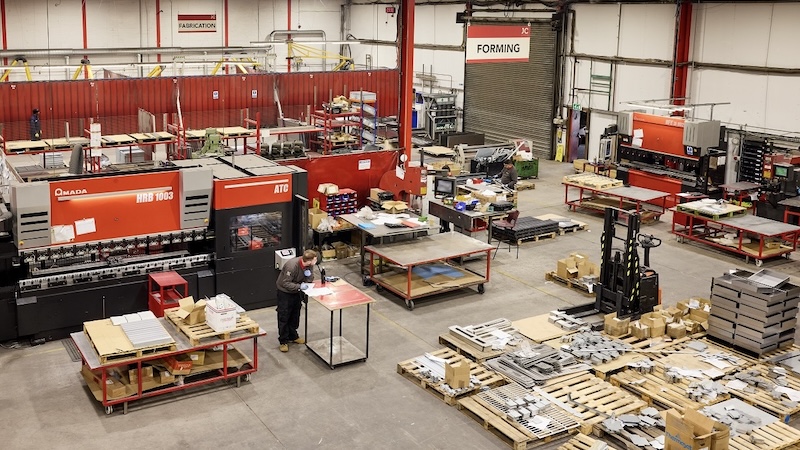
Fabrication cost starts with the sheet material and cutting, then rises with every bend, weld, coating, and check that follows. Material grade and thickness set the floor, and each added step brings more labor and machine time. The laser cutting stage is only the first step, so a quote that stops there is not a quote for a finished part.
Most of the money moves after the sheet is cut. More bends add programming and machine time, tight bend tolerances need closer checking, and welded joints may require fixtures and rework. Finishing can be a major cost driver, since powder coating, plating, and aluminum anodizing are often priced in batches and cost more per part at low volume. Confirm which of these are in the number before comparing quotes.
Watching those steps happen rather than reading about them afterwards is what manufacturing control covers on a fabricated part.
The cheapest process is not always fabrication. For parts made mainly by cutting and bending sheet, such as brackets, panels, enclosures, and trays, fabrication usually costs less than machining them from solid material. For thick parts, complex three-dimensional shapes, or very tight dimensions, CNC machining may be the better choice. A good supplier flags this instead of forcing every part into fabrication.
Judge the total, not the unit price. Setup fees, sample charges, rework caused by unclear drawings, packaging, and freight may all sit outside the headline number. Adding the hidden import costs to the quote is what turns three confusing bids into a real comparison.
MOQ: From Prototype to Production
MOQ on sheet metal is more flexible than buyers expect, but the economics change sharply with volume. Some shops will quote a single prototype if the drawings are clear and the part fits their equipment. The unit cost is simply high, because programming, setup, and inspection are spread across very few pieces.
Small runs carry a higher price per piece, and that is normal. For a few development units such as brackets, housings, or panels, expect a premium and treat it as the price of proving the design, much like a rapid prototyping run.
As volume rises, setup, material, finishing, and inspection costs spread across more parts, so the unit price usually falls. For repeat orders, focus on batch size, restock schedules, and whether the dimensions and finish stay consistent from one run to the next.
MOQ depends on more than the number of parts. A simple cut-and-bent part may have a low minimum, but coating, plating, or welding with custom fixtures pushes it up to cover setup.
Material choice matters too, so confirm grades and coatings early, the same way you would on any hardware import from China. Ask for prices at several quantity levels so you can see where the unit cost drops enough to justify a larger order.
Getting Quality Right on Bends, Welds, and Finishes
Sheet metal defects cluster in a few predictable places: bend angles, hole alignment, weld warping, and coatings. A carefully made sample can look perfect, yet dimensions and appearance may still change during volume production, which is how a good sample becomes a bad first batch at prototype to mass production. Knowing where the risk sits lets you inspect the right things.
Design for the process, and many common defects become easier to prevent. Keep holes away from bend lines, use practical tolerances, and give each bend enough room. These simple choices cut down on warped parts and misaligned holes. For welded assemblies, ask how the shop holds the parts and in what order it welds, since thin panels warp easily and are hard to straighten later.
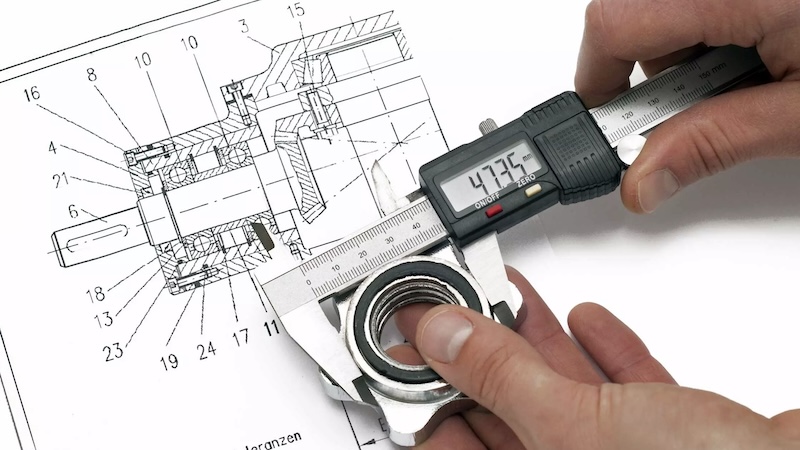
Lock quality before you scale, not after. Approve a first article against the latest drawing revision, confirm the coating thickness and finish standards, and set clear appearance limits up front. Building a during production inspection into the run catches problems while parts are still on the factory floor, when a fix is cheaper than reworking an entire shipment after delivery.
A material certificate from the factory is a claim, not a verification. Stainless is where this bites hardest, because 201 looks like 304 across a workbench and costs noticeably less, and the difference only shows up when a part rusts at the customer.
Name the grade in the purchase order rather than the quotation, and ask which mill supplied the sheet. On an order where corrosion matters, pay a testing company to confirm the alloy on a sample from the actual run.
FAQ
Q1: Which materials and finishes can Chinese fabricators usually do?
Many established fabricators can process carbon steel, 304 or 316 stainless steel, aluminum, and galvanized steel, with copper or brass at some suppliers. Common finishes include powder coating, anodizing for aluminum, zinc or nickel plating, brushing, and polishing. Confirm exact grades and finish standards in writing, and request material certificates when compliance matters.
Q2: Will the factory suggest design changes to lower my cost?
A capable factory should. Small changes like fewer bends, standard thicknesses, or swapping a welded joint for a folded tab or fasteners can cut price without hurting function. Ask for that feedback early, before the design is locked.
Q3: Should the assembly be welded or bolted together?
Welding is strong and looks clean, but it is harder to rework and can warp thin panels. Bolts or pressed-in fasteners cost a little more per part, yet they allow flat-pack shipping, easy repairs, and simpler finishing. Match the choice to strength, appearance, and whether you may need to open the part later.
Q4: How tight can tolerances be on bends and holes?
Sheet metal holds looser tolerances than machining, because bending and welding add small variation. Cut holes and flat features can be quite accurate, but bend angles and welded positions need realistic limits. Tell the factory which few dimensions are critical so it can control those closely.
Q5: What should I send in a sheet metal quote request?
Send your drawings and 3D files, marked with version numbers and the key measurements, bend notes, and hole locations. Add the alloy grade and sheet thickness, the finish and color, any welding or added fasteners, and separate prototype, pilot, and production volumes. A complete package cuts confusion and prevents hidden costs later.
Q6: How should fabricated parts be packed for shipping?
Coated panels scratch against each other, so ask for interleaving film or foam between faces and edge protection on anything with a bend. State it in the order, because a repaint on arrival costs more than the packing did.
Q7: How do I reduce risk with a new fabrication supplier?
Onboard in phases: a small trial order, then a pilot, then full release. Lock drawing revisions and approval steps to avoid version confusion, and name contacts for engineering, quality, and logistics. Keep incoming checks on your side during early batches until performance is proven across several deliveries.
Q8: Will a reorder match my first batch?
Not automatically. Finish color, coating thickness, and bend consistency can vary between runs, especially if the shop changes material lot or finishing subcontractor. Approve a reference sample from the first batch and require later runs to match it, so a repeat order does not arrive a slightly different shade or fit.
Conclusion
Sheet metal price, quality, and minimum order are one connected decision, not three separate ones. The right supplier breaks the quote into clear process steps, controls dimensions and finishes across the full run, and tells you when another manufacturing method would cost less. The cheapest opening number often turns into the most expensive order once rework and missed steps show up.
Bend angles that drift, welds that pull thin panels out of shape, and a coating batch that comes back a different shade are all hard to catch from another country. We hold those three through manufacturing control while the run is still on the floor, so the last piece matches the first.