
Container Loading Inspection: The Check Buyers Skip
A container loading inspection puts a witness at the doors while the load can still be changed on the spot. Whether that change costs you nothing depends on your purchase order and your payment terms, which is the part buyers cut along with the check itself.
| What it catches | What it saves |
|---|---|
| Missing cartons | Short shipment claims |
| Wet or damaged container | Mold, rust, rejected stock |
| Weak stacking, loose load | Crush damage in transit |
| Wrong marks, mixed SKUs | Warehouse chaos on arrival |
| Seal number on record | Disputes over responsibility |
Note the last row: the seal number is pure paperwork, and disputes turn on it more often than on any of the others.
Why a Passed Inspection Still Arrives Broken
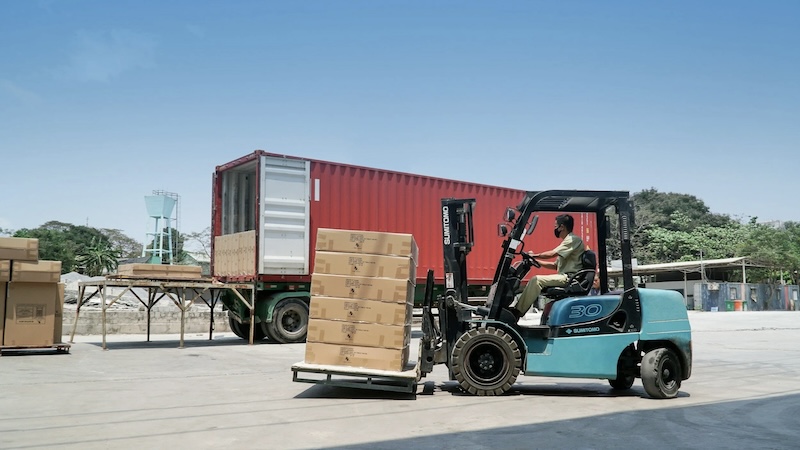
A product check and a shipment check are not the same job, and the gap between them is where your money goes. A pre-shipment inspection samples finished goods sitting in the factory, so it tells you the units opened met the specification on the points checked. It says nothing about what happens between that pile of cartons and a sealed steel box.
Everything that goes wrong in that gap goes wrong while the container is being filled. Cartons get stacked too high with nothing holding them in place. A group gets left behind because those units were still being packed, and the container that turns up has a wet floor nobody wants to reject. None of it surfaces until your warehouse opens the doors eight weeks later.
How many checks an order earns is a quality control in China question.
Fitting it into the shipping plan rather than buying it separately is order management work.
The Two Checks You Cannot Do Earlier
The first is the count, and everyone assumes someone else has done it. Cartons come from the loading area in whatever order the forklift finds them, the packing list says a number, and that number gets believed because counting a load slows the loading down.
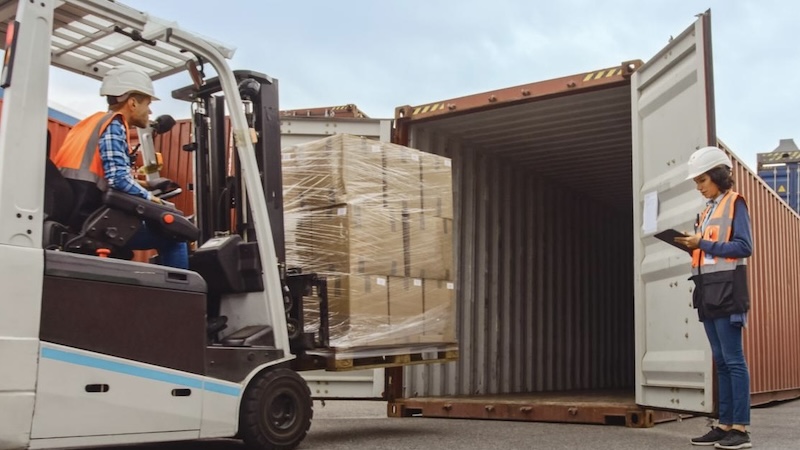
An inspector at the doors counts every carton as it goes in, by model, against the packing list. That is usually the only independent count anyone takes, and it is the one you can still act on.
A shortage found at the doors is a shortage the factory fixes that afternoon. The same shortage found at your warehouse is a claim, and it is your word against a packing list they typed themselves.
That list travels with the goods as one of your shipping documents, so without an independent count at the doors it becomes the only quantity record anyone can point to later. Clear carton shipping marks are what make the count possible at all, because a mark that does not identify the model turns counting into guessing.
The second is the container itself, and you get exactly one chance to see it empty. Holes you can see daylight through, a damp floor, a previous cargo’s smell, rusted door seals, nails sticking out of the wood. Once the first pallet goes in, that inspection is over forever.
Timing Is the Whole Product
Book the inspector to arrive before the first carton moves, not when loading is nearly done. The empty container check, the carton count, the packing method, whatever stops the load shifting, and the seal number going on at the end are all jobs that only exist while the work is happening.
An inspector who arrives late does a different job, not a cheaper one. A closed container and a seal number are all that is left to photograph, while the empty box, the count, and the way the load was secured have already gone in behind the doors.
Give the factory the inspection date when you give them the ship date, so nobody is negotiating access while a truck idles outside.
What It Costs, and What It Actually Buys
One inspector for one day is small money beside a full container, and what you buy is leverage that expires when the doors close. Before the seal goes on, the factory can sort the goods, restack the cartons, find what is missing, or send the container back.
The same two conditions make a failed inspection in China survivable and set the real China inspection cost question: the factory can still put it right on its own floor, and your last payment has not gone out.
Who pays for that afternoon depends on what caused the fault and what the purchase order says. Set out loading access, the standard, and liability for restacking, replacement units, and container swaps before production starts. Name who can halt loading, who signs off before it restarts, and what the inspector has to send you first, since a factory rarely stops on a verbal request.
Then define what releases the payment, because a clean load means nothing until someone says who decides it. Name the inspector’s report as the record, and list the findings that have to be closed while the doors are still open.
Ask for photographs of the corrected load rather than a message saying it is done, and keep the balance held while any listed item is open.
After the doors are sealed you are filing paperwork against a factory, a forwarder, and a carrier, each with a good reason to say the damage happened after they touched it.
Time-stamped photographs and a readable seal number establish the condition at the moment of sealing. That is one piece of a claim, alongside the bill of lading, the packing list, the damage noted at delivery, photographs taken as the container is opened, and written notice given on time.
When You Can Actually Skip It
Skip it when the goods are cheap to replace, the packing is simple, and the factory has loaded for you a dozen times without a surprise. One flat-packed model filling a whole container, from a supplier with that history, is the case for skipping.
Book it when any of these are true, and stop treating it as optional:
Mixed SKUs in one container. When several models, colors, and carton marks share one load, a placement or counting error becomes much harder to trace once the goods reach your warehouse.
Fragile or high-value cargo. Ceramics, glass, retail-ready boxes, anything that fails under stacking pressure.
A loading plan that only exists in an email. If the container volume calculation says the goods barely fit, someone on the floor will improvise, and improvisation is what crushes cartons.
A new factory, or a new packing spec at an old one. The first load tells you more about a supplier than the first sample did.
A deadline you cannot rebook. When the sailing date cannot move, one bad load turns into missed stock, emergency freight, or a launch that slips.
FAQ
Q1: Can one inspector cover two containers in one day?
Usually yes, if they load one after the other and each load is simple enough to finish inside the day. If both load at once, book a second inspector.
Q2: Should loading wait until every carton is ready?
Yes. Loading from a half-finished pile makes the count almost impossible to trust, and the cartons that arrive late are the ones that go in unchecked.
Q3: What if the container arrives dirty or damaged on inspection day?
Reject it, and go to whoever booked the equipment: the factory when it arranged the container, otherwise your forwarder. A day lost to a swap is cheaper than proving months later where the water came in.
Q4: Can the inspector stop the loading?
The inspector can report and recommend, not command. Write into the purchase order that loading pauses on a reported fault until you clear it in writing, or your inspector is a spectator with a camera.
Q5: Does it change anything when my supplier arranges the container?
It changes who chose it, not who checks it, so inspecting the empty box matters more rather than less. Who carries a transit loss depends on who booked the carrier and on the point in your delivery terms where the risk passes to you, so read that before you assume the answer.
Q6: Should the inspector count every carton?
Full counts are for the quantity, not the contents. The count confirms carton numbers and marks against what the packing list claims, while the pieces inside were the earlier inspection’s job.
Q7: What do I ask for in the report?
Photographs of the empty container inside and out, the shipping marks for every SKU, the load at several stages of filling, the stacking and whatever holds it in place, and the closed doors with the seal number readable. That is sets of photographs rather than single shots, and a mixed load needs more of them than a single-SKU container does.
Q8: What can I do about damaged goods when I had no loading inspection?
Photograph the container before unloading, the seal, and the damage in place, before anything moves. That sequence is the only version of the record you can still create, and without it the claim is much harder to support.
Conclusion
Skipping this check saves one day’s inspection fee and costs you the evidence. Write the loading terms into the contract, name who may halt the load and who signs off the restart, and put the evidence you expect in the same clause.
We put someone in the yard on loading day, through order management, so the count, the stacking, and the marks are confirmed before the doors shut.