
Prototype to Mass Production: Why Good Samples Fail
A good sample proves the idea can be built once. It does not prove a factory can build it a thousand times the same way, which is why so many approved samples turn into a bad first production run. Samples often pass because they are hand-tuned by skilled staff using hand-picked parts, and volume strips all of that away.
| Why the sample passed | Why production fails |
|---|---|
| Built by senior staff | Line runs fast, many operators |
| Best-fitting parts picked | Normal part variation stacks up |
| One good material batch | Material shifts lot to lot |
| Extra manual fixing | Only planned checks remain |
The gap between a working sample and a factory-ready product is where deposits, schedules, and margins quietly disappear.
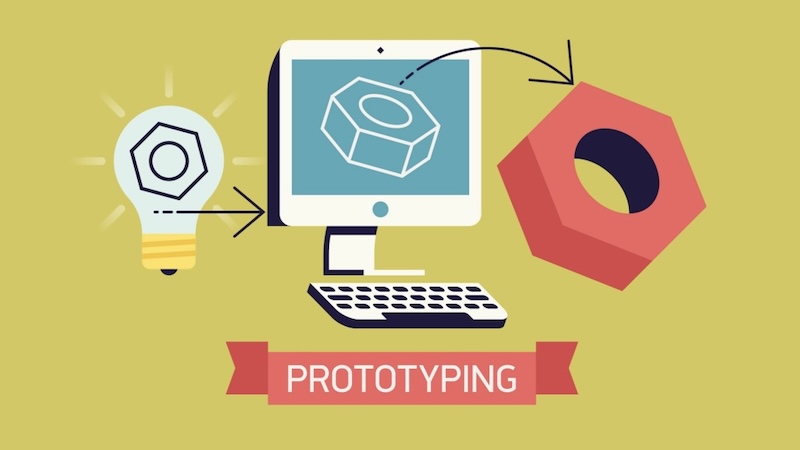
Why a Good Sample Passes but Production Fails
The sample often succeeds for reasons that vanish at scale. A first unit may be built slowly by a senior technician who trims, shims, or hand-fits parts until everything works. None of that survives a line running at speed with many operators, so a design that only works under ideal hands starts to fail once those hands are gone.
Some of that gap is set before anyone builds anything. A part shaped for a prototype method and one drawn for production are rarely the same file, which is why choosing the manufacturing process belongs at the design stage rather than the quoting stage.
Watching the first production run at speed, rather than reading a report afterwards, is what quality inspection is for here.
Prototype parts are often the best of the batch, not the average. A model shop may quietly pick the pieces that fit and set the rest aside, and a rapid prototyping run may use a premium material grade instead of the one you will actually buy in bulk. Production has no such luxury, because it must accept the normal spread of parts and materials coming off the tools.
Material can behave differently once you move from a small sample batch to regular production lots. A resin, coating, adhesive, or metal that looked perfect in one sample batch can vary by supplier lot, storage, and machine settings. Checking incoming batches against the approved specifications catches that change before it reaches the line, while skipping it lets an unverified material slip into production.
When Small Variations Add Up
Parts that are each within spec can still fail once combined. Each part has an allowed size range and looks fine on its own. In an assembly those small differences add up, so a housing, bracket, and fastener that are all technically correct can end up misaligned or refusing to fit. It is the classic failure in a hardware import from China, where one order covers parts from several processes.
A prototype hides this because you only build a few units. With three or four samples, a worst-case combination rarely lines up, and the team often uses the best-fitting parts anyway. Run thousands of units and those bad combinations become far more likely, turning a problem you never saw at the sample stage into a steady stream of rejects.
The production process itself changes what a plant can hold. A size that is easy to hit on a machined or 3D-printed prototype can move once the part is made by injection molding, stamping, or die casting, because the tools and materials behave differently at full speed. Before you commit, confirm your key measurements survive the real production process, not just a one-off sample.
What Changes Before a Prototype Is Ready for Production
A prototype proves the design can work. Making it production-ready means rebuilding it around what a real factory can repeat. The sample often leans on materials, processes, and hand-adjustments that simply will not exist on the line, so the job before scaling is to design those out.
Temporary fixes have to become real production methods. The glue, screws, shims, and hand-fitting that made the sample work all need repeatable equivalents on the line. A hand-cut seal that fit perfectly can vary once it is die-cut, and an appearance sample that looks right is not the same as a functional part that survives testing. Every shortcut in the prototype is a decision waiting to be made for volume.
The production documents have to catch up too. The final drawing should mark the critical dimensions, tolerances, materials, finishes, and appearance limits. The parts list should name the approved material grade and technical requirements, not a vague “ABS plastic” or “stainless steel.” The aim is not to copy the prototype exactly. It is to turn it into something regular operators, approved materials, and standard equipment can build without special treatment.
Why an Approved Sample Is Not Enough
A signed-off sample is useful, but on its own it is a weak production standard. A physical sample shows color, texture, finish, and overall feel, yet it cannot spell out every dimension, material grade, tolerance, or test the part must pass. Treating it as the whole standard is how disputes start.
The real production standard combines the approved sample with controlled documents. Approve a production-intent sample together with the final drawing, the parts list, and an inspection checklist, and have both you and the factory keep a signed, dated reference sample carrying the same version number. When the product changes, update the documents and the sealed sample together, never one without the other.
Decide in advance which one wins when they disagree. If the approved sample measures differently from the drawing, the factory needs to know which controls production. Without that rule, you inspect against the drawing while the factory insists it copied the sample, and the argument stalls the order.
Use each reference for what it is good at. Judge appearance and feel from the physical sample, and control dimensions, materials, and function from the drawings and specification. Used together, they give workers and inspectors a standard they can follow without guessing, which is what keeps a hand-tuned sample from turning into a fight at inspection.
How to Close the Gap Before You Scale
Treat sample approval as the start of validation, not the finish line. The goal is a design that still works when parts vary within normal limits and the line runs at full speed. A short, disciplined checklist before release can catch many expensive surprises.
Define what actually matters, then prove it repeats. Mark the few dimensions tied to fit, sealing, alignment, or safety, and agree how they will be measured so the factory checks parts the same way your design team does.
Approve the first production-intent parts against the final drawing, then verify the pilot run on parts pulled from normal production, not on a showpiece selected for approval. A supplier quality audit before you commit helps confirm the plant has the equipment, controls, and quality systems to work to that standard.
Run a pilot batch before the full order. A pilot exposes what a prototype hides: slow or confusing assembly steps, fragile fixtures, and yields that swing between shifts. Building a during production inspection into that first real run catches drift while it is still cheap to fix, instead of after a container lands.
Remember why this pays off. A late failure means rework, air freight to recover a schedule, scrapped tooling, or returns, and those are exactly the hidden costs that turn a “cheap” launch into an expensive one. Spending a little on pilots and inspection up front is almost always cheaper than a reset after the money is committed.

FAQ
Q1: Will my mass-production price match the sample price?
Usually not directly. A one-off sample is priced high, so the per-unit cost normally drops at volume, but tooling, MOQ, and finishing change the total. Get a real production quote at your target quantity instead of scaling up the sample price.
Q2: What documents should I lock before mass production?
Lock a stable parts list, the controlled drawing with critical dimensions marked, the material and finish standards, and a simple inspection plan. Unwritten assumptions do not survive a handoff to the factory floor. Clear documents are what let a second shift or a second supplier repeat the result.
Q3: What is a pilot run, and do I really need one?
A pilot run makes a small batch with production tools and steps ahead of the main order. It tests the manufacturing system, not just the design, showing whether fixtures, training, and inspection hold up. In most cases it is worth it, because it surfaces problems while they are still small.
Q4: What is a first-article inspection?
It is a detailed check of the first parts made with the intended production tooling, materials, and process, against your drawing. It confirms production can meet the design before the order moves forward. The later pilot run should also check parts taken from normal production.
Q5: Why do cosmetic problems appear only at volume?
Surface finish, color shifts, sink marks, and packaging scuffs often show up when the line speeds up and manual attention drops. Small sample batches run slower and get more hand inspection, which hides these issues. Set clear appearance limits before the ramp so both sides judge a part by the same rule.
Q6: How do I stop the factory quietly swapping to a cheaper material?
State the exact material grade and performance requirements in the controlled specifications, and require your approval before the material or its source is changed. Verify incoming batches through certificates, traceability records, and risk-based testing rather than trusting the label alone.
Q7: What if the first run off the tools fails inspection?
Pause the shipment, review the defect data, and find the root cause before deciding whether to rework, sort, repair the tooling, or rerun the affected quantity. Do not restart normal production until the fix has been verified, since a checked correction is cheaper than shipping a weak batch.
Q8: How do I judge whether a supplier can actually scale?
Look at execution, not sales claims. Ask how they control design revisions, approve first articles, handle a bad material lot, and escalate defects. Concrete answers on those points tell you far more than a promise of quality.
Conclusion
A good sample is proof of potential, not proof of repeatability. The jump to volume is won by clear specs, pilot runs, and early checks rather than by one impressive first unit. The teams that treat sign-off as the beginning of the real work are the ones that avoid the expensive reset.
The surest way to keep an approved sample from becoming a failed first shipment is to watch the parts as the line ramps, not after they arrive. We are there for the pilot run and the first production lots, through quality inspection, so a drifting dimension is caught at unit two hundred instead of unit twenty thousand.