
FCL vs LCL Shipping: Which Is Right for Your Order?
Below about 15 cubic meters, sharing a container usually costs less, and above it a full container usually wins. Volume opens the decision, and cost, speed, and damage risk close it.
| FCL (full container) | LCL (shared container) | |
|---|---|---|
| You pay for | The whole container | Only your volume |
| Best when | Volume is high | Volume is low |
| Speed | Usually faster | Slower, extra handling |
| Damage risk | Lower, sealed | Higher, mixed cargo |
Volume points you at an answer, and the fees, the timing, and the handling are what decide whether it holds.
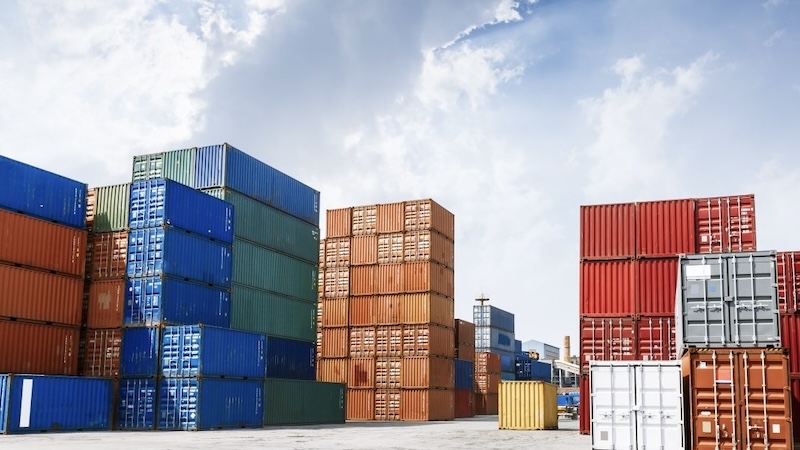
What FCL and LCL Actually Mean
The two options differ in one thing: whether your goods travel alone or share space. Everything else, cost, speed, and risk, follows from that.
FCL (full container load): you book an entire container, usually a 20-foot or 40-foot box. You pay a flat rate for the box whether it is full or not, so how much each container size actually holds decides whether that flat rate is good value. Your goods are sealed in alone from factory to destination.
LCL (less than container load): your goods share a container with other shippers’ cargo. You pay only for the space your shipment occupies, measured in cubic meters, so it suits smaller orders that do not fill a container. Which one you book is one of several decisions that have to line up before anything moves, and the rest sit in the guide to shipping from China.
Both move by the same ships. The difference is whether you rent the whole box or a slice of it, and that single choice drives the cost, timing, and handling of your shipment.
Knowing which side of that line an order will land on before you agree quantities, rather than after the cartons are counted, is part of what product sourcing plans for.
Start with Your Volume
Volume is the first thing to check, and there is a rough crossover point where full containers start to win. Use it as a starting estimate, not a final answer.
Below roughly 15 cubic meters, LCL is often cheaper, since you only pay for the space you use. Above that mark, a 20-foot full container may cost less per unit once you count LCL’s extra destination fees.
A 20-foot container normally holds about 25 to 28 cubic meters of usable space, and a 40-foot normally holds about 55 to 58. As your volume approaches those numbers, a full container starts to look like the better buy.
To find your real number, start by calculating your CBM before you request quotes. Pairing that figure with your gross and net weight gives forwarders the two numbers they need to quote accurately.
Cost: Look Beyond the Ocean Rate
LCL’s low headline rate hides fees that can flip the comparison, so always compare total door-to-door cost. The ocean charge is only part of the bill.
LCL shipments carry higher per-unit destination charges, since the container must be unpacked and sorted at arrival, and handling, deconsolidation, and admin fees get added per shipment. A forwarder may quote an attractive per-CBM ocean rate, then recover margin through these fees, which is why rolling every charge into one landed cost is the only way the two options become comparable.
With FCL, you pay one flat rate, so cost per unit falls as you fill the box, and destination handling is simpler because the container moves as one sealed unit.
With LCL, you pay only for your volume, but each fee is charged on your portion, and several small charges add up fast on a modest shipment.
Always ask for a full quote broken down by line item and compare true totals, not just ocean rates. The same discipline decides what a shipment really costs you, whichever method you book.
Speed and Reliability
FCL is usually faster and more predictable, because your container is not waiting on anyone else’s cargo. LCL adds steps that add time.
An LCL shipment must be consolidated with other cargo at origin and deconsolidated at destination, and both steps take time. If another shipper’s goods in your container are held for inspection, your cargo can be delayed too. FCL skips all of that: the container is sealed at the factory and opened at its destination, which means fewer touchpoints and tighter timing.
For time-sensitive orders, that reliability gap often matters more than the price difference.
Damage Risk and Handling
Your goods are handled more in LCL, and more handling means more risk. This is a real factor for fragile or high-value products.
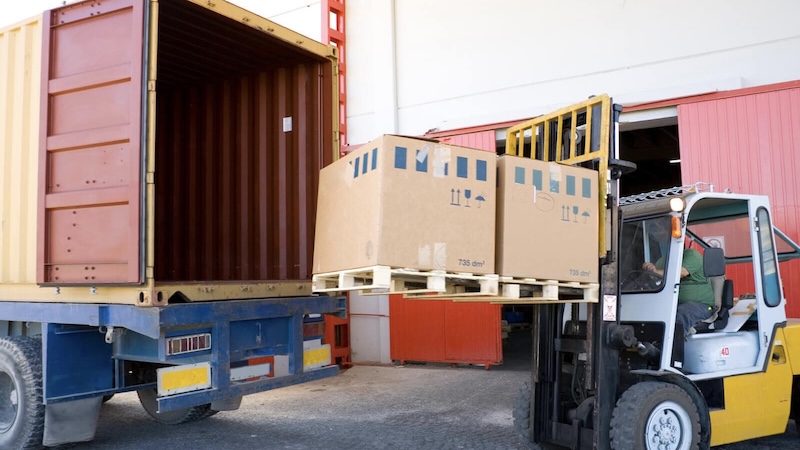
In LCL, your cargo is loaded and unloaded alongside strangers’ goods, moved through consolidation warehouses, and stacked next to whatever else shares the container. Heavy or poorly packed neighboring cargo can crush or damage yours. FCL cargo is packed once, sealed, and not touched again until destination, which sharply lowers the damage risk.
If your product is delicate, costly, or hard to replace, factor this into the decision even when LCL looks cheaper on paper. Strong packaging and clear labeling matter more in LCL, where your goods pass through more hands.
When to Choose Each
The right choice balances volume, cost, speed, and fragility, not volume alone. Here is how the factors line up.
Choose FCL when: your volume nears or exceeds a 20-foot box, your goods break easily or carry real value, timing is tight, or you are shipping to a port where LCL handling is slow or costly. Which of those charges actually reach your invoice depends on the FOB or EXW term you agreed with the supplier.
Choose LCL when: your volume is well below a container, you are testing a product or market with a small order, your goods are durable and well-packed, or cash flow favors buying smaller quantities more often.
If you buy from several suppliers, combining cargo in China into one FCL container can turn several small LCL shipments into one cheaper, simpler move as your volume grows.
FAQ
Q1: What’s the exact CBM where FCL becomes cheaper than LCL?
There is no fixed number, but the crossover often sits near 15 cubic meters. It shifts with route, season, destination fees, and current rates, so get quotes for both around that volume rather than relying on a single threshold.
Q2: Can LCL really cost more than a full container?
Yes. On a shipment near the crossover, LCL’s per-CBM destination and handling fees can push the total above a flat FCL rate. That is why you compare the full cost to your door, not just the ocean charge.
Q3: How do LCL fees usually catch buyers by surprise?
The headline rate per cubic meter looks cheap, then destination handling, unpacking, and admin charges are added at arrival. Ask for these upfront in a line-item quote so the total is clear before you book.
Q4: Is LCL more likely to be delayed than FCL?
Generally yes, because of consolidation and deconsolidation steps and shared-container inspection risk. When cargo belonging to someone else triggers a customs hold, your goods can wait too. FCL’s sealed, single-owner container avoids most of that.
Q5: Does LCL have a higher chance of damage?
Usually, since the cargo passes through more hands and is stacked with other shipments. Delicate or costly items deserve extra packaging in LCL, or a move to FCL even at a higher rate to protect the goods.
Q6: Should a first-time importer start with LCL?
Often yes, since first orders are usually small and LCL avoids paying for empty container space. As volume grows and you approach a full container, reassess against FCL on total cost.
Q7: Can I use FCL even if I can’t fill the whole container?
Yes. Some buyers choose FCL below full capacity for the speed, lower damage risk, and sealed handling, accepting the flat rate as worth it. Whether it pays off depends on how close your volume is to the crossover.
Q8: Does the shipping term affect whether I choose FCL or LCL?
It can. The trade term you agreed sets where your responsibility starts and which costs you control, which affects how FCL and LCL fees land on your invoice.
Conclusion
FCL and LCL are not better or worse than each other but fit different shipments. LCL suits small, durable orders below a container load, while FCL wins on cost per unit, speed, and safety once volume climbs. The mistake is deciding on the ocean rate alone.
An order sized just under a full container is the expensive place to land, because you pay LCL handling on almost enough cargo to have rented the box. We size the order against the container before quantities are fixed through product sourcing, so the volume decision is made while it is still cheap to change.