



Incoming quality control is how a factory checks the raw materials and parts it receives from its own suppliers, before they go into your product. Most buyers watch the finished goods and ignore this step, but it’s where many quality problems actually start. A factory with weak incoming checks can build bad materials into the whole production run.
| Where quality is checked | What it catches |
|---|---|
| Incoming materials (this step) | Bad parts before they’re used |
| During production | Assembly and workmanship faults |
| Before shipment | Finished-goods defects |
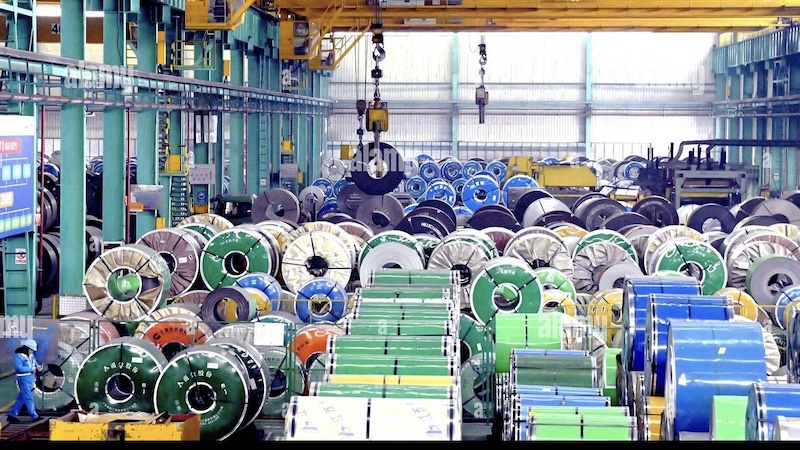
Your product is only as good as the materials the factory starts with, and those come from sub-suppliers you usually can’t see. A weak incoming check lets a bad batch flow straight into production.
Picture a furniture factory buying drawer slides from a hardware supplier. One batch arrives slightly out of tolerance, not enough to fail a quick look, but enough to make drawers stick after six months. With no incoming check, those slides go into every unit, and by the time complaints arrive, thousands are already with customers. The root cause was a part that should have been caught the day it arrived. This is why reviewing the factory’s incoming checks during a supplier audit is one of the most useful things an importer can do.
Factories vary widely: some just count cartons, while others run a real inspection station with written standards and records. Over time, that gap shows up in defect rates and returns.
When you audit a supplier, look for these signs of a real process.
Approved supplier list: the factory qualifies its sub-suppliers instead of buying purely on price.
Written acceptance criteria: clear dimensional and visual standards for each incoming material, not vague judgment.
A real sampling plan: a documented sample size per batch, rather than eyeballing one or two pieces.
Calibrated tools: measuring equipment that’s checked and current, since an off-reading caliper makes checks meaningless.
Records: documented results the factory can show you for a specific batch. No records usually means the process exists in name only.
Rejection handling: failed materials quarantined and clearly separated, so sub-spec parts can’t slip back into production.
A small material change, missed at the door, can turn a steady product into a wave of returns. Here’s how it happens.
An importer sells stainless steel bottles that have done well for two years. Then returns spike over three months: lids won’t seal. The cause turns out to be a new gasket supplier the factory switched to for cost. The new gaskets are slightly thinner than spec, but the factory only did a visual check on incoming gaskets, not a thickness measurement, so they passed and went into production.
A simple caliper check against the approved spec would have caught it at the door, before a single bottle was assembled. Instead, two production runs needed sorting and remediation, plus returns and bad reviews.
Incoming checks are the first gate, and they connect to every step that follows. Each later stage catches less of a material problem.
An approved production sample sets what the finished product should be, but samples are made under ideal conditions with hand-picked materials. In-process checks during production catch assembly faults, but can’t undo a defect already built in from a bad component. A pre-shipment inspection checks the finished batch, but by then fixing a material fault means reworking or rejecting the whole run. Strong incoming control stops the bad material before any of that cost lands.
Chinese factories are buyers too, purchasing parts from dozens of sub-suppliers you can’t see, and those sources change more often than buyers realize. A price rise or a stockout, and the factory quietly swaps in a substitute.
The new material often looks identical but performs differently, and without an incoming check the factory may not notice until production is done, or ever. This hits hardest where material properties matter but aren’t visible: foam density, fabric weight, plastic grade, adhesive strength, electronic tolerances. These rarely show in a visual look but surface later as durability, safety, or performance failures. Before your first order, verifying the company confirms it’s legitimate, but it doesn’t confirm the quality systems, so the incoming process needs its own check.
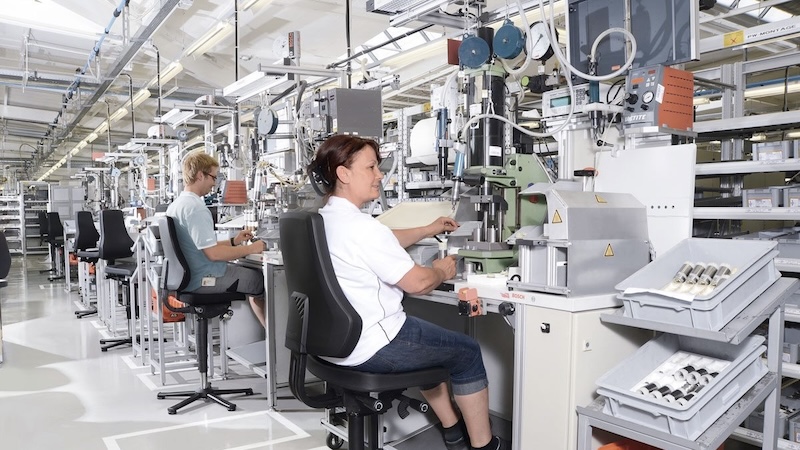
You can turn incoming control from the factory’s private habit into your written requirement. Four practical moves.
During supplier qualification, ask to see the incoming inspection area, the sampling plan, the approved supplier list, and recent batch records.
When ordering, specify the critical component requirements in your purchase order, so the factory has an explicit spec to check against.
Put it in the contract for components that affect function or safety: state which parts need incoming inspection, what criteria apply, and that records must be available.
When something goes wrong, ask whether it traces to an incoming material, since a defect appearing consistently across a batch usually has a component root cause. If you can’t audit in person, inspection companies can review the process and the goods on your behalf.
Q1: Does every Chinese factory have incoming quality control?
No. Small factories may have none, and larger ones vary in how well they run it. Auditing the process before you commit is the most reliable way to know what you’re getting.
Q2: Which products need incoming control the most?
Products where materials affect safety, such as children’s items, electronics, and load-bearing furniture, tight-tolerance parts, and materials that vary batch to batch like fabrics, foams, and plastics carry the most risk from weak incoming checks.
Q3: How do I check it without visiting the factory?
Ask for the approved supplier list, written acceptance criteria, and incoming inspection records for recent batches. A factory with no written criteria is relying on judgment rather than documented standards, which is a warning sign.
Q4: What if my supplier has no formal incoming process?
For simple, low-spec products, informal checks may be enough. For products where material quality affects function or safety, it’s a real risk, so require specific incoming checks as an order condition and verify through a third-party audit.
Q5: Can I tell the factory exactly what to check?
Yes, and for critical parts you should. Put dimensional tolerances, material grades, and surface requirements in your tech pack and order. A factory that knows what you care about can check for it specifically.
Q6: My supplier keeps changing components without telling me. What can I do?
Require written approval before any material or sub-supplier change, and pair it with an incoming check covering approved materials only. Inspection records can show when a change entered the supply chain.
Q7: Who pays when incoming materials fail the check?
In many cases, the sub-supplier that shipped the bad materials pays, since the factory rejects and returns them. The risk to you is a factory that absorbs failures quietly instead of pushing back, because the sub-supplier then has no reason to improve and the problem repeats on your next order.
Q8: Does a strong incoming check slow down my production?
Slightly at the start of a run, but far less than the delay of catching a material fault after assembly. A well-managed factory checks incoming materials in parallel with other work, so a short upfront check can trade a small delay now for avoiding a full rework later.
Incoming quality control is invisible to most buyers, but its effects aren’t. It’s where quality is either built into your product or left to chance. A factory that starts with good materials has a real head start on everything downstream.
When you audit a Chinese supplier, look at what happens before production begins, not just what comes out at the end. Sub-supplier swaps, shortages, and cheaper substitutions are normal manufacturing risks, and strong incoming checks catch many of them before they reach your order. If you’d like help building these checks into your supplier relationships, our quality control team can put them in place before production starts.
 English