
Import LED Lights from China: 6 Checks Before You Order
LED orders rarely fail on price; they fail on the parts a listing photo cannot show. Chips, drivers, and heat management decide what a fitting really does, and a good sample followed by a disappointing container is the standard story.
| Check | What It Covers |
|---|---|
| Market requirements | What you may legally sell |
| Specification | Brightness, color, protection |
| Supplier type | Factory or trading company |
| Sample testing | Real performance, not claims |
| Driver control | The part that gets swapped |
| Inspection and shipping | Batch, packing, classification |
Skip any one and the problem shows up after the balance has been paid.
1. Confirm What Your Market Requires
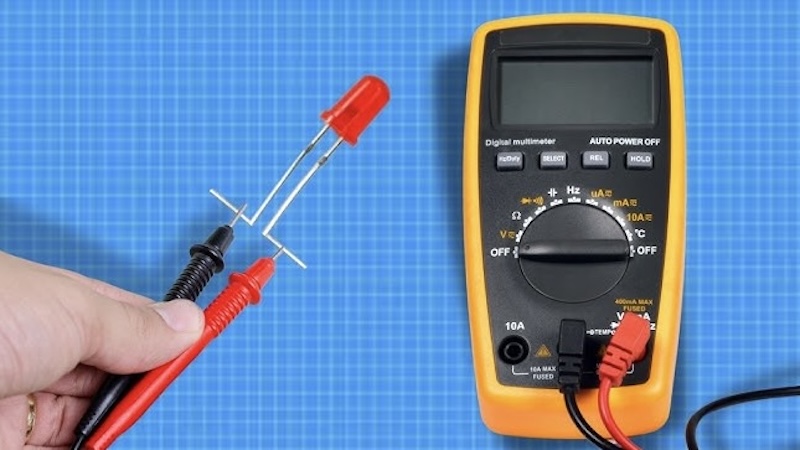
Buyers routinely settle price and lead time before checking whether the product can legally be sold at home. Requirements differ by market, by voltage, and by where the fitting gets installed. An approval issued for one market does not carry over to another, though the test data underneath it often reduces duplicate testing.
Ask for the documents, not the claim. Certificate numbers should match the exact model you are ordering, not a neighboring one. Borrowed and expired paperwork is common enough that checking is worth the hour. Which evidence each market accepts, and who has to sign it, is set out in electrical product compliance.
Energy rules apply on top of safety. Europe adds efficiency and labeling obligations for light sources, while the United States sets minimum efficiency for many lamp types of its own. Both decide whether a product can be sold, not just imported.
Lighting sits inside a wider category with the same failure pattern. The component nobody photographs decides the return rate, which is true across energy and electrical products rather than only in lamps.
Confirming that the parts inside the carton match the ones the factory sent you to approve is what quality inspection is for.
2. Read the Specification, Not the Wattage
Watts tell you what the light consumes, and lumens tell you what it produces. A ten-watt fitting at 800 lumens is brighter than a twelve-watt one at 700, which is why every order should specify light output rather than power draw.
| Specify | Why It Matters |
|---|---|
| Lumens | Actual brightness delivered |
| Color temperature | Warm, neutral, or daylight |
| Color rendering | How natural colors look |
| Protection rating | Dust and water resistance |
| Driver brand | The part that fails first |
Give the color figures a number and a tolerance. “Warm white” means nothing on a production line, while a stated color temperature with an acceptable range can be checked. Color rendering matters most in retail, hospitality, and anywhere products are on display.
Treat lifetime claims carefully. A fifty-thousand-hour figure normally comes from measured data on the light source itself, projected forward. It says nothing about the driver, the heat management, the optics, or color shift in the finished fitting. Ask what the number is based on before repeating it in your own listing, because an unsupported figure there is exactly what an Amazon compliance check turns up.
3. Establish Whether You Are Buying from a Maker
Consistency problems usually trace back to a supplier who does not control production. A trading company covering strips, panels, floodlights, and downlights is buying from several factories. Two cartons from one order can then carry different chips, different drivers, and visibly different color.
Traders are workable, but they need tighter terms. Written specifications, a named driver, and a batch inspection matter more when nobody in the chain owns the line. A supplier quality audit tells you which kind of supplier you have before the order grows.
4. Test Samples Before the Bulk Order
A sample that looks right can still miss on everything that matters. Brightness, color consistency between units, flicker, water resistance, and behavior under voltage swings are all invisible until measured.
Order several units, not one. Three to five pieces of the same product reveal the variation a single sample hides, and comparing them side by side is the cheapest color check available.
Send samples to a laboratory for the checks that matter to you. Independent product testing in China measures output, color, flicker, and whatever performance points you specified. Safety certification is a separate exercise against the applicable standards, and one sample test does not replace it.
5. The Driver Is Where Orders Go Wrong
Driver substitution is one of the most common hidden failures in LED imports. The approved sample carries a quality driver, the bulk run carries a cheaper one, and the product still lights up on arrival while failing months later. Name the driver brand and model in the order, then check it on a unit pulled from the run rather than from the shelf.
Name the driver in the order, not in the conversation. Brand and model belong in the China purchase order, together with a clause making any unapproved substitution grounds for rejection.
Then check it physically. Opening a fitting during inspection takes minutes, and it is the one check that separates the order you approved from the order you are paying for.
6. Inspect the Batch, Then Ship It Properly
The approved sample is the standard, and inspection is where the batch gets measured against it. Hand the inspector an inspection checklist covering brightness, color consistency across cartons, dimensions, driver identity, labeling, and packing, so the last payment rests on evidence.
Packing decides how much arrives intact. LED products are light, bulky, and fragile, so cartons, inner protection, and pallet arrangement matter more than they do for most goods of the same value.
Classification and terms come before booking. Lamps, complete fittings, and separate modules or drivers can fall under different HS headings. Confirm the code for each product with your broker rather than assuming the order shares one. Agreeing FOB terms keeps the freight and the insurance under your control, and declaring the true value is not negotiable.
FAQ
Q1: The voltage differs between my markets. How is that handled?
Most factories build the same fitting for different mains voltages by changing the driver, so say which markets you sell into before sampling. Plugs, cables, and labeling follow the same split and are cheaper to settle now than after tooling.
Q2: Can I ask for a specific chip brand?
Yes, and for anything you plan to reorder it is worth doing, since chips vary widely in output and life. Expect a price difference and expect it in writing.
Q3: Are dimmable products worth the extra trouble?
Only when your market expects them, because dimming compatibility depends on the driver and on the local dimmer types. Ask the factory which dimmers the product has actually been tested with.
Q4: Should I worry about flicker?
Yes on anything used near cameras, in workplaces, or for long periods, since cheap drivers flicker in ways the eye barely registers but a phone camera shows immediately. Ask what the driver does at low dimming levels, where flicker usually appears first.
Q5: Does the driver come with its own certification?
Drivers are frequently certified as components, which is useful evidence but does not replace certification of the finished fitting. Ask which documents cover the driver, which cover the complete product, and whether both name what you are buying.
Q6: How should outdoor fittings be verified?
Ask for the ingress protection rating to be tested on the finished fitting rather than quoted from the housing supplier, since seals, gaskets, and cable entries are where water gets in. Confirm the fitting suits the temperature range and sunlight exposure of the country you sell into.
Q7: What should the order say about units that fail early?
Set a failure rate that triggers free replacement, a reporting window, and who pays the freight both ways. Those three terms decide whether a warranty means anything from another continent.
Q8: Should I order spares with the shipment?
Ask first whether the driver is replaceable in the field. Sealed and non-serviceable fittings are designed to be swapped whole, and fitting an unapproved driver can void the product’s certification. Where the factory confirms the driver is serviceable, spares bought during production cost far less than shipping two units later.
Conclusion
Most LED problems are written into the order before production starts, in specifications that were too vague to enforce. Fix the market requirements first, put brightness, color, protection, and the driver in writing, verify what a sample actually does, and check the run against it before the balance is paid.
An LED that fails in month eight was already failing when it shipped, and nothing on the outside of the carton says so. We open units and check the driver against your approved sample, through quality inspection, while the balance payment is still a lever.