



Managing China procurement in-house often costs more than it appears. It moves the cost off the invoice into your team’s hours, quality write-offs, and freight surprises, where it is harder to see and easy to underestimate. Outsourcing to a local partner turns those scattered hidden costs into one visible fee, and for buyers running steady volume across several suppliers, the total can come out lower.
| Cost Driver | In-House | Outsourced |
|---|---|---|
| Daily supplier contact | Staff hours across a time-zone gap | Handled in Mandarin, same day |
| Quality checks | Often skipped, defects arrive | Inspection before final payment |
| Freight terms | Supplier’s bundled price, surprise charges | Options compared, costs seen upfront |
| Documents | Errors stall goods at customs | Checked before shipment |
| Where the cost sits | Scattered and invisible | One clear fee |
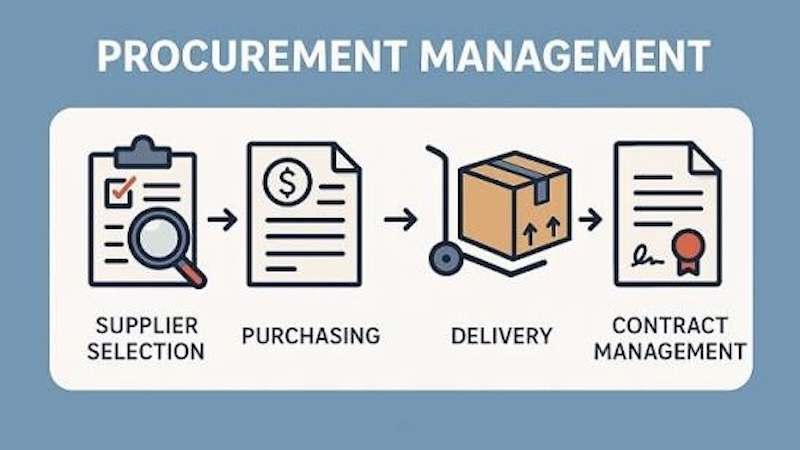
Nothing on your accounts is labeled “China procurement cost,” which is exactly why in-house management looks cheap. The spending shows up instead as frustrated staff, delayed launches, emergency air freight, and defective stock written off at a discount. These are real dollars, just scattered across other line items.
Most of the true cost lives in the same places the hidden costs of importing do: time, quality, freight, and paperwork. Each carries a price no invoice names. Naming them is the first step to comparing in-house against outsourced honestly.
The largest in-house cost is usually your team’s time, and it is the one nobody tracks. A manager who spends around ninety minutes a day on supplier emails, follow-up calls, and sample coordination is giving up close to a full working day each week. Over a year, at a mid-level salary, that is not a small number.
The time cost hides because it is spread across the team and filed under “just part of the job.” That is what makes it expensive: constant, low-value coordination that produces no advantage and could be done faster by someone who does it all day, in the right time zone. Outsourcing does not add this cost, it takes it off your payroll.
A single question to a Chinese supplier often burns two calendar days in-house. You send it at 3pm your time, the factory reads it at the start of their next morning, and their reply lands after your workday ends. One exchange, two days gone, before anyone has decided anything.
On a time-sensitive call, a material change or an urgent inspection, that lag moves shipment dates and can cost a seasonal selling window. A local partner reads and answers supplier messages in real time, turning a two-day loop into a same-day one. That speed is part of what you buy when you outsource.
Inspection is the step in-house teams skip most, because no one is on the ground to run it. The result is predictable: defective goods arrive after a long ocean voyage, far from the factory, with no leverage left to fix them. Selling at a discount, dumping the stock, or paying return freight are all that remain.
A pre-shipment inspection runs a few hundred dollars and happens before the balance payment is released, which is the one moment you hold leverage. Skipping it is not a saving, it is a risk that occasionally turns into a large, visible loss. An outsourced partner treats that check as routine rather than an afterthought.
In-house teams often accept whatever freight terms the supplier offers, because they do not know what else to ask for. A supplier’s price that bundles the freight in looks tidy, until destination charges for terminal handling and document release arrive separately and add hundreds of dollars. Weighing CIF vs FOB shipping is how you keep those charges from ambushing the total.
A partner who controls freight can compare carriers and quote on terms you set. Knowing when sea freight vs air freight is worth the premium is part of what they manage, and the all-in cost can be lower than the supplier’s bundled rate even after the partner’s fee.
Documents are the other quiet leak. A wrong value, a missing certificate, or a mismatched customs classification code can hold a shipment for days. These are not complex errors, they are the kind that slip through when the person clearing the shipment is also juggling three other jobs. Someone handling these every week makes fewer of them and catches the factory’s before they cost you.
Put real figures on it and the comparison usually stops being close. Picture a small importer with three product lines across four suppliers, run by one part-time person who also covers customer service. Say that work takes around eight hours a week at a modest hourly cost, which is roughly ten thousand dollars a year in time alone.
Now add the incidents in-house management tends to absorb. As an illustration, one quality problem from a missed inspection, one document error causing a short customs delay, and a couple of emergency air freight upgrades can push the hidden total toward the high teens in thousands per year. An outsourced partner covering the same suppliers commonly runs a few thousand to low five figures in service fees.
The point is not the exact figures, which vary, but the direction they point. It helps to verify a partner the way you would any supplier before committing, checking references and category experience. A partner who runs daily communication, inspections, document checks, and freight comparison replaces scattered hidden cost with one visible line, which is the core of the procurement outsourcing to China case.
Q1: At what order volume does outsourcing start to pay off?
For buyers placing steady orders across several suppliers, the hidden costs usually exceed a partner’s fee well before they realize it. As a rough guide, once your annual China spend runs into six figures across multiple factories, the math tends to favor local help. Below that, targeted help on inspection and freight can cover the biggest risks without a full engagement.
Q2: How do I put a number on my current in-house cost to compare?
Track four things for a quarter: hours your team spends on China coordination, quality incidents, shipment or document delays, and any emergency freight upgrades. Convert the hours to salary cost and add the incident losses. Set that total beside a partner’s quoted fee and the comparison becomes concrete rather than a guess.
Q3: Can I keep procurement in-house but outsource just inspection and freight?
Yes, and many buyers start exactly there. A local inspection on each shipment and a freight forwarder you control address the two costliest hidden risks without handing over daily communication. You can widen the scope later if the partial arrangement proves its worth.
Q4: What does a procurement partner need from me to get started?
Your purchase orders, supplier contacts, product specifications, and a clear definition of what “acceptable” quality means. The sharper your standards, the more faithfully a partner can enforce them on your behalf. Vague standards get vague results, whoever is doing the work.
Q5: Will outsourcing mean losing control of pricing and supplier choice?
Not when the engagement is set up properly. The partner communicates and coordinates for you, but supplier approval, pricing, and quality standards stay your call. Keep the milestone decisions, such as sample approval and first-article sign-off, in your own hands.
Q6: If the partner handles daily communication, how do I stay informed on my orders?
A good partner sends regular production updates and inspection reports, so you usually see more than you did chasing the factory yourself. Agree up front on what you receive and how often: status checkpoints, photos, and a flag the moment something slips. Done right, handing over the communication raises your visibility rather than lowering it.
Q7: How quickly should outsourcing pay for itself?
Sometimes within the first prevented incident, since a single missed inspection or customs delay can cost more than months of service fees. For steady buyers, the time savings alone may cover the fee inside a quarter or two. Measure it against your own before-and-after numbers rather than a promise.
Q8: Can a partner also find new suppliers, or only manage the ones I have?
Most can do both, and a supplier search is often how the relationship begins before it grows into ongoing management. Confirm whether sourcing new factories is included in the standard fee or billed as a separate project. Treat a strong search result as a preview of how they will handle everything after it.
In-house procurement looks cheaper mainly because its true cost stays off the invoice. Once you count the time, the write-offs, and the freight surprises, the honest comparison is not in-house against a new fee, but scattered hidden cost against one you can finally see and manage.
Buyers who would rather turn that scattered cost into a single predictable line can hand daily supplier work, inspections, and freight decisions to managed purchase support and keep their own team on the work that grows the business.
 English