Metal products from China fail in predictable ways. Wrong metal type, poor surface finish, parts that don’t fit together, rust arriving in the box. Each failure costs money — often more than the original order. Here are the six checks that catch these problems before goods leave China.
| Check | What it prevents |
|---|---|
| 1. Metal type and grade | Receiving cheaper metal than you paid for |
| 2. Surface finish | Peeling, rust, or uneven coating after delivery |
| 3. Part dimensions | Parts that don’t fit or don’t work |
| 4. Tooling and molds | Defects caused by worn or poorly made production tools |
| 5. Rust during shipping | Corrosion before goods reach your warehouse |
| 6. Inspection before payment | Discovering problems after goods arrive |
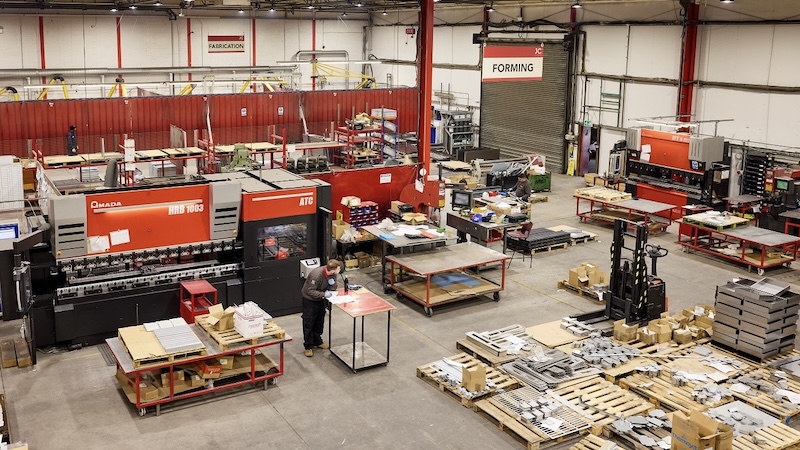
One of the most common material risks in metal sourcing is receiving a cheaper metal grade than what was agreed. A factory quotes on high-quality stainless steel, ships a cheaper version that looks identical. The difference only appears when the product rusts, bends, or fails under normal use.
This happens for a simple reason: cheaper metal costs less, and the factory captures the difference. Sometimes it is not deliberate — just a purchasing mistake at the factory. The result is the same for you.
What to do:
Write the exact metal type in your purchase order. “Stainless steel” is not enough. “304 stainless steel” is a spec the factory cannot misinterpret. “6061 aluminum” is specific. If you are not sure which grade you need, ask your product designer or the factory to recommend one and put their recommendation in writing before ordering.
Ask for a metal certificate with each batch. This is a document from the metal supplier confirming what the material is made of. It does not guarantee your parts were made from that specific batch, but it creates a paper trail that a serious factory will provide without hesitation.
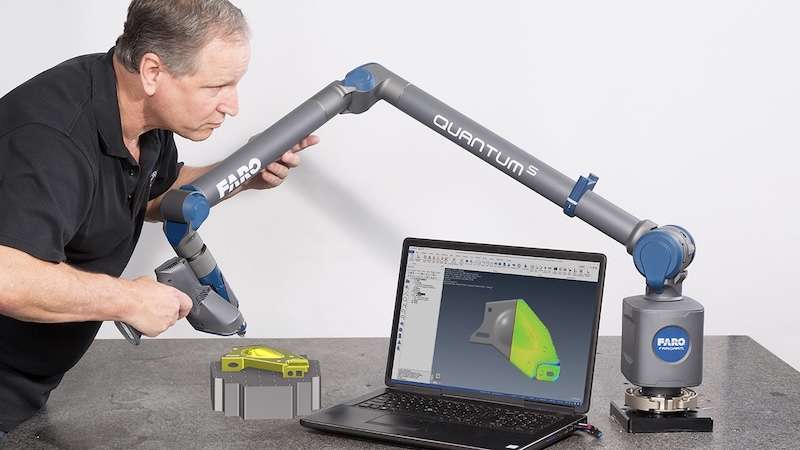
For high-value orders, pay for an independent material check on the finished parts. A testing company can identify the exact metal type by scanning a small area of the finished piece. It takes minutes and costs little compared to the risk of wrong material.
Surface finish is where metal products most visibly fail after delivery. Plating that peels off in months, powder coating that chips at corners, chrome with streaks or bubbles — all look fine when they arrive and fail in the customer’s hands.
What to check for the most common finishes:
For plating (chrome, nickel, zinc): specify the minimum coating thickness and ask the factory to test it. Thin plating wears through quickly even though it looks fine on delivery.
For powder coating: check that corners and recessed areas have even coverage — these are the areas factories miss most often. The coating should not chip when scratched at the edge.
For anodized aluminum: check color consistency across the whole batch, not just one sample piece.
What most factories miss: They test finish on flat surfaces and skip corners, holes, and tight angles. Request samples or photos that show these areas specifically.
If your metal parts need to fit together — with other components, in an assembly, or in a housing — the dimensions must be right. Parts that are 0.5 mm off might not fit at all. Parts that are slightly off might assemble but fail under use.
Before full production, ask for a small number of first samples made from the production tooling and check them against your requirements. This catches problems before the whole batch is made to the wrong dimension.
A supplier quality audit checklist for metal parts should confirm the factory has basic measuring tools — gauges, calipers, micrometers — and that they use them during production, not just at the end.
What goes wrong: Factories sometimes check only one part and assume the rest are the same. Metal casting, stamping, and machining processes can produce parts that vary slightly across a production run. Ask your inspection service to check samples from multiple points in the production batch, not just the parts the factory hands them.
For cast, stamped, or die-cast metal parts, a factory first builds a mold or die — the tool that shapes every part. The quality of this tool determines the quality of every part made from it.
Two things go wrong with tooling:
The factory keeps ownership. If the factory owns your mold, they control your supply. You cannot move production to another factory without either leaving the mold behind or buying it back. Write tooling ownership into the purchase agreement before paying for the tooling: you own the mold after payment is complete.
Tooling wears out and parts get worse. Metal molds wear with every production cycle. Parts made from a worn mold have more flash (extra metal at the edges), slightly wrong dimensions, or rougher surfaces. Ask how many cycles the tooling is rated for, and request a new sample check after a large reorder to confirm parts still match the original standard.
What to do before paying for tooling:
Check the first parts made from the new tooling against your requirements before paying the full tooling fee. Most problems with tooling show up in the first production run and are much cheaper to fix at that stage than after you have accepted the mold.
Checking supplier production capability before placing a tooling order tells you whether they have the equipment and experience to build and maintain tooling to your standard.
Steel rusts in shipping containers. This is not a rare event — it happens regularly to buyers who do not specify packaging requirements. A sea freight container is a humid environment. Temperature changes cause moisture to condense inside the container and on the metal surface. Surface rust can develop within days, even on parts that left the factory looking perfect.
What to specify:
For stainless steel and aluminum, corrosion is less common but still possible in humid conditions. Sealed, dry packaging is always safer.
Check the packaging, not just the parts. At inspection or at delivery, confirm that the anti-rust packaging was actually used — not just specified. A factory that says they used anti-rust bags but did not is a risk you catch by looking inside the carton.
Sea freight is the most common method for metal products, but the longer transit time and higher humidity exposure make rust prevention even more important than for air shipments.
For metal products, inspection before the final payment is the most important protection you have. After goods leave China, your options narrow dramatically. Once they arrive at your warehouse, defective metal parts are almost never reworkable — you either sell them at a discount, scrap them, or return them at significant cost.
An in-process quality inspection for metal products should cover:
What most importers miss: Many buyers inspect only the surface — they look at finish and count the boxes. They do not measure dimensions or check the packaging. For metal products, both of these checks matter because they catch the two most common failure modes: parts that look fine but are the wrong size, and parts that arrive rusty because packaging was skipped.
Consider a buyer ordering steel cabinet handles. The sample was perfect — chrome finish, correct measurements, solid construction. The bulk order arrived with 40% of handles showing hairline rust spots along the edges.
The inspection report showed no rust issues. Why? The inspector checked the handles before they were packed. The rust developed during the 28-day sea transit in inadequately sealed cartons.
The fix was simple and cheap: anti-rust packaging specified in the purchase order. It was not specified because the buyer assumed the factory would handle it. The factory assumed no instruction meant standard packaging. A basic product-only inspection might not have caught it. A packaging specification plus packaging verification would have.
1. How do I know if I am paying for high-quality stainless steel or a cheaper grade?
Ask for a metal certificate from the factory with each order. For important orders, pay for a third-party material check — a testing company can confirm the exact metal type from a quick scan of the finished part.
2. What is the most common surface finish problem on metal parts from China?
Thin coating in corners and recessed areas. Factories test flat surfaces but miss tight angles where coating is harder to apply. Specify that corners and holes must meet the same standard as flat surfaces.
3. What should I do if my parts do not fit the assembly they are made for?
Document the discrepancy with photos and measurements, then contact the factory in writing with specific evidence. Ask for replacements or a credit. For future orders, require first samples before full production.
4. What does tooling ownership mean and why does it matter?
Tooling is the mold the factory uses to shape your parts. If the factory owns it, you cannot move production elsewhere without leaving the mold behind. Write ownership into the agreement before paying — after payment, the mold belongs to you.
5. How do I prevent rust on steel parts during sea shipping?
Specify anti-rust bags, moisture absorbers in each carton, and sealed packaging in your purchase order. Verify the packaging was actually used at inspection — not just the parts themselves.
6. When should I pay for material testing on metal parts?
For safety, structural, or regulated applications, test the first order before shipment. For standard hardware, a factory metal certificate is usually enough — with occasional spot checks on large reorders.
7. My metal parts arrived with rust spots but the factory says they passed their own quality check. What now?
Document with photos before unpacking further. Check whether your purchase order specified anti-rust packaging — if it did, the factory owes you a remedy. Contact them with photos and a count of affected units.
8. How do I negotiate first order terms and quantities for metal parts?
Negotiate first order terms before signing. Ask for tooling cost and per-unit production cost as two separate line items — this makes it easier to compare suppliers and negotiate each independently.
Metal products from China fail in predictable, preventable ways. Specify the metal type. Define the surface finish. Check dimensions before full production. Own your tooling. Pack against rust. Inspect before you pay the balance.
None of these checks are complicated. Skipping them is what makes metal sourcing expensive.
For importers sourcing tools and hardware from China, see tools and hardware sourcing.
 English