
Guangzhou Wholesale Markets: Where to Buy by Product
Guangzhou is not one wholesale market; it is a dozen specialized districts that happen to share a city, and buyers lose days by treating them as interchangeable. Fashion, bags, fabric, and beauty each have their own streets, their own price levels, and their own buying hours.
| Product | District to Head For |
|---|---|
| Fast fashion, low price | Shisanhang |
| Mid-market apparel | Baima |
| Volume basics | Shahe |
| Bags and leather | Baiyun, Sanyuanli |
| Fabric and trims | Zhongda |
| Beauty and packaging | Meibocheng |
| Jewelry, beads, accessories | Liwan Plaza |
| Toys and stationery | Yide Road |
Get the district right and a trip takes two days instead of five.
Why Guangzhou Rewards Planning More Than Other Cities
The clusters sit far apart, keep different hours, and serve different buyers, so an unplanned trip mostly buys taxi rides. Apparel wholesale starts early, peaks in the morning, and winds down by mid-afternoon, while leather and fabric markets keep closer to regular business hours. No other city on the list of wholesale markets in China makes the timetable this much of a buying decision.
Guangzhou is a manufacturing city with markets attached, and that changes what a stall can do for you. Many sellers sit close to the factories that supply them, so customization, repeat production, and material changes are realistic here in a way they are not at a pure trading market.
The same product also sits at several quality levels within a few streets, so the quote you get depends on which door you walked through.
Writing down which quality level you actually agreed, before the deposit rather than after the cartons arrive, is where purchase management starts.
Clothing: Which District Fits Your Price Point
The apparel districts overlap, but each serves a different price and style segment. Choosing between them is really a decision about your retail price and your tolerance for inconsistency.
| Market | Style | Watch For |
|---|---|---|
| Shisanhang | Fast-moving women’s fashion | Early hours, fast turnover |
| Baima | Mid-to-high-end showroom fashion | Higher prices |
| Shahe | Low-cost, high-volume fashion | Quality varies by stall |
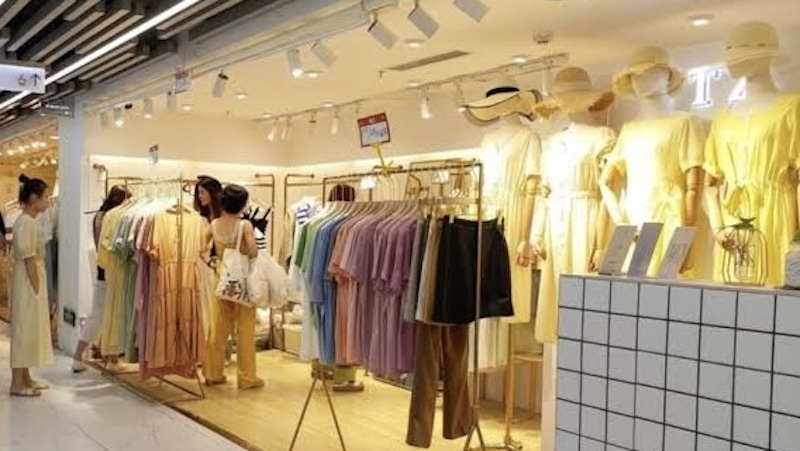
Shisanhang is where the trend cycle is fastest and the margin per piece is thinnest. Stock moves in the early morning, sizes and colors sell out within days, and reordering the same item weeks later is often impossible. It suits sellers who buy what is moving now rather than building a repeatable line.
Baima is the closest thing to a showroom experience in the city. Vendors present seasonal collections properly, more of them handle export buyers, and the goods are consistent enough to photograph and list. You pay for that in unit price and in minimums.
Shahe is where volume basics come from, and where screening matters most. One style can carry three prices in a single building, and the difference is in fabric weight and stitching rather than in the photograph. Buy here with a sample in hand, not off a rack.
Bags, Shoes, and Leather
The leather trade clusters around Sanyuanli and the Baiyun leather centers, north of the main station. Handbags, luggage, belts, and small leather goods sit alongside the hardware and component sellers that supply them. That mix is what makes the area useful for developing a product rather than buying stock.
Ask what the material actually is before comparing prices. Genuine leather, split leather, and coated fabrics look alike on a shelf and behave nothing alike after six months of use. The gap between them explains most surprisingly cheap quotes. Copies of designer models are also common here, and goods that infringe a registered design can be seized at your border rather than at the seller’s.
Fabric and Trims
Zhongda is the materials engine behind most of the clothing sold elsewhere in the city. Fashion fabrics, linings, zippers, buttons, and labels all sit within walking distance, which is why sample work moves faster here than in almost any other city.
Fabric buying rewards touching the goods and asking for the specification in writing. Composition, weight, width, and shrinkage decide whether a garment survives washing, and none of them are visible in a photograph. The deeper stall-by-stall detail sits in the Guangzhou fabric market guide, which covers what to buy there and what to avoid.
Electronics: Useful, but Not Shenzhen
Guangzhou has real electronics markets, mostly serving repair, accessories, and the second-hand trade. Dashatou is known for used phones, parts, and mixed stock, which is a specialist business rather than an importer’s starting point. The markets around Xidi Second Road cover cables, chargers, and small gadgets well enough for a mixed order.
For anything you plan to scale, the real depth sits an hour up the line. Components, new product discovery, and factory access all sit in the Shenzhen electronics markets. Buyers who need both usually pair the two cities in one trip.
Beauty, Jewelry, and Small Goods
Beauty sourcing in Guangzhou is concentrated around Meibocheng and its surrounding streets. Skincare, tools, salon equipment, packaging, and private label services all sit together. You can compare formulas, bottles, and cartons in one afternoon, though who actually manufactures the product still needs checking before you order.
Cosmetics carry paperwork that other categories do not. Ingredient lists, destination-market labeling, shelf life, and any required registration all decide whether the goods can legally be sold at home, so confirm the documents before the price. Jewelry and hair accessories cluster near Liwan Plaza, while toys, stationery, and party goods sit around Yide Road. Both are worth an afternoon when your order mixes categories.
What Guangzhou Is Not the Place For
Furniture buyers should skip the city and drive to Foshan, where the showrooms and factories are. The Foshan furniture market is an hour away and organized for container-scale buying in a way no Guangzhou district is.
Small mixed commodities are cheaper and easier at Yiwu. Gifts, seasonal decor, kitchen tools, and general merchandise all sit under one roof at the Yiwu wholesale market, which beats assembling the same basket across four Guangzhou districts.
Twice a year, the calculation changes. The Canton Fair brings more than 25,000 export-focused exhibitors into the city each spring and autumn. That is a different pool of suppliers from the market stalls, and worth planning around if your product needs a factory rather than a trader.
FAQ
Q1: How many days do I need for a first Guangzhou trip?
Plan one to two full days per category cluster, plus travel time between districts that are nowhere near each other. Trying to cover apparel, leather, and fabric in one day means seeing all three badly.
Q2: Where should I stay to cut the daily commute?
There is no single base that suits every district. Stay near Guangzhou Railway Station for Baima and Sanyuanli, or near Zhongda when fabric is the priority, and use the metro between clusters.
Q3: What should I bring into the stalls with me?
A physical reference of what you want, your target price, and your quantity, since vendors quote from objects far more accurately than from descriptions. A color swatch or a competitor’s sample settles in seconds what photographs argue about for days.
Q4: Are stall prices negotiable in Guangzhou?
Yes, though less than buyers expect in the fast-fashion districts, where margins are already thin and stock moves regardless. Quantity and repeat orders move the number more than haggling does.
Q5: Can market sellers put my label on the goods?
Often for simple items like clothing labels, packaging, and printed accessories, and rarely for anything that changes the product itself. Deeper customization means moving from the market to the factory behind it.
Q6: How do I get purchases from several districts into one shipment?
Use one consolidation warehouse and send everything there as you buy, rather than carrying goods between districts. The wider process of buying from wholesale markets covers how consolidation, inspection, and export documents fit together.
Q7: Is Guangzhou cheaper than buying the same goods online?
Not necessarily, since trader margins, travel, and consolidation can erase the difference on a small order. Compare landed cost against online and factory quotes, and treat the material checks as the real gain.
Q8: When should I avoid traveling to Guangzhou?
The weeks around Chinese New Year, when most stalls close, and the Canton Fair periods if you are not attending, since hotel prices and traffic both spike. Ordinary weeks in spring and autumn are the easiest to plan around.
Conclusion
Guangzhou pays back preparation better than any other sourcing city, because its strength is depth by category rather than everything under one roof. Pick the districts your product actually lives in, work them in the right order, and treat the rest of the city as somebody else’s trip.
Four districts, six vendors, and one delivery date is an order that falls apart quietly if nobody is holding the samples, the terms, and the dates together. We hold them through purchase management, so what you agreed in the aisles is what shows up in the cartons.