Chenghai Toy Market: Buying Toys That Clear Customs
Chenghai can build almost any toy you can draw, and none of that helps if the shipment is held at your border for a label nobody agreed on. Toys are one of the most heavily regulated consumer categories anywhere, so the paperwork decides the order as much as the product does.
| Buying Decision | Where It Goes Wrong |
|---|---|
| Product choice | Batteries, magnets, small parts |
| Age grading | Warning missing or wrong |
| Testing | Report covers another version |
| Labeling | No importer details |
| Packaging | Carton marks do not match |
| Supplier type | Showroom, not the maker |
Every row on that list is cheap to fix in Chenghai and expensive to fix at a port.
What Chenghai Actually Is
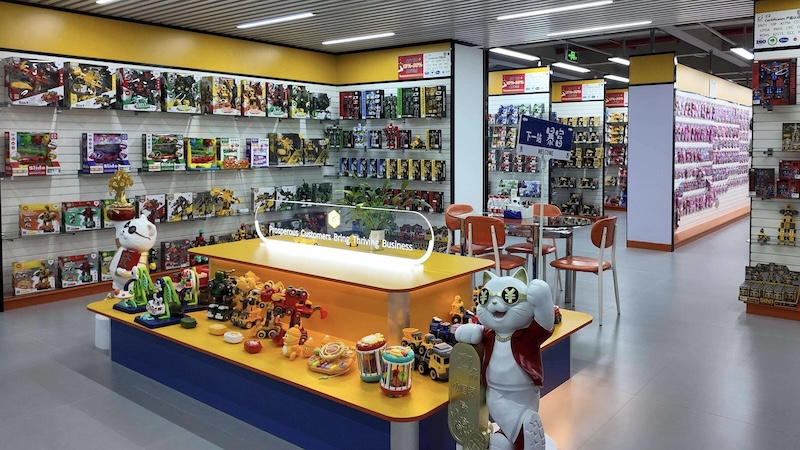
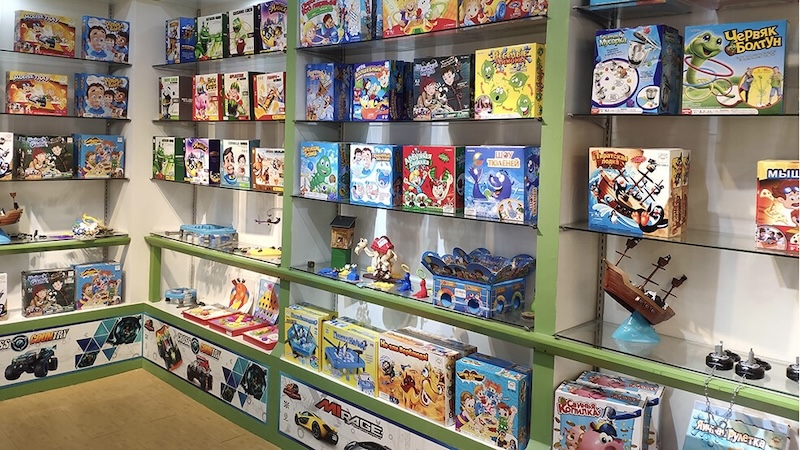
Chenghai is a district of Shantou in Guangdong, and it sells through showrooms, not market stalls. Thousands of small factories cover injection molding, printing, packaging, and assembly within a few kilometers. Their output is displayed across dozens of exhibition halls and the older Plastic City wholesale center, so a trip here covers one category in depth rather than the spread you get at the other wholesale markets in China.
That structure changes how you buy. Trading companies walk buyers through the halls, so the person quoting you often represents the factory rather than owning it. That is fine for stock items and a problem once your order needs testing, tooling, or a specification change. Ask early which building the goods are actually made in.
Finding that building, and seeing whether it holds a standard across a run, is what a factory audit settles before any tooling money moves.
The category strength is plastic and electronic toys. Remote-control vehicles, educational toys, dolls, and battery-powered items are all normal here, and that is exactly where the compliance load is heaviest.
Match the Certificate to the Destination
A factory’s Chinese test report is not your import certificate. Domestic standards such as GB 6675 govern what can be sold in China, and they do not satisfy the authority at your border. What you need depends entirely on where the goods land.
| Market | Typical Core Requirements |
|---|---|
| United States | ASTM F963, certificate, tracking label |
| European Union | CE marking, EN 71 testing |
| Great Britain | CE or UKCA accepted |
| Northern Ireland | European Union rules apply |
The European rules are mid-change, and that matters for planning. Regulation (EU) 2025/2509 entered into force in January 2026 and will replace the old toy safety directive from August 2030, when the digital product passport becomes mandatory. Until then toys can still be placed on the market under the existing directive. Anything you expect to sell for years should be designed and documented against the new rules.
Great Britain is regulated separately from the European Union. Goods sold in Great Britain can carry either CE or UKCA marking, while Northern Ireland follows the European rules, so confirm which side of that line your buyer sits on before printing anything.
In the United States, the certificate is issued by the importer, not the factory. Testing has to be done by a laboratory accepted by the regulator, and you can rely on the factory’s reports when that lab qualifies and its scope matches your exact product. What you cannot do is hand over a document issued in somebody else’s name, since the certificate has to be issued in your name.
Where Toy Orders Fail at the Border
Most rejections come from the parts of the product nobody photographed. Button cells, magnets, small detachable parts, cords, and the warnings that go with them are the usual causes. All of them are settled weeks before production starts.
The toy’s intended age group determines much of the testing. A toy intended for children under three faces different small-parts rules from one intended for older children. The marking has to match both the design and the packaging artwork. Changing the age grade late means changing the testing with it.
Paperwork that disagrees with itself stops more shipments than defects do. The invoice, the packing list, the test report, and the artwork all have to describe the same item. A model number that changed during sampling can be enough to trigger an inspection. Checking it before the container is booked is part of buying from wholesale markets, not an extra step.
Test the Version You Are Actually Shipping
A report on the sample is worth nothing if production used a different resin, motor, or paint. Suppliers do swap materials to hold a price, and in toys that swap is a common reason a batch fails a lab test.
Approve and seal one sample first, then test units that match it. Sealing and dating that unit is the whole point of managing sample orders, because it gives the lab and the inspector the same reference. Arrange product testing in China on production units, not on the showroom piece, and keep the report tied to that batch.
Showroom, Trading Company, or Factory?
Who you are talking to decides what you can change. A showroom sells what exists. A trading company can arrange modest changes and handle export paperwork. A factory can change the mold or the electronics and arrange updated testing and documentation, and will expect a bigger order in return.
Verify the maker before you commit to tooling. A supplier quality audit tells you whether the plant behind the booth can hold a specification across a full run. That matters more in toys than in most categories, because the penalty for drift is a recall rather than a return.
Minimums, Packaging, and Price
Minimum order quantities here are higher than at Yiwu and lower than at a large contract factory. Stock items often move by the carton, while custom colors, printed packaging, or a new mold push the quantity up sharply. Get a quote at each quantity you are considering, with tooling priced as its own line.
In toys, packaging is part of compliance rather than a finishing detail. Warnings, age grades, importer details, and language requirements sit on the product, the packaging, or the accompanying documents depending on the market, and a beautiful carton that omits one required line makes the product non-compliant. Get the artwork approved before the print run, not after.
Chenghai or Yiwu?
Go to Chenghai when the toy is the product, and to Yiwu when the toy is one line in a mixed order. Chenghai gives you depth, factory access, and the ability to develop a new product, at the cost of higher minimums and a longer trip.
Yiwu gives breadth and small quantities. Gift shops and general merchants filling shelves across categories usually do better at the Yiwu wholesale market. Which toys actually sell is a separate question from where to buy them, and the shortlist of toys to import from China is where that one starts.
FAQ
Q1: Do I need to visit Chenghai, or can I buy remotely?
Remote works well once the product and the supplier are known, since most halls will send photos, videos, and samples. A first custom project usually justifies the trip, because handling twenty versions of the same mechanism settles questions a video cannot.
Q2: When is the worst time to plan a Chenghai trip?
The weeks around Chinese New Year, when molding and assembly stop before the showrooms do and quoted lead times stretch without warning. The Shantou toy fair each autumn is the opposite case, since new designs and out-of-town suppliers concentrate into one week.
Q3: Who owns the test report if the supplier paid for it?
You can rely on a report the supplier commissioned if the laboratory is properly accredited or accepted for the required tests in your destination market, and the tests cover the exact product you are importing. Check the scope and the lab first, and commission your own testing when the design is yours.
Q4: What happens if I change the packaging after testing?
Artwork and warnings can usually be updated without retesting the toy, though any change to small parts, materials, or the age grade sends you back to the lab. Treat artwork changes as a compliance step, not a design one.
Q5: Are licensed characters ever safe to buy here?
Not without written proof of the license, and the risk at the border sits with you, not the seller. Unlicensed character goods are among the most likely toy shipments to be seized.
Q6: How long does a custom toy take from first drawing?
Longer than buyers expect, since tooling, samples, and testing run one after another, not side by side. Build the lab time into the schedule from the start.
Q7: Do I need different packaging for each country I sell in?
Often yes, since warning wording, language, and importer details differ by market. Buyers selling into several regions usually agree one carton design with country-specific label panels instead of separate print runs.
Q8: What should I keep on file after the goods ship?
The sealed sample, the test reports for that batch, your certificate or declaration of conformity, the technical file and risk assessment, the approved artwork, and the batch or tracking records. A customs officer, regulator, or marketplace may request the relevant records from that set, and reconstructing them later is rarely possible.
Conclusion
Chenghai rewards buyers who treat compliance as part of the product decision, not as paperwork collected at the end. Fix the destination market, the age grade, and the testing plan before you choose the toy, and the risk of delays at the border becomes much easier to control.
Showrooms sell, factories build, and in Chenghai those are usually two different companies in two different buildings. We go to the second one through a factory audit, so you find out whether your age grade and test plan are achievable while the mold is still a drawing.