
China Factory Lead Time: Why the Date Keeps Slipping
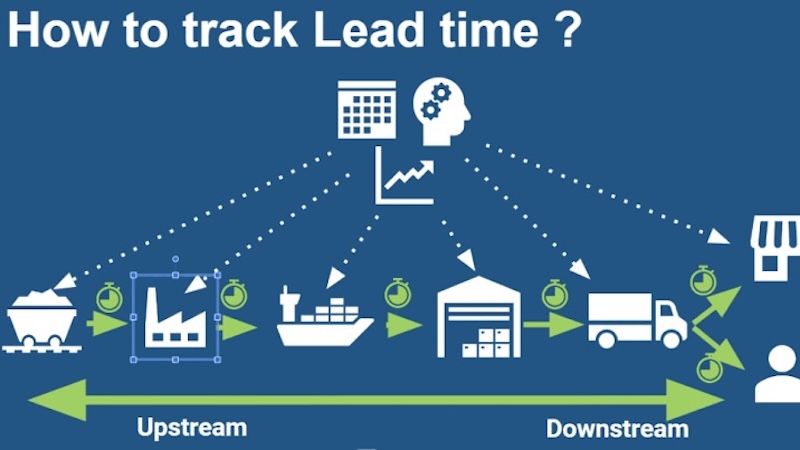
A quoted lead time is a production estimate that starts later than you think and ends earlier than you need, which is why thirty days so often turns into fifty. The factory is usually counting from the moment everything it needs is settled, to the moment the goods can be collected, and both ends of that sentence hide weeks that land on you.
| Stage | Main Driver |
|---|---|
| Order and specification lock | You |
| Sample approval rounds | Shared |
| Materials and components | Sub-suppliers |
| Queue before your slot | Factory workload |
| Production run | Factory |
| Rework after inspection | Quality outcome |
| Packing and ready to ship | Factory |
Most buyers picture only the production run and the packing when they hear a lead time.
What the Quoted Number Actually Covers
Ask any factory what day the clock starts and the answer is rarely the day you sent the order. It usually starts when specifications, packaging, labeling, quantities, and payment terms are all settled and the deposit has cleared, which means every open question on your side is quietly extending the date before production has begun.
The other end matters just as much. Most quotes run to the day goods are ready to leave the factory, not to your warehouse, so inland transport, booking, sailing, and clearance all sit outside the number. A factory lead time and a delivery date are different things, and treating them as one is the most common planning error in a bulk order from China.
Getting the factory to confirm each stage against a real production plan, rather than repeating the quoted number, is manufacturing control work.
Where the Weeks Actually Go
Material and component arrival is the phase buyers see least and suffer most from. A factory can confirm a production window with only some of the materials in hand, then wait on a printed carton, a custom trim, or a part from a supplier working to its own schedule. The real risk usually sits one tier below the factory you are talking to.
Queue time is the second invisible block. Your order joins a line behind other work, and a plant quoting twenty-five production days may not start those days for three weeks. Asking a supplier to separate queue time, production time, and ship-ready time turns one vague number into three you can actually check.
Sampling rounds are the phase you influence most and often lose the most time in. Each revision cycle adds real weeks, and slow feedback or an unclear approval standard costs more than the factory’s own pace, which is why running sample orders tightly is a scheduling decision as much as a quality one.
Why It Slips After Production Starts
Capacity is sold before it is available, and your order is not always the priority. Factories juggle repeat accounts, urgent reorders, and seasonal spikes, and a smaller or newer buyer moves down the list when lines are full. Checking factory production capacity before you order answers a different question from whether the plant wants the work.
Rework is the delay nobody quotes for. Defects mean sorting, remaking, or repeating a test, and each correction pushes the ex-factory date and often the booking with it. When they are found decides how much that costs, which is the argument for a during production inspection rather than waiting for the final check, since a problem caught mid-run can still be fixed inside the schedule.
Sales and production do not always share a calendar. The person quoting you is measured on winning orders, not on line loading, so an optimistic date can be given honestly and still be wrong about the workshop’s real schedule. Confirming a schedule with someone on the production side is the cheapest correction available.
Holidays Compress More Than They Close
Chinese New Year affects the schedule long before and after the official dates. Output slows as workers leave early, sub-suppliers stop accepting orders, and secondary processes such as printing or plating pause first, so the risk window is considerably wider than the holiday itself.
Restart is gradual rather than immediate. Workers return in waves and backlogs stack up, so a date falling just after the break carries more risk than the same date a month later. Peak season creates a similar squeeze without the shutdown, and our guide to peak season timing covers how that pressure reaches the freight side.
How to Read a Quote Before You Accept It
Ask for the date broken into its parts rather than asking whether it is realistic. Queue time, material readiness, production days, inspection window, and packing give you five things to verify instead of one to hope about, and a supplier who cannot separate them is quoting from habit.
Ask which inputs are stock and which are custom. Materials already on the shelf behave completely differently from anything ordered after your deposit lands, and that single question predicts more delays than any other.
Then put the schedule in the order rather than in an email. Production start, sample approval deadline, inspection window, and the ready-to-collect date belong on the purchase order, along with the notice you expect if any of them move.
Checkpoints are what make a date verifiable before it moves. Without them you learn about the slip from a shipping update rather than from the factory, and by then the booking has already gone.
FAQ
Q1: Does the clock start when I send the order or when I pay?
It varies by factory, and the trigger can be order confirmation, a cleared deposit, sample approval, or confirmed materials. Ask the supplier to name the trigger in writing, because that single sentence often accounts for the first week or two of the gap.
Q2: Does a longer quoted lead time mean a worse supplier?
Not necessarily, since a longer quote may reflect a real check of the factory’s current workload while an unusually short promise may simply be optimistic. Compare what each supplier says about queue time rather than comparing headline numbers.
Q3: How should I plan factory lead time around Chinese New Year?
Work backward from the shutdown rather than from the delivery date, allowing for suppliers stopping earlier than the factory and for a slow restart afterward. Locking specifications and deposits sooner than usual matters more than adding a buffer at the end.
Q4: Can I pay for a faster lead time?
Sometimes, through expedited materials or a better slot in the queue, though whether it pays depends on the rush fee against what a late delivery costs you in lost sales or a missed customer commitment. Ask what specifically gets shortened and what the surcharge is, because a shorter schedule that skips a step is a different product.
Q5: What should I ask for during production to see slippage early?
Dated photographs at material arrival, at production start, and mid-run, tied to the checkpoints in your order. Evidence at agreed moments is more useful than a weekly status message that says everything is fine.
Q6: Why do repeat orders sometimes take longer than the first?
The first order may have received attention that a routine reorder does not, and material availability or line priority can have changed since. Confirm the current schedule each time rather than assuming last time’s timing still holds, which is part of the wider job of supplier management.
Q7: Should the lead time change if I increase the quantity?
Usually yes, though not in step with the quantity, since setup and material time are largely fixed while the run itself gets longer. Get a date for each quantity you are considering, because the answer sometimes changes which one you pick.
Q8: What happens to my slot if I delay approving the sample?
If the approval is delayed long enough, the factory may reassign the slot and reschedule you into the next available window rather than holding the line idle. That is why an approval sitting in your inbox can cost more days than the revision itself.
Conclusion
A lead time slips because the number you were given covered less than you assumed, started later than you thought, and depended on people who never quoted you anything. Break it into stages, ask which materials are custom, confirm it with production rather than sales, and write the checkpoints into the order.
A factory tells you it is on schedule until the week it cannot, so the update you get is usually the one from before the problem started. We watch the stages from inside China through manufacturing control, so a slipping date reaches you while there is still a decision to make.