
China Plus One Strategy: When Small Importers Need It
China Plus One is insurance, and like any insurance the question is whether the premium is smaller than the risk it covers. For most small importers the premium shows up as tooling work, extra sample rounds, a second minimum, and more inspection, which is a real bill against a risk that may never land.
| Where the cost lands | What it costs you |
|---|---|
| Tooling and molds | Transfer, copy, or new |
| Sampling rounds | Weeks before first production |
| Minimum order quantity | Two first orders to fund |
| Inspection and standards | More visits, not more standards |
| Stock and lead times | Extra buffer during qualification |
How many of those lines you actually pay depends on the product, so the decision belongs before you open the second account, not after.
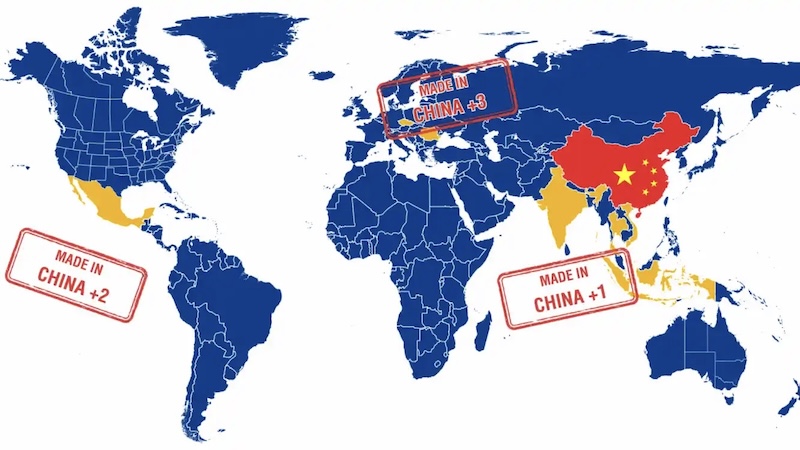
What the Second Supply Chain Actually Costs
Tooling is the line buyers underestimate most. Every one of these bills lands on top of what manufacturing in China already asks of you.
Whether an existing mold can move depends on who owns it, its condition, whether the new plant’s presses take it, and whether the current factory will release it. Price transferring, modifying, duplicating, and cutting new before you agree to anything, and note that supplier-owned tooling does not automatically mean a second set, since the new plant may already run a compatible mold.
Knowing which of those bills your own product would actually trigger, before you commit to a second country, is what supplier verification answers first.
You pay for sampling a second time, though not the full set. A finished design and a signed sample shorten the front end, but the new plant still has to hit your tolerances, finishes, and packing on its own equipment. Budget fewer weeks than the first time, not none.
Then the minimum order splits your cash. Your China supplier quotes on the volume it already knows, while a new supplier prices you as a first-time buyer. Splitting demand across two factories means paying more per unit on both, at least until each side reaches a volume worth quoting properly.
If either minimum is the blocker, negotiating a lower MOQ at the existing supplier is cheaper than opening a second one.
Quality control is the running cost, not the setup cost. One master specification, one defect classification, and the same pre-shipment inspection standard should cover both plants, so what you are really adding is visits, not a second program. How much that adds depends on how often each factory ships and how many lots you check.
Stock moves both ways. Buffer goes up while the new supplier is unproven and can come down once it is reliable, since a second source shortens the worst case. Hold it in one place rather than at each origin and size it on real delivery records.
Total it once, in writing, before the first trial order. Separate what you pay once from what returns every cycle, because a bill that looks modest as a project reads very differently spread across a year.
The Trigger Is Exposure, Not Order Size
No unit count turns China Plus One on, which is why the volume question is the wrong one to start with. The useful test is what a single failure would cost you.
Four conditions push a small importer over that line. Two are structural. A single source with nothing else qualified leaves core products nowhere to go if the plant stops, and replenishment too slow to recover means a delay cannot be absorbed inside the season.
The other two are financial. Late-delivery penalties put the cost of a miss in writing before anything goes wrong, and duty exposure that moves margin on its own lets a tariff change flip the answer without any factory failing.
Put a number on it rather than a worry, and note that the loss does not have to be written into a contract to count. Price it off your own sales history, using the units you would have sold, the discount it takes to clear late stock, and the cost of winning a ranking back.
Start With One Product, Not the Catalog
The mistake that sinks small plus-one programs is mirroring the range instead of testing it. Move one product first, starting with the simplest thing you sell, which means standardized goods with few outside components, forgiving tolerances, and no tooling of their own. Anything resting on a dense component base moves last, because that base is what the China manufacturing hubs were built to supply.
Qualify the new plant as hard as you qualified the first one, or harder. A supplier quality audit before the first order matters more here, because you have no history with it and nothing carries over from the relationship you already have.
Decide what the trial has to prove before it starts. One production run tells you about consistency and communication, not about long-term capability. Fix the measures in advance, meaning defect rate against your own standard, delivery against the promised date, and how the supplier behaves the first time something goes wrong.
Judge the result on landed cost, not the quote. A second-country quote that beats China at the factory gate has to survive freight, duty, and duplicated overhead before it means anything. Run both through the same landed cost calculation before drawing conclusions.
When Staying Single-Source Is the Right Answer
On most products, the honest answer for a small importer is not yet. Stay single-source when your volume cannot carry two minimums, when your margin cannot absorb a development period at the new supplier, or when your product depends on a component base that one country happens to hold.
Check first whether the real exposure is supplier concentration rather than country concentration. A second qualified factory in China removes most single-point risk at a fraction of the cost, without a new customs regime, a new language, and a second export calendar. Country diversification and supplier diversification are not the same purchase, and buyers reach for the expensive one first.
Revisit the decision on a schedule rather than on news. Set a volume or a margin threshold that would change the answer, then check it once or twice a year. If the choice really is a straight comparison between two countries rather than a parallel setup, China vs Vietnam sourcing is the decision to work through instead.
FAQ
Q1: Does a second country protect me from tariffs?
Only if the destination market counts them as originating there, and simple assembly usually falls short without telling you which component country the origin falls to. Have someone qualified in that market confirm the rule for your product and keep that on file, and pay for a formal ruling only when the origin is arguable and the duty at stake justifies it.
Q2: How much volume does the second supplier need to stay useful?
Enough to keep your product running there regularly, which usually means a standing share rather than one token order. A plant that builds your item once a year has to be re-approved before you can lean on it.
Q3: How long before a new plus-one factory is producing properly?
Three to six months is common where new tooling is involved, and a few weeks where a standard product runs on an existing line, but treat both as examples rather than planning numbers. Tooling, testing, and the factory’s own capacity queue all move the date, so work backwards from the season you have to protect.
Q4: Can I use the same drawings and specifications in both countries?
You should, and one master specification pack is the only way to keep the two comparable. Expect the new supplier to read it differently at first, since tolerances and packing conventions vary by factory.
Q5: Should the second supplier build the same version of the product?
It can be a simplified version, as long as you develop, test, and approve it before you need it, and your labels and compliance documents already cover it. What fails is changing the product after the shortage starts, so write the switch conditions down in advance.
Q6: How should I compare a cheaper trial supplier with worse quality?
Convert the quality gap into money before you decide, adding the expected return rate, rework, and replacement freight to their unit price, then compare again. If the gap survives one corrective round, close the trial.
Q7: When should I stop and go back to one supplier?
When you re-run the numbers and the risk turns out smaller than you first judged, or your volume has not grown enough to carry both. A quiet year is not evidence the risk went away.
Q8: Can I run a plus-one setup without staff on the ground?
You can, but not on inspection reports alone, since it needs one person holding a single specification across both factories. What goes wrong is rarely a bad factory; it is two factories drifting apart while nobody owns the gap.
Conclusion
A second source buys continuity and time to react, and it only becomes a duty hedge if the new origin is recognized and the rate difference survives the extra cost. Price those against the duplicated bill, and the answer stops being a matter of conviction.
Holding a second plant to the same standard as the first, and finding out early whether it can actually run your tooling, is work that has to happen inside the factory rather than over email. We do it through supplier verification, so the backup you are paying for is one that would really take over.