
Buying Travel Adapters: What to Check Before Ordering
Travel adapters look like the simplest product a buyer can import, which is exactly why so many orders arrive loose-fitting, wrongly certified, or half compatible. The risks sit in plug compatibility, safety approval, and whether the product does what the listing claims, and every one of them can be settled before the balance payment.
| The Risk | Where It Bites |
|---|---|
| Wrong plug standards | Does not fit, returned |
| Missing or mismatched compliance | Blocked from marketplaces |
| Adapter sold as converter | Damaged devices, claims |
| Weak build | Loose fit, overheating |
| Underrated USB ports | Slow charging complaints |
Each is a specification question, and the answer belongs in the order rather than in the reviews.
Adapter or Voltage Changer: Know Which You Sell
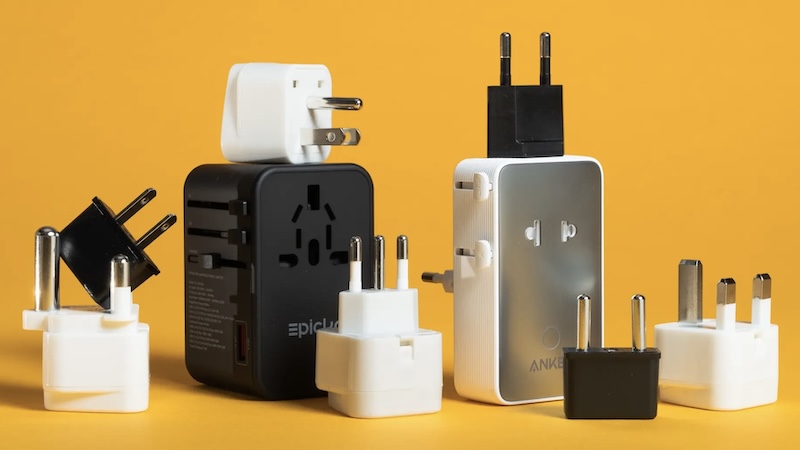
A plug adapter changes the shape so a device fits the wall, and it does nothing to the voltage. Many phone and laptop chargers accept a 100 to 240 volt input, in which case only the plug shape has to change, which is what most of this market sells. The safe move is to check the input rating printed on each device rather than assume it.
A voltage converter changes the electricity itself, and it is a different product. Single-voltage appliances such as some hair tools, kettles, and older equipment need one, and plugging a plain adapter into that buyer ends in a damaged device and a claim.
Decide which product you are actually importing and label it honestly. Listings that blur adapter, converter, and combined units generate returns and disputes, so the distinction belongs on your listing before it becomes a customer’s problem.
Naming exactly what you are selling is the first move across energy and electrical products. The returns in this category almost always start with a claim the product never made good on.
A factory that builds both will happily quote either, so confirming which one its line is actually set up for is what a factory audit settles.
Match the Plugs at Both Ends
A universal adapter is only universal if it genuinely covers the plug standards your customers use. The destination side has to fit the markets you sell into, and the input side has to accept the plugs your buyers arrive with.
Which standards the input accepts and which the output serves separate a product that fits from one that photographs well and fails in the wall. A round of product testing in China on samples is worth it before a large run.
Grounding has to carry through the adapter, not stop inside it. Where a combination is offered as grounded, it must keep that earth path continuous. A design that quietly drops the earth pin is both a safety and a compliance failure. Ungrounded modes should be marked as such and used only with double-insulated devices, so confirm which of the adapter’s modes are grounded and which are not.
Certification Decides Whether You Can Sell
An adapter carries mains voltage, so its safety evidence is not a formality. Which approval applies depends on the destination country, the construction, and the sales channel, and it can be third-party certification, a manufacturer’s declaration, or a mandatory plug scheme.
Start by confirming your exact model is covered, the standard is current, and the document is valid. Where the product claims third-party testing or certification, check the lab or certifying body too, since borrowed and mismatched certificates are common here. The framework for what each market requires sits in the guide to electrical product compliance.
Selling platforms add a gate of their own. Their document checks are separate from the law and move faster than any regulator, a step the Amazon compliance check walks through for sellers listing ahead of their paperwork.
Build Quality Is What Reviews Judge
A travel adapter lives in a bag, gets pushed into unfamiliar sockets, and is judged on whether it feels secure in the wall. Loose pins, a flexing casing, a body that overheats under a laptop load, and an ultra-compact shape that blocks the next socket are the complaints that sink a listing. Some show up in a sample, while others need laboratory testing.
Split what a sample shows from what a lab and an audit show. A held sample reveals loose fit, obvious heat, and rough construction, while pin dimensions, insulation spacing, shutters, and grounding continuity need laboratory testing. A supplier quality audit then assesses whether the factory can build that consistently across a run, which is a different question from whether one unit passed.
Get the USB Ports Right
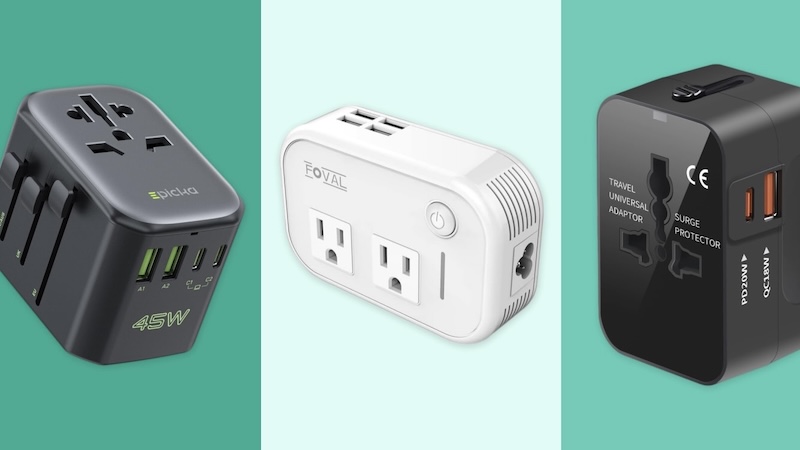
Built-in USB-A and USB-C ports are why many buyers choose one adapter over another, and underrated ports are why they return it. A port that charges a phone slowly, or a USB-C port that cannot actually run a laptop, turns an advertised feature into a one-star review.
A USB model is two products in one, and the spec has to cover both. Adding USB-A or USB-C ports puts a power supply inside the adapter, so a plug-only report no longer covers the product.
Buyers check the wattage each port delivers, the charging protocol, and whether the USB-C port truly runs a laptop. How power splits when several ports are busy is the other USB-C charger detail worth pinning down.
Put the Whole Specification in the Order
Put it in the order, not the chat. Plug standards for both ends, grounding, certification, USB output, and the key components belong in the China purchase order. That turns each into a delivery condition and gives you a remedy when a substitution appears. A checklist covering fit, markings, USB output, and packing then verifies the sampled units before the balance moves.
FAQ
Q1: Should I buy from a trading company or the actual factory?
Many travel adapter listings on sourcing platforms come from traders who own no tooling and switch plants between runs. Ask who owns the certification and where the housing is molded, because that tells you who actually controls the product.
Q2: Should a travel adapter include a fuse?
Where the plug system or product design calls for one, a missing or wrong-rated fuse is a recurring recall cause, though not every market or design requires it. Confirm whether your model is fused, at what rating, and whether the fuse is replaceable.
Q3: How many USB ports are worth including?
Enough for the devices your buyers carry, commonly two to four, without pushing the internal power supply past its rating. More ports mean more output to deliver, so the count and the total wattage have to be specified together.
Q4: What should a pre-shipment inspection check?
Fit and grip in real sockets, markings against the approved artwork, USB output on sampled units, fuse rating where fitted, and packing. It confirms the sampled goods match the approved reference, which is what a claim later rests on.
Q5: How do I compare two travel adapter suppliers?
Put them side by side on the parts that hide cost: the standards actually certified, the plug range covered, the USB output proven, and the build on a tested sample. The cheaper quote is only cheaper if it matches on all four.
Q6: Do different markets need their own packaging and model versions?
One universal model can often serve several markets, but the language, warnings, ratings, and markings may still need market-specific versions. Decide the split before production so labeling and inserts are printed correctly the first time.
Q7: Is a stock universal model cheaper than a custom one?
Usually, since a custom housing adds tooling and may need supplementary assessment, while a stock model builds on work already done. A stock model still needs valid compliance documents for your exact brand and model in each target market, so confirm that for the version you are buying.
Q8: Can a travel adapter be sold as a surge protector?
Not unless the complete product is tested, rated, and marked for the surge-protection claim, since a protective component inside is not the same as a compliant finished-product surge protector. If your listing implies protection, confirm the finished-product evidence rather than borrowing the wording.
Conclusion
Travel adapters punish buyers who treat them as too simple to specify. Verify the plug standards, grounding, certification, and USB output before production rather than after the complaints arrive, and you sharply reduce the returns that hurt this category.
A loose fit and a missing safety mark both look fine in a product photo, and both come back as claims rather than returns. We check the plant and the pins before the order through a factory audit, because this is a category where the failure is electrical, not cosmetic.