Free Samples from China: Who Pays Product and Shipping?
In most cases the factory covers the product and you pay the courier, and on anything custom or costly you also pay a sample fee that may be credited against your first order. Treating that fee as an obstacle rather than a normal cost is what marks a buyer as unlikely to order.
| Arrangement | When It Is Typical |
|---|---|
| Free product and shipping | Rare, very low-value items |
| Free product, you pay courier | Common for standard goods |
| Refundable sample fee | Costlier or made-to-order goods |
| Non-refundable fee | Complex or tooled products |
Which one you are offered says more about your product and your credibility than about the supplier’s generosity.
What Free Actually Means
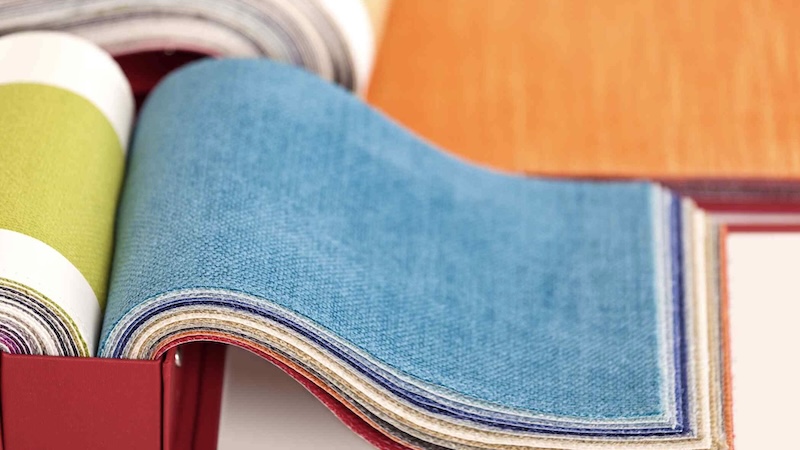
Fully free samples, product and shipping included, are the exception rather than the standard. They mainly appear on fabric swatches, small components, and other items where the unit cost is trivial next to the chance of winning an account. Outside that, someone pays for the sample, and the negotiation is only about who.
The common outcome is that the factory absorbs the product and you cover the courier. That split is fair and widely used, since it costs both sides something and screens out requests that were never going to become orders. Courier charges on a small parcel from China are not trivial, so factor express shipping into your sampling budget rather than treating the offer as free.
Narrowing the list to three suppliers worth sampling, instead of thirty who will all say yes, is what supplier sourcing does before any sample is paid for.
A sample fee is professional practice, not reluctance. Costlier goods and anything made to your specification cost the factory real time and money. Crediting that fee back on a later order is one arrangement suppliers offer, though it depends on the product, the customization, and the order value rather than following a rule.
Ask before you pay whether a credit is available and on what size of order, because that figure is usually tied to the bulk order from China that follows. Mold or development charges are separate items, and those are rarely refunded at all.
When a Fee Is Reasonable and When It Is Not
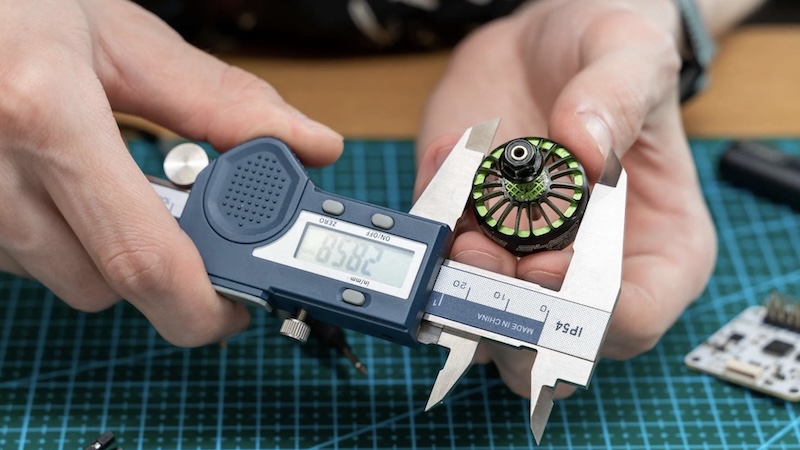
Expect to pay when the sample has to be made rather than taken off a shelf. Custom colors, modified dimensions, printed packaging, and anything requiring a short production setup all justify a charge. A fee that is not refunded is normal for complex electronics or parts that need a mold, where the factory cannot resell the unit afterwards.
Be more skeptical when an item already in their range carries a heavy fee. A supplier charging a lot for something already sitting in stock is either betting you will not order, guarding against people who collect free samples, or is a trading company covering what it pays the factory.
None of those is dishonest, but each is worth a question before you pay. Putting the same request to two or three companies and comparing Chinese suppliers on what they ask is the fastest way to see whether a figure is normal for the category.
Why Asking for Free First Backfires
Suppliers receive far more sample requests than orders, so the request itself is a filter they apply to you. Opening with a request for a free product, before any specification or volume has been discussed, puts you in the pile that never turns into orders, and often produces silence rather than a refusal.
Sequence changes the answer more than wording does. Send a proper quote request with your specification and realistic quantities first, so the sample conversation happens with a supplier who can already see what the account is worth. How you contact the factory matters too, since a business address and a stated intention to order read very differently from a generic message.
What a Free Sample Still Costs You
The product being free does not make the exercise free, and the other costs are the ones that surprise people. Courier charges, import duty and customs fees on the parcel, your own time evaluating it, and the wait between asking and receiving all belong in the budget for a first order.
Whether a sample attracts duty depends on your destination country and how it is declared. Some markets offer relief for genuine commercial samples, sometimes with conditions attached, while others treat the parcel like any other import. Check the rule that applies to you, give the supplier a truthful value for the paperwork, and avoid marking the parcel as a gift, which usually causes hold-ups rather than avoids them.
The largest hidden cost is a sample that tells you nothing. A stock unit sent free shows general workmanship but not how your specification will be built, which is why paying for a sample made to your requirements is usually the cheaper decision on anything you have changed.
Paying Is Often the Better Trade
An offer to pay puts you in a different queue at the supplier’s end. Someone willing to cover the shipping or a modest fee reads as a real customer rather than a browser, which usually means faster preparation and more care taken over the unit that gets sent.
Paying also strengthens your position, though it does not by itself entitle you to a free rebuild. Agree before you pay what the sample must meet, what evidence you expect while it is made, and what follows if it arrives wrong, because those terms rather than the payment are what give you a remedy.
The sample you finally approve becomes one reference for a pre-shipment inspection, alongside the written specification, tolerances, and packaging requirements. A physical unit on its own cannot show what is inside it or how it performs.
Where the Sample Fits in the Order
A sample decision is a small part of a larger sequence, and treating it in isolation is what makes it feel expensive. Specifying, requesting, evaluating, and approving are one continuous job, and managing sample orders picks up exactly where the fee question ends.
The cost only looks high next to the wrong comparison. Set it against the value of the production run it is protecting rather than against zero, and even a fee you never get back on a complex product is small by comparison. Every early check is cheap next to the cost of finding the same fault in a full container.
FAQ
Q1: Are the “free sample” offers listed on Alibaba really free?
Usually the product only, with the courier billed to you, and some listings cover a swatch rather than the finished item. Read what the listing actually includes before you send a message.
Q2: Can I have the sample shipped on my own courier account?
Yes, and most suppliers prefer it, since it removes the cost argument and gives you the tracking. Send them your account number and the collection details, then book the pickup yourself.
Q3: Can I ask for a sample of the packaging alone?
Yes, and it costs little to send flat. It is worth doing when the box, insert, or label is the part you have changed rather than the product itself.
Q4: Will the free sample come from the factory that would run my order?
Not always, since a stock unit can come from a trading company’s shelf or an earlier batch. Ask where the sample was made and whether the same workshop would handle your order.
Q5: What if the sample arrives damaged?
Photograph the parcel before opening it and send the images the same day, since both a courier claim and supplier goodwill depend on early evidence. Most suppliers will resend a stock item, though you may be asked to cover the freight again.
Q6: What if the price rises after the sample is approved?
Ask which cost changed and whether the first quote assumed a different quantity, material, or packing. A price that moves without an explanation is a reason to keep the second supplier warm.
Q7: Should the supplier keep a matching sample of the one I approve?
Yes, and it should be signed and dated by both sides so the factory cannot later argue about which unit was approved. Without a retained unit, a dispute comes down to two different memories of the same product.
Q8: Can I resell or use the sample afterwards?
That depends on how it was imported, since sample duty waivers can carry restrictions on resale or further use in some markets. Where it is permitted, keep the approved unit untouched as your production reference and order a second one to handle or display.
Conclusion
A genuinely free sample is real but narrow, and the useful question is not whether the product costs nothing but whether the arrangement gives you something worth evaluating. Covering the freight, or paying a fee that may or may not come back, is the ordinary price of finding out what a factory can actually build.
Judging which suppliers are worth a sample, reading what a fee is really covering, and holding a factory to the unit you approved are all hard to manage from a distance. That groundwork is what our supplier sourcing team does before the first parcel is paid for, so a sample fee buys a real evaluation instead of a marketing gift.