
China to Europe Shipping Cost: Ports and Delivery
A 40ft container from China to northern Europe has been running close to $4,800 this July, and getting it into your warehouse adds another $1,500 to $2,500. Some of that is already inside your trade term, which is why two quotes for the same box rarely match.
| Example: Yantian to Düsseldorf | Roughly |
|---|---|
| Factory to port, export papers | $350 |
| Ocean freight to Rotterdam | $4,800 |
| Rotterdam terminal handling | $450 |
| Customs declaration | $200 |
| Truck to Düsseldorf | $600 |
| Freight bill before tax | $6,400 |
The ocean line swings hardest, but every line moves with the port, the address, and the carrier.
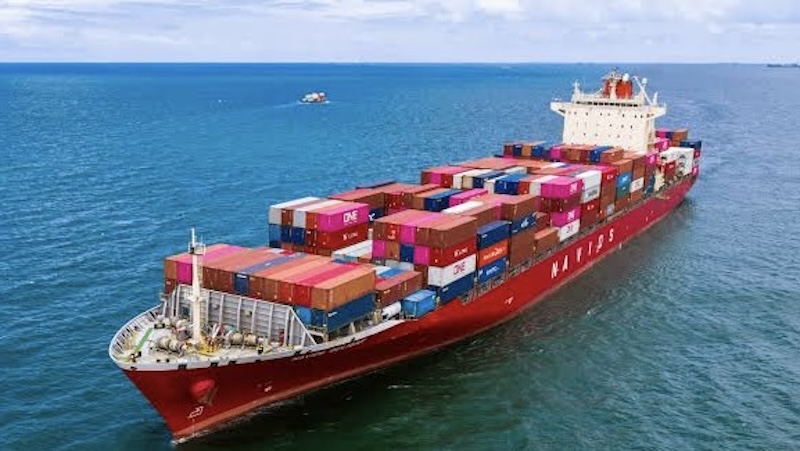
What You Actually Pay to Move a Container to Europe
The door to door cost has five stages, and ocean freight is only one of them. Origin charges in China, the sea leg, the destination terminal, customs and tax, then the truck to your door. An all-in price may cover several of those or all of them, so read the inclusions before you read the number.
Track the whole bill against the shipment, not just the freight. Once you calculate landed cost that way, a $200 difference between two forwarders points straight at the line that explains it. The same habit catches the smaller costs of importing from China that never reach a rate sheet.
Getting the origin-side charges itemized in the first place, so there is something to compare, is where an experienced sourcing partner is useful before the freight conversation even starts.
Why There Is No Single European Rate
Northern and southern Europe are two different markets, and the gap runs past $1,000 per container. Drewry’s index had Shanghai to Rotterdam near $4,800 in late July 2026 and Shanghai to Genoa near $6,000. An index reading is not your quote, but the shape of the gap holds.
Prices move weekly, so last month’s number is a starting point. Carriers lift rates in the busy season and cancel sailings to tighten space. Transit to Rotterdam runs 25 to 32 days, so a delay at the factory costs more than the calendar suggests. Cargo staying in Britain is a separate lane with its own paperwork, and the UK shipping cost breakdown covers it.
Leaving from Shenzhen and Yantian
Yantian sits on weekly services that reach Rotterdam, Hamburg, and Antwerp on the same vessel, and that is worth more than the rate sheet shows. An indirect booking drops your box at a hub port to wait for a second ship. One more handling step, one more place to sit, one more connection to miss. Compare the two on total days to your door, not on the freight line.
Splitting one order across two suppliers and two bookings pays for the same voyage twice. Paperwork, export clearance, and terminal handling barely move with volume, so two half-full boxes cost close to double the fixed charges of one. When your factories sit near the same port, consolidate the shipments before you book.
The Inland Leg Decides Which Port Wins
The road leg is priced by distance, and it can swallow a $400 saving on the ocean rate before you unload. Rotterdam to Düsseldorf is about 230 km. Rotterdam to Munich is closer to 800 km and a different bill.
| Gateway | Cheap for | Inland reach |
|---|---|---|
| Rotterdam | Benelux, western Germany | Rail and barge inland |
| Hamburg | Northern and eastern Germany | Rail to central Europe |
| Antwerp | Belgium, northern France | Barge along the Rhine |
| Le Havre | Paris region, western France | Seine barge to Paris |
| Genoa | Northern Italy, Switzerland | Short road to Milan |
| Valencia | Spain, southern France | Rail toward Madrid |
A box for Munich can come through Hamburg or Genoa, and each route wins a different half of the trip. The northern gateway usually holds the cheaper ocean rate, while the Mediterranean one cuts days and kilometres off the road leg.
Price both routes to your postcode, never to the port. Ask for the road leg as a separate line, then ask what triggers an extra charge. Most European hauliers bill on top for a booked unloading slot, a restricted city address, and waiting beyond the free time. With those in, convert each route into a freight cost per unit figure and the winner often changes.
Duty and Import VAT Sit Outside the Freight Quote
Duty and import VAT are never included unless the quote says so. A delivered price may cover them. A port price will not. VAT is charged on the goods plus the duty, so a high tariff hits you twice, and standard rates run from 17% to 27% depending on where you clear.
Duty is a cost you keep, VAT usually comes back, and they belong in different columns. Recovering VAT needs a registration, your name on the customs entry, and the right import document, so settle all three before the first container sails. The EU import duty rules explain how classification sets the tariff.
How to Compare Two European Quotes
Two prices compare only when the trade term, the delivery address, and the box size match. A price to the port always beats a price to your warehouse, and that tells you nothing. Send one brief to everyone: factory, postcode, container size, cargo ready date, and the term you want priced, whether FOB, CIF, or delivered.
Then check what the price assumes about your cargo. A full container is priced per box, so your volume decides which box you need rather than the rate. Shared space is priced per cubic meter or per ton, whichever is higher, and an underestimate comes back as a corrected invoice. Work out the cargo CBM from the packing list, not the supplier’s guess, and get the validity in writing.
FAQ
Q1: How far ahead should I book space to Europe?
Book 3 to 4 weeks before your cargo is ready, and 5 to 6 weeks between June and October. Book late during a rate increase and you pay the new price, not the one you were shown.
Q2: Does delivering into eastern Europe cost more than western Europe?
The ocean rate differs by gateway and the road leg lands on top, so a northern port is not automatically cheaper. Price one northern port against an entry closer to your final warehouse, then compare the totals.
Q3: What happens if the carrier bumps my container to a later sailing?
The carrier can move your box to the next ship in a tight week, and the booking terms leave that cost with you. A named vessel on the confirmation does not prevent it, so check the booking near the cut-off and keep slack in what you promise customers.
Q4: Do I need an EORI number before my first EU shipment?
If your own company is the importer, yes, and it has to exist before the first declaration. It is the reference customs uses to identify your business, and missing it strands containers at the terminal.
Q5: Can I land at one EU port and clear customs in another country?
Yes. Your container travels inland sealed under customs control and clears where you take delivery, which is why landing in Rotterdam and clearing in Germany is routine.
Q6: Can a company outside the EU import into Europe?
Yes, but the setup differs by country and by how you sell. Some member states want a non-EU business to appoint a local tax representative, so check your destination country before you promise delivered pricing.
Q7: Who charges what if the container sits at the port too long?
Three clocks run at once. The terminal charges storage on the box in the yard, the carrier charges for the loaded container past its free time, and it charges again if the empty goes back late. Get all three free periods in writing, because they rarely match.
Q8: When should I start shipping into two European gateways instead of one?
When the second region ships steady volume, and the delivery cost and time you save there beat the extra clearance, storage, and admin. Below that, one gateway and a longer road leg is the cheaper answer.
Conclusion
The gateway that wins your first order can lose your fifth, so run the comparison again when your address, volume, or product mix changes. Ports, surcharges, and road rates move on their own timetables, and a routing decision from two years ago is rarely still the cheapest.
Nobody in the chain gets paid to tell you when that has happened. As an experienced sourcing partner we rerun it each time your volume or address changes, then book, consolidate, and check the cargo on the China side.