
Health and Wellness Devices from China: Claims First
The hardware gets the attention, and the sentence on the box is what usually catches buyers out. Two identical machines can face completely different evidence requirements, depending on whether the packaging offers relaxation or treatment.
| Device | Claim That Raises the Bar | Prove It With |
|---|---|---|
| Massagers, heat pads | Pain relief, circulation | Test data, not adjectives |
| Body scales | Body fat, muscle, health risk | Repeatability and validation |
| Air purifiers | Kills germs, cuts allergens | A test per claim made |
| Humidifiers | Antibacterial, easier breathing | Effect tests, not specs |
Agree the wording before the specification, because one drives the other.
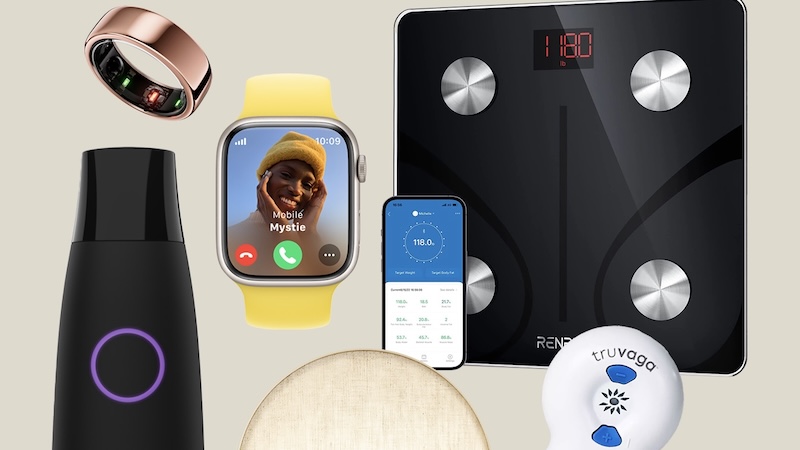
The Claim Ladder Runs in Three Steps
The line falls between describing a feeling and promising a result, and soft-sounding words fall on both sides of it. Relaxing and soothing say how something feels. Warming, easier breathing, and relieves soreness sound just as mild, yet each promises a result you can be asked to prove.
The middle tier is measurable performance, and every figure needs backing before it goes on the box. Removes 99% of particles, warms to 45 degrees, measures body fat to within two points. How much backing depends on the claim.
A supplier’s own runtime or noise reading may cover a simple figure; anything touching health needs independent evidence. A number does not by itself keep you in this tier. Cutting illness risk by a stated percentage is still a health promise.
Health claims sit at the top and can change the product’s status entirely. Treats, heals, relieves pain, improves circulation, kills viruses. Depending on the market and how your wider marketing reads, this can put the product in a different class with its own approval route. Check it before you commit to artwork.
Pinning down which tier your wording lands in, before the artwork goes to print, is one of the first checks in beauty and healthcare sourcing.
Decide what you want to say first, then buy the product that supports it. That reverses how most consumer goods sourcing starts. Work the usual way round and you end up with stock you cannot describe the way you meant to sell it.
Massager Guns and Heat Pads
Motor life and heat control are what customers actually feel. Ask what the motor is rated for in running hours and how that was established. Then ask what stops a heat pad exceeding its stated temperature when left on.
Battery behavior decides the review score on a massage gun. Runtime at real speed settings, charge cycles before capacity drops, and behavior as it runs down are all specifiable and rarely volunteered. Those cells also travel with their own paperwork, which lithium-ion batteries from China sets out in full.
Stroke depth and the force it takes to stall the head are marketing numbers until someone measures them. Ask how the figure was obtained, and whether it holds when the head is pressed against something rather than spinning in the air.
A well-built massager can still carry a claim you cannot support. Engineering and wording fail independently, and fixing one does nothing for the other.
Body Composition Scales
A scale is judged on whether it says the same thing twice. Step on, step off, step on again. A drift of a few hundred grams between readings generates returns however good the app looks.
Test that it repeats across different people, not just on repeated attempts. Hold the conditions constant, bare feet on a hard level floor as the instructions require, then vary the weight and foot size. That is where calibration problems surface.
Body fat and muscle readings are claims, not features. You never have to explain the method in your listing. You do need the supplier to show what those readings were checked against before you print percentages.
App connection is where the batch variation shows. Pairing, data sync, and app updates are all worth testing on production units rather than on the engineering sample. A documented sample order process is what gives you an approved unit to measure the batch against.
Air Purifiers
Filter grade and room size are the two numbers buyers compare. Ask which standard the filter material meets and what room area the stated performance assumes. Standardized chamber testing is how that figure is meant to be produced. What you check is the method, the pollutant tested, and the air changes assumed behind the room size.
Clean air delivery rate is the number worth having tested. It combines airflow and filtration into one comparable figure, and product testing in China is what turns it into a number a marketplace will accept. Check that any report covers the exact model you are buying rather than a similar one.
Buyers return a purifier for how loud it is on high, not on low. Ask for measurements at every speed and check them on a production unit, because bedroom use is where this product lives or dies.
Germ-killing sits in a different regime from filtration. Removing particles is a performance statement. Killing viruses or bacteria can bring it under rules written for antimicrobial goods, so confirm where you stand before the artwork is printed.
Filter supply is the business model. Agree how long replacements stay available, at what price, and at what minimum. A purifier whose filters disappear turns every repeat buyer into a complaint you cannot answer.
Humidifiers
Output rate and tank life are the specification customers judge. Ask for output per hour at a stated setting and check it against the tank size. A big tank with a high output still needs refilling nightly.
Leaks are one of the most common complaints in this product. Test normal filling, seating the tank, standing for several days, being carried, and tilting within whatever range the manual allows. Testing outside that range proves nothing except that the product was misused.
Cleaning access decides the second-year review score. A tank that cannot be reached and dried grows deposits, and buyers blame the brand rather than their own maintenance.
Antibacterial treatments and air-cleaning wording both raise the bar. Either one moves the conversation from appliance performance into territory that needs evidence and, in some markets, its own approval.
What All Four Share
Every one of these is an electrical appliance before it is a wellness product. Plug type, certification, and battery documents apply as they do to any powered device. Electrical product compliance covers how the marks work by destination.
Rechargeable models bring shipping paperwork with them. Transport test documents and packing rules travel with the cells, and the forwarder will ask for both before the goods move.
Any figure you print needs a report that covers your version. A stated number only becomes defensible once a laboratory has stood behind that exact build. The report can name the model or list a range that includes it.
Check the Batch, Not the Prototype
These products vary more between units than buyers expect. Scale readings, purifier noise, humidifier output, and battery life all drift across a run in ways the unit sitting on your desk never shows.
Three separate jobs sit here, and buyers routinely expect one of them to cover all of it. A laboratory produces the performance data underneath a claim. Using the wording is a separate question that turns on your market, the intended use, and how the rest of your marketing reads.
An inspector confirms what can be seen, opened, or traced. A pre-shipment inspection covers the run rather than the sample. Model, labels, packing, and basic function are straightforward. A sensor, motor, battery, or filter sealed inside the housing needs units opened or component records pulled, so write that into the inspection scope.
An audit tells you the process is controlled, not that the numbers are true. A supplier quality audit shows how the plant runs its checks and records. It cannot stand in for laboratory data or prove a claim.
FAQ
Q1: Who is responsible for a claim, me or the factory?
You have to be able to support any claim you use, since it appears under your brand on your listing. Depending where you sell, the manufacturer, importer, or distributor may carry duties too, but the factory supplying evidence never moves the burden off you.
Q2: The factory says the product is certified. What does that actually cover?
Ask which standard, what model, and what market, then look up the scope in the issuing body’s listing. It may cover electrical safety, interference, wireless, or energy use. None of those says anything about whether a health claim is true.
Q3: The test report is in the factory’s name. Can I still use it?
Sometimes, but usage depends on the contract, on who applied for the report, and on the laboratory’s own terms. Settle that in writing before you rely on a document somebody else commissioned.
Q4: How should I handle wording across several markets?
Write the strongest claim you want, then check it in each destination. The same sentence can be routine in one place and regulated in the next. Running separate versions is normal, but each needs its own artwork, manual, and evidence file.
Q5: Does packaging wording matter as much as the listing?
Both count, and buyers often police the listing while forgetting the box, the manual, and the app screens. Whatever is printed travels with the goods, so it is the harder one to correct after a run.
Q6: How do I stop a component change breaking a figure I have published?
Write into the order that no part affecting a stated measurement changes without your approval, naming the sensor, the motor, and the filter material. A different component can shift readings enough to make your printed tolerance wrong.
Q7: A competitor is making a stronger claim than I can support. What now?
Compete on something you can evidence rather than matching the wording, since an unsupported claim is a liability that arrives later. Competitors making claims they cannot back are a reporting opportunity, not a benchmark.
Q8: What is realistic on returns for this category?
Higher than for simple goods, because performance is judged against expectations you set in the listing. The cheapest way down is a claim the product comfortably beats rather than one it only just meets.
Conclusion
Buyers get into trouble in this category by choosing the product first and writing the marketing later. Comfort, performance, and health claims each carry their own burden of proof. The sentence you plan to print decides the product, the tests, and the paperwork you need.
Wording a claim you can support, finding the evidence behind it, and checking finished units against the approved sample are hard to run from an inbox. You settle the wording and our beauty and healthcare sourcing team proves it, on the ground, before anything ships.