
Lithium-Ion Battery Imports: Rules, Risks, and Shipping
With lithium-ion batteries, the paperwork matters as much as the price. A supplier who cannot hand over the right safety and shipping documents can leave your cargo stuck at the airport. The batteries may be cheap, but one missing document or the wrong charge level can turn a normal shipment into a rejected one.
| Check | What to Confirm | Why It Matters |
|---|---|---|
| Shipping category | Alone, with, or in device | Sets the rules |
| Safety test (UN38.3) | Summary matches the design | Needed to ship |
| Charge level | Often 30% max by air | Airlines can refuse |
| HS code | The correct one | Sets your duty |
| Market rules | US and EU differ | Lets you sell |
Each row is cheap to confirm before you order and expensive to fix once the cargo is booked.
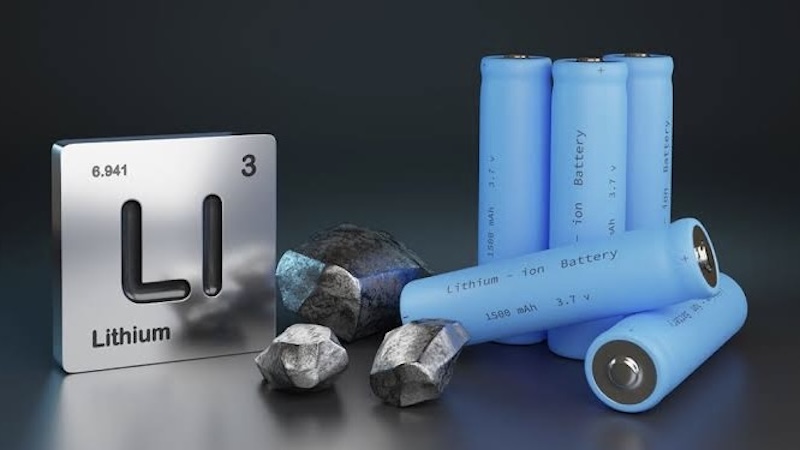
Start with How the Battery Ships, Not the Price
The biggest mistake importers make is chasing the lowest price before they know how the battery will actually ship. How it travels changes your packaging, labeling, and paperwork. That depends on one simple thing: whether the battery goes on its own, packed beside a device, or already built into one.
Pin down the basics in writing first: the kind of battery, its capacity in watt-hours, and whether it ships loose or inside a product. These few facts decide which rules apply, and a factory that is slow to answer them now will be slow on the harder questions later.
That slowness is itself the first data point, and confirming a factory can actually answer for its own cells is what supplier verification settles before you price anything.
Get this wrong and the rest falls over. A battery’s shipping category drives its charge limit, its packing, and the documents a carrier will demand. Sort it before you compare quotes, not after your cargo is booked. It is the one rule that separates batteries from the rest of the energy and electrical products most importers buy.
Which Shipping Category Are You In?
Transport rules sort lithium batteries by how they travel, not by how they look, and this is the single most important thing to get right. The category sets your charge limit, packing, and labels, so confirm it before you order.
| Category | What It Covers | Common Example |
|---|---|---|
| UN3480 | Batteries shipped alone | A box of spare packs |
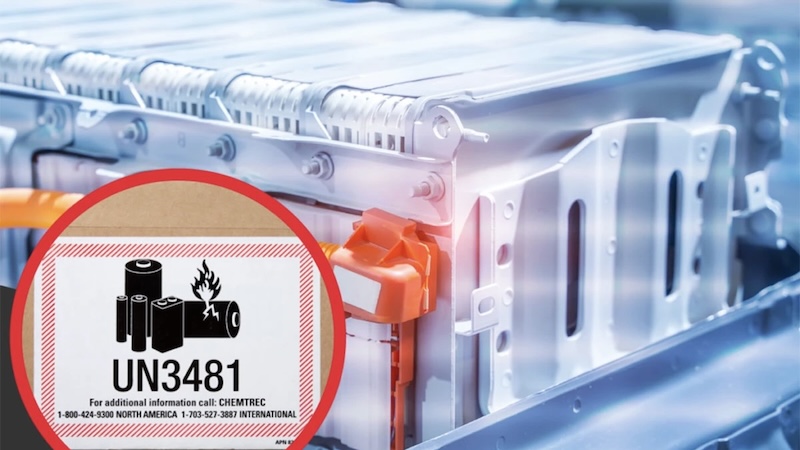
| UN3481, with device | Battery beside its device | Drill plus loose battery |
| UN3481, in device | Battery inside the product | Battery sealed in a lamp |
A battery pack shipped on its own still counts as shipped alone, so a loose cell and a battery pack are not separate categories.
Charge limits then follow the category. Shipped alone, lithium-ion batteries must sit at 30% charge or less for air. Packed with a device, the same 30% limit applies from 2026, or an indicated reading of 25% or less. Built into a device, the rules differ again, so do not assume the single 30% figure covers every case.
Batteries shipped on their own cannot fly in a passenger plane’s hold. They travel on cargo aircraft only, which limits your route choices and can push up the freight cost.
One more question decides whether a shipment even moves: will the carrier or forwarder accept it? Ask before you place the order, since some couriers refuse certain battery types or charge levels, and finding out after production is an expensive surprise.
The packing rules, transport marks, dangerous goods declaration, and carrier booking sit with your forwarder, and the wider picture of shipping from China is where the freight side fits together.
The Test Summary That Lets It Ship
Every commercial cell or battery type offered for transport has to pass a safety test called UN38.3. What forwarders, carriers, and regulators may ask to see is the summary of that test rather than the full lab report, and it has to match the battery’s design, capacity, and layout.
That design does not always carry the same model number as your finished retail product, so check the details line up rather than trusting the name. A summary for a similar cell or a different pack is not proof, and reviewers do check. Ask for it while you are still testing samples, and run independent product testing in China before you pay a deposit.
A factory audit cannot prove a test summary is genuine, since it only checks the plant, its capacity, and its record-keeping. To confirm a report is real, verify it with the testing lab or the body that issued it. Pairing that check with a proper supplier quality audit tells you both that the supplier is capable and that the paperwork holds up.
Selling It: US and EU Rules Differ
Passing the transport test lets a battery travel, but selling it in your market is a separate hurdle with different rules on each side of the Atlantic. Treat the US and the EU as two checklists, not one.
For the EU, the battery itself needs a conformity check and the CE mark under the EU battery regulation. A product that contains it may need CE under other rules that fit that product. Labeling is widening too, and from February 18, 2027 a digital battery passport applies to electric-vehicle, light means of transport, and industrial batteries above 2 kWh.
This belongs to the wider question of electrical product compliance, so confirm what applies to your exact product before you lock the specification.
For the US, there is no single stamp that clears every battery, so the requirement depends on the product and where you sell it. A safety mark like UL is not a blanket legal import rule, but many US retailers and online marketplaces demand it before they will list a battery item.
Ask your buyers and platforms what they need early, because adding a certification after production is slow and costly.
What the Shipment Will Really Cost
The price per battery is the small part. The gap between the quote and the final cost at your door is where profit quietly leaks away. Your import duty depends on getting the classification right, since the code the factory uses is not automatically the one your customs authority will accept.
Standalone lithium-ion batteries usually fall under HS 8507.60, but a battery built into a finished product often takes the product’s own code, so do not apply 8507.60 by reflex.
Confirm the code and the duty with a customs broker before you order, because a misfiled code can cost you more than the whole battery discount you negotiated. A broker prices the shipment against current HS code rules rather than last year’s rate. Work it out early against a real US tariffs on Chinese imports figure instead of the supplier’s hopeful number.
Then add the costs the quote leaves out: shipping paperwork, compliant dangerous-goods packing, testing, customs clearance, and insurance. Build a simple line-by-line cost sheet before the big order, so nothing surprises you at the end.
FAQ
Q1: Is there a minimum order for lithium batteries?
Most Chinese factories set a minimum that rises with more complex or custom packs, so a custom battery costs much more per unit in small numbers. Ask for the minimum order and the price breaks before you build a product around one battery.
Q2: How far ahead should I plan a lithium battery order?
Allow more time than for a regular product, because testing, compliant packing, and stricter shipping rules all add steps before the goods can leave. Get quotes and confirm the documents early, so a rush does not push you into pricier air freight.
Q3: Do smaller batteries face lighter shipping rules?
Cells up to 20 Wh and batteries up to 100 Wh may qualify for less restrictive provisions, depending on configuration, quantity, and transport mode. Even then they generally still need a test summary, though some small button cells fixed inside a device are excepted, so confirm the watt-hour rating and what it triggers.
Q4: What quality problems are common with cheap battery packs?
Watch for cells that fall short of the rated capacity, weak protection circuits, and mixed or recycled cells hidden inside the pack. A capacity and function test flags the first two, but spotting reused cells means opening several packs, and any test only speaks for the units checked.
Q5: Can faulty batteries be sent back to China?
Damaged or faulty batteries are usually banned from normal air shipping for safety, and sending them back or for recycling needs extra approval. Plan for this upfront, because a bad batch can be hard and costly to move.
Q6: What labels does a battery shipment need?
There are two separate sets. Transport marks and hazard labels follow the shipping rules and go on the outer packaging. Product and safety labels for buyers follow the destination market’s rules, and different people check each one.
Q7: How should I store the batteries once they arrive?
Keep them part-charged in a cool, dry, airy space away from heat and damp, since a full charge and high heat raise the fire risk in storage. Many warehouses also cap how many batteries they will hold, so check before you pick one.
Q8: What if my shipment gets rejected before it leaves China?
You usually pay to repack or re-test, cover storage, and wait out a delay while the papers are fixed. Prevention is far cheaper: make sure the category, documents, charge level, and packing meet the carrier’s rules before the cargo leaves the factory.
Conclusion
The importers who stay out of trouble with lithium batteries treat the documents as part of the product, not an afterthought once the price is set. The shipment that clears on time is rarely the cheapest one. It is the one whose category, safety test, and market rules were settled before any deposit was paid.
A test report belongs to a cell, not to a company, and the factory holding it may not be the one making yours. We trace the cell, the report, and the plant behind both, through supplier verification, because in this category the wrong document does not delay a shipment but strands one.