Pre-Shipment Inspection in China: Check Before You Pay
A pre-shipment inspection is the last point where a defect is cheap for you to raise and expensive for the factory to leave alone. The goods are finished, the balance has not moved, and you will not hold a stronger position at any other point in the order.
| The Moment | Where You Stand |
|---|---|
| Deposit paid, in production | Too early for this check |
| Goods finished, balance unpaid | Your one moment of leverage |
| Balance paid, goods shipped | Leverage gone |
| Defects found after arrival | Recovery gets much harder |
Everything about the timing is built around the second row.
Why the Timing Decides Everything
Once the final payment clears, a fault becomes a request the factory can ignore. That is why the release conditions belong in the purchase order before production: a passing report on the agreed scope, the compliance documents in hand, and every finding from earlier visits closed.
A good sample proves the factory can build one, not that it built 2,000. The sample came from senior staff with time to spare, while the run came weeks later from different hands under deadline pressure. The inspection is where a sample of the run gets measured against the unit you approved, before a bad batch turns into returns, storage, and disposal that cost more than the goods.
This visit is the last check in a plan, not the only one. How many checks an order earns and where they sit is the wider quality control in China decision, and an earlier visit in the run catches faults while most of the order is still unbuilt.
Booking it before the balance is released keeps the payment lever attached to the findings, which is the practical difference quality inspection makes to an order.
What the Inspector Actually Checks
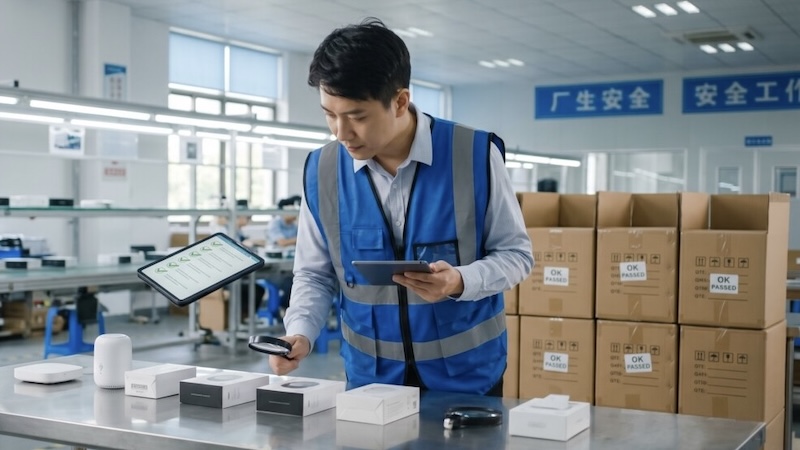
The visit is normally booked when production is 80% to 100% complete and most of the goods are packed. The inspector spends that day working through the things that turn into returns.
Quantity and packaging come first: the right number of units, in the right cartons, with correct labels, barcodes, and any market warnings. Function and appearance follow, meaning the product works and matches your approved sample on color, finish, size, and feel. What then happens to those cartons at the container doors is a separate job for a container loading inspection.
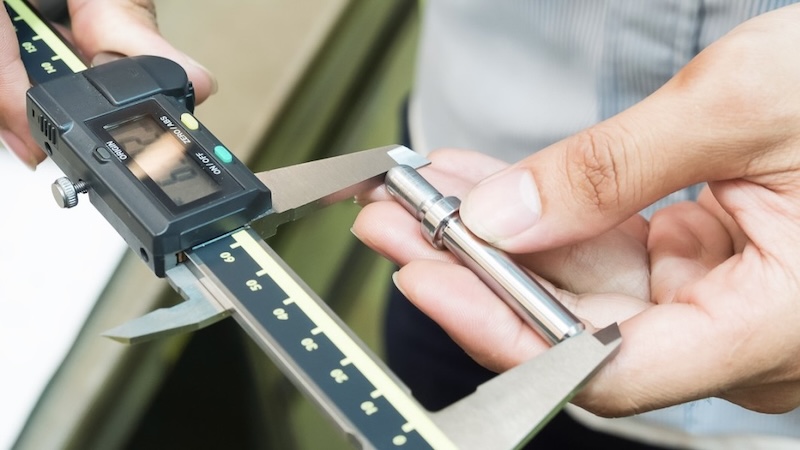
Then come your own written requirements, from material grade to logo placement, checked against the specification rather than against habit. Any on-site tests you agreed when booking, such as drop, weight, or basic function checks, are run at the same visit.
What a single visit cannot do is issue a laboratory verdict. An inspector confirms that a component carries the marking you specified, while a formal material or safety claim needs product testing in China in a lab. That is a separate booking with its own cost.
How Pass or Fail Gets Decided
Nobody checks every unit, so the result comes from a sample and a set of limits you should agree in advance. The standard plan is AQL sampling, which fixes how many units get pulled for your order size and how many finds in that sample tip the batch from accept to reject.
Faults are sorted into three levels, and the middle one is where the argument happens. Critical covers anything unsafe or illegal to sell, which is where a missing safety warning or a wrong legal marking belongs. Major covers what a customer sends back, minor covers the rest, and a visible appearance fault can sit in either.
A label error follows the same test rather than a fixed grade. An address that breaks the required manufacturer or importer details is critical, while the same typo is cosmetic when the responsible party stays identifiable and contactable.
The three words settle nothing on their own. Grade your own defects by name, against your product and your market, and put that list in the checklist rather than leaving an inspector to sort them on the day.
An inspector also needs the approved sample in hand and a written inspection checklist to measure against, and the earlier those are locked, the less room there is to argue about what counts as acceptable.
Reading the Report and Deciding
The report is not the end of the process but the point where you make a commercial decision. A pass says the sample met the limits you set on the points that were checked, so treat it as one input to the payment decision rather than the decision itself.
A fail arrives while you still hold the money, which is why the inspection date belongs in the production schedule rather than in the shipping plan, and why what releases your money is worth settling long before the report lands.
A failed report opens several routes. Rework and a re-check before the balance goes out, full sorting or partial rework on the affected range, replacement of the shortfall, a discount when the fault is cosmetic and the goods still sell, or rejection.
What you can actually insist on depends on your contract and its acceptance terms, and working out which route fits is covered in what to do after a failed inspection.
Who Runs It, and Why It Matters
The value of the check comes from the inspector having no stake in the batch passing. A factory inspecting its own work and calling it independent is not an inspection but a status update.
Choosing the provider is a separate decision from booking the check. Global testing groups, independent Chinese firms, and sourcing agents’ in-house teams all run pre-shipment work, at prices and levels of independence that vary widely. Choosing among inspection companies in China is its own job.
FAQ
Q1: Do I need an inspection on a first order from a new factory?
Usually yes, because a first order is when you know least about how the factory behaves under deadline. Later orders can earn a lighter plan; the first one has no record to lean on.
Q2: What does it mean when a supplier resists an inspection?
Treat it as information. A confident factory expects buyers to check finished goods, so persistent resistance before a first shipment is a reason to slow down before the balance moves.
Q3: What do I give the inspector before the visit?
The written specification, the approved sample itself, packaging and labeling details, the quantity, and any tests you want run. Photographs cannot settle color, feel, material, or a tolerance, so when no sample can reach the factory, send measurable limits instead.
Q4: Does the inspector have to open cartons that are already packed?
Yes, and that is normal. Sampled cartons get opened and resealed, so build a little time and some spare packing material into the plan rather than treating a sealed pallet as finished.
Q5: Should I let the factory fix faults while the inspector is still there?
Usually yes for something quick like a missing insert or a crooked label, as long as the inspector re-samples the affected range rather than only the pieces the factory handed back. Refuse when the fix is a rebuild, because a rushed repair under the inspector’s eye tells you nothing about the units already packed.
Q6: What should I do when the batch passed but the photos look wrong to me?
Say so before you release the balance, since the report is a record and not a verdict you are bound by. Point at the specific photograph and the clause in your standard it breaches, which only works if that standard was written down before the visit.
Q7: What happens to my schedule if the batch fails?
Sending a batch back and checking it again adds days, so the buffer belongs in the plan before you need it. A failure caught here costs days; the same one caught after arrival costs weeks and far more money.
Q8: Does each batch need its own inspection when an order ships in two?
If the batches are produced separately, yes, since the second run has its own materials, shift, and pressure. One visit covers both only when they come off the same run, the sample is pulled from both lots, and nothing about the packing, storage, labeling, or loading changes in between.
Conclusion
A thorough inspection is worth most when it lands before the money does. The same findings a week later are a document you file rather than a position you can negotiate from, and the goods are already on the water while you decide what to do about them.
Release the balance only when the passing report, the order terms, the market paperwork, and a clean list of open findings all line up. We schedule the visit, apply your written standard, and chase the corrections through quality inspection, so a fail is something you can act on rather than argue about.