
EV Chargers from China: What Importers Must Verify
Check that the charger fits your market and your site before you compare prices. A cheap unit with the wrong plug, a missing approval, or locked software is useless once it lands. Chargers are built in volume across China, so your risk is rarely finding stock. It is buying the wrong one from a supplier who cannot back up its claims.
| Check First | What to Confirm | Why It Matters |
|---|---|---|
| Charger type | AC or DC, power level | Fits site and vehicles |
| Plug type | Matches destination market | Vehicles can connect |
| Approvals | Right mark, exact model | Meets market rules |
| Software | Open standard, backend access | Avoids being locked in |
| Supplier | Real factory, not trader | Quality and support |
Get these five right and the price comparison finally means something.
Start with the Charger Type and the Site
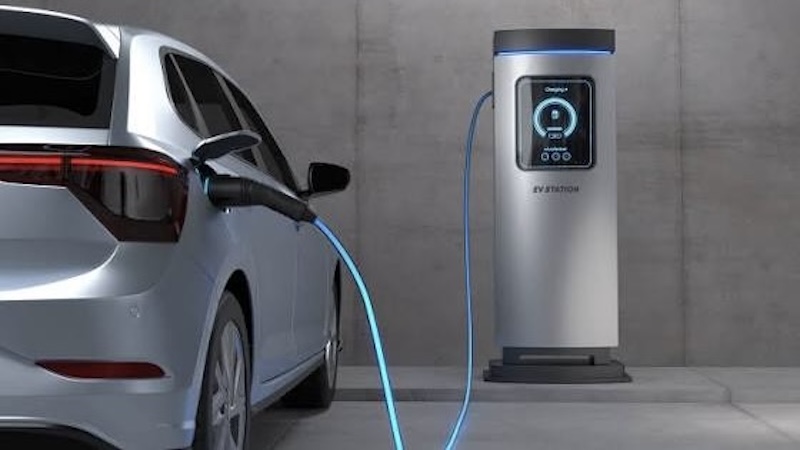
The first question is not the brand but whether you need a slower AC charger or a fast DC one, and at what power. AC units are cheaper and simpler and suit homes, workplaces, and places where cars sit for hours. DC fast chargers cost far more and need a heavy power supply, so they only pay off where quick charging matters.
Match the power to the site and the vehicles, not to the biggest number on the sheet. A high-output unit is wasted if the building cannot feed it or the drivers never need that speed. Ask for the exact input and output ratings and any limits that bite in a real install.
Whether a factory can hold those ratings in production, rather than in a datasheet, is what a factory audit answers.
Where the charger will live matters as much as its power. An outdoor curbside post and a sheltered garage unit are different products. Confirm the weather rating, mounting, and cable length fit the site before you shortlist on price.
Match the Plug and Approvals to the Market
A charger is only useful if local cars can plug in, so the plug has to match the destination market, not the Chinese one. Plugs vary by region, by AC versus DC, and even within one market as North America shifts between standards, so do not assume a single export plug.
Check the exact connector against the vehicles you will serve and the charging type, and make sure you are not shipped China’s domestic plug by default. Then confirm two more things: how the car and charger talk to each other, and the software link to your platform, covered below.
Safety approvals are the second gate, and they have to cover your exact model. In the United States, AC and DC chargers are listed to different UL standards, UL 2594 and UL 2202. The EU route is the CE mark, which the maker applies on the strength of its own conformity assessment rather than a laboratory listing.
Approval is necessary but not the whole story, since local electrical codes, site power, and an inspector still decide the final install. The wider set of marks belongs to electrical product compliance, and the market-first order of checks applies across energy and electrical products before any specification gets locked.
Two mistakes catch importers here. A certificate on a brochure means nothing unless the model, housing, and power rating on it match your order. For a US listing, check the file number and model against the certifier’s own directory. For the EU, the maker should hand over a signed declaration of conformity, since there is no single CE lab to call.
US emissions rules can apply even to a charger with no wireless function, because its electronics still radiate, and Wi-Fi or cellular adds more on top. Confirm what your exact model needs.
The Software Decides Your Long-Term Cost
Software catches buyers more often than hardware does, and it is the easiest thing to overlook on a spec sheet. OCPP is the open standard that lets a charger talk to different management platforms. A charger can be fully approved for safety and still lock you onto one company’s software if it does not support it.
Confirm the exact software version, not just that the charger “supports OCPP,” and that it has actually run with the platform you plan to use. Remote monitoring, driver sign-in, load sharing, and fault alerts all travel over that link, and some sit behind extra fees.
A conformance certificate covers only a specific version and feature set, not long-term reliability or a link to every platform. Ask what is included now, what costs more, and whether the supplier can show a working connection before you commit.
Being tied to one closed platform is the risk buyers notice too late. Confirm you can reach and export your own charging data. Check that moving to another platform later is possible, not blocked by design.
Factory or Trader? Vet Who You Are Buying From
Many suppliers that look polished online are traders reselling other factories’ units, which weakens your control over quality and support. A real factory can explain how long it has built AC or DC chargers, how it handles defects, and what it tests before shipping. A reseller usually cannot, and that gap surfaces later as slow warranty claims and uneven batches.
Ask for proof, not promises: production-line video, a quality routine, and a track record with the charger you want. Vague answers on testing, warranty, or who owns the factory are a warning sign, as is pressure to pay before you have checked samples and company records. Learning how to find Chinese suppliers that build in-house rather than resell makes the maker-versus-middleman call easier.
Back the paperwork with an independent look at the plant and the product. A supplier quality audit shows whether the factory has the lines and process control to build to spec. Product testing in China on samples checks that the units function before a full order ships. Both cost far less than a container of chargers you cannot install or sell.
What It Really Costs to Land and Run
The unit price is the smallest part of the decision, and the number that matters is the full landed and running cost. Ask for clear shipping terms, carton and pallet sizes, and who carries the risk in transit, then add duty, brokerage, and inland delivery. A real figure for customs clearance costs turns similar-looking quotes into a fair comparison. A clear view of shipping from China does the rest.
Minimum order quantities can strain your cash flow more than the discount suggests. A lower per-unit price often needs a bigger first order that ties up money and warehouse space. Ask where the price breaks start and whether spares can go into the same order.
Then weigh what it costs to own, not just to buy. Software updates, spare-parts supply, and how warranty claims are handled decide whether a cheap unit stays cheap. One that fails and sits waiting on parts and shipping is the most expensive on the list.
FAQ
Q1: Should the cable be built into the charger or plug in separately?
A built-in cable is easier for the driver but locks you into one connector and one length, and a damaged cable can mean replacing the whole unit. A socket-only version lets one model serve different vehicles and keeps the cable a cheap, separate item, so settle this early because it changes your spare-parts plan.
Q2: Should I get a sample before placing a bulk order?
Yes, since a sample lets you test the real load, output, and plug fit that a datasheet only claims. A sealing or weather rating needs proper lab testing to confirm, so treat that as a separate check. A supplier who resists sending a sample is a warning sign.
Q3: How future-proof is a charger I buy today?
Ask first whether the software can be updated at all, who controls it, whether updates cost extra, and how long they last. Not every charger is truly upgradeable. The connector is different, because a different plug changes the safety testing and approvals, so confirm the hardware already covers the standard your market is moving to.
Q4: What spare parts should I ship with the first order?
Cables, connectors, and the display or control board, because those are what fail first and what a customer notices. Agree the spare part prices in the same order, since a separate small order later costs more in freight than in parts.
Q5: Can several chargers share one electrical supply?
Only if the units support load management, which lets a group draw from a shared limit instead of each demanding full power. Ask for it by name before you order, because retrofitting it usually means replacing the hardware rather than updating it.
Q6: How do warranty claims work when the factory is overseas?
Ask upfront who pays return shipping, how fast replacements arrive, and whether spare parts are held locally or shipped from China each time. A warranty that needs slow international returns for every fault can cost more in downtime than it saves.
Q7: Does the supplier help with installation?
Most supply the hardware and documentation but leave the wiring to a local licensed electrician, which is normal for this product. Confirm you receive clear manuals and wiring diagrams, and that technical questions get answered after delivery.
Q8: How do I know the product still matches its certificate a year later?
Ask for written change control on the enclosure, the internal power components, and the firmware, then re-test when any of them changes. A certificate describes the unit that went to the lab, not every unit built afterwards.
Conclusion
The importers who do well with EV chargers put their effort into checking fit and supplier before they argue about price. Almost every later problem starts with a check that was skipped. A charger that installs cleanly, works with local cars and your software, and holds up outdoors is worth far more than the lowest number on a quote sheet.
An EV charger that fails is not a return but a call-out to somebody’s driveway and a claim about a live electrical connection. We walk the plant and check what it can actually build, through a factory audit, before your name goes on a product that gets wired into a wall.