
Solar Panels from China: How to Pick the Right Factory
The factories topping every “biggest manufacturer” list are the wrong place for most importers to start. Everything about them, from order size to packaging to whose brand goes on the panel, is built around projects. Small and mid-size buyers need a consumer panel factory that takes their order size, proves the output, and answers an email after the money has moved.
| What You Sell | Supplier Type | Main Risk |
|---|---|---|
| Portable and camping panels | Mid-size panel factory | Overstated wattage |
| Panels for power stations | Consumer solar factory | Weak cell quality |
| Folding and flexible panels | Specialist panel maker | Peeling layers, weak build |
| Home and balcony panels | Established module maker | Thin warranty support |
Solar is not one product, and buying it as though it were is the mistake that costs the most.
Match the Product to the Right Kind of Factory
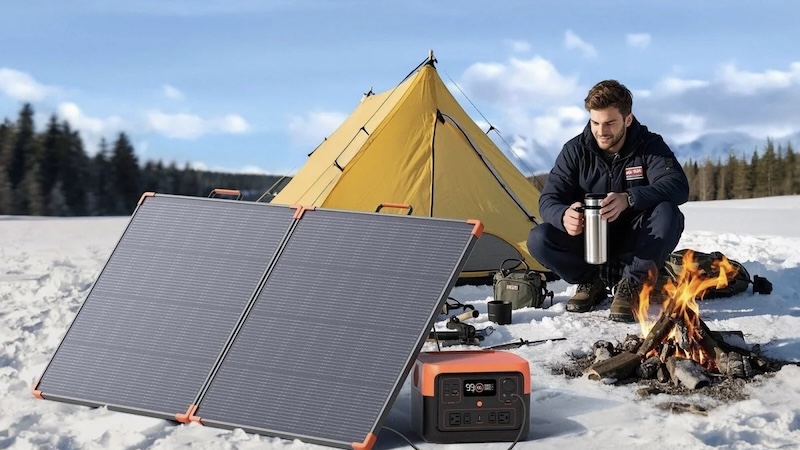
Panels for camping, for a balcony, and for a power station rarely come from the same supplier. The famous names can build residential products perfectly well. Their business model runs on container volumes, standard packaging, and their own brand, which is what makes them a poor fit for a few hundred pieces in your carton design.
The factory you want makes finished consumer panels. Mid-size makers of portable, folding, flexible, and small home panels accept shorter runs and customize packaging. They also understand buyers selling to individuals rather than to installers.
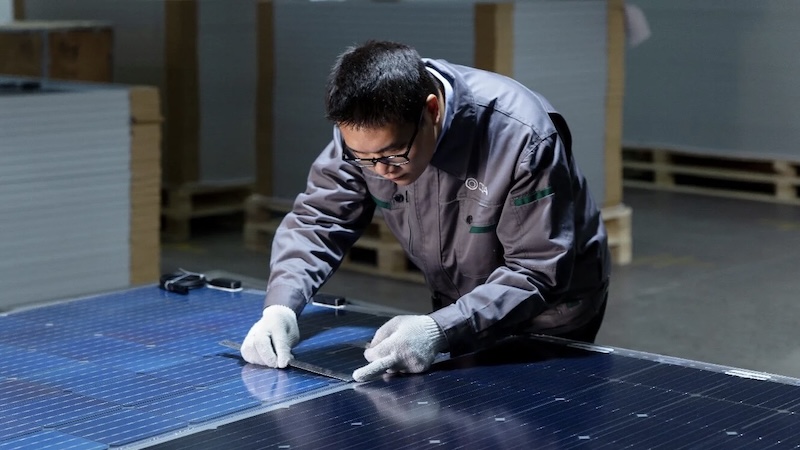
Confirm the seller actually manufactures. Solar attracts traders because the products photograph well and the specifications are hard to check. A supplier quality audit tells you whether a line sits behind the quotation.
The same problem runs through the whole category. Anything in energy and electrical products is easy to photograph and hard to verify, which is why the seller’s identity matters more here than in most categories.
Separating the mid-size makers from the resellers in front of them is what supplier sourcing does first.
How to Screen a Panel Factory
Most of the decision is made before a sample is ever sent. Six questions separate a factory that can serve a small importer from one that will disappoint you at the second order.
| What to Check | What Good Looks Like |
|---|---|
| Main product type | Builds your panel type daily |
| Certificate coverage | Holder, model, standard, site |
| Production line | Key processes done in house |
| Cell and parts control | Names cell brand, grade |
| Minimums and branding | Takes your size, your packaging |
| After-sales terms | Named person, written process |
The two that matter most are certificate coverage and the cell source. A certificate does not have to sit in the factory’s name, since a brand can hold one covering a supplier’s production. Check who holds it or is authorized under it, and that your exact model and the right standard are covered.
Confirming that the site building your goods sits inside the scheme often takes a directory lookup rather than one document. A supplier who will not name the cell brand and grade is choosing it on price every time you reorder.
The Wattage Gap That Kills Listings
Two different things get called overstated wattage, and only one of them is the supplier’s fault. The rating on the label comes from a laboratory test at full sunlight intensity and a set cell temperature. A good panel producing less in real daylight is behaving normally, not lying.
The problem worth chasing is a rating that was never true in the first place. Ask for the factory’s own output measurement for the panels you are buying, the current and voltage curve behind it, and the tolerance band the rating allows. Then have a sample measured under the same conditions rather than against a sunny afternoon.
Know what a sample can and cannot prove. Independent product testing in China on the units you were sent settles output, connectors, build quality, and basic function. For a first shipment that check is worth many times what it costs.
Durability is a different question, partly answered by design-qualification reports. Peeling layers, sealing failures, and weather resistance are assessed through sequences of heat, humidity, and load testing rather than by anything visible on one sample. Those reports show a design survived the test sequence, which is not a guarantee of service life. Some folding and tent-style panels fall outside their scope entirely.
Warranty Is a Support Question, Not a Number
A ten-year promise from a supplier who stops answering is worth nothing. Consumer solar generates warranty claims, and how a factory handles the first one tells you more than the length written on the specification sheet.
| Ask Before Ordering | Why It Matters |
|---|---|
| Who pays for replacements | Decides who absorbs defects |
| How fast they respond | Slow support costs reviews |
| Is it in writing | Verbal promises fail later |
| Any buyer references | Track record beats claims |
Put the terms in the order, not in a chat message. Replacement rates, who ships them, and the window for reporting a defect all belong in writing before the deposit. A warranty argued after arrival is a negotiation, not a right.
Certification Decides Whether You Can Sell
Every market has its own requirements, and a certificate from the wrong one is worse than none. Panels sold in Europe and the United States need different evidence, and a small portable panel is treated differently from anything wired into a building.
Verify the certificate rather than filing it. Numbers can be checked in the issuing body’s own database, and borrowed or expired documents are common enough that this step pays for itself. The framework for what each market expects sits in the guide to electrical product compliance.
Marketplaces run their own layer. Platform documentation requirements are separate from the law and get enforced faster, which the Amazon compliance check covers for sellers listing before the paperwork is confirmed.
Freight Changes the Economics
Solar products are bulky, heavy, and fragile, which is a hard combination to ship cheaply. A pallet of rigid panels fills space long before it hits a weight limit, and glass-fronted panels need packing that survives handling at both ends.
Work out the volume before comparing quotes. Running the numbers on CBM for ocean freight shows what a container really holds, and whether a supplier’s packing is costing you on every unit.
Check the goods before they leave. An inspection checklist covering output, connectors, labeling, and packing turns the final payment into a decision rather than a formality.
A Process That Catches Problems Early
Four steps handle most of the risk on a first solar order. Confirm the supplier builds your exact product type, test a sample for real output and build quality, agree the commercial terms in writing, and inspect before releasing the balance. Skipping any one of them moves the discovery to the customer, which is the only place it costs more than it did here.
The step buyers skip is the sample, and it is the one that pays. Mismatched connectors, a folding panel that fails after ten cycles, and output below the label all surface on one unit before they surface on a thousand.
When the Big Names Do Make Sense
The biggest panel makers are the right answer for a different buyer. Installations that need financing, long project warranties, and full certification packages are exactly what those factories are set up to deliver.
Move up when the order justifies it, not when the brochure impresses you. Volume, installation type, and financing requirements are what make a large manufacturer worth approaching. Below that, their minimums and packaging rules price you out.
FAQ
Q1: Which solar products suit a first-time importer?
Small portable and folding panels, since order sizes are manageable, freight is simpler, and demand from camping and vehicle buyers is steady. Home and balcony panels bring heavier freight and more certification work.
Q2: Are cheap Chinese panels always poor quality?
No, and the same market produces both. Price becomes a warning when it hides weak cells, thin sealing layers, or a rating nobody can evidence. A tested sample catches the output and build problems, while sealing and weather performance belong to the standard test reports.
Q3: Does the cell type matter, or is the wattage enough to specify?
Most consumer panels now use monocrystalline cells, so the useful thing to pin down is who made the cells and at what grade rather than the technology name. Full-grade cells against downgraded ones is where two panels carrying the same wattage quietly diverge.
Q4: Which connector type should I specify?
Name it in the order rather than leaving it to the factory, since a connector that does not match your product or your market creates returns you cannot fix. Ask what the factory fits as standard before assuming it matches your listing.
Q5: How long does a solar order take?
Stock products often ship within weeks of payment, while custom models, connectors, or packaging can run to two or three months. Order well ahead of your selling season rather than into it.
Q6: How should I store panels before they sell?
Rigid glass panels stay in their original packaging, stacked the way the maker specifies, since the wrong orientation can bend frames and crack cells invisibly. Folding and flexible panels store loosely rather than compressed, and both keep better dry, off the floor, and rotated.
Q7: What happens if a batch underperforms after it arrives?
Your position depends on what you agreed and what you can prove, which means the written specification, the test data, and the inspection report. Without those, a performance complaint becomes an opinion.
Q8: Should I order several models at once to test the market?
Usually not on a first order, since each model carries its own minimum, packaging, and certification work. Prove one product before spreading a single demand guess across three.
Conclusion
Sourcing solar from China works when you stop chasing brand names and start matching the factory to the product you actually sell. Name the maker, prove the output on a sample, and hold the balance until someone has opened the cartons.
The factories that suit a small importer do not rank well on search or advertise in English, which is precisely why they still take short runs. We know where they are and check them before you quote, through supplier sourcing, so your shortlist is not just the companies with the biggest marketing budget.