Direct Product Sourcing from China: Step by Step
Direct sourcing means the factory answers to you instead of to a middleman. That removes their markup and hands you the vetting, quality, and logistics work the markup used to pay for. Run the steps out of order and the cost surfaces later as rework, delay, or a customs bill you never planned for.
| Step | What It Protects |
|---|---|
| Pick a product you understand | Margin after freight and duty |
| Find real factories | Access to makers, not resellers |
| Verify before you share | Your deposit and design |
| Approve a signed sample | The screen-to-shelf gap |
| Trial order, then inspect | Faults caught early |
| Control shipping and customs | Delivery date and border costs |
| Build the relationship | Better terms over time |
Follow this sequence and a first direct purchase stays manageable.
What Direct Sourcing Actually Puts on Your Plate
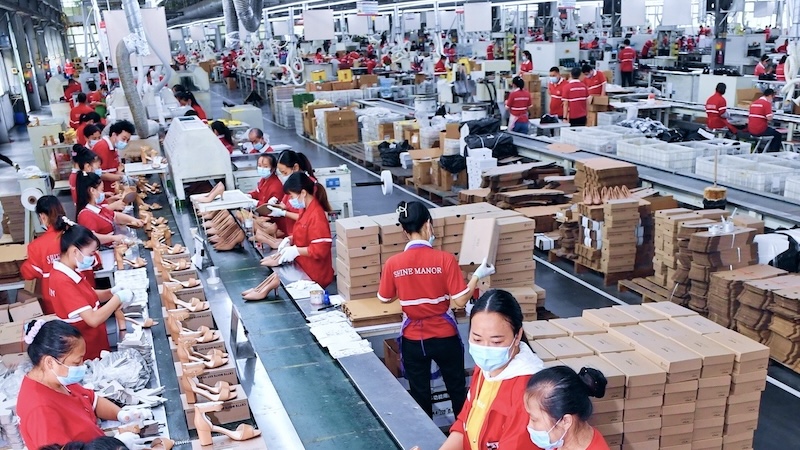
This guide answers the how, not the whether. Trading the middleman’s markup for that workload only pays off once your volume and process can carry it. Read our comparison of the direct sourcing pros and cons rather than assuming direct is always cheaper. If you are still weighing the routes against each other, our overview of China sourcing models covers that decision and this sequence comes after it.
Step 1: Choose a Product You Can Actually Run
Start with a product you can test, photograph, and sell without depending on the supplier’s word for anything. The classic beginner error is choosing on factory price alone. A quote that looks profitable at the gate collapses once freight, duty, inspection, and packaging are added against a realistic selling price.
Add every landed cost to each quote before you compare, and let demand decide the pick. A product that only works at rock-bottom pricing has no room for a freight spike or a wave of returns. Validate the product against real demand and full cost, not the unit price the factory leads with.
Where a step turns out to need someone on the ground rather than more emails, product sourcing is what covers it.
Step 2: Find Real Factories, Not Resellers
The channels that matter are online platforms, trade shows, and referrals, and each tells you something different. Platforms let you filter by category and capacity, and referrals carry a track record. A fair lets you handle samples and read the people making them, which is why an in-person fair still earns a first trip.
Judge candidates on how they behave while you are still a prospect. A supplier who takes five days to answer a simple question is showing you how your production will be run. Weigh years in business, product focus, and responsiveness over the lowest quote.
Step 3: Verify Before Anything Sensitive Changes Hands
Confirm the supplier is real before you send a payment or your design files. Basic specifications are fine at the enquiry stage, since a factory needs them to quote. Get the business license, match the registered details, and ask directly whether they manufacture or buy in first.
Verification proves the company exists, not what it will do with your design, so put a confidentiality agreement in place and release sensitive files in stages.
A remote check catches identity and paper-trail problems, though not everything. Reading the documents, the registration, and the production evidence confirms who you are dealing with. Real capacity and quality systems still need a sample and, eventually, eyes on the floor. A registered address that differs from the production site is a prompt to ask more, not proof of a fake.
Step 4: Never Skip the Sample
A sample proves whether the supplier can follow your specification, not just make something that photographs well. Spell out material and grade, dimensions and tolerances, exact color references, finish, and packaging in writing, then test the sample the way your customer will actually use it.
The approved sample becomes the standard the bulk run is judged against. Handling product samples properly means paying for them, documenting what acceptable looks like, and keeping the signed sample. That gives you solid grounds if production later drifts from what you approved.
Step 5: Order Small, Then Inspect
Place a trial order rather than committing to full volume, because finding a fault at 200 units costs far less than finding it at 2,000. A trial exposes the supplier’s real quality, their lead-time accuracy, and, most tellingly, how they respond when something goes wrong.
Put the terms in writing before the trial ships, then tie the balance payment to an independent check. A purchase order should fix the specification, the signed sample, quantity, dates, payment stages, the inspection standard, and how a failure is handled.
With that agreed, a pre-shipment inspection against your signed sample releases the balance on a pass. A fail gives you a contractual right to rework and re-inspection, with the goods still in China.
Step 6: Control the Shipping and the Customs
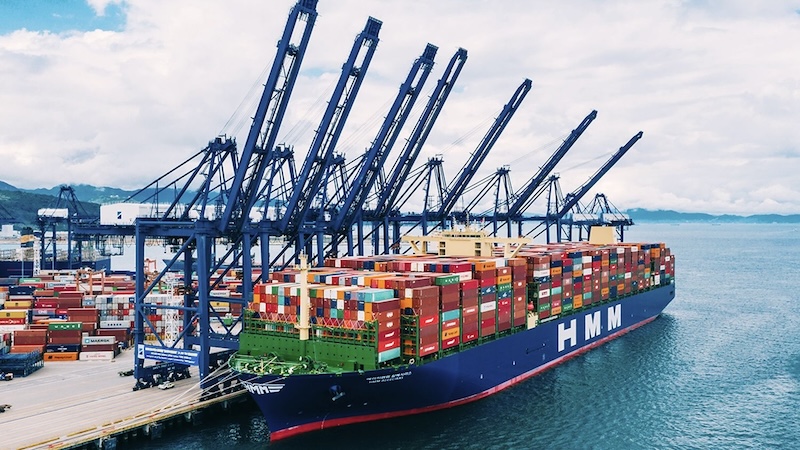
Two freight modes cover most orders: air for urgent, lighter, or higher-value goods, and sea for cost on bulk. The mode should follow the order rather than habit, since paying air rates on a routine restock is a quiet margin leak.
Agree the trade term in the order too, since it sets where the supplier’s cost and responsibility end and yours begin. That vagueness is how buyers meet surprise charges for pickup, export clearance, or insurance.
Customs risk starts before the goods move, and it is the importer’s job, not the factory’s. Confirm the tariff classification, the declaration requirements, and any product rules for your destination country. The rate turns on classification, declared value, country of origin, and any trade measures in force.
The paperwork is the supplier’s to prepare and yours to check. Have them produce the commercial invoice and packing list, and add a certificate of origin only where a preferential tariff calls for one. If you sell into the United States, build US import duty into your landed cost early.
Step 7: Turn One Order Into a Relationship
A reliable factory is worth more with every reorder, through better pricing, shorter lead times, and priority when capacity is tight. Suppliers invest more in buyers who communicate clearly, pay on time, and give precise specifications, so the relationship compounds in your favor when you hold up your side.
Give honest feedback after each order rather than only when something breaks. Praise what went well, and document what did not with a request for a corrective plan. When volume justifies the trip, visit in person, since a factory floor shows what remote calls never will. Getting a first order right is also the difference between staying direct and deciding to switch your sourcing model later.
FAQ
Q1: Does it help or hurt to say I am new to importing?
You do not need to raise it, and staying specific and businesslike in your questions matters more than any claim of experience. Precise technical questions signal competence far better than volume promises a factory has heard many times before.
Q2: How long does a first order take from search to delivery?
Plan in months rather than weeks, because sample rounds, inspection, and sea transit all stretch the timeline. Build slack into any date you give a customer rather than promising one you cannot control.
Q3: The factory says its product is already certified. Is that enough?
Not on its own, since a certificate can cover a different model, an old version, or another company entirely. Ask for the report behind the mark, confirm the scope matches your exact product, and remember the duty to comply in your market rests with you as the importer.
Q4: Should I pay and quote in dollars or RMB?
Most export factories quote and invoice in US dollars, which keeps your costing simple, while a domestic-focused supplier may prefer RMB. Agree the currency and who carries the exchange risk in writing, since a rate that moves between order and payment quietly changes your landed cost.
Q5: How do I keep communication with the factory clear?
Put everything in writing, use short numbered points, and confirm key details with photos and drawings rather than long paragraphs. Restating the agreed specification, quantity, and dates inside the order keeps them from living only in a chat thread.
Q6: What if a supplier raises the price after I approve the sample?
Ask exactly what changed and get the new price against the same written specification rather than accepting it blind, since a sample is sometimes quoted as a loss-leader. An unexplained jump is a signal about how the rest of the order will be handled.
Q7: What if the factory wants to change a material or component?
Ask what is driving it, since a genuine supply problem and a quiet cost saving look identical in an email. Any substitution needs a new sample approved against the original standard before production continues.
Q8: Can I change suppliers partway through if one underperforms?
Yes, and it is usually cheaper than pushing on with a poor fit, since a few wasted sample rounds cost less than months of delay. Keep a second candidate warm until your first order proves the supplier can actually deliver.
Conclusion
Direct sourcing rewards discipline over shortcuts: verify first, inspect before you pay, and treat every factory as a long-term asset rather than a one-off quote. The first order is the hardest, and each one after it gets easier as your process tightens and your factory relationships mature.
The first order teaches you the process at whatever price the mistakes happen to cost. We run the identification, sampling, inspection, and logistics through product sourcing, so your first direct order looks like your fifth.