Verify a Chinese Company: 6 Checks You Can Do Remotely
It is far easier to spot a bad supplier before you pay than to claw your money back afterward, and six checks tell you whether a Chinese company is real, safe to pay, and able to make your product. The first five confirm the company’s identity, legal history, and payment details; the sixth confirms it can actually deliver.
| Check | What It Tells You |
|---|---|
| Website age | As old as they claim |
| Company registration | Legally real, story matches |
| Dispute history | Other buyers burned before |
| Court blacklist | A court order ignored |
| Payment beneficiary | Money reaching the right company |
| Can they deliver | Right quality, on time |
The order matters, because the cheap desk checks come first and drop bad names before you spend real effort.

Check 1: How Long Have They Really Been Around?
A supplier’s story is easy to test against the age of their website. A company claiming 15 years in business behind a domain first registered two years ago has some explaining to do. This is a filter you apply to a whole shortlist, so it works best right after you find Chinese suppliers and before you have a favorite.
Enter the domain in the ICANN Lookup tool to check its registration date, then drop the same address into Archive.org to see the oldest saved version. Treat it as a two-minute gut check, not proof. A real firm may have traded offline for years, or bought an old domain, but a new website behind a “decades of experience” pitch is a reason to slow down.
Check 2: Is the Company Legally Real?
This is the check you should never skip, because a business license can be edited or faked in photo software. China’s official registry, the National Enterprise Credit Information Publicity System or NECIPS, confirms what a supplier actually registered against the license they send you. Some suppliers doctor that license to invent a founding date, inflate their size, or claim work they are not licensed for.
Those records are in Chinese, which is why supplier verification takes us a morning and takes most overseas buyers a week of guessing.
The registered name is the Chinese company name, not the English one on the brochure, so ask for it directly. A serious company hands it over without fuss. The official record then shows the real name, who legally runs it, when it started, and what it is allowed to do.
A clean registration proves the company exists in law, not that it owns the factory in the photos. A business scope covering only wholesale and trade is worth a harder look at the production site, because the record alone never shows who controls a plant.
Asking to contact Chinese factories directly, with real production questions, is the fastest way to separate a manufacturer from a reseller. One catch: NECIPS is in Chinese and awkward to reach from overseas, so most buyers have a local partner pull the record.
Check 3: Have Other Buyers Been Burned?
A company can be fully legal and still leave a trail of angry customers. Published court records and legal databases may reveal disputes over payment, delivery, or quality, and repeated relevant cases are a warning worth putting on the table when you compare shortlisted suppliers. The record can be incomplete, and no published case does not prove a clean history.
You are looking for a pattern of relevant disputes, not treating every lawsuit as proof of fault. One contract dispute years ago means little, but a string of them tells you how this company behaves when a deal goes wrong. Everything here is written in Chinese and needs an account to open, so this is another job most overseas buyers hand to an agent.
Check 4: Has a Court Already Caught Them?
This is the strongest single red flag: China keeps a public blacklist of companies a court ordered to pay or act, which then simply refused. A name on this list has defied a court order, not merely been sued.
Placement on the enforcement blacklist can trigger credit, financing, spending, and business restrictions, with further personal limits on the responsible individuals in some cases. A current listing is a serious warning, so if your supplier or the person who controls it appears there, stop and get an explanation before you proceed rather than negotiating around it.
Check 5: Make Sure Your Money Reaches the Real Company
This check costs nothing and blocks one of the simplest payment scams: before you wire a cent, confirm the beneficiary is the contracted supplier or a documented related entity authorized to collect the funds. Fraud often works by quietly steering your payment to a personal account, a separate Hong Kong shell, or an unrelated third party.
Do not pay a personal or unexplained third-party account. If the beneficiary differs from the contracted company, require written authorization, company records showing the relationship, and matching bank details before anything moves. An unexplained mismatch is a leading sign your money is about to go somewhere it should not.
Check 6: Can They Actually Make It?
Passing the first five checks proves the company is real, not that it can make your product well, on time, the same way every batch. For any serious order, that ability matters as much as the legal side, and it breaks into four quick reads.
Capacity, samples, audit, and inspection each answer a different question. A capacity check separates a real maker from a workshop that will scramble on a container order, and sound sample order management pins down exactly what you expect before production starts.
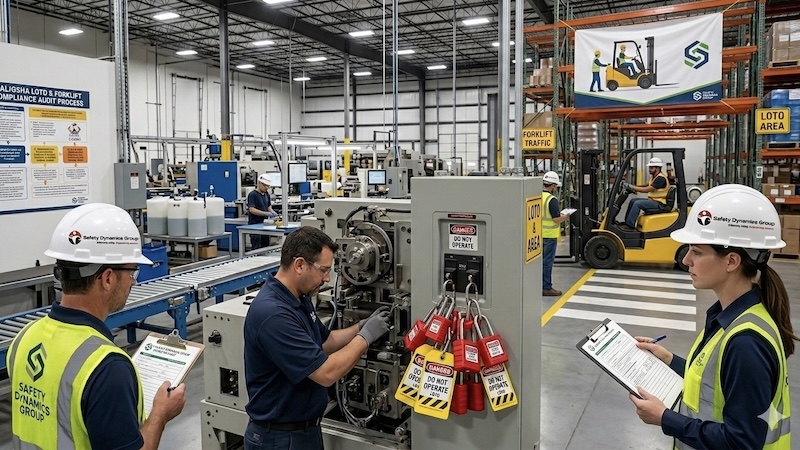
For a large or ongoing order, a supplier quality audit puts eyes inside the plant to confirm the equipment, systems, and staff really exist.
The last read is the one that protects your money directly. Structuring payment terms so the balance releases only after an independent inspection of the finished run against your approved sample means trouble surfaces in China, not at your warehouse.
FAQ
Q1: The supplier has a Gold Supplier badge. Do I still need to verify?
Yes, because a platform badge may confirm selected identity or business details, depending on the program, but it does not prove factory ownership, production capability, court history, or performance on your exact product. Read it as a starting point, not a green light.
Q2: Is a signed contract enough to protect me without verifying?
A contract is only as good as the company behind it. Suing a shell company or a supplier that has vanished costs more than the order and rarely recovers your money, so verification is what makes the contract worth signing.
Q3: How much does it cost to verify a supplier properly?
The desk checks cost nothing but your time, and a professional verification report is usually a few hundred dollars. Set that against the deposit you are about to wire and it stops looking like an expense.
Q4: How long do these six checks take?
The first four are an afternoon if you read Chinese, or a day or two through a local partner. The sixth takes longer because samples and an audit run on the factory’s calendar, not yours.
Q5: The supplier gave me a bank account in a different name. Is that always fraud?
A serious supplier gives you this in minutes, because they know real buyers check. A stall, a vague answer, or a “just trust us” is itself a warning, and a supplier who blocks you from confirming the account should not be getting a deposit.
Q6: What if the registration details do not match what the supplier told me?
Ask for the reasoning before you pay. A founding date off by a few months may be harmless, but a license with no manufacturing in its scope, from a company selling itself as a factory, is a real concern worth resolving first.
Q7: What if the business is real but sends my order to another workshop?
Subcontracting is common and not automatically a problem, but it has to be disclosed. Ask which plant will run your order and require that the same standard, inspection, and accountability apply wherever it is made.
Q8: How current are these public records?
Registration and blacklist records are generally kept up to date by the authorities, though a very recent change may lag by weeks. Court records depend on when a judgment was published, so read a clean search as reassuring but not absolute proof.
Conclusion
Verification is cheap, and the alternative is a deposit wired to a company you cannot describe. Six checks, done in the right order, cost less than one bad first order.
Six checks, six places to look, none of them in English. Hand the lot to supplier verification and it comes back as one answer: who you are paying, and whether they can build what you asked for.