
Portable Power Stations from China: Specs and Checks
Buy a portable power station on its real usable energy, output, and the supplier behind it, not the big number on the box. Rated capacity, output claims, and battery type often look better on paper than they perform in the field. Stock is never the constraint here, so the work is picking the right specification and a factory that can stand behind its figures.
| Check First | What to Confirm | Why It Matters |
|---|---|---|
| Usable capacity | Real Wh, not sticker | Runtime you actually get |
| Output | Continuous and peak watts | What it can power |
| Battery type | LiFePO4 or NMC | Life, weight, safety |
| Inputs | AC, USB-C, solar | How you recharge |
| Approvals | Right mark, exact model | Meets market and channel rules |
This is about portable, plug-and-go units, not fixed home storage wired into a house, which follows different standards.
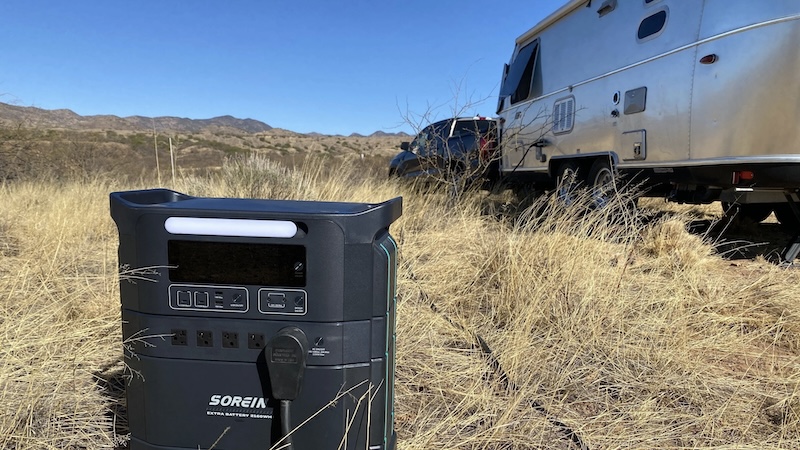
Read the Real Capacity, Not the Sticker
The headline watt-hour number is the most oversold figure in the category, so treat it as a claim, not a fact. Rated capacity is measured at the cells, but heat and the inverter both eat into it, so the energy that reaches your devices is lower.
Inflated headline numbers run right through energy and electrical products. Ask for the real usable energy, then confirm it with product testing in China on a sample under a known load.
A unit labeled at 1,000 watt-hours can deliver noticeably less to an actual appliance. The gap between rated and usable is where disappointed customers and returns come from. Confirm how the factory measures capacity and whether the number on the label is cells-only or real delivered energy.
A factory that will not answer that in writing has already answered it, which is why supplier sourcing starts with who documents a spec, not who quotes one.
Match Output to What It Has to Run
Capacity tells you how long it runs, but output watts decide what it can run at all. Look at two figures: the continuous output the unit holds steadily, and the short peak it handles when a motor or compressor kicks in. A fridge or power tool can pull a big surge for a second, so a unit with too little peak headroom trips even when its continuous rating looks fine.
Insist on a pure sine wave inverter, which gives clean power like a wall socket, for anything with a motor, pump, or sensitive electronics. Cheaper units sometimes use a rougher output that runs simple loads but can make some devices buzz, run hot, or fail to start. Ask for the inverter type and its efficiency, since a weak inverter quietly wastes part of the capacity you paid for.
LiFePO4 or NMC: Choose for the Job
The battery type inside shapes the unit’s lifespan, weight, and safety, and the two common chemistries suit different buyers. LiFePO4 cells usually offer a longer cycle life and better heat tolerance, which suits backup and heavy repeat use, though they weigh more. NMC cells usually pack more energy into less weight, which suits light, grab-and-go models.
Real lifespan also depends on cell quality, temperature, how hard the unit is charged and drained, and the control electronics. Treat the chemistry as one factor rather than the whole answer.
Match the chemistry to how your customers actually use the unit. A camping bundle and an emergency backup kit want different tradeoffs, so confirm the exact cell type and the rated cycle life in writing. “Long life” means nothing without a number behind it.
Ports, Charging, and Backup Speed
A power station is only as useful as the ways it can power devices and refill itself. Check the mix of AC outlets, USB-C and USB-A ports, and car or DC outputs against what your customers actually plug in. Then confirm the USB-C ports really deliver the fast-charge power they claim.
How the unit recharges matters as much as how it discharges. Confirm it takes AC from the wall, car charging, and solar input, and ask how long a full recharge takes from each. Buyers who pair units with solar panels from China will want the solar input voltage and current range, the built-in controller, and the cable or adapter needed to connect.
Many units offer an emergency switchover rather than a true uninterruptible supply, and the difference matters if you market them for critical use. A quick switchover keeps most devices running through an outage.
Selling a unit as a UPS for sensitive or critical equipment means checking its switchover performance against the proper UPS standards. Ask for the switchover time and confirm what the unit is actually rated for before you make that claim.
Certification and the Documents That Match
A power station only earns shelf space if its safety approvals fit the market and cover the exact model you are buying. For the United States, portable units are typically checked against the UL 2743 standard for portable power packs, while the EU relies on the CE mark. These broader rules sit within electrical product compliance, worth a read before you lock a specification.
Ask for the test report, the issuing lab, and labels that match your unit, not a similar one. A document only counts when your exact model or variant is named in its coverage, since some variants are listed under one certification and others are not. Confirm a US listing against the certifier’s own directory, and expect the maker to hand over a signed conformity declaration for the EU.
Because most units carry a built-in lithium battery, they ship as a regulated good. For those, that means a UN38.3 test summary and carrier sign-off before booking, and the full detail lives in the guide to importing lithium batteries. Confirm the paperwork early so a compliance gap does not strand your first container.
OEM, Software, Spares, and Support
Choosing between an off-the-shelf model and an OEM build shapes your cost, speed, and control. A stock unit reaches market fast with little risk. An OEM program lets you set the specification, branding, and features, at the price of higher minimums and longer lead times. Working with real China OEM factories rather than resellers is what keeps a custom program together.
Software and after-sales decide whether a good unit stays good. Ask whether the firmware can be updated, and whether an app is required and how stable it is. Settle how warranty claims and spare parts are handled once units are in your market. Back the paperwork with a supplier quality audit, since catching a weak supplier early is far cheaper than fixing a bad shipment later.
FAQ
Q1: How do I judge whether a capacity figure is honest before ordering?
Ask for the cell configuration behind the watt-hour number, since the voltage multiplied by the amp-hour rating should reconcile with the figure on the label. A supplier who cannot show that arithmetic is quoting a marketing number rather than a measured one.
Q2: How many units should I order for a first purchase?
Start with a pilot batch that matches real demand rather than the minimum that unlocks the best price, since untested units tie up cash and space. Once a model proves itself, a larger reorder at better terms carries far less risk.
Q3: How much does the shipping weight affect what I should order?
A great deal, because these units are heavy for their value and freight can rival the factory price on larger models. Get the packed weight and carton dimensions before you compare quotes, since a lighter unit at a higher price often lands cheaper.
Q4: What quality problems show up most with cheap units?
Watch for inflated capacity claims, poor battery protection that shortens life, and inverters that cannot hold their rated output. A load test on a sample can show weak capacity or output, but protection features like overcharge and short-circuit safety need dedicated testing, not a quick sample check.
Q5: What warranty period is normal?
Two to five years is common, but the length matters less than what it covers and how claims are handled across borders. Confirm who pays return shipping and whether spare parts are stocked in your market before you rely on the headline number.
Q6: Can portable power stations be shipped by air?
Sometimes, but the large battery inside makes air freight restricted and expensive, and many units move by sea instead. Confirm the shipping options for your specific capacity before you promise a customer a delivery date.
Q7: Do these units need any storage or maintenance care?
Yes, they hold up best stored part-charged in a cool, dry place, and recharged on the maker’s stated schedule rather than a fixed rule, since standby drain and cell type vary. Pass that guidance to your customers, since a unit left fully drained for a long time can lose capacity.
Q8: How do I compare two units with the same watt-hour number?
Run both against the same load and time them, because the usable output depends on the inverter and the cell chemistry rather than on the headline figure. Ask which cell type each one uses, since the cheaper chemistry loses capacity far sooner across charge cycles.
Conclusion
The buyers who do well with portable power stations treat every headline spec as a claim to check. They judge a supplier on whether it can back each number with a document or a sample. The unit that earns repeat orders is the one whose real capacity, output, and safety papers survived that check before the order shipped.
Every claim in this category is checkable, and the factories that welcome the checking are a much shorter list than the ones that quote. We find and vet that shorter list through supplier sourcing, so your technical questions get answers instead of adjectives.