
Is the Canton Fair Worth It for a First-Time Buyer?
The Canton Fair is worth the trip if you know what you want to buy and intend to order within months. For anyone still deciding, it is a costly week away from the business. The fair rewards buyers with a specification in hand and punishes browsing.
| Go Now If | Wait If |
|---|---|
| You know product and specs | You are picking a niche |
| You can order within months | You are collecting ideas |
| You have a target price | You have no budget set |
| You can follow up afterward | You cannot act yet |
The left column turns a week into a supplier shortlist; the right column turns it into a bag of catalogs.

What the Trip Actually Buys You
Value comes from meeting dozens of suppliers in three days instead of emailing them for three months. You hold the sample, watch how a supplier handles an awkward question, and see who takes a small buyer seriously.
You also get a reading of the market that no website gives you. Current prices, what is new this season, and who is copying whom all become visible in an afternoon of walking.
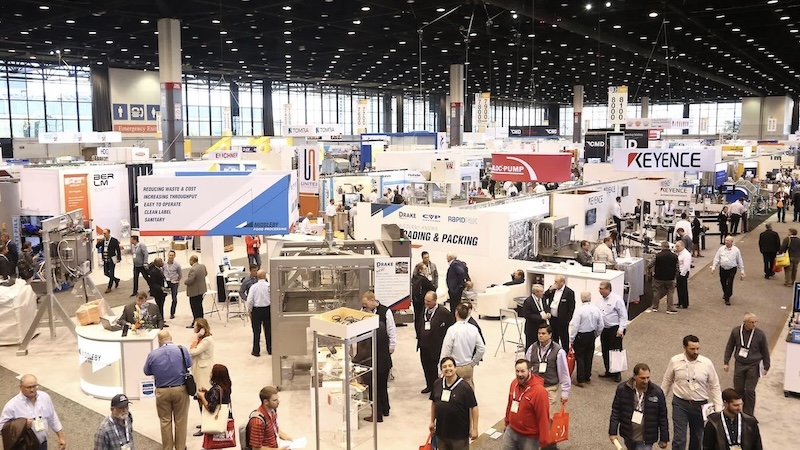
And you meet a different pool from the markets. Exhibitors here are export-focused and set up for foreign buyers, which is not who you meet walking the year-round wholesale markets in China. Whether the company in front of you manufactures anything is still a separate question.
Answering that question about a specific booth, rather than about exhibitors in general, is the kind of check an experienced sourcing team can run while you are still walking the hall.
Book the Right Phase
The fair runs in three phases each spring and autumn in Guangzhou, and each phase covers different categories. Booking the wrong one is the most avoidable mistake a first-time visitor makes.
| Phase | Typical Categories |
|---|---|
| Phase 1 | Electronics, machinery, hardware, lighting |
| Phase 2 | Kitchenware, household goods, gifts, decor |
| Phase 3 | Clothing, shoes, textiles, bags, food |
Categories shift between sessions, so confirm before booking. Only the official schedule is reliable for dates and hall assignments. Flights booked around last year’s split are how buyers land in the wrong week.
What to Prepare Before You Fly
Registration and logistics are the easy half. Pre-register online and apply for your buyer badge there, then collect the physical badge at the designated counter after an identity check on arrival.
An invitation letter is issued on request and is mainly useful for a visa application, so buyers entering visa-free do not need one. Book somewhere with straightforward transport to the Pazhou complex, and bring far more business cards than seems reasonable.
Entry rules have loosened, and they still need checking. China has expanded visa-free entry for a number of passports, and separately allows extended visa-free transit for travelers passing through to a third country. That transit route rules out an ordinary return trip, so check what applies to your passport and itinerary before booking.
Most buyers skip the specification, which is the part that matters. Much of the shortlisting can happen before you fly, since knowing how to find Chinese suppliers online means arriving with names rather than hopes.
Write down the product, the target price, the quantity, and the questions you will ask at every booth. A written spec separates a buyer from a tourist in thirty seconds. The same discipline that makes a quote request work by email works on the floor.
What Catches First-Time Buyers Out
A booth sample is the best unit the supplier owns. It was built carefully, kept indoors, and handled by people who knew it would be judged. Approving a production sample later is not optional.
Floor prices are opening positions. Quotes given while you stand there assume nothing about quantity, packaging, or terms. The real number arrives after the fair, once a specification is on the table.
Booth staff describe themselves generously. Many exhibitors are trading companies, which is not a problem in itself, but you need to know which you are dealing with before ordering. Asking who produces the goods, where, and what can be changed sorts it out faster than asking whether they are a factory.
Follow-Up Decides the Outcome
Orders come from the two weeks after the fair, not from the fair itself. Cards go cold fast, and a clear, specific message sent in the first days is what keeps you memorable while the supplier still recalls the conversation.
Sort your contacts the same evening. Photograph each booth card with the sample, and note the quote and the specification it applied to. Shortlist that night, while you still remember which conversation was which.
Then move the serious ones into a real process. A specific first email gets a reply where a generic one does not, which is the point of knowing how to contact Chinese factories. The shortlist should then end in sample orders, not in a purchase order.
Fair, Markets, or Neither
Fairs and wholesale markets solve different problems. The fair gathers export-ready exhibitors twice a year, while the markets run all year and generally suit smaller quantities and goods already in stock.
Buyers in Guangzhou often do both in one trip. The Guangzhou wholesale markets sit in the same city, and how to buy at them is covered in buying from wholesale markets.
FAQ
Q1: Is the spring or autumn session better?
Both run the same three-phase structure, so the more useful question is which fits your buying calendar. Work back from when you need stock on shelves, since production and shipping follow the fair by months.
Q2: Should I arrange booth appointments in advance?
Yes for any exhibitor you already know, since a booked slot gets you a seat and a real conversation instead of two minutes standing up. Leave the rest of the day open, because the useful discoveries are unplanned.
Q3: My product sits between two phases. What then?
Pick the phase that matches your main category first. The phases run back to back with a few days of changeover between them, so covering two means staying in Guangzhou for roughly two weeks, which is a cost question rather than an impossible one.
Q4: Is the fair useful for small orders?
Sometimes, though many exhibitors are chasing volume. Ask about minimums in the first two minutes so you are not spending twenty minutes at a booth that will never quote your quantity.
Q5: How should two of us split the halls?
Divide by category rather than by aisle, and agree a shared format for notes before you start. Two people covering the same hall separately produce duplicate cards and no comparison.
Q6: How do I decide which booths to revisit?
Rank on the answers, not the products, since anyone can show a good sample. The ones worth a second visit are those who gave a straight answer on production, minimums, and lead time.
Q7: Can I visit factories while I am in China for the fair?
Often, and it is the best use of the days around the fair, provided you arrange it in advance. A plant an hour away tells you more than another day of walking halls.
Q8: Can I take samples away from the booth?
Sometimes for small items, though display units are usually needed for the rest of the session and exhibitors would rather ship afterward. Agree who pays the courier and confirm the sample matches what was quoted.
Conclusion
The Canton Fair pays off for buyers who arrive with a product, a price, and real intent to order. For everyone else it costs a week. Book the right phase, prepare the specification, treat booth samples and floor prices as opening positions, and follow up the same week you fly home.
A week at the fair costs flights, hotels, and the days you are not running your business, and it only pays back if the booths on your list are worth the walk. We are here all year as an experienced sourcing team, so you can have the shortlist checked before you decide whether the trip is worth booking at all.