
China to North America Shipping Ports: How to Choose
The export port and the arrival port quietly decide a big share of your freight bill and your restock speed. You do not need to memorize port rankings, only which port fits your factory and which fits your warehouse.
| If your supplier is near… | Goods usually leave from… |
|---|---|
| Shanghai / Yangtze Delta | Port of Shanghai |
| Ningbo / Zhejiang | Ningbo-Zhoushan |
| Shenzhen / Dongguan | Shenzhen (Yantian) |
| Guangzhou / Pearl River Delta | Guangzhou or Shenzhen |
Your factory decides the first one, you decide the second, and the second is where most of the money is won or lost.
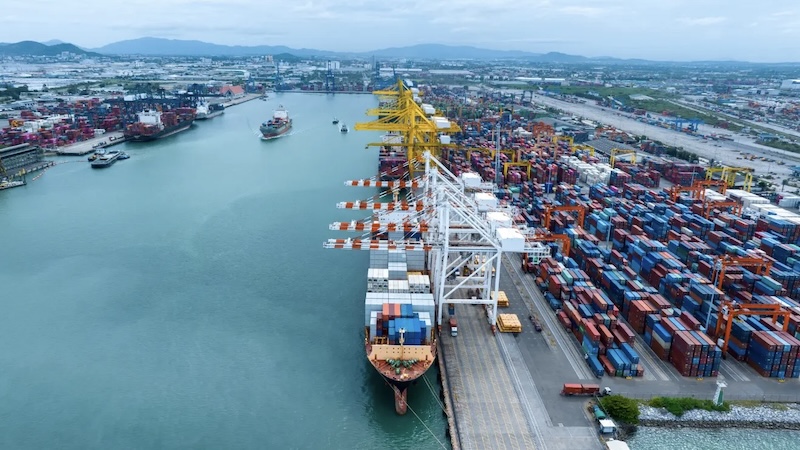
Which China Port Your Goods Ship From
Here is the part that surprises new buyers: you usually do not pick the export port alone. The factory location, freight forwarder, trade terms, and available sailings often decide the best route, which is why the port sits inside the same set of decisions as method and timing in the guide to shipping from China.
So the real lesson is not learning port names. It is making sure your goods are not hauled across the country before they even sail, because that haul is pure cost with nothing bought back.
Several major ports handle most of China’s export containers, and your factory’s province decides which one. Shanghai serves the east, Ningbo-Zhoushan takes Zhejiang, and the southern terminals cover the electronics and hardware belt. You do not need the details, just a rough sense of where your factory sits.
The one thing worth checking: make sure your supplier ships from a port near the factory, not a distant one. Trucking a container a few hundred extra miles inland before it even reaches the water adds cost and days you will never get back.
Knowing where a factory actually sits before you shortlist it, rather than discovering the inland haul on the first invoice, is part of what product sourcing settles.
Case: A buyer sourcing from a Ningbo factory let the supplier route the container out of Shenzhen instead. The long inland haul added days and cost with zero benefit. Shipping from the nearest major port would have been cheaper and faster.
Which North America Port Your Goods Land At
This is the choice that is actually yours, and it is where small importers lose the most money. The port your goods arrive at decides how far they still have to travel to reach your warehouse, and inland trucking is expensive.
For most China importers, North America usually means US and Canadian ports first. If your market is Mexico, the same logic applies: choose the port that gives you the lowest delivered cost, not just the lowest ocean rate.
The simple rule: land your goods on the coast closest to where you store and sell. If you are on the West Coast or selling mostly to western states, the West Coast ports (Los Angeles, Long Beach, and Vancouver for Canada) are fastest from China and usually cheapest overall.
For an eastern warehouse, the East Coast ports (New York and New Jersey, Savannah, Norfolk) take longer by sea but drop your goods right where you need them. Realistic day counts for each route sit in the guide to shipping time from China.
| Your warehouse / market is in… | Land your goods at… | Why |
|---|---|---|
| The West or western states | LA, Long Beach, Vancouver | Fastest from China, low inland cost |
| The East or eastern states | NY/NJ, Savannah, Norfolk | Slower by sea, but close to you |
| The South or inland markets | Compare Gulf ports, Southeast ports, and West Coast rail/truck options | Best choice depends on total inland cost |
The mistake is chasing a low ocean rate into the wrong coast. A cheap sail to the West Coast stops looking cheap once you truck the goods 2,000 miles east.
Case: An East Coast seller shipped everything into Los Angeles because the ocean rate looked lower. The containers then crossed the country by truck, and the inland bill was larger than the sea saving. Landing on the East Coast would have cost more at sea and less in total.
Count the Whole Cost, Not the Ocean Rate
The number that fools people is the ocean freight quote, because it is only one slice of what a shipment actually costs. Inland trucking, port fees, storage, and transit time all move the real total, and the cheapest sea rate can hide the most expensive door-to-door bill.
So compare the cost to your warehouse, not to the port. Weigh sea time against the inland haul, because the ocean leg is only one of several trade-offs in play, and the booking sequence behind that leg is set out in sea freight from China.
Your container choice swings the math too. Filling a whole container works very differently from sharing one, which is the heart of the FCL versus LCL decision every importer runs into sooner or later.
Plan Around Ports Before You Order
The time to think about ports is before you place the order, not when the goods are packed and waiting. Your factory’s location, your container size, and your warehouse all lock in choices that decide your freight bill.
Estimate volume early so you know whether you are filling a container or sharing one. Knowing what each container size actually holds tells you which mode fits and stops you from overpaying for empty space.
Route costs then decide which port is genuinely cheaper. Each lane carries its own port fees, carrier options, transit time, and inland delivery cost, and a good logistics partner can price them for you and flag the cheaper routing before you book.
Case: A first-time importer booked space without estimating volume and ended up paying full-container rates for a half-full load. A quick calculation upfront would have pointed to a shared container and saved a large share of the freight cost.
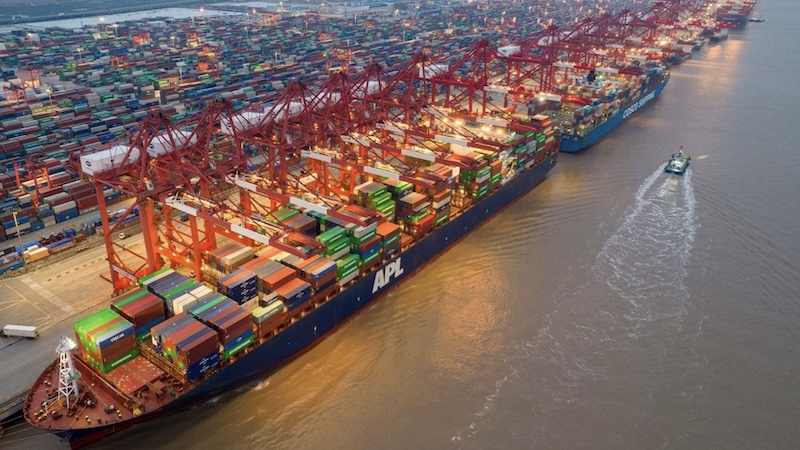
Watch the Calendar: Peak Season and Congestion
The same route can cost far more and move far slower depending on when you ship. Ports get crowded at predictable times, and a container caught in that crush waits longer and often costs more.
The busiest stretch usually runs in the months before major Western holidays, when everyone is importing at once. Chinese New Year is the other big one. Factories close for weeks around it, and the rush to ship before the shutdown jams both factories and ports.
| Time of year | What tends to happen | What to do |
|---|---|---|
| Pre-holiday peak | Higher rates, port congestion | Book early, lock space ahead |
| Chinese New Year | Factory closures, shipping rush | Order well before the shutdown |
| Off-peak months | Lower rates, more space | A good window for larger orders |
Build a buffer into your timeline so a congested port does not turn into an empty shelf. If your goods have to arrive by a certain date, work backward and add slack, because knowing when to ship from China around those weeks is what separates a season you hit from one you watch.
Case: A seller planned a launch around goods arriving the same week, right in peak season. Port congestion pushed the container back ten days and the launch slipped. Ordering a few weeks earlier would have absorbed the delay completely.
FAQ
Q1: Do I get to choose which China port my goods ship from?
Usually not directly. Your supplier’s location decides the nearest port, and shipping from a port far from the factory just adds inland cost and time. You can confirm the plan, but geography drives most of it.
Q2: Is the West Coast always cheaper than the East Coast?
No. The West Coast is faster from China and often cheaper on ocean freight, but an eastern warehouse can lose that saving to inland trucking. Add up what it costs to get the goods all the way to your door before deciding.
Q3: How much longer does East Coast shipping take?
It varies by route, carrier, canal choice, and season. Do not compare only ocean transit days. Compare the total time to your warehouse, including unloading, customs, rail, and trucking.
Q4: What’s the busiest port for goods leaving China?
Shanghai is usually the first name importers hear for container shipping, with Ningbo-Zhoushan close behind in scale and connectivity. For electronics and Pearl River Delta suppliers, Shenzhen is often the main gateway.
Q5: Why does my supplier’s city matter for shipping?
Because the closest major port is usually the cheapest and fastest to reach. A factory far from a port adds inland trucking before the ocean leg even begins, which raises your landed cost.
Q6: Should port choice affect which supplier I pick?
It can be a tiebreaker. Between two similar suppliers, the one nearer a major export port may give you lower freight and shorter lead times. It rarely outweighs quality, but it is worth checking.
Q7: What is port congestion and why should I care?
Congestion is when a port is backed up and cargo waits to be unloaded or moved out. It adds delays and sometimes fees, so a slightly less busy port can occasionally get your goods out faster.
Q8: Can a sourcing partner handle the port and shipping side for me?
Yes. Many importers hand off freight booking, documents, and port coordination so they can focus on products and sales. It helps most once your order volume or shipping complexity grows.
Conclusion
The ports at each end of your route decide a large part of your cost and speed, so treat them as part of the buying plan rather than an afterthought. Ship from the port nearest your factory, land at the coast nearest your customers, and match your container choice to your real volume. Get those three right and you avoid many of the hidden costs and timing problems that catch first-time importers.
The port is decided by the factory you chose months earlier, which is why a cheap quote from the wrong province arrives with an inland trucking bill attached. We weigh location alongside price and capability through product sourcing, so the route is settled before the quote is accepted.