How to Pick Products from China Worth Selling on Amazon
A product is worth selling on Amazon when it survives five tests before you commit to a factory. Real demand, competition you can beat, margin left after the fees, a return rate that will not eat the difference, and something about it you can make better.
| Test | Green Light | Walk Away If |
|---|---|---|
| Demand | Steady year-round | One narrow window |
| Competition | Gaps in top reviews | Entrenched rivals |
| Margin | Survives fees and duties | No profitable price |
| Returns | Low-return category | Sizing or fragility |
| Differentiation | A fixable flaw | Pure commodity |
A cheap factory quote counts for nothing if the product fails any one of these.
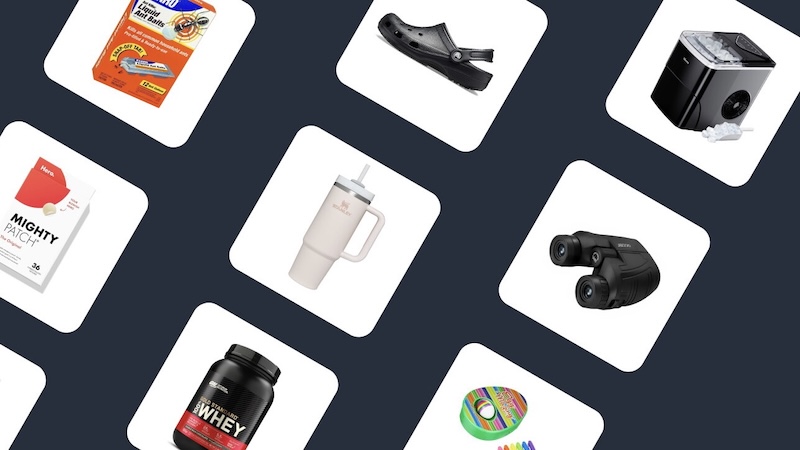
Judge the Product on Amazon Signals, Not the Factory Price
Amazon punishes a weak selection faster than any other channel, so the product has to survive the numbers before a supplier enters the picture. All of those numbers are public before you contact anyone.
Read the signals that predict sales. Search interest, estimated demand, and how fast reviews are growing on the leading listings tell you whether anyone is buying and whether the field is still moving.
A factory can answer plenty on cost, packing, and what is feasible to build, but nothing about whether buyers want it. The wider work of sourcing from China for Amazon pays off only after the product is proven.
Read Competitor Reviews for the Flaw You Can Fix
The fastest route to a winnable product is the one and two star reviews on the top sellers in a category. Buyers say precisely what is wrong: a strap that tears, a battery that fades, a size that runs small. Those complaints map out what a better version would fix.
A factory audit tells you whether the equipment, the people, and the quality system are there for that kind of work. Whether they can hold your specific fix comes from an engineering review, samples, and a trial run.
Recurring complaints point one of two ways, and both are worth knowing. If the flaw is baked into the product itself, treat that category as high risk and move on. If it can be fixed with a better material or a tighter tolerance, that is your opening to compete on quality instead of price.
A tight, defined niche with steady demand is usually easier to win than a broad category ruled by giants. Reading profitable ecommerce niches before you lock a product keeps you out of the wrong one.
Turn the pattern into a written specification before you shortlist a single supplier. List the exact faults you plan to solve and the standard you expect. That document becomes both your selection filter and the brief a factory works from later.
Run the Full Cost Math Before You Commit
A product only counts as profitable after Amazon’s fees, freight, and duties come out. FBA charges by size and weight bands, so a product that just crosses into the next band up can quietly turn from a winner into a loser.
Measure the finished, packed unit, not the bare product on a spec sheet. Retail packaging, accessories, and protective filler all add to it, and one centimeter can be the difference. Take the numbers off your own sample and run them through Amazon’s fee calculator.
Returns are driven by the product rather than the category. What matters is whether the size has to be right, whether it survives transit, whether it fits what the buyer already owns, and how far the listing lets expectations run. Amazon measures your rate against similar products and can flag a listing, and the reasons behind Amazon returns show how much traces back to the product choice.
Narrow Ten Ideas Down to Three
Run the cuts in cost order, cheapest first. Park anything whose approval or paperwork you cannot see a route through, since no margin can rescue it. Size and return risk come next, and both get priced rather than assumed, because a bulky item at a high enough price can still work.
Score whatever survives on the same five tests, marked honestly enough that a weak score stays weak, then check what each ties up in cash. An idea you cannot fund this quarter is not a shortlist candidate.
Stop at three, and run them as one sampling round with the same brief and the same deadline. Fewer leaves you no comparison when a factory quotes badly, more spreads the budget too thin, and a category where freight decides the margin, as household goods on Amazon does, punishes a thin comparison hardest.
Check the Category Rules Before You Fall for a Product
Some products fail the test on paperwork rather than economics. Two separate things can stop you. Amazon gates some categories, brands, and individual listings, meaning it has to approve you before you can sell there. Your destination market then has its own rules on things like batteries, aerosols, cosmetics, and electrical goods.
Screen for that early, because it is the cheapest test to run. Checking whether Amazon gates the category or the listing is quick, while working out what your destination market requires of that specific product takes longer, and that is the part an Amazon compliance check is for. Either way it costs less than finding out after the deposit.
Risk also varies inside a category, not just between them. A plastic organizer and a plug-in appliance sit in completely different worlds, so never treat one clean product as proof that the whole category is safe.
Decide How You Will Sell It Before You Choose It
How you plan to sell the product decides which products are even worth choosing. Reselling a generic item puts you in a price fight against everyone holding the same catalog. Branding it as your own gives buyers a reason to pick it at your price.
Private label raises both the stakes and the reward. Private label sourcing means a higher minimum order and more work upfront, and for a first product one clear improvement beats a long list of small ones.
Can Buyers See the Difference in Five Seconds?
An improvement you cannot get across quickly is not yet a selling point. Buyers compare a main image, a title, and the first few bullets. An advantage that needs taking apart or three paragraphs to explain will lose to a rival that looks the same and costs less.
A thicker strap shows in a photograph, while a better battery has to be argued for with a runtime figure or a test result, and that argument needs space on the page. Decide early which kind of improvement you have, and how fast a rival could copy it.
Choosing the product is one discipline and ordering it correctly is another, so once it clears your tests the reorder math and the prep rules for FBA decide whether the choice pays off.
FAQ
Q1: Do product research tools give numbers I can trust?
They estimate demand and competition well enough to compare one product against another, but treat the exact figures as rough. A pattern that holds across several signals beats any single number a tool hands you.
Q2: What if a competitor already sells the exact product I found?
That is normal for generic goods, where sellers often work from overlapping supplier catalogs. What decides it is whether you fix a flaw their reviews keep naming, because selling an identical item cheaper is a fight you will not win for long.
Q3: Should my first product be seasonal?
Seasonal products can be profitable, but they punish timing mistakes and leave you holding stock in the off-season. Steady year-round demand is more forgiving while you are still learning the process.
Q4: What should a first product budget actually cover?
Beyond the goods themselves it has to carry samples and testing, freight and getting the stock into the warehouse, then advertising and storage once it is live. Whatever is left after those is not spare, since the restock has to be placed before the first batch sells out.
Q5: Should I check whether a product is already patented?
Yes, because copying a protected design can get your listing pulled even if a factory happily offers to make it. An ordinary-looking product can still be covered, since one patent can protect how a thing works and another how it looks, so let the search results and the size of your exposure decide whether you pay for an opinion.
Q6: How do I confirm demand without a large China order?
Run a small test batch first. It costs more per unit, limits the loss if the choice was wrong, and the reorder brings the cost back down once sales prove out.
Q7: How long does a winning product stay a winner?
Long enough to matter, but categories shift once rivals copy the fix your listing was built on. Watch your own review complaints the way you first read theirs, because that is where the next version comes from.
Q8: What should the second product be?
Lean on what you already proved: the same category, the same supplier, or a product sharing your existing audience. Let sales data from the first product guide the second rather than starting the research over.
Conclusion
Picking an Amazon product is filtering work, not a lucky guess. Every test you run before the deposit is one you would otherwise run with a container of stock already paid for.
Saying yes to your improvement costs a factory nothing at the quotation stage and a retooling bill at the production stage. A factory audit is where we start closing that gap, before your better version turns into the same complaint under your own brand.