Guangzhou Sourcing Agent: Right for Your Category?
A Guangzhou sourcing agent is worth hiring when your product comes from the local apparel, bag, or beauty clusters. The further your product sits from them, the less that location is worth. The city is a specialist hub rather than a national one, so the first question is what you are actually buying.
| Your Product | Guangzhou Fit |
|---|---|
| Apparel, fashion accessories | Core strength |
| Handbags, leather goods | Dense cluster |
| Beauty, personal care | Private-label depth |
| Household, daily-use goods | Usually workable |
| Consumer electronics | Shenzhen instead |
| Furniture | Foshan instead |
The bottom two rows are the expensive ones, because the order can still be run from Guangzhou and you pay for the extra coordination.
What Guangzhou Actually Makes Well
Apparel is the deepest of the three, because fabric markets, trim suppliers, and pattern makers sit within an hour of each other. An agent working there can pull material options, get a sample corrected, and compare two factories in the time a remote search spends waiting on emails. That density is the advantage, not the city name.
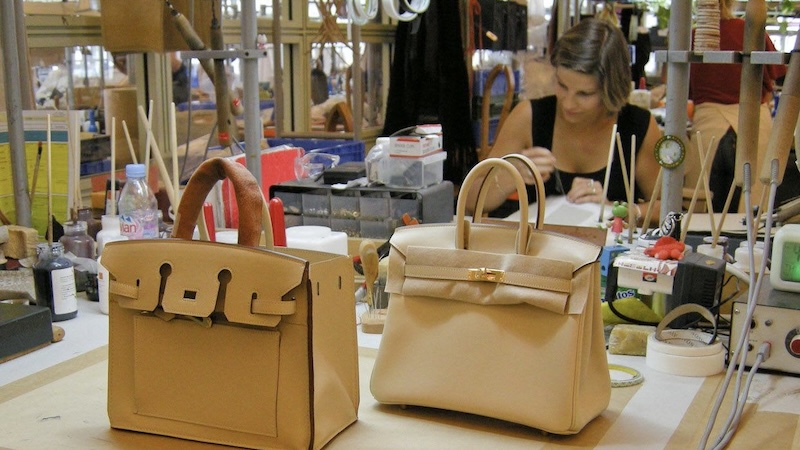
Handbags and leather goods run on the same logic, with hardware, lining, and material suppliers clustered around the factories. Private-label beauty is the third strength, built around contract manufacturers that already export and know what foreign labeling asks of them.
Household and daily-use goods sit slightly wider across the region but stay reachable from the same base. The same closeness shows up in your leverage, since three comparable quotes collected in an afternoon give you something to negotiate with.
Matching the cluster to the product comes before everything else, and it is the step most buyers skip when hiring a China sourcing agent. They pick an agent first and discover the cluster question later, usually when a quote comes back high because the factory is subcontracting to another province.
Answering the cluster question before anyone is hired is the first thing product sourcing does with a new category.
When You Should Be Hiring Somewhere Else
Electronics is the clearest case, because the components, assembly, and testing all sit in the Shenzhen and Dongguan corridor instead. A Shenzhen sourcing agent can be standing in the factory the same day, while a Guangzhou agent is calling people they do not work with weekly.
Furniture points to Foshan, where the Foshan furniture market and the factories behind it are concentrated. Ceramics, lighting, and hardware follow their own clusters again, and cheap high-volume items often make more sense out of Yiwu.
None of this makes a Guangzhou agent useless outside its categories, but it changes what you are paying for. An agent covering another cluster is coordinating at a distance, which is a normal service and simply not a local one. Ask who they work with there and how often they go.
How to Check the Agent Has Done Your Category
Ask for their true specialty, not their coverage. A specialist names a narrow category and gets specific fast, while a generalist lists apparel, electronics, furniture, and packaging without showing depth in any of them. The generalist answer is the more common one.
Then ask for references in your exact category. A glowing furniture reference tells you nothing when you are sourcing handbags. Find out how proposed factories will be named and verified, and whether a visit can be arranged.
Quality comes in two halves, so check they cover both. The factory’s capability is tested by a supplier quality audit, while the goods themselves are tested by in-process and final inspection. One more question separates a supplier list from real relationships: what would they do if the first two factories quoted too high?
Ask whether you are hiring one person or a team, since backup and accountability come with the answer. A solo operator or a firm is part of how you choose a sourcing company you can hold to account. It also decides who picks up your order when your contact travels.
What Sits Outside This Decision
Once the cluster fits, the rest of the hiring conversation is the same anywhere in China. How the agent charges belongs in sourcing agent fees, and what the two of you agree belongs in a sourcing agent agreement rather than an email thread.
Keep those separate from the category question, because a good rate on the wrong cluster is still the wrong hire. Buyers who reverse the order end up negotiating a percentage with someone who cannot reach the factory that matters.
FAQ
Q1: Should the agent be based in central Guangzhou or near my specific factories?
What matters is that they can reach your factories quickly, whether from central Guangzhou or a nearby town. Much production sits in the surrounding areas rather than the city itself. Ask how far they are from the plants they would use and how often they visit.
Q2: Does the Canton Fair matter when choosing an agent?
It can help, since the fair gathers many regional makers in one place and an agent can meet suppliers and check samples there with you. Judge what they do afterward though, because attendance alone says nothing about supplier depth.
Q3: Can one agent handle a mixed order across apparel, bags, and beauty?
Often yes, since the wider Pearl River Delta has supply chains across all three and they sit close together. Ask which of the three they actually buy every month, because one is usually their real trade and the other two are arranged through contacts.
Q4: Do Guangzhou’s fabric and trim markets help with custom apparel?
Yes, and it is one of the region’s real advantages, because an agent can source fabric, trims, and hardware locally and move fast between samples. That shortens development and gives you more material choice than relying on whatever a factory keeps on its own shelf.
Q5: For private-label beauty, can the agent help with labeling and compliance?
A capable beauty specialist can coordinate ingredient lists, labeling, and the testing your destination market requires. The agent cannot carry the compliance responsibility for you, and who legally holds it varies by market. Confirm they have handled cosmetics for your market before, since the rules differ sharply by country.
Q6: Does it matter if my samples came from a market stall rather than the factory?
Yes, because a market sample shows what someone can buy, not what your factory can build repeatedly. Ask for a sample made on the line that will run your order, using the same material and the same hardware.
Q7: If my agent runs quality checks, do I still need my own inspection?
For a high-value or technically demanding order, consider an independent inspection, since the right answer depends on the agent’s reporting transparency and whether the inspector is rewarded for approving shipments. For lower-risk orders, documented checks by the agent can be enough when the scope and acceptance standard are agreed in advance.
Q8: Can the agent get my apparel minimum down to a testable quantity?
Sometimes, because the cluster runs small workshops alongside large plants and an agent buying there weekly knows which ones take short runs. Expect a higher unit price and fewer material choices, since the floor usually comes from the fabric mill rather than the sewing line.
Conclusion
The cluster question decides more than the agent question, and it is cheaper to answer. Getting it right takes one look at where your product is actually made, while getting it wrong means paying local rates for long-distance work.
Most buyers only discover the mismatch when the first quote comes back, and by then the samples are already made. We place the search in the cluster that fits the product, through product sourcing, before anyone starts asking factories for prices.