Maple Sourcing Ltd.
Maple Sourcing Ltd.
We Make Your Sourcing Easy!
Need help? sales@maplesourcing.com
English
Maple Sourcing Ltd.
Maple Sourcing Ltd.

What is the best shipping method from China to USA?

Published:
Updated:
3883 Views
Table of Content [Hide]

    435.jpeg

    Global trade has expanded remarkably over the last several decades, and one of the most critical components of international business is logistics. With billions of dollars in annual trade, understanding the dynamics of transporting goods is essential. One recurring question from businesses and individual shippers alike is: what is the best shipping method from China to USA? This article explores the various options for shipping from China to the US, examines their advantages and challenges, and provides practical advice on determining the best shipping method for your needs.

    In today’s global economy, shipping from China represents an enormous sector of international logistics. For companies and individuals alike, navigating this complex network is paramount to success. Finding the best shipping method from China to USA requires a careful review of your product type, budget, timeline, and risk tolerance. In this comprehensive article, we will examine the available shipping options including sea freight, air freight, express courier services, rail freight, and even emerging technologies, and help you determine the most appropriate method for your specific requirements.

    Overview of International Shipping

    When discussing international shipping, it is important to consider several factors that can vary widely depending on the mode of transport. Some of the primary factors include:

    • Transit Time: How fast the shipment can reach its destination.

    • Cost: The price of shipping can vary dramatically based on the mode chosen.

    • Reliability and Safety: Measures to protect products from damage or loss.

    • Volume and Weight Considerations: Larger shipments may require different shipping modes than smaller, time-sensitive orders.

    • Complexity of Documentation: Different methods often require distinct customs and documentation procedures.

    International shippers are continually seeking the best shipping method from China to USA because each method carries its own set of trade-offs. While some companies prioritize speed over cost, others emphasize reliability and safety.

    Shipping Options from China to the US

    There are several common shipping methods used when shipping from China to the US. The major methods include:

    • Sea Freight (Ocean Freight)

    • Air Freight

    • Express Courier Services

    • Multimodal Transport.

    Each shipping option has distinct characteristics. Let us examine these options in detail.

    1. Sea Freight

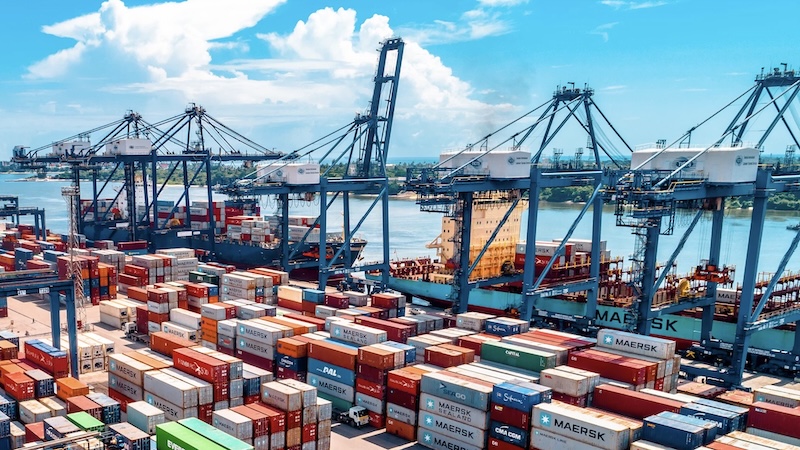
    Sea Freight is one of the most frequently used methods when considering shipping from China to the US. This mode is predominantly chosen for large, heavy, or bulk orders. The key advantages of ocean freight are its cost-effectiveness for large shipments and the ability to transport large volumes at once.

    1.1 Advantages of Sea Freight:

    • Cost Efficiency: For shipments with high volume or heavy cargo, sea freight tends to be the most economical. Shipping containers (20-foot or 40-foot) provide a low cost per unit, making it ideal for businesses that do not have strict time constraints.

    • Capacity: Ships can handle vast quantities of goods, from raw materials to finished products, making them suitable for large orders.

    • Environmental Impact: When measured per ton, sea freight is generally more environmentally friendly compared to air freight.

    • Flexibility in Containerization: Different container types can be used – standard dry containers, refrigerated containers (reefers), or specialized cargo holds for dangerous goods.

    1.2 Challenges of Sea Freight:

    • Long Transit Times: Ocean shipping can take anywhere from 20 to 40 days depending on the departure and destination ports. For example, if you are asking for the best shipping method from China to USA for a time-sensitive bulk order, sea freight might not be the ideal choice.

    • Port Delays and Handling: The process can be delayed by port congestion, customs inspections, and handling inefficiencies.

    • Documentation Complexity: Extensive documentation is required for customs clearance, including bills of lading, commercial invoices, and packing lists.

    • Risk of Damage: While containers provide a degree of safety, there is always a risk of damage due to rough handling or adverse weather conditions.

    1.3 When to Choose Sea Freight?

    Sea freight is the preferred option when:

    • Volume is High: If you are shipping full container loads (FCL) or less-than-container loads (LCL), ocean freight will be the most cost-effective.

    • Time is Not Critical: For non-urgent shipments where cost is a priority over speed.

    • Bulk Goods: Items such as raw materials, machinery, and finished consumer goods benefit from the size and capacity of sea freight.

    In summary, if you are considering shipping from China to the US and need an economical option for bulk orders, sea freight remains highly competitive.

    2. Air Freight

    Air Freight is another essential mode when shipping from China to the US. Air freight is ideal for shipments that require a faster turnaround, even though this speed comes at a higher cost.

    2.1 Advantages of Air Freight

    • Speed: Air freight offers the fastest transit times. Transit times can be as short as 1 to 3 days from departure to arrival, which is essential for perishable goods or high-value items that require immediate delivery.

    • Reliability: The schedules of airlines are typically consistent and predictable, reducing unexpected delays.

    • Reduced Risk of Damage: Air cargo is handled less frequently than sea freight, thereby reducing the chances of damage.

    • Security: Enhanced security measures for air shipments can reduce the risk of loss or theft during transit.

    2.2 Challenges of Air Freight

    • High Costs: Air freight can be significantly more expensive than sea freight, particularly for heavy or bulky shipments. The cost is calculated based on volumetric or actual weight, whichever is greater.

    • Limited Capacity: The weight and volume limits for air cargo are lower compared to sea freight. Therefore, for large orders, air freight may be impractical.

    • Environmental Concerns: Air freight generally has a higher carbon footprint per ton of cargo compared to sea or rail freight.

    • Regulatory Restrictions: Certain items may face restrictions or require additional documentation when shipped by air.

    2.3 When to Choose Air Freight?

    Air freight is optimal when:

    • Time Sensitivity: The need for faster delivery is paramount, such as in the case of emergency supplies, seasonal goods, or products with short shelf-lives.

    • High-Value or Perishable Goods: Items that have high value, are fragile, or perishable often justify the increased cost for faster transit.

    • Small, Lightweight Orders: For shipments that do not comprise large volumes, the cost differential may be acceptable for expedited delivery.

    For many importers, especially those considering shipping from China to the US with a focus on speed and reliability, air freight represents a viable but costlier alternative.

    3. Express Courier Services

    Express courier services, such as FedEx, UPS, and DHL, are popular options for shipping small packages or time-sensitive documents. This method is often used for e-commerce products and samples, and it falls under the category of shipping from China.

    3.1 Advantages of Express Couriers

    • Speed and Reliability: Express courier services are known for their rapid delivery times, often within 3–5 business days.

    • Door-to-Door Service: These services provide comprehensive door-to-door delivery, which simplifies the logistics process significantly.

    • Tracking Capabilities: Courier services offer advanced tracking systems, providing real-time updates on shipment location and status.

    • Simplified Customs Procedures: Courier companies generally handle customs clearance on behalf of the shipper, reducing the administrative burden.

    3.2 Challenges of Express Courier Services

    • High Cost per Unit: While cost-effective for small shipments, express couriers can be prohibitively expensive for larger volumes.

    • Limited Capacity: There are restrictions on package weight and size, making it unsuitable for bulky orders.

    • Reliability for Heavy Freight: For larger shipments, express couriers might not have the infrastructure to handle heavy or non-standard cargo.

    • Customs Delays: While usually efficient, any discrepancies in paperwork can lead to delays at customs.

    3.3 When to Choose Express Courier Services?

    Express courier services are ideal when:

    • Small and Light Shipments: Ideal for lightweight products, samples, documents, or e-commerce orders.

    • Urgency: When immediate delivery is required, and cost considerations are secondary.

    • Reliable Tracking Required: When businesses need precise and ongoing shipment status updates.

    • Door-to-Door Convenience: If the convenience of having the shipment picked up and delivered directly is valued.

    For buyers who need to initiate shipping from China to the US quickly, especially for orders of lower weight and volume, express courier options are an excellent choice, though they tend to be more expensive per unit of weight.

    4. Multimodal Transport

    In today’s interconnected world, multimodal transport, which combines two or more shipping methods, is increasingly popular. Often, the best shipping method from China to USA for a particular order may involve a combination of sea, air, along with trucking or courier services for last-mile delivery.

    4.1 Advantages of Multimodal Transport

    • Customization: Multimodal transport solutions can be tailored to the specific needs of the shipment, balancing cost, speed, and reliability.

    • Network Flexibility: Leveraging the strengths of each mode of transport can mitigate the weaknesses inherent to a single mode.

    • Risk Management: Diversifying the modes used can reduce the risk of complete disruption if one mode faces delays or issues.

    • Optimized Transit Times: A well-coordinated multimodal plan ensures that cargo is moved efficiently from port to final destination.

    4.2 Challenges of Multimodal Transport

    • Complex Coordination: Managing multiple carriers and modes of transportation increases the likelihood of miscommunication and logistical hiccups.

    • Increased Documentation Needs: Each mode may require separate customs documents, bills of lading, and other paperwork.

    • Higher Overall Costs: While multimodal solutions can optimize cost, they sometimes involve additional handling fees and transloading charges.

    • Risk of Delays in Transfer Points: Transferring cargo between different modes of transport (e.g., from ship to rail) may result in delays if not managed effectively.

    4.3 When to Use Multimodal Transport?

    Multimodal transport is ideal when:

    • Complex Supply Chains: When products need to traverse long distances and multiple transport methods to reach inland destinations.

    • Balancing Variables: When the shipment’s weight, volume, and time sensitivity necessitate the integration of sea/air and land transport.

    • Global Optimization: Companies looking to optimize the overall supply chain cost versus transit time may find multimodal transport a compelling choice.

    For shippers tasked with shipping from China to the US, a multimodal strategy involving a combination of sea freight to a major port, followed by rail or trucking inland, can deliver a cost-effective solution without sacrificing speed or reliability.

    Choosing the Best Shipping Method

    Now that we have described the major shipping options available when shipping from China to the US, it is time to discuss how to determine the best shipping method from China to USA for your specific needs. Selecting the optimal shipping method depends on numerous factors, including:

    1. Cost Considerations

    • Unit Cost Analysis: Evaluate the cost per unit weight or volume for each mode of transport. Sea freight might be the most economical for heavy, bulk shipments, whereas air freight might incur higher unit costs for smaller, time-sensitive orders.

    • Hidden Fees: Factor in additional charges such as insurance, customs handling, transit port fees, and last-mile delivery charges.

    • Freight Cost Fluctuation: Monitor the trends in freight costs, which can be affected by global economic conditions, fuel prices, and seasonal demand.

    2. Time Sensitivity

    • Transit Schedules: Understand the typical transit times associated with each mode – from the moment goods leave the supplier in China until they reach the US distribution center.

    • Production and Scheduling: Coordinate shipping times with manufacturing schedules and market demand. Air freight is ideal for short lead times, while sea freight may be scheduled further in advance.

    • Inventory Management: Businesses with just-in-time inventory systems may favor faster shipping options despite higher costs.

    3. Product Characteristics

    • Fragility and Value: High-value or fragile items are best shipped via air freight with enhanced cargo security measures, whereas durable bulk products are well-suited for sea freight.

    • Packaging Requirements: Some shipping modes, such as express couriers, have strict packaging requirements and size limitations; verify that your products comply.

    • Temperature Sensitivity: Perishable or temperature-sensitive goods may require specialized shipping, such as refrigerated containers in sea freight or expedited air freight with climate controls.

    4. Reliability and Risk

    • Supplier and Carrier Track Record: Choose carriers and logistics partners with strong reputations and reliable service records.

    • Contingency Planning: Understand the insurance policies available for each shipping method and plan for potential delays or disruptions in transit.

    • Customs and Compliance: Ensure that the shipping method selected facilitates smooth customs clearance both in China and the US. Failures in compliance can lead to costly delays.

    5. Environmental Impact

    • Sustainability Goals: Consider the carbon footprint of each shipping method. Businesses increasingly emphasize sustainability, and sea freight, despite its longer transit times, often represents the most environmentally friendly option per ton of cargo.

    • Regulatory Requirements: In some industries, adherence to environmental regulations can affect the choice of shipping methods, particularly in regions advocating green logistics.

    6. Customer Expectations

    • Delivery Guarantees: For businesses that offer guaranteed delivery promises to customers, opting for faster shipping methods like air freight or express couriers might be critical.

    • Service Level Agreements: Establish specific agreements with logistical partners to ensure that deliveries meet customer expectations and quality standards.

    Practical Tips for Shippers

    Determining the best shipping method from China to USA is not just about comparing costs and transit times; practical experience and detailed planning are crucial. Below are some actionable tips to guide your decision-making process:

    1. Prepare Thorough Documentation

    • Import/Export Documentation: Ensure that all necessary documents such as commercial invoices, packing lists, bills of lading, and certificates of origin are prepared in advance. Proper documentation reduces the risk of customs delays.

    • Compliance Standards: Verify that all regulatory and compliance requirements are met. This includes product safety certifications, environmental standards, and import permits.

    • Insurance: Insure high-value or delicate shipments. Insurance protects against losses during transit and offers peace of mind.

    2. Leverage Technology

    • Tracking Systems: Use real-time tracking tools to monitor your shipment, regardless of the chosen shipping method. Digital tools enable you to anticipate delays and respond quickly.

    • Digital Documentation: Maintain an electronic archive of all shipping documents. This facilitates audits and streamlines claims if any issues arise.

    • Data Analytics: Utilize freight management software to analyze shipping performance, helping you refine your choice of shipping methods over time.

    3. Collaborate with Reliable Partners

    • Freight Forwarders: Work closely with reputable freight forwarders who specialize in shipping from China to the US. They can advise on the most effective methods and handle complex logistics.

    • Customs Brokers: Engage trusted customs brokers to navigate the complexities of US customs and ensure smooth clearance.

    • Third-Party Regulators: When necessary, use independent third-party inspectors or quality control services to ensure product integrity upon arrival.

    4. Optimize Shipping Schedules

    • Consolidation: Where possible, consolidate shipments to save on costs and reduce delays. Consolidation helps optimize container space and reduce per unit costs.

    • Flexible Planning: Maintain flexibility in your shipping schedule to accommodate seasonal fluctuations in demand or sudden port congestion. Adjusting shipping dates may lead to cost reductions.

    • Contingency Plans: Develop backup plans in case your primary shipping method experiences delays. Having alternatives ready minimizes disruptions to your supply chain.

    5. Evaluate Environmental Impact

    • Sustainability Assessments: Consider the environmental footprint of each shipping method. Many businesses nowadays factor in sustainability as a key criterion.

    • Carbon Offsetting: If air freight is necessary, consider carbon offset programs to mitigate the environmental impact of faster shipping methods.

    Strategic Considerations for Different Business Types

    Different businesses have different requirements when shipping from China to the US. Let us discuss several scenarios and the best methods for each:

    1. E-commerce and Retail Businesses

    For online retailers and e-commerce companies, speed and reliability are critical to meet customer expectations:

    • Preferred Methods: Express courier services for small packages, air freight for larger, time-sensitive orders.

    • Multi-Echelon Approach: Larger shipments may be sent via sea to regional distribution centers, then expedited via express couriers for last-mile delivery.

    • Customs and Documentation: Given the high volume and fast turnover, it is imperative to streamline customs processing and maintain accurate documentation.

    2. Large-Scale Manufacturers and Importers

    For companies dealing with heavy, bulk orders and long production cycles:

    • Preferred Methods: Sea freight remains the most cost-effective for large shipments.

    • Cost Optimization: Use container consolidation and negotiate better rates through volume commitments.

    • Reliability Considerations: Work with experienced freight forwarders who have established networks with Chinese and American ports.

    3. Time-Sensitive Industries

    Industries such as electronics, pharmaceuticals, and perishable goods often require expedited shipping.

    • Preferred Methods: Air freight and express courier services are ideal for ensuring that products reach the market quickly.

    • Special Packaging: High-value products may need specialized packaging to reduce damage risk during expedited transport.

    • Tracking and Communication: Real-time tracking and close communication with logistics partners are crucial for minimizing risk.

    Conclusion

    Determining the best shipping method from China to USA is a multifaceted decision that must account for cost, speed, reliability, and product-specific requirements. The most appropriate solution depends on whether you are dealing with small, time-sensitive packages or bulky shipments where cost efficiency is paramount. By carefully evaluating your needs and leveraging the strengths of each shipping mode, you can tailor your logistics strategy to meet your business goals.

    There is no one-size-fits-all answer to what the best shipping method from China to USA is. By analyzing your specific requirements, market demands, and overall logistics strategy, you can choose the optimal method for your shipments. Whether you are a small e-commerce business or a large-scale importer, the insights provided here should serve as a solid foundation for developing a robust strategy for shipping from China to the US.

    Answering the question “what is the best shipping method from China to USA” is an ongoing process shaped by your business needs, market conditions, and operational priorities. By understanding and leveraging the unique advantages of each shipping method, and by being prepared with comprehensive documentation, reliable logistics partners, and the latest technological tools, you can build a resilient supply chain that supports your international growth and meets customer demands with excellence.

    Your success in international logistics will be determined by how effectively you balance cost, efficiency, speed, and quality. With the strategies discussed, you are now better equipped to make an informed decision and optimize your shipping processes—ensuring that every shipment contributes to your bottom line and strengthens your global competitiveness.


    Topics You May Be Interested In:

    5 Benefits of Global Sourcing

    Supplier Consolidation Strategy

    Best Sourcing Agents in China

    China Sourcing Challenges


    Need help with China shipping or customs delays?
    Maple Sourcing can help coordinate supplier paperwork, order monitoring, pre-shipment checks and shipment readiness before your next China order leaves the factory.
    Aaron Li
    Hey, this is Aaron Li, an expert in quality sourcing. Since 2012, I have helped 300+ startups to source from China and manage the quality. I'd like to share my experience and knowledge for frequently asked questions related to product sourcing and quality control.
    All Articles
    Shipping Mark on Carton: Complete Guide for Importers
    Retail Arbitrage: Where to Source and How to Earn Profit
    Top 5 Chinese Wholesale Online Platforms (2026)
    Best China Products for Senior Care Retail Stores
    How to Source Wholesale Home Decor for Retail Businesses
    Top 10 Chinese Solar Panel OEM Factories (2026)
    How to Get Free Samples from China Factories
    African Importers: Best Dollar Store Products from China
    Pros and Cons of Cross-Border Private Label Sourcing
    Alibaba Wholesale Purchasing: 5 Hidden Risks to Prevent
    How to Source Low-MOQ Products for Online Resellers
    Ocean Freight CBM Calculation: One Easy Formula
    Ecommerce Brands: Top 5 High-Margin Product Niches
    Proforma Invoice vs Commercial Invoice: Key Differences
    Ocean & Air Freight: Gross vs Net Weight Rules
    Startups: Direct vs Indirect China Sourcing
    RFQ: Real Examples & Industry Best Practices
    How to Find the Best Freight Options for Importers
    Startup Budget for a China Import-Export Business
    Top 8 Largest China-Based Logistics Providers (2026)
    Small-Batch Startups: Tips to Cut Factory Costs
    Hidden Expenses Every China Importer Should Expect
    Amazon Resellers: Best Ways to Import from China (2026)
    MOQ of Custom Packaging for Small Business
    Quality Audit Checklist for Chinese Factories
    Key Manufacturing Industrial Hubs Across China
    Made in PRC: Meaning of This Product Label
    FCL vs LCL: 2026 Shipping Comparison Guide
    Sea vs Air Freight: Core Reasons Behind Their Price Gap
    2026 Hottest Toy Lines Imported from China
    China to Canada: Lowest-Cost Shipping Options (2026)
    Alibaba vs AliExpress: Key Differences for Importers
    US-China Tariffs 2026: Importer Compliance Handbook
    Custom Sourcing: OEM and ODM Main Differences
    5 Phases to Protect Product IP when Outsourcing in China
    FOB vs. EXW: Which Is Better for China Importers?
    1688 Sourcing Agents: Benefits for Retail Resellers
    Yiwu Wholesale Market: Top 10 Products to Import
    4PX Shipping: Full Lead Time Breakdown (2026)
    DHL Shipment On Hold? 3 Steps to Fix It (2026)
    Why You Need Taobao Agents for Kitchenware Sourcing
    Alibaba Verified Suppliers: Can You Trust Them? (2026)
    Foshan Furniture Market: Actions to Assure Quality
    Guangzhou Fabric Market: Tour Guide & Sourcing Tips
    2026 Complete Sourcing Guide for the Canton Fair
    Is Huaqiangbei Still Ideal for Importers? 2026
    High-End Electric Toothbrush Manufacturers in China
    Private Label Bags from Chinese Manufacturers
    Manage Sample Orders: Key Tips for China Importers
    Top 5 Shipping Documents Required for Imports
    Cost-Saving Tips for Logistics Management Workflow
    Top Beauty and Healthcare Items on Amazon (2026)
    3 Ways to Evaluate Production Capacity of China Factories
    Top 10 Largest Chinese Wholesale Markets (2026)
    Why China Dominates Global Toothbrush Manufacturing
    Top 10 Iconic Products Made in Shenzhen (2026)
    Custom Design Orders: Tactics for MOQ Negotiation
    How OEM Manufacturing Adds Value to Consumer Brands
    Cargo Consolidation: Cut Shipping Costs for Importers
    China to Europe: Top 10 High-Profit Import Goods (2026)
    Key Shipping Ports in China and North America
    Major Apple Manufacturers in China: 2026 Update
    Electronic Component Imports: IQC Inspection Checks
    Sourcing Agent Fees for Small-Batch China Importers
    Best China Products to Resell Across Global Markets
    Why Are Most Goods Made in China? 2026 Update
    Top 10 Inspection Companies in China (2026)
    Reduce Expenses by Manufacturing Your Goods in China
    2026 Trends for Customized Products from China
    Standard Process for Pre-Shipment Inspection in China
    Cross-Border Sourcing: Pain Points and Solutions
    Shenzhen Wholesale Markets: Ideal for Electronics Sourcing
    Verify Chinese Company Without Visiting China
    Retail Resellers: 5-Step China Bulk Sourcing Guide
    5-Step Alibaba Order Process for Small Retailers
    What Makes Chinese Supply Chains Highly Efficient
    Make Rapid Prototypes in China Manufacturers
    China Sourcing Basics for Amazon FBA Sellers
    Bulk Imports from China: Key Advantages
    LED Product Importers: Key China Sourcing Guide
    How China Sourcing Services Save You Time and Costs
    5 Effective Ways to Contact Chinese Factories
    Manage Chinese Factories to Ensure On-Time Deliveries
    Where to Source High-Quality Kitchen Utensils in China
    Top 10 Wholesale Items Imported from China (2026)
    Top 10 Trendy Consumer Electronics Made in China
    Comprehensive Guide to Find Chinese Suppliers Online
    Electronics Resellers: Why You Need Shenzhen Agents
    Handbook for Sourcing Chinese Hardware Products
    Transform Supply Chains via Direct China Sourcing
    How to Build Stable Partnerships with China Suppliers
    TikTok Sellers: Easy Steps for Direct Sourcing in China
    How to Source High-Quality Outdoor Goods from China
    Why FBA Private Label Sellers Need China Agents
    5 Top Challenges when Manufacturing Goods in China
    Boost Retail Profits with Outsourced China Procurement
    Sourcing Chinese Metal Products: Critical Details
    Calculate US Import Duties for Chinese Goods (2026)
    How In-Process QC Works in Chinese Factories
    Retailers: Guide for China Manufacturing Outsourcing
    Read More
    References