Third-Party Inspection Services in China: How to Choose
What you are buying from an inspection company is independence, and the providers on your shortlist do not all have the same amount of it. Sorting them by that first, then by accreditation and inspector experience, gets you further than comparing brand names.
| Provider Type | What You Get | What to Verify |
|---|---|---|
| Global testing groups | Own labs, broad accreditation | Minimum fees, scope limits |
| Independent China firms | Local coverage, competitive rates | Accreditation and its scope |
| Sourcing agent teams | Bundled, already on the order | Checks its own order |
The differences inside each of those groups are wider than the differences between them.
What Third-Party Has to Mean
Independence, control, and leverage are three separate things, and buyers routinely merge them. Independence is about the inspection company: whether it earns anything from the factory, or from the shipment being passed. Appointing the company yourself gives you control of the process, and your leverage comes from the payment terms and what the contract says when a batch fails.
Accreditation is evidence, and a certificate on its own does not settle it. Ask for accreditation to ISO/IEC 17020, the international standard for inspection bodies, then check three things: who issued it, whether it is current, and whether its scope covers your product.
A sourcing agent’s own inspection team sits outside the fully independent category, because the same company placed the order, and plenty of buyers accept that knowingly on routine reorders. An independent report is simply easier to put in front of a customer or use in a dispute, since what carries weight is the scope, the evidence behind it, and a clear declaration of who paid whom.
How many checks the order needs is a separate question from who runs them, and belongs to the wider quality control in China decision.
When the checks run inside your own order rather than alongside it, quality inspection works to the standard you approved and reports to you rather than to the factory.
The Three Kinds of Provider
Global groups run their own laboratories alongside their inspection networks, and retailers recognize the names. SGS, Bureau Veritas, Intertek, and QIMA operate across China, and TÜV is not one company but a name shared by several separate organizations, so confirm which one you are dealing with.
Independent China-based firms are the least uniform part of the market. Accreditation, scope, inspector experience, and reporting quality vary widely from one to the next, which makes this the category where checking credentials does the most work.
Agent in-house teams come bundled with the sourcing service, and the inspector already knows the specification, the sampling history, and where the factory slipped last time. None of the three categories tells you price, speed, or inspector quality.
What to Check Before You Book
Six questions separate providers faster than any brand comparison, and all six belong before the price conversation.
Start by asking for the accreditation certificate itself, since the three checks above only work on a document you have actually seen. Then ask who attends, meaning years in your product category and whether the inspector is on staff or a subcontractor booked for the day, since that is the part no brochure answers.
Ask for a real sample report, with measured results and photographs against a written standard rather than an inspector’s opinion and a pass stamp. Ask what the pricing structure covers as well: the working day, travel and waiting time, re-inspection fees, and what happens when the factory is not ready.
Finish with turnaround and conflicts. Ask each provider for its booking lead time and how fast the report lands, and get any commission or referral fee it takes from factories onto the table before you book.
The report is only as good as the standard behind it. An inspector with nothing written to check against can only record what they saw, which is why an inspection checklist comes before the booking. Put the China inspection cost in the order budget at the same time, since a buyer who leaves it until the goods are finished tends to skip it.
Who Decides Which Report You Need
Two different questions hide inside this one, and mixing them is expensive. Who inspects your goods is usually your commercial choice, while what the product has to satisfy, meaning tests, a technical file, labeling, and sometimes a body from an official list, comes from the rules of your market.
Settle those product requirements against the destination market’s own rules and the scope each body is recognized for, not against what a broker or a customer says in passing.
Retailers and large buyers do nominate named firms, so ask which ones yours accepts before you compare quotes. A cheaper provider they will not recognize is no saving at all.
Customs is a third thing again, and an accepted name does not by itself produce the document your destination market asks for. Whether paperwork clears depends on the product, the procedure, and what that category requires, so establish the requirement before you choose who provides it.
What the Visit Shows, and What It Cannot
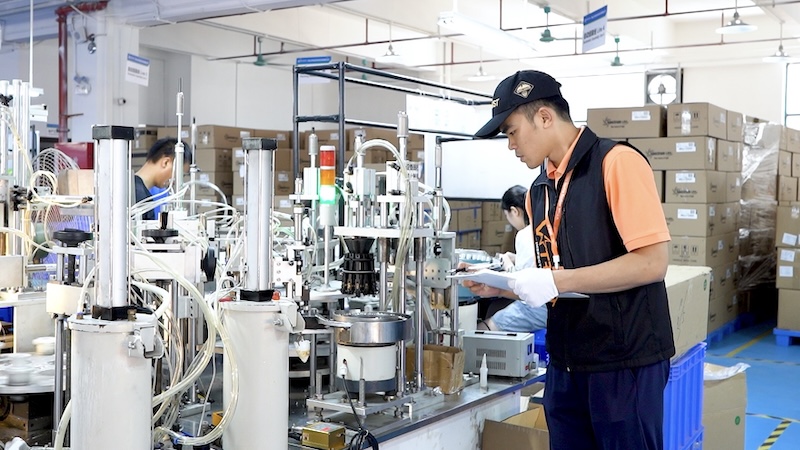
An on-site visit gives you evidence about the units it opened and the packing it saw. Counts, workmanship, dimensions, agreed function checks, labels, packaging, and whether the paperwork matches the goods all fit inside a normal visit.
What it cannot do is issue a formal material or safety verdict. An inspector can confirm a component carries the marking you specified, while a claim that has to satisfy a regulator or a retailer needs product testing in China. Which products need both, and on which shipments, follows the risk in the product, not a single rule.
Timing decides how much a visit can still change. A during production inspection catches a repeating fault while most of the order is still unbuilt. A pre-shipment inspection confirms the finished batch before the balance moves.
Neither tells you whether the factory has the systems to hold your standard when nobody is watching. A supplier quality audit looks at the equipment, the way the line is controlled, and the records behind both, which is a different question from whether this batch is good.

FAQ
Q1: Where does the inspection happen when my supplier is a trading company?
Wherever the goods are, which can be the factory or the trading company’s warehouse. A warehouse check still covers quantity, workmanship, and packing, while materials and the line need factory access.
Q2: Can one visit cover several products in the same order?
Often yes, from the same factory, but the grouping has to be agreed before the visit. Items only share a sample when the specification, materials, process, and risk genuinely match, or each SKU quietly gets checked less than you think.
Q3: Do inspection companies cover every province?
The larger networks come close, while a smaller firm bills travel and loses a day reaching a distant plant. Ask where the nearest inspector is based.
Q4: How much notice does the factory get before the visit?
Usually a few days, enough for the goods to reach the agreed stage and the paperwork to be ready. Tie the booking to how complete the order is, not to a date picked in advance.
Q5: Can I join the inspection by video?
Some providers offer it, and some price live video separately, so ask when you book. Treat it as a way to see how the inspector works, not as a replacement for the report.
Q6: Does the report help if I need to claim against the supplier?
It is useful evidence rather than a settled case. How far it carries depends on the contract, the scope, the sampling, and who issued it, which is why a report written against a specification the supplier signed beats one recording an opinion.
Q7: Do I need an inspection on every repeat order?
Set the frequency from the product risk, the supplier’s record, and your own quality plan rather than from the fact that an order is a repeat. Buyers rarely learn in advance that a material source, a shift, or a subcontractor has changed.
Q8: Should I move to a standing arrangement once volume grows?
It is worth negotiating for, since a provider that knows your product spends less time getting up to speed. Put the rate, the response time, and the same inspector into the agreement rather than assuming they come with it.
Conclusion
Most buyers pick an inspection company on price and brand, and neither one tells you who will actually walk into the factory. That answer decides whether the report is worth what you paid for it.
The report you get reflects the person who walked the floor and the standard they were given. We name the inspector, work to the specification you approved, and send the photographs the same day, through quality inspection, so you are reading what was actually measured rather than a summary.