
Shenzhen Electronics Manufacturing: Costs and Suppliers
Shenzhen builds consumer electronics faster than anywhere else because the parts, the tooling, and the assembly all sit inside an hour’s drive of each other. What that density does not do is make the project cheap, and the four numbers below land before you have a single sellable unit.
| What You Pay Before Production | Typical Range |
|---|---|
| Engineering and sample rounds | $2,000 to $15,000 |
| Tooling for the housing | $3,000 to $30,000 |
| Certification testing | $1,500 to $10,000 |
| Line setup and test fixtures | $500 to $3,000 |
None of those four appear on the per-unit quote a factory sends you first.
What the Shenzhen Cluster Actually Gives You
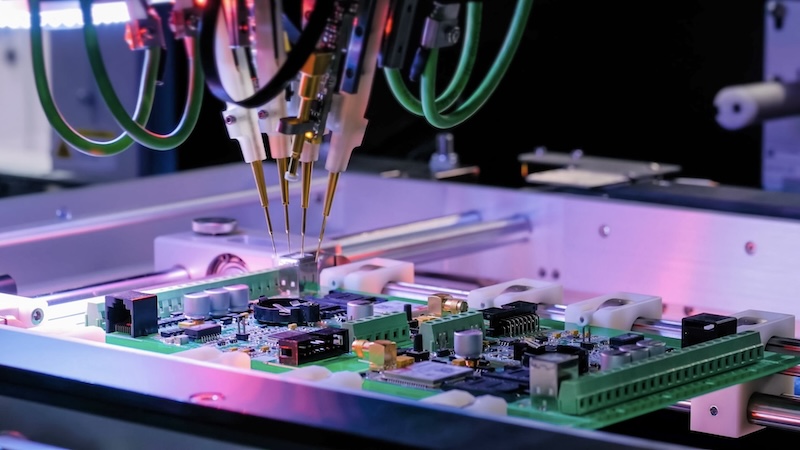
The real asset is proximity rather than cheap labor: a missing part is a taxi ride away instead of a six-week import. Chips, battery cells, displays, connectors, and sensors are all traded around Huaqiangbei. You can walk the Shenzhen electronics markets yourself and see how deep the stock runs.
That density compresses the part of the schedule money cannot shorten. Circuit board fabrication, plastic tooling, machining, and assembly share the same industrial belt. A design change that would restart a project elsewhere costs a week here.
The advantage shrinks to the lead time of whatever you cannot buy locally. Build your product around one hard-to-source chip or a specialized sensor and your timeline belongs to that part, not to Shenzhen. Counterfeit and salvaged parts are a real risk in that open trade, so the Huaqiangbei market risks matter more on a production order than on a prototype.
Sorting genuine components from salvaged ones is why consumer electronics sourcing means buying with people who know the stalls, not just the prices.
What Electronics Manufacturing in Shenzhen Costs
The unit price is the number factories lead with and the least useful one you will receive. A quote of $18 a unit tells you nothing until you know what had to be paid to reach it and what still sits outside it.
Engineering is the first bill and the one buyers forget to ask about. Schematic work, board layout, firmware, and mechanical design come as a lump sum or buried in the unit price, and each sample round after the first is billed separately. Getting the design settled through prototype manufacturing in China before tooling is cut is what keeps that number from doubling.
Tooling and testing are the two that decide whether the project is affordable at all. A plastic housing mold is a one-time charge paid before production. The radio and safety testing is a third-party cost whether the laboratory bills you directly or the factory passes it through. Neither is refundable if the product never launches.
The Four Kinds of Supplier You Will Meet
Most disappointing electronics orders trace back to a buyer who thought they were dealing with a factory. Confusing the seller with the maker is the oldest mistake in consumer goods sourcing, and it costs more here because engineering sits between the two.
| Supplier Type | What They Do | Where It Breaks |
|---|---|---|
| Assembly factory | Builds to your drawings | Limited design capability |
| Design house plus factory | Engineers and builds | Higher cost, longer contract |
| Trading company | Books capacity elsewhere | You never meet the maker |
| Component dealer | Sells parts, not products | No assembly, no warranty |
Which one fits depends on how finished your design is. Arrive with complete files and an assembly factory is the cheapest route. Arrive with a concept and you need engineering, from a design house or from a factory with engineers on staff, and that is a different price and contract.
How to Tell a Real Manufacturer From a Middleman
Ask what they can show you without naming a customer. A real factory speaks fluently about its own lines, its test equipment, and what it can and cannot hold to, while a middleman deals in categories and prices. A factory that will not describe another client’s project is keeping an agreement, not hiding a lack of capability.
Ask for the things only an operator has. The machine and test equipment list, the certification held by the plant itself, and the address of every site it runs. A supplier who cannot name a plant it actually controls, or who names one it only rents capacity from, is booking your order elsewhere.
Then check the company rather than the sales pitch. Confirm the business license and the legal history. Use a supplier quality audit once the order is large enough that a wrong choice costs you a launch window.
Where Electronics Orders Go Wrong in Shenzhen
Almost every failure is a component decision, a compliance gap, or a battery.
Components get substituted quietly. The line keeps moving with a part that behaves almost the same, and you find out when a batch misbehaves in the field. Name the critical components on the purchase order and require written approval in advance for any swap.
Compliance gets assumed. The factory’s existing test report covers the factory’s product, not yours, and the obligation sits with whoever puts the product on the market. Settle which market you are entering and what electrical product compliance it demands before tooling, not after the first container is packed.
Batteries change the whole project. Anything with a lithium cell brings transport testing, packaging rules, labeling, and carrier limits that add weeks and cost. The rules shift with the cell, the packing method, and the transport mode, which is why lithium-ion batteries get settled before you pick a freight route, not after.
FAQ
Q1. Do I have to be in Shenzhen to manufacture there?
No, and most overseas brands never visit. What you cannot do remotely is judge a sample against the line that made it, so plan one trip around the pre-production stage or send someone local instead.
Q2. Is Shenzhen still cheaper than inland China for electronics?
Rarely on labor, and often yes on the total. Inland plants quote lower assembly rates, but shipping components in and iterations out eats the difference on any product with a long parts list.
Q3. Will a Shenzhen factory take a small first order?
Many will, at a premium per piece, because a line changeover and a set of test fixtures cost the same at either volume and land on very few units. Parts that only sell by the reel add a minimum of their own on top.
Q4. Does the factory own the firmware it wrote for me?
Yes, unless your contract says otherwise, which means they can put the same software inside someone else’s product. Name the code files in the contract before development starts, or you can end up paying a second time to have them written again.
Q5. How much of my design will the factory expect to change?
More than you expect, and some of it is worth taking. Accept the changes that only make the product easier to build, and sign off in writing on anything touching a component, a material, or a dimension a customer can feel.
Q6. What happens if a chip in my design goes end-of-life?
You either redesign around a replacement or buy the remaining stock, and both cost money you did not plan. Ask at the design stage which components are single-sourced, because that list is where your next emergency comes from.
Q7. Can the factory hold my price when component costs move?
For a quarter, sometimes longer on stable parts, but memory, displays, and battery cells move with their own markets. Agree how a price change gets evidenced and how much notice you get, instead of assuming the first quote holds all year.
Q8. When does it make sense to move assembly out of Shenzhen?
Once the design has stopped changing and volume is steady, because that is when cheaper labor starts to matter more than fast iteration. Keep the engineering relationship in Shenzhen even then, since the next version will need the cluster again.
Conclusion
Shenzhen sells speed, and the buyers who lose money there are the ones who paid for speed they had no design ready to use. Get the files finished, then let the cluster do what it is good at.
Catching a quiet component substitution, checking that a test report covers your model rather than a similar one, and getting a battery through its own paperwork all decide whether the schedule holds. That is the work our consumer electronics sourcing team does within a short drive of the line.